
Last updated November 17, 2026








Free written scope consultation - allowances, timeline, and change-order rules on paper before a single trade is scheduled
Construction Permits, Codes & Inspections in NV: What You Need to Know
A homeowner in Enterprise and a homeowner three miles away inside Las Vegas city limits can remodel the exact same kitchen and face two completely different permit requirements, fee schedules, and inspection timelines. Same zip code range. Different authority. That’s the layer most remodeling guides skip, and it’s the one that costs Enterprise homeowners real money at resale. In this guide, we’ll walk through how Clark County Development Services handles residential permits, which projects legally require one, what an inspection actually checks, how your HOA approval runs alongside the county process (not instead of it), and what “unpermitted work” does to a sale. If you live in Enterprise, NV and you’re planning a renovation, this is the version written for your jurisdiction.
Quick Answer
In Enterprise, the governing permit authority for residential construction is Clark County Development Services, not the City of Las Vegas, even though both share the same zip code range. Most structural, plumbing, electrical, and mechanical work requires a county permit and inspections, while cosmetic work like paint, flooring, and cabinet swaps generally does not. Permits are pulled before work starts, and skipping one can affect your insurance coverage and your ability to sell.
Styles & brands we work with
- Kitchen remodeling
- Bathroom remodeling
- Home additions & ADU
- Roofing
- Windows & doors
- Driveway & pavers
- Fence
Table of Contents
- Who Has Jurisdiction Over Your Enterprise Project?
- Which Projects Require a Clark County Permit?
- The Clark County Permit Portal and Fee Schedule
- The Most Commonly Unpermitted Projects in Nevada
- How Inspections Work and What Inspectors Check
- HOA Architectural Approval vs. County Permits
- Unpermitted Work, Disclosure, and Selling Your Home
- Nevada Codes and Desert Climate Considerations
Who Has Jurisdiction Over Your Enterprise Project?
Enterprise is an unincorporated community in Clark County, which means the county, not a city, issues your building permits and performs your inspections. This matters because Enterprise addresses use Las Vegas mailing addresses and share zip codes with the city, so homeowners routinely assume the city is their authority. It isn’t. If you’re inside the Las Vegas city limits, you’d go through the city’s building department. If you’re in Enterprise, you go through Clark County Development Services. The two systems have different thresholds, fee structures, and inspection scheduling timelines.
Here’s how to confirm which system applies to you:
- Enter your address into the Clark County Assessor’s parcel lookup to identify the jurisdiction of record.
- Check whether your parcel sits within an incorporated city boundary or unincorporated county land.
- If the parcel is unincorporated and within Enterprise, your permit authority is Clark County Development Services.
- Confirm with the county permit desk before any contractor submits an application, because a rejected filing wastes weeks.
We’ve seen this trip up homeowners who called a Las Vegas permit office, got a different answer, and then built to the wrong standard before anyone caught it. When you hire our General Contractor in Enterprise team, permit jurisdiction is verified before the first application is filed, not after. If your address sits in Enterprise, your permit comes from the county. That one sentence avoids most of the confusion in this guide.
Which Projects Require a Clark County Permit?
Clark County residential permits are triggered by the nature of the work, not the dollar amount alone. A kitchen remodel that moves a wall and reroutes plumbing needs a permit. The same kitchen with new cabinets, countertops, and paint typically does not. Structural, electrical, plumbing, mechanical, and gas work all fall under the permit requirement. Cosmetic finishes generally don’t. If you’re unsure, the county’s development services line can tell you in a two-minute phone call, and it’s worth making before you sign anything.
Here’s a plain-language breakdown:
- Requires a permit: removing or adding a structural wall, new window or door openings, water heater replacement, electrical panel changes, new plumbing runs, gas line work, adding a bathroom or bedroom, roof replacement (in most cases), any addition to the footprint.
- Usually does not: interior paint, flooring replacement, cabinet and countertop swap without moving utilities, faucet and fixture replacement, cosmetic drywall patching.
- Grey zone: electrical outlet additions in an existing circuit, low-voltage wiring, exterior stucco repair, fence height changes – call the county to confirm.
Nevada’s residential code follows the International Residential Code with state amendments, and Clark County applies local amendments on top of that. For a full bathroom renovation that relocates a drain or adds a shower, the drain and shower valve work absolutely requires a permit and inspection. Our Bathroom Remodeling in Enterprise projects are permitted at the drain-and-rough-in stage because that’s the stage inspectors care most about.
The Clark County Permit Portal and Fee Schedule
Clark County residential permits are filed through the county’s online development services portal. Contractors with an account can submit applications, upload plans, pay fees, and request inspections without stepping into a lobby. For homeowners pulling their own permit, the county allows it for work on your primary residence, but the process is slower and the review is the same. The fee schedule is based on the type and scope of work – structural permits are priced by valuation, while electrical, plumbing, and mechanical permits carry flat fees per fixture or circuit.
Rough ranges we see for residential work in Enterprise:
- Water heater replacement: a small flat fee, typically in the low hundreds of dollars including inspection.
- Electrical panel replacement: a flat mechanical permit, generally in the low-to-mid hundreds.
- Bathroom remodel with rough-in changes: combined plumbing and electrical fees, often $400 to $900 depending on fixtures moved.
- Structural wall removal or addition: priced by project valuation, usually $800 to $2,500 for residential scope.
Those are permit-fee ranges, not the cost of the work. The county publishes its full fee schedule, and a contractor with an account can pull an accurate number for your specific address in a short call. Ask any remodeler to show you the permit fee line on the quote. If it’s missing, ask where the permit is coming from. Our Mason Remodeling Enterprise home page lays out how the written price works, and it always includes permit fees up front.
The Most Commonly Unpermitted Projects in Nevada
Water heater swaps, window replacements, and structural wall removals top the list of work done without permits in Nevada. The pattern is consistent: quick jobs get treated as maintenance, and homeowners don’t realize a permit was required until they sell or file a claim. A water heater replacement changes the gas connection and the pressure relief valve – both regulated. Window replacements in Nevada affect egress and energy code compliance. Structural wall removal, obviously, affects the entire load path.
The consequences are real and not abstract:
- Insurance: a claim tied to unpermitted work can be reduced or denied, because the carrier will ask whether the installation was inspected.
- Resale: unpermitted work must be disclosed, and buyers’ inspectors find it during due diligence.
- Financing: some lenders won’t fund a purchase when there is open or unpermitted electrical or structural work.
- Retroactive permitting: the county can require a licensed contractor to open walls for inspection, which costs more than doing it right the first time.
We’ve walked into Enterprise homes where a prior “quick” water heater swap left no permit trail and no inspection record, and the fix was a retroactive permit plus opening the closet wall. Pulling the permit on the front end costs a fraction of that.
How Inspections Work and What Inspectors Check
Inspectors show up at defined milestones: rough-in inspections before walls are closed, and final inspections after finishes. A failed inspection isn’t a catastrophe, but it does require the contractor to correct the deficiency, document it, and reschedule – which can add days to a project. The most common failure points in Enterprise remodels are rough-in inspections where plumbing vents, electrical grounding, and framing connections were all shown clearly and permanently.
A typical inspection sequence for a bathroom or kitchen remodel:
- Rough-in inspection: plumbing, electrical, and framing inspected before drywall goes up. All penetrations must be drilled to code, and nail plates installed.
- Framing inspection: header sizes, hangers, and connections checked against the approved plan.
- Insulation inspection: correct R-value and correct installation for the desert climate.
- Drywall and finish inspection: confirming that finishes match the approved scope.
- Final inspection: all fixtures installed, tested, and working; smoke and carbon monoxide detectors checked.
What does a failed inspection actually mean? The contractor corrects the item, schedules a re-inspection, and the project continues once it passes. Good contractors build inspection timing into the schedule from the start, so a re-inspection doesn’t blow the deadline. Our Kitchen Remodeling in Enterprise team schedules inspections at the rough-in stage, not after the drywall, precisely so corrections stay small.
HOA Architectural Approval vs. County Permits
An HOA architectural approval does not replace a Clark County permit, and a county permit does not satisfy your HOA. They’re two separate processes, and both have to be completed for exterior work. The HOA controls the appearance of your home within the community, and the county controls safety and code compliance. A new patio cover, a fence height change, a paint color change, a window style change, or a hardscape expansion may need HOA approval even when no county permit is required.
Practically, here’s the sequencing that avoids headaches:
- Submit the architectural request to your HOA first. Approvals typically take 2 to 6 weeks depending on the board’s meeting schedule.
- File the Clark County application once the HOA approves the design, so the county reviews the exact same plan the HOA did.
- Keep both approvals in the project file. If you sell, the buyer’s agent will ask for both.
In Enterprise communities with hardscape-heavy courtyard plans, we regularly see jobs delayed because the HOA wanted the paver or wall material specified by brand – Cambria pavers or Sakrete-set retaining walls both come up more than you’d expect. That’s a design detail worth locking down before the county filing. Our Mason Remodeling Enterprise team includes HOA submission timing in the project calendar for every exterior scope.
Unpermitted Work, Disclosure, and Selling Your Home
Nevada real estate law requires sellers to disclose known unpermitted work on the seller’s disclosure form. If you built a wall, added a bathroom, or swapped a water heater without a permit, you disclose it – or you risk being sued after closing for concealment. Buyers’ inspectors and appraisers routinely look at permit history through the county portal, so undisclosed work surfaces during due diligence more often than not. Closing can be delayed, renegotiated, or cancelled as a result.
The clean path out of an unpermitted situation:
- Identify the scope of unpermitted work. A general contractor or permit expediter can walk the property and list what’s missing.
- Contact Clark County Development Services to open a retroactive permit for that scope.
- Have any concealed work opened for inspection – electrical, plumbing, and framing are the usual targets.
- Pass inspection and finalize the permit.
- Document everything in the sale file so the buyer’s agent has the record in hand.
Retroactive permits are more expensive and slower than a permit pulled on the front end. They also sometimes require cutting into finished walls. We tell Enterprise homeowners the same thing every time: if you can see the work and it’s structural, electrical, plumbing, or gas, the permit is the cheaper path.
Nevada Codes and Desert Climate Considerations
Nevada residential code follows the International Residential Code with state amendments, and Clark County adds local amendments for the desert climate. Those amendments show up in building envelope, insulation, and window requirements because Clark County summers push HVAC systems to their design limits, and the county knows it. Energy code compliance is checked at inspection. Windows and doors in a remodel must meet current U-factor and solar heat gain requirements, not the requirements from 15 years ago. Insulation R-values were upgraded in the current code cycle, and an inspector will check them.
What that means in practice for an Enterprise remodel:
- Replacement windows must be rated for the county’s climate zone, and the rating sticker is often required at inspection.
- Roof replacement must include underlayment rated for high summer temperatures; some product swaps have gotten contractors failed finals.
- Attic insulation is inspected against current R-value; a tear-out of old insulation is a chance to bring it up to code.
- Hardscape projects must follow county drainage requirements so runoff doesn’t push onto neighboring lots. Belgard and Quikrete base systems both meet those specs, and they’re specified on our exterior projects.
When contractors from out of state quote work in Enterprise using their home-state knowledge of the code, this is where it bites. Nevada’s climate amendments aren’t dramatic, but they’re specific, and the inspector will catch them.
Common Mistakes to Avoid
- Assuming the City of Las Vegas is your permit authority. Enterprise is unincorporated Clark County, so the county issues your permits even when your mailing address says Las Vegas. Verify your parcel’s jurisdiction before any application is filed.
- Skipping permits on “small” work like water heater swaps and window replacements. Both touch regulated systems, and both leave a gap at resale and in an insurance claim. The permit fee is a fraction of the retroactive cost.
- Treating HOA approval as a substitute for a county permit. They’re parallel processes, and both are required for exterior changes. Sequencing them wrong can add weeks.
- Closing walls before the rough-in inspection. A drywall-over-plumbing failure means cutting the wall open again. Schedule the inspection first.
- Filing the county application with an outdated plan. When the design changes after the filing, the county inspection is against the plan of record. Update the filing before work changes.
- Disclosing “some work was done” instead of specific scope. Nevada sellers need to disclose known unpermitted work clearly; vague disclosure doesn’t protect you.
- Assuming the contractor is pulling the permit when nobody has confirmed it. Ask for the permit number before the first day of work; it’s on the job card.
See the difference
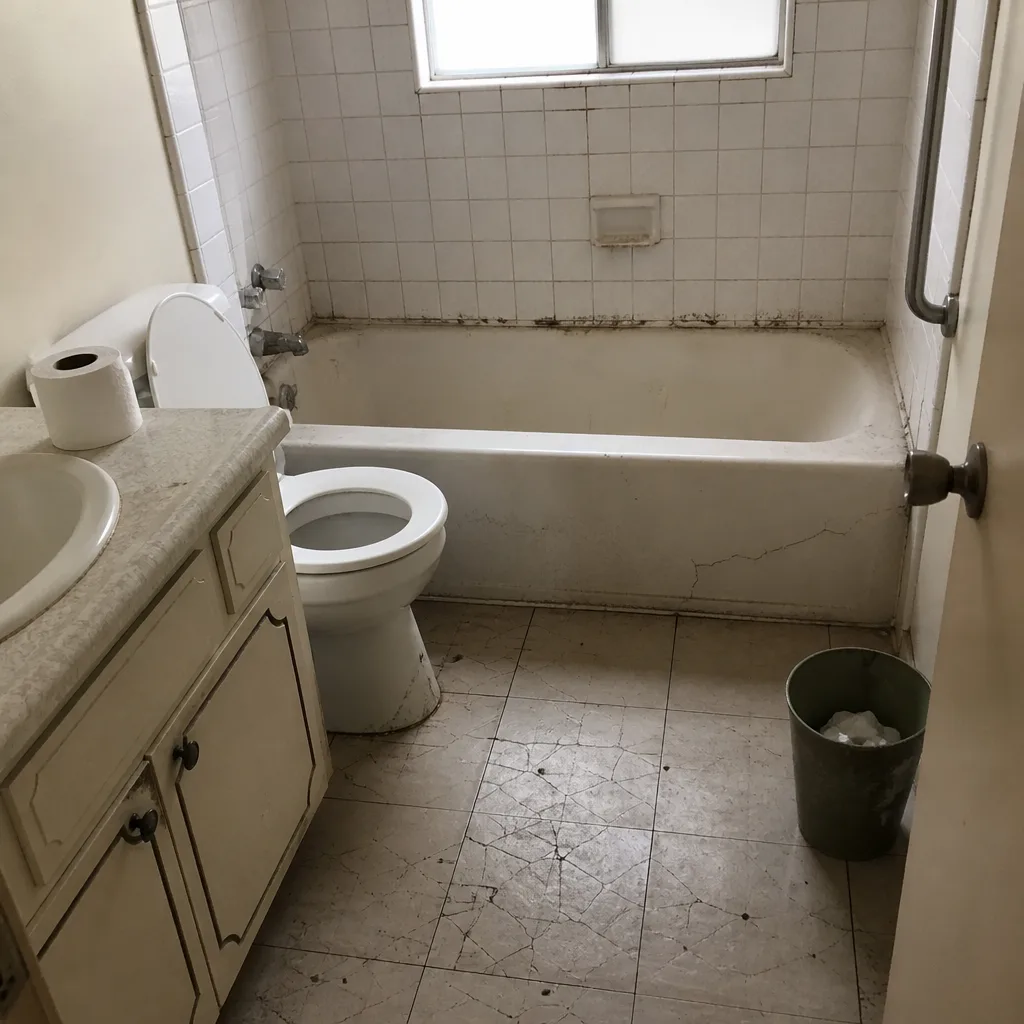 Before
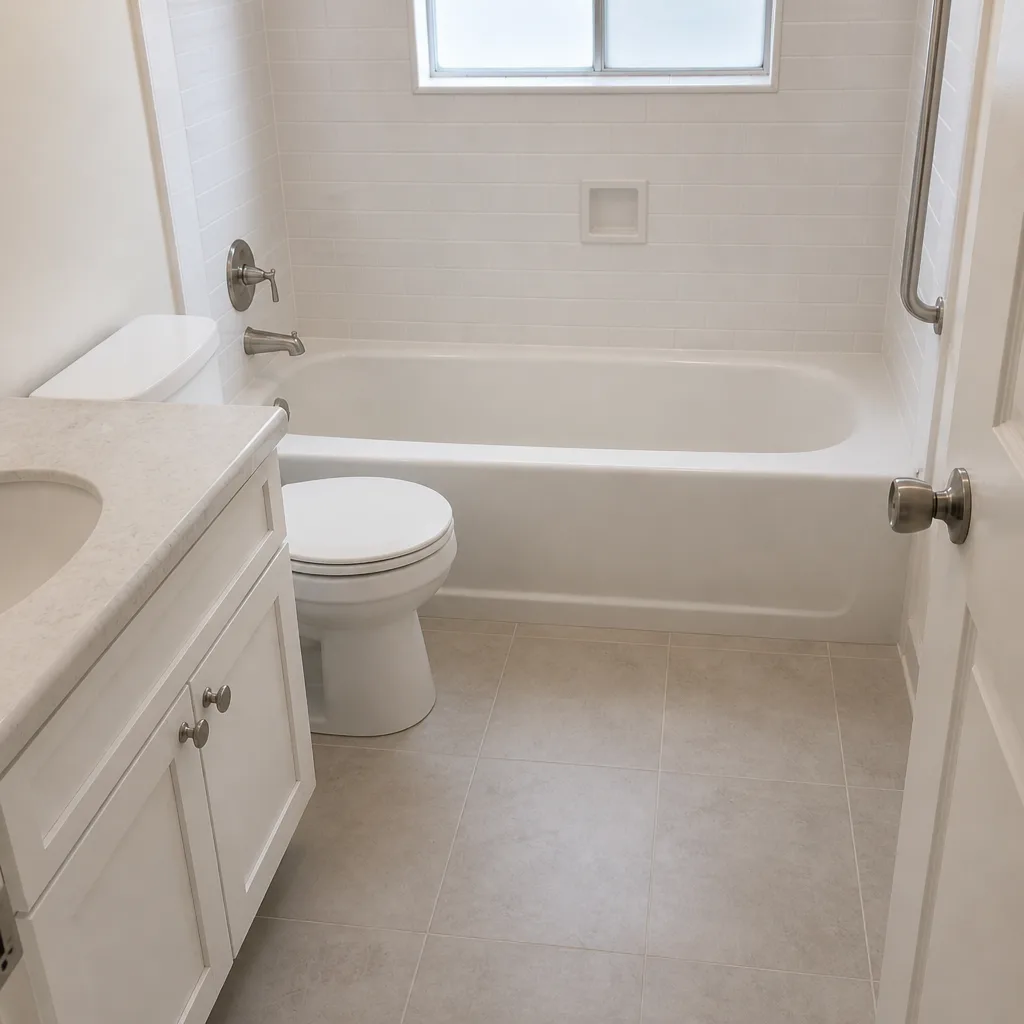 After
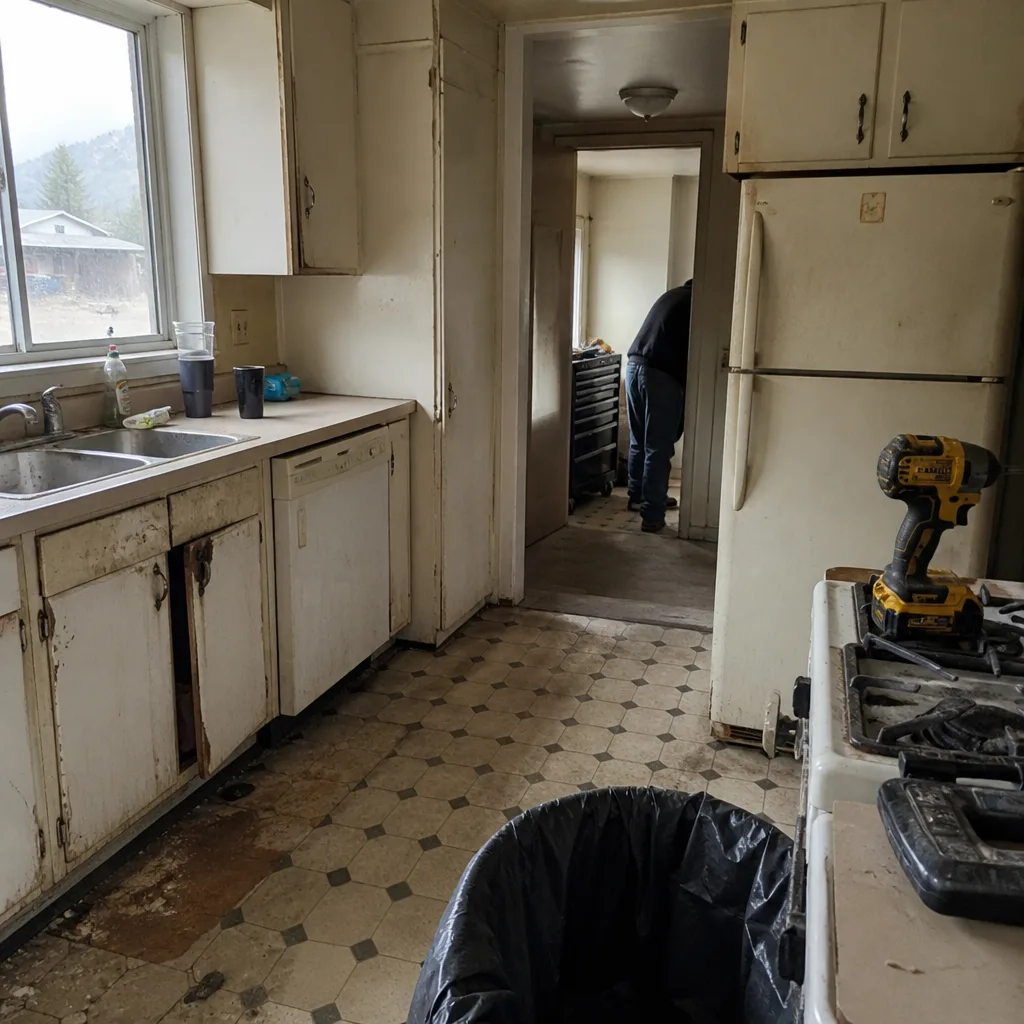 Before
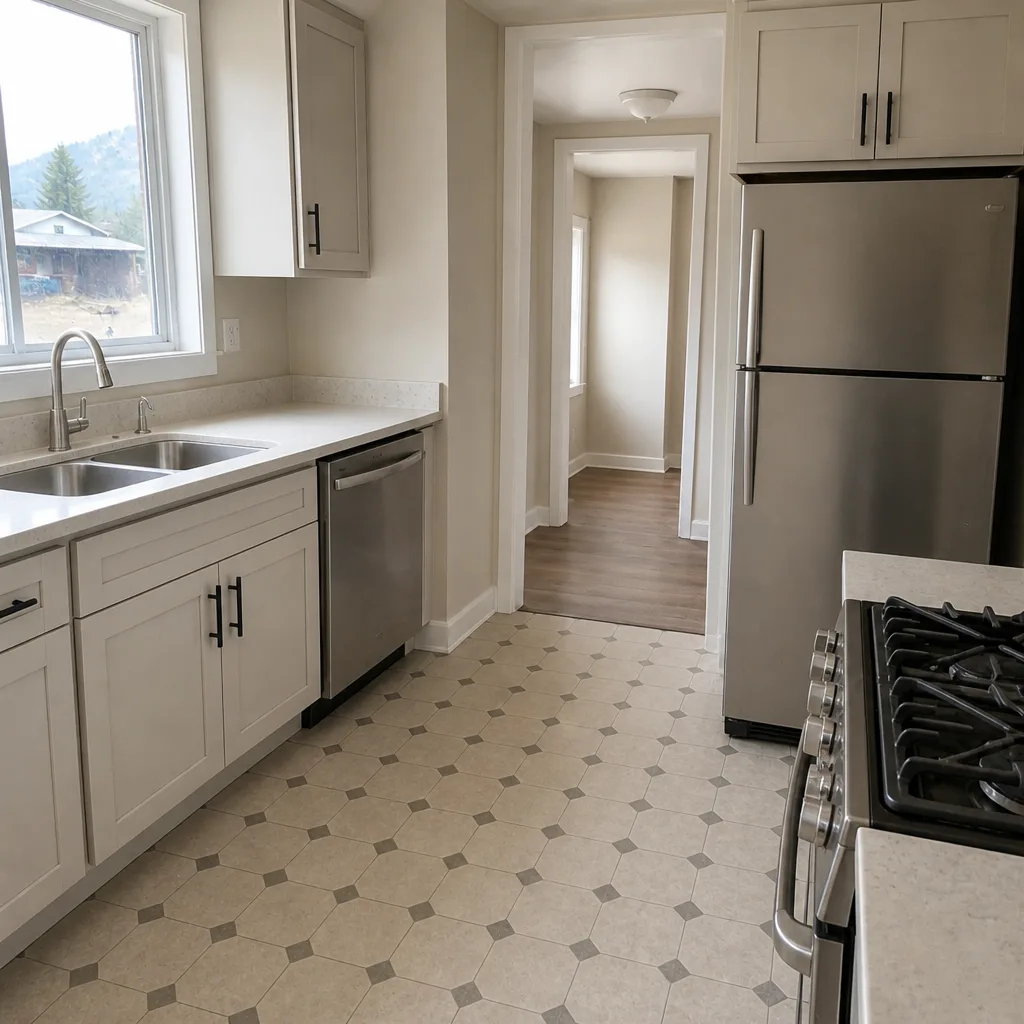 After
 Before
 After
When to Call a Professional
If your project touches a structural wall, moves plumbing or gas, changes the electrical panel, or requires an inspection at the rough-in stage, call a licensed contractor. Those are the four areas where a failed inspection and a re-inspection aren’t just inconvenient – they can affect insurance and resale. If you’ve recently purchased a home in Enterprise and discovered unpermitted work, a professional walk-through identifies the scope so you know what retroactive permits are required. If your HOA design review has stalled your project for weeks and you’re not sure whether the county filing is the blocker or the board is, a contractor who runs both processes can point you in the right direction. Mason Remodeling Enterprise offers free estimates in Enterprise – call (844) 797-6157.
Frequently Asked Questions

Yes. A water heater replacement in Enterprise requires a Clark County permit because it changes the gas connection and the pressure relief valve, and the county inspects it. Skipping the permit affects your insurance and your resale disclosure. Call (844) 797-6157 for a written quote that includes the permit fee – estimates are free.
Enterprise is under Clark County. Enterprise is an unincorporated community, so Clark County Development Services issues permits and performs inspections even though the mailing address is Las Vegas. Verify your parcel’s jurisdiction through the Clark County Assessor before filing. Call us and we’ll confirm your address before any application goes in.
No. HOA architectural approval and a Clark County building permit are two separate requirements, and both apply to exterior changes. The HOA controls design and appearance; the county controls safety and code. Complete both before work starts, HOA first so the plan matches. Call (844) 797-6157 for help sequencing both.
You must disclose known unpermitted work on Nevada’s seller’s disclosure form. Buyers’ inspectors check permit history, and an undisclosed issue can delay or cancel closing. The clean fix is a retroactive permit through Clark County, which requires opening any concealed work for inspection. Call us for a walk-through to size the scope before you list.
Simple permits like water heater replacements are often approved within days. New construction and structural changes with plan review typically run several weeks. The county publishes current review times, and filing with an accurate plan is the biggest driver of speed. Call (844) 797-6157 for a written price and a permit schedule before you commit to a start date.
Not when the contract includes a written line-item price, which Mason Remodeling Enterprise provides on every project before work begins. Change orders only occur when the scope changes, and the price for the change is written before the work proceeds. Call (844) 797-6157 for a free estimate and a written price.
The Bottom Line
Clark County – not the City of Las Vegas – is the permit authority for Enterprise, and the difference matters because thresholds, fees, and inspection timelines all run through the county’s process. Water heater swaps, window replacements, and structural wall removals are commonly done without permits in Nevada, and each one carries insurance and resale consequences that outweigh the permit fee. Pair your county permit with HOA architectural approval for exterior work rather than treating one as a substitute for the other, and if you find unpermitted work before you sell, open a retroactive permit early. Get the permit in writing, get the price in writing, and pull both before the first tool comes out.
Written by the team at Mason Remodeling Enterprise.
Ready for a written price before any work starts? Call (844) 797-6157 for a free estimate. A live person answers every call, 24 hours a day, every day of the year. Every project is backed by our 365-Day Done Right Promise – if the work isn’t right within a year of completion, we make it right at no cost.