Last updated November 17, 2026








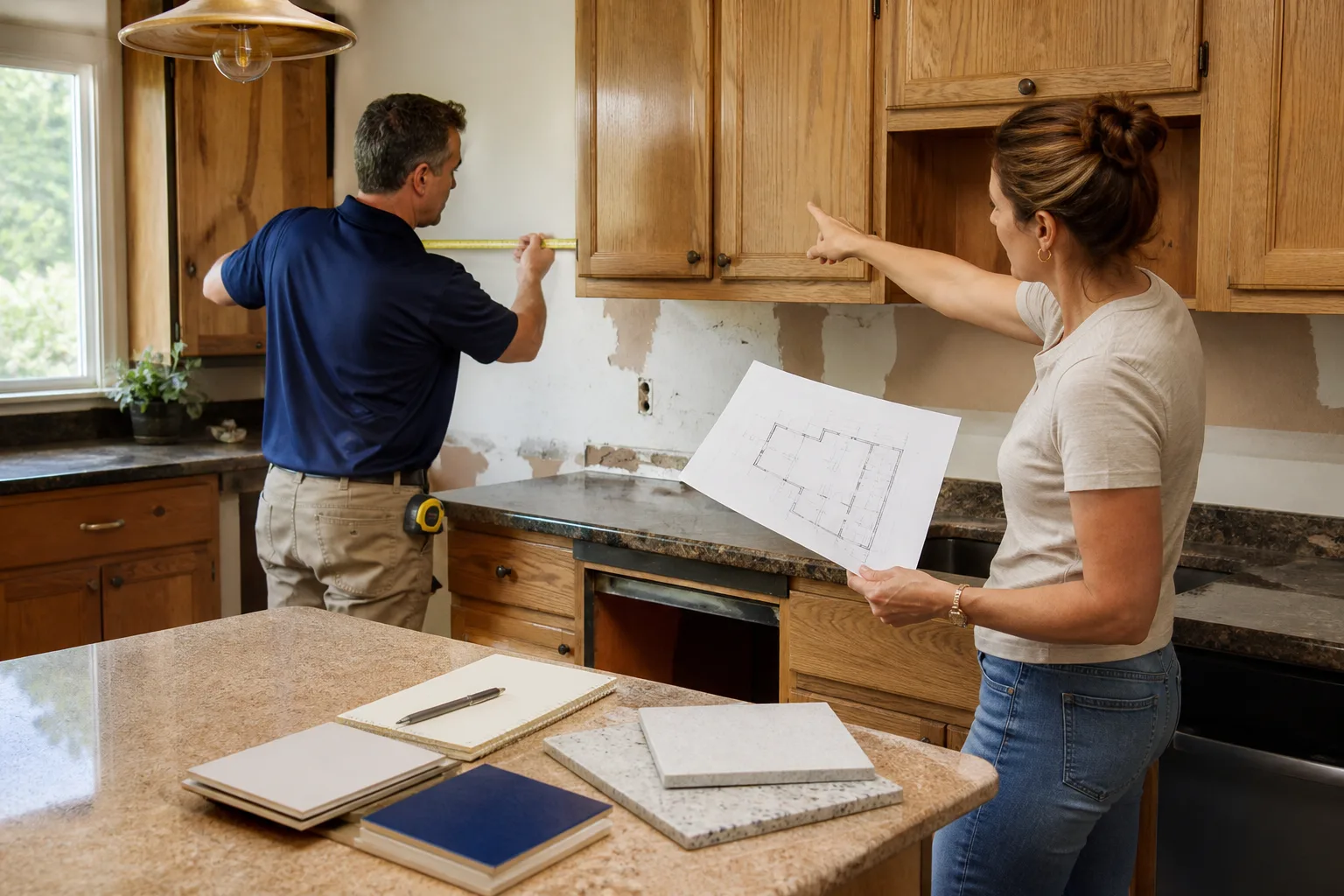
Free written scope consultation - allowances, timeline, and change-order rules on paper before a single trade is scheduled
Construction Emergency Preparedness Guide for Enterprise Homes
Most homeowners in Enterprise believe a construction emergency starts with a burst pipe or a hole in the roof. In our experience, the emergencies that cost the most begin long before any water or wind shows up. They begin with a paperwork gap: an unpermitted addition, a contractor who took a deposit and vanished, a warranty nobody wrote down. The drywall looked fine, so nobody asked. This guide covers the full picture of construction emergencies for Enterprise homes, from monsoon wind prep to the legal and financial traps that catch people after the storm passes. You’ll learn what to do before, during, and after a construction problem, and how to tell a real emergency from a scare.
Quick Answer
A construction emergency in Enterprise usually falls into one of three buckets: storm damage (wind, monsoon rain, hail), system failure (water intrusion, roof leak, electrical hazard), or a contractor problem (abandoned job, unauthorized work, failed inspection). The right response depends on which one you’re facing. For true safety hazards, shut off the utility and call a licensed professional. For contractor problems, stop payment, document everything, and get a written second opinion. Either way, a written scope and price before work starts is your best protection, and it costs nothing to ask for one.
Styles & brands we work with
- Kitchen remodeling
- Bathroom remodeling
- Home additions & ADU
- Roofing
- Windows & doors
- Driveway & pavers
- Fence
Table of Contents
- What construction emergencies actually look like in Enterprise
- Preparing your home for monsoon and wind season
- Water intrusion: the emergency that hides
- Roof leaks and what to do in the first hour
- When the emergency is your contractor
- Permits, inspections, and the paper trail that protects you
- Building a construction emergency kit
- The first 48 hours after damage
What Construction Emergencies Actually Look Like in Enterprise
Enterprise sits in a part of the Las Vegas Valley where the weather does two things well: it stays dry for months, then dumps a season’s worth of rain in an afternoon. That swing is what makes construction emergencies here different from emergencies in wetter climates. Soil that’s been baked hard for weeks doesn’t absorb sudden rain. It sheds it. Water pools against foundations, finds the lowest point, and works its way in. Homes near the southern end of Enterprise, closer to the foothills, see more wind-driven rain than the flatter interior streets.
We’ve also seen a pattern with newer construction. Builders in the Enterprise corridor put up a lot of homes quickly during the growth years, and some of those builds used materials and methods that were fine on paper but less forgiving in practice. Stucco that wasn’t properly sealed, roof flashing installed in a hurry, grading that pushes water toward the house instead of away. These aren’t dramatic failures. They’re slow ones that show up five or ten years later as a stain on the ceiling.
Three categories cover most of what we get called about in Enterprise:
- Storm-driven: Wind tearing at roofing and fencing, monsoon rain overwhelming drainage, hail bruising roof surfaces.
- System failure: Water heaters letting go, supply lines bursting, roof underlayment finally giving out, HVAC condensation lines clogging in summer.
- Contractor failure: A job abandoned mid-remodel, work done without permits, a warranty that turns out to be verbal only.
The third category surprises people the most, and it’s the one most preventable. If you’re planning any significant work, start with a general contractor in Enterprise who puts the scope and price in writing before a tool comes out of the truck.
Preparing Your Home for Monsoon and Wind Season
Monsoon season in Southern Nevada runs roughly July through September, and the storms tend to arrive fast. Enterprise gets its share of microbursts, short bursts of wind that can hit 60 mph and are gone in minutes. You can’t stop the wind. You can make sure your house is ready for it.
Here’s the pre-season checklist we walk homeowners through:
- Clear the roof and gutters. Desert dust and dried palm fronds collect in valleys and behind parapets. When rain finally comes, that debris dams the water and sends it sideways under the flashing.
- Check your grading and drainage. Walk the perimeter after a light rain and see where water pools. If it’s pooling within a few feet of the foundation, regrade or add a swale before the heavy stuff arrives.
- Inspect the roof edge and flashing. Wind gets under lifted shingles and tears them off. A loose piece of metal flashing is the first thing to go.
- Secure outdoor items. Patio furniture, shade sails, trampolines, and unanchored storage sheds become projectiles. Move them inside or anchor them.
- Trim trees away from the structure. A limb that touches the roof in calm weather will scrape and puncture in a microburst.
- Know where your shutoffs are. Water main, gas, and electrical panel. Label them. Everyone in the house should know where they are and how to operate them.
If your home has older windows or a sliding door that’s been whistling in the wind, that’s a seal you’ll want addressed before storm season. Quality window systems like PGT and CGI are built for high-wind exposure, but even the best unit fails if it was installed without proper flashing and sealant. This is the kind of work where using a vetted product line matters, and where a written price before installation protects you.
Water Intrusion: The Emergency That Hides
Water is the most patient emergency. A roof leak in Enterprise often doesn’t show up as a drip. It shows up as a bubble in the paint six months later, or a musty smell in a closet, or a baseboard that’s soft when you press it. By the time you see it, the damage has been working quietly.
Here’s the sequence we recommend when you suspect water intrusion:
- Find the source before you call anyone. Trace the stain upward and outward. Water travels along framing, so the wet spot on the ceiling is rarely directly under the entry point.
- Shut off the water if it’s a supply-line issue. If the leak is from plumbing, the main shutoff is the first move. If it’s from the roof or exterior, there’s nothing to shut off; contain it instead.
- Contain and document. Buckets, towels, and photos. Photograph the stain, the wet materials, and anything damaged before you move it.
- Call a licensed professional for anything beyond surface damage. Water inside walls, ceilings, or under flooring means moisture is trapped. That’s a mold risk and a structural question, not a towel job.
One thing we see in Enterprise specifically: water heater failures in the garage. The desert heat and hard water shorten the life of tank units, and a garage water heater that lets go distributes water across the floor and into the wall shared with the house. If your unit is past ten years old, check the pan and the drain line annually. A failing water heater is one of the few genuine “call now” emergencies in home construction. The safety caveat here matters: gas-fired water heaters and electrical connections are not DIY territory. A licensed technician handles the gas line, the venting, and the pressure relief valve, and that’s the right division of labor.
Roof Leaks and What to Do in the First Hour
A roof leak during a storm is the classic construction emergency. The first hour matters, and what you do then determines whether you’re dealing with a repair or a restoration.
- Get water out of the living space. Buckets under drips, move furniture and electronics, pull back rugs. Nothing you own matters as much as stopping the spread.
- Do not go on the roof during a storm. This is the one time we’ll say it plainly: wet roofs are the leading cause of serious injury in storm response. Wind, wet shingles, and ladders don’t mix. Wait it out or call a professional.
- Puncture a sagging ceiling safely. A bulging ceiling means trapped water. If you can reach it safely from below, a small hole in the center of the bulge with a bucket underneath releases the water and prevents a larger collapse. If any part of this feels unsafe, don’t do it.
- Document the damage. Wide shots and close-ups of the leak, the stain, and the damaged contents. Your insurer will want them.
- Call for help and call your insurer. Get a professional on the roof as soon as conditions allow, and open the claim while the details are fresh.
After the immediate crisis, the real work begins: determining why it failed. On Enterprise homes, we regularly find roof leaks trace back to flashing at the chimney or the valley, not the shingles themselves. The shingles were fine; the water just found the seam. This is where a bathroom remodeling in Enterprise project often surfaces a roof or attic issue you didn’t know existed. If you’re already opening up a ceiling for a remodel, get the framing and sheathing checked while it’s accessible. Roofing systems from GAF and CertainTeed are built to spec, but the flashing and detailing install that carries the waterproofing is a craftsmanship question, not a product one.
When the Emergency Is Your Contractor
The most expensive construction emergency has nothing to do with weather. It’s a contractor who disappeared with your deposit, or a job that’s stalled for weeks, or work done without a permit that now has to be corrected. We’ve been called into Enterprise homes to finish jobs that a different crew walked away from, and the pattern is consistent. The deposit was large, the contract was verbal, and nobody had a written scope.
The protections are simple and they cost nothing:
- Get the price in writing before work starts. Not a range, not “about,” not a verbal estimate. A written price with line items. This is the single best defense against the abandoned-job scenario.
- Verify who’s coming to your door. Ask for the technician’s name, a photo, and a badge before the visit. The Threshold Standard is our version of this, and it should be a normal expectation with any contractor you hire.
- Confirm permits will be pulled. Any structural, electrical, plumbing, or major remodel work in Enterprise requires permits. Ask who’s pulling them and when the inspection happens.
- Get the guarantee in writing. What’s covered, what’s excluded, and for how long. If the answer is “we stand behind our work,” ask for it in writing.
- Never pay the full amount upfront. A reasonable deposit and progress payments tied to milestones is standard. A contractor who demands everything before starting isn’t offering you protection.
If you’re already in the middle of a contractor problem in Enterprise, stop paying, document everything in writing, and get a second opinion on the scope before you hire anyone else. A free estimate from an independent professional will tell you what’s actually left to do and what it should cost.
Permits, Inspections, and the Paper Trail That Protects You
In Enterprise, the permit system is your legal record that the work was done to code. When you sell your home, that record matters. A remodeled bathroom without a permit can hold up a sale or force a tear-out. An addition built without permits can be ordered removed. The 2018-era growth out here means a lot of homes changed hands quickly, and some of those “recently updated” listings carry work that was never inspected. A permit file is the only way to know.
Here’s how to use the permit system to your advantage:
- Before hiring, ask for the permit number in the contract. It should be there in writing, along with who pulls it.
- Track the inspections. A permit isn’t done until the inspections pass and the final sign-off is issued. Ask for the final inspection record when the job closes.
- Keep every document. Permit applications, inspection reports, warranties, contractor correspondence, change orders, and photos. Build a job file and keep it with your home records.
- Check before you buy. If you’re buying an Enterprise home, pull the permit history on any work that touched structure, plumbing, electrical, or major systems. It’s public record and it’s fast.
This is the paper trail that turns an emergency into a manageable event. When a contractor knows the work will be inspected, the quality tends to follow.
Building a Construction Emergency Kit
You probably have a first-aid kit. You may not have a construction emergency kit. This is a small, cheap box that pays for itself the first time something goes wrong. Here’s what we recommend for an Enterprise garage or utility closet:
- Water shutoff tool (for the main valve) and the location of your panel and gas shutoff, written on a card and taped to the wall.
- Heavy-duty plastic sheeting and a roll of duct tape, for covering furniture and blocking water.
- Buckets (at least three) and old towels.
- A bright flashlight and extra batteries.
- Rubber gloves and a mask, for handling wet insulation or damaged materials.
- Contractor-grade trash bags and zip ties.
- A waterproof folder containing your insurance policy summary, contractor contacts, and a copy of your home’s permit records.
Add a tarp rated for wind exposure if your roof is older, and a box of roof patch material in reserve. What you don’t want to add is a ladder for roof work during a storm. The kit is for containment and documentation, not for addressing the roof itself. That’s a job for a licensed professional.
The First 48 Hours After Damage
Once the immediate danger has passed, the next 48 hours determine how the claim and the repair go. Move fast, but move in the right order.
- Make it safe. Shut off utilities that are compromised. Don’t enter spaces with sagging ceilings or water near electrical. If anything feels unsafe, call a professional before you go back in.
- Document everything, before cleanup. Photos and video of every affected surface, every damaged item, and wide shots that show the scope. Leave the damage in place until it’s documented.
- Contact your insurer. Open the claim and get a claim number. Ask what they need and in what format.
- Get a written damage assessment from a licensed professional. What’s damaged, what’s safe, what the repair scope should be. This becomes the backbone of your repair plan and your claim.
- Dry things out. Fans, dehumidifiers, open windows when weather allows. Trapped moisture is the real long-term cost of a water emergency.
- Get the repair priced in writing before anyone starts. A written price, line by line, with the scope of work spelled out. This is standard practice and it protects you from the exact scenario that turns an emergency into a nightmare.
If the damage is in the kitchen or a bath, this is where a full-scope estimate from a kitchen remodeling in Enterprise professional or a bath specialist comes in. Sometimes the repair and the planned remodel overlap, and it’s smart to price them together rather than twice. Start from your Mason Remodeling Enterprise home page to see how the whole scope fits together.
Common Mistakes to Avoid
- Waiting for the leak to get worse before calling. Water damage compounds daily. A small stain that costs a few hundred dollars to repair today turns into a wall replacement in a month.
- Hiring the first contractor who knocks on the door after a storm. Storm chasers follow the weather. Verify who’s coming, in writing, before anyone sets foot inside.
- Accepting a verbal estimate. In Enterprise, the difference between a verbal estimate and a written price is the difference between a repair and a dispute. Get it in writing, every time.
- Skipping the permit because it’s “just a small job.” Small unpermitted work creates outsized problems when you sell. The permit is cheap; the correction is not.
- Ignoring the water heater and the supply lines until they fail. An annual check and a replacement every decade or so costs far less than a flooded garage and a mold remediation.
- Cleaning up before documenting. The photos are evidence. Take them before you move a single wet towel.
- Not knowing where your shutoffs are. The first 60 seconds of a water emergency decide how much damage happens. Know the valves.
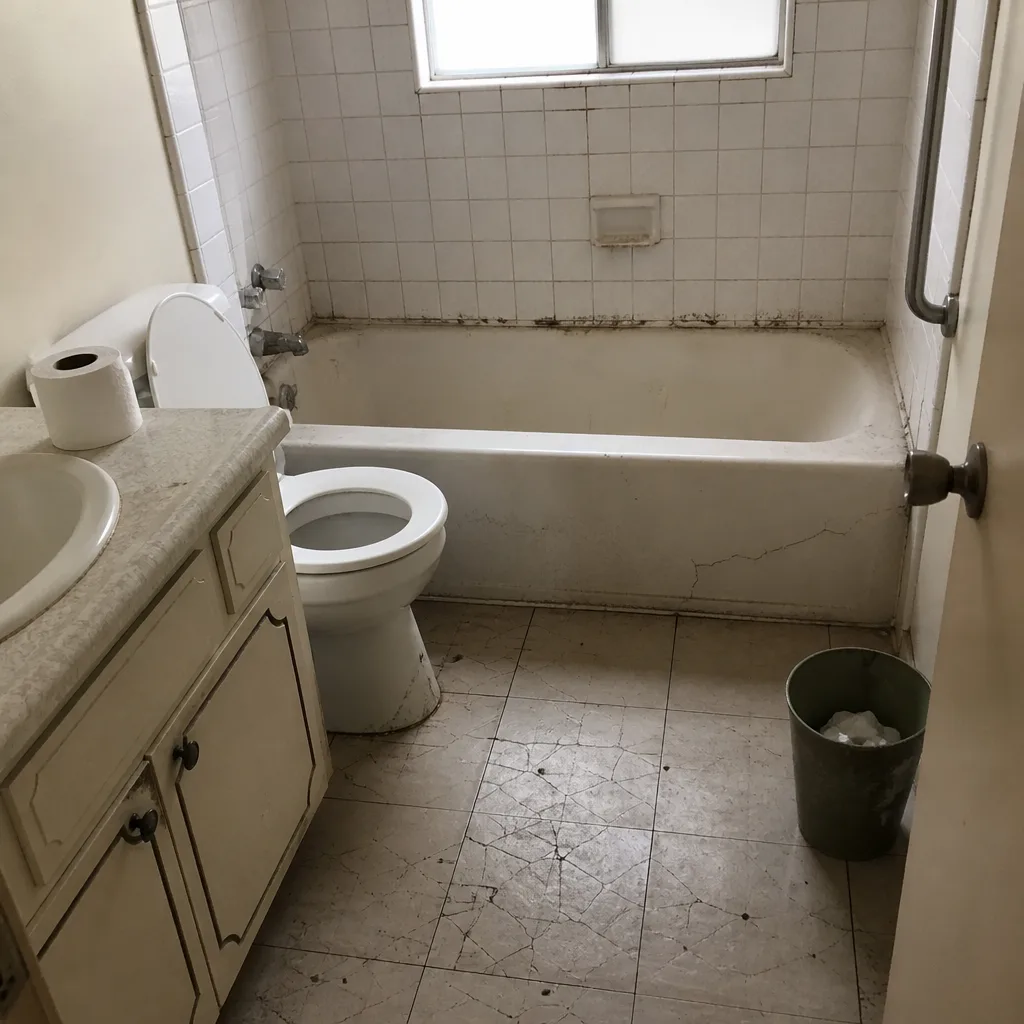
See the difference
 Before
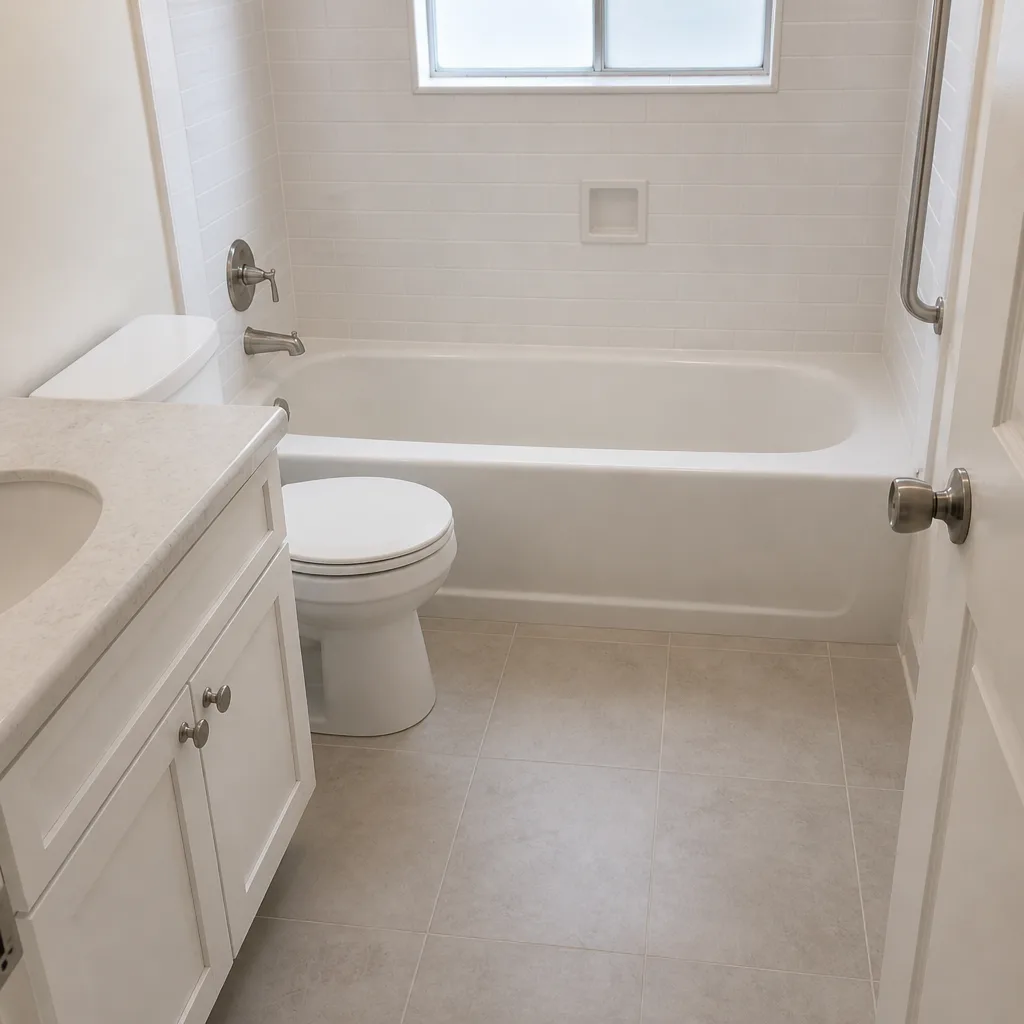 After
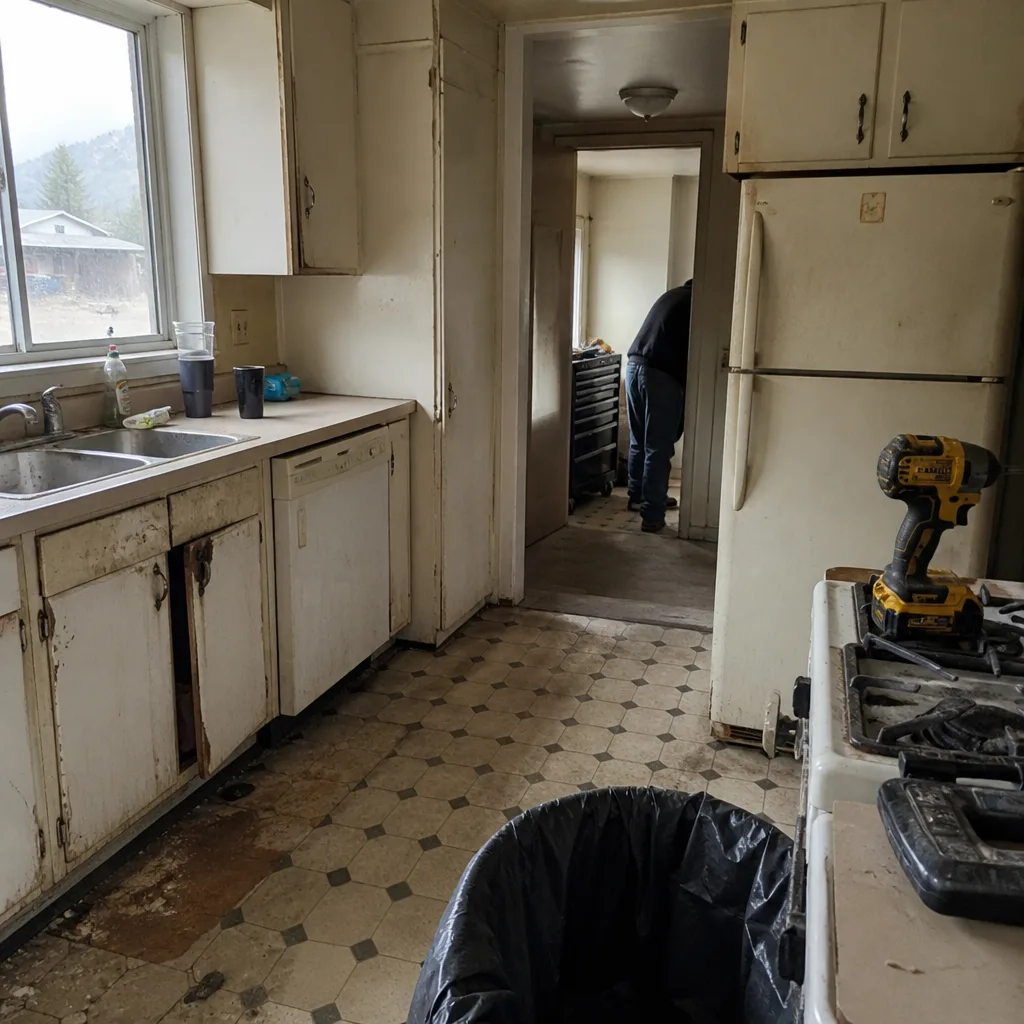 Before
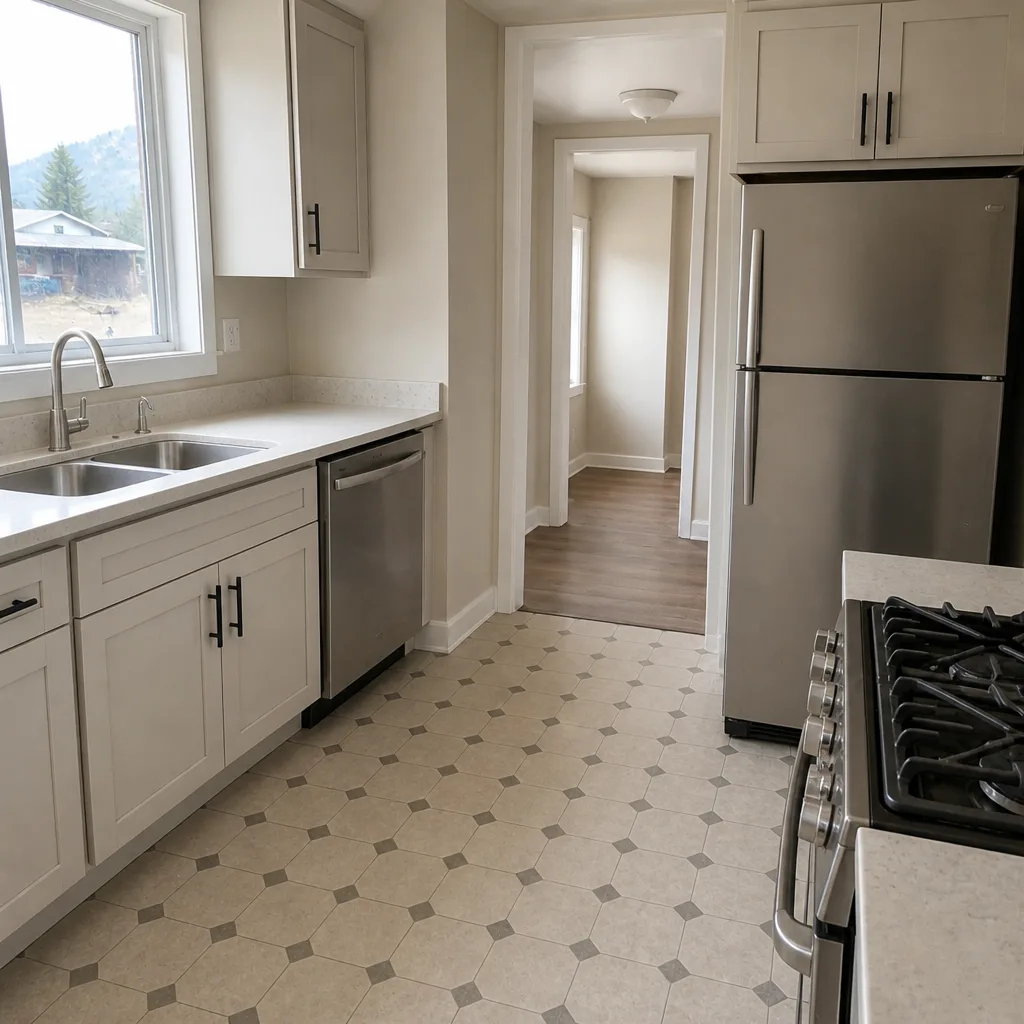 After
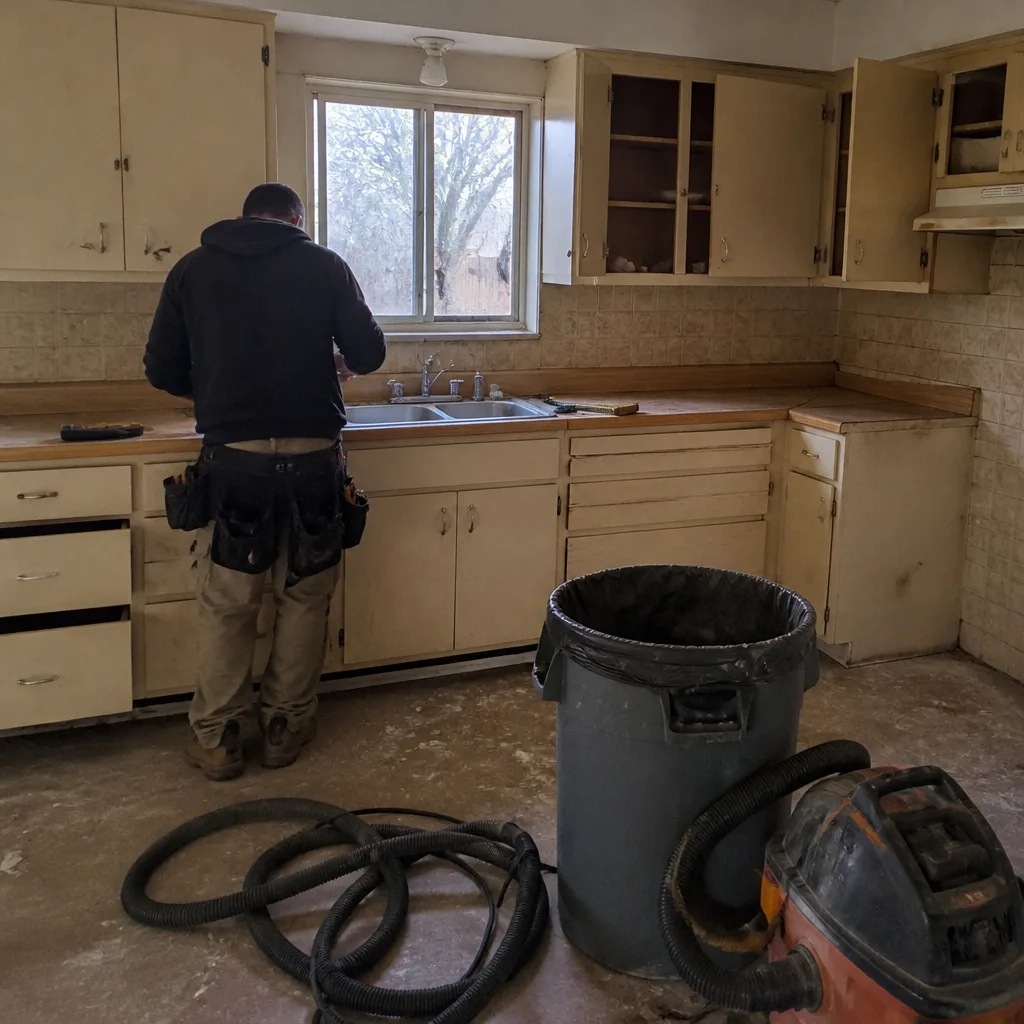 Before
 After
When to Call a Professional
Call a professional immediately when water is actively entering the structure, when your ceiling or a wall is bulging or sagging, when there’s any electrical equipment near standing water, or when the damage touches gas lines or the roof. Those are the genuine “now” emergencies, and no homeowner should handle them personally. Call a professional for an assessment, not a repair, when: the stain keeps reappearing, the musty smell won’t leave, a contractor has stalled or abandoned your job, or the work on your home was never permitted. Each of those is a symptom that needs a written second opinion, and the sooner you get one, the cheaper the fix. Mason Remodeling Enterprise offers free estimates in Enterprise, with a written price before any work starts. Call (844) 797-6157.
Frequently Asked Questions

A true construction emergency is one where delay causes ongoing damage or a safety hazard: active water intrusion, a roof leak during rain, gas or electrical danger, or structural movement. Contractor problems like a stalled job or unpermitted work are also emergencies, but of a different kind; the right response is to stop payment, document the situation, and get a written second opinion. If you’re unsure which category your situation falls into, call (844) 797-6157 and describe what you’re seeing.
Most roof leak repairs in Enterprise run in the several-hundred-dollar range for a focused flashing or shingle repair, and higher when the leak has reached the framing or the ceiling below. The variance comes from how long it’s been leaking and whether moisture is trapped inside the wall. A written price before work starts is the only reliable number you’ll get, and it should itemize the repair scope. Call (844) 797-6157 for a free estimate.
It shouldn’t. A written price with a defined scope means the number you agree to is the number you pay. Changes happen only when the scope changes, and those changes should come as a written change order you approve before the work is done, not as a surprise on the final invoice. Our written price is delivered before any work begins, on every project, and it isn’t optional or an upgrade. Call (844) 797-6157 to get one for your repair.
Yes, for any work that requires them. Structural repairs, electrical, plumbing, and major remodels in Enterprise all need permits, and the permit and final inspection are part of the job record. Never accept a contractor who wants to skip the permit to save time. The permit is your protection when you sell. Call (844) 797-6157 to ask what permits your specific job will need.
Stop paying immediately, gather every document, contract, photo, and message, and photograph the current state of the work, then get a written second opinion on the scope and cost to finish. Do not hire the next contractor until you know what’s actually left to do. A licensed professional can assess the situation and give you a written price to complete it. Call (844) 797-6157 for a free estimate on finishing an abandoned job in Enterprise.
Containment and drying happen in the first 48 hours, but the repair timeline depends on scope, materials, and permitting, not on the calendar date. A flashing repair can be a day; a roof section replacement or a water-damaged interior can run longer. What matters is that you get a written scope and timeline before work starts so there are no surprises. Call (844) 797-6157 for an honest assessment of your timeline.
The Bottom Line
Construction emergencies in Enterprise are rarely sudden. They’re the visible part of a problem that’s been building for months or years. The homeowners who come through them well are the ones who did two things in advance: they knew where their shutoffs were, and they insisted on a written price and a written guarantee before any work started. Weather you can’t control. The paper trail and the crew you hire, you can. If you’re facing a construction problem now, or you want a pro to look before it becomes one, Mason Remodeling Enterprise offers free estimates with a written price before any work begins. Call (844) 797-6157 to schedule yours.
Written by the team at Mason Remodeling Enterprise.