

Free written scope consultation - allowances, timeline, and change-order rules on paper before a single trade is scheduled
Styles & brands we work with
- Kitchen remodeling
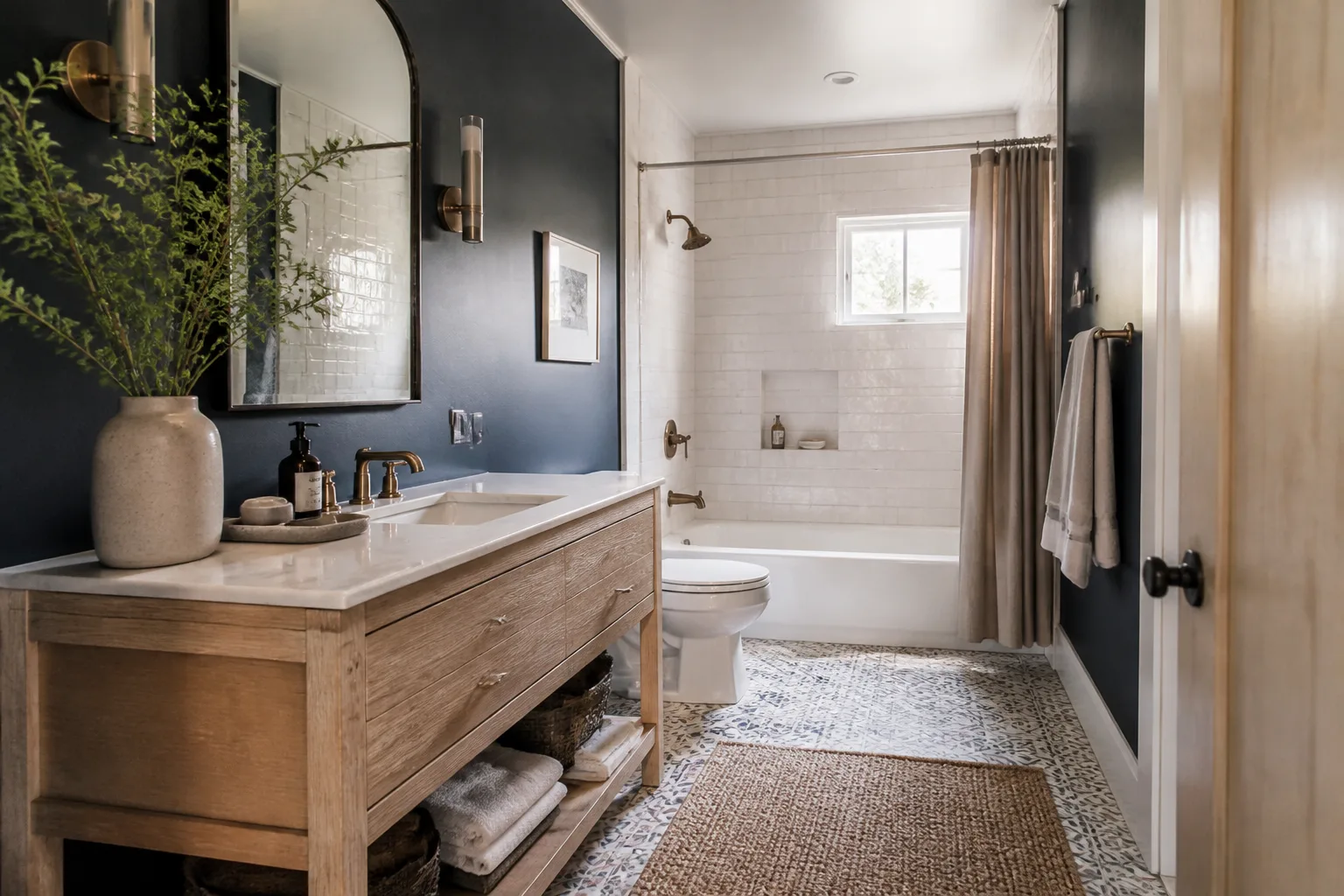
- Bathroom remodeling
- Home additions & ADU
- Roofing
- Windows & doors
- Driveway & pavers
- Fence
See the difference
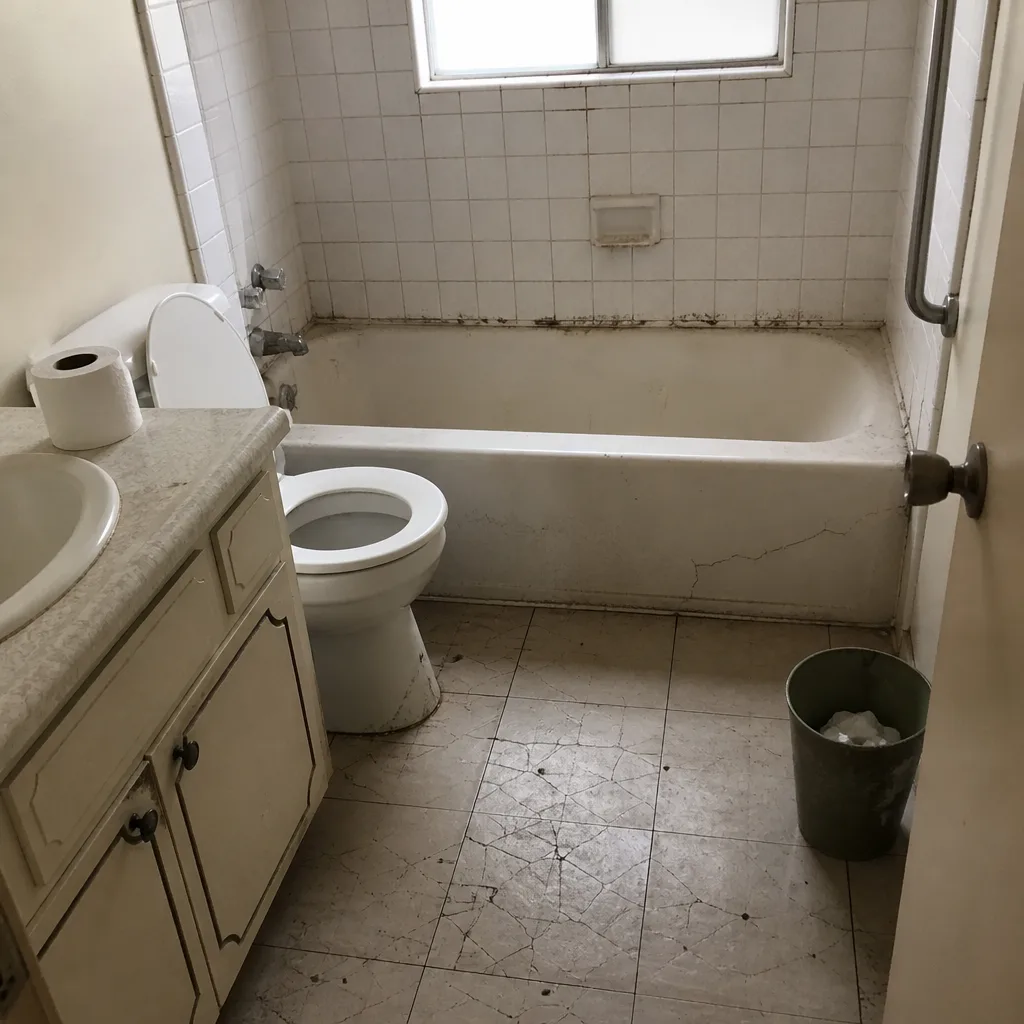 Before
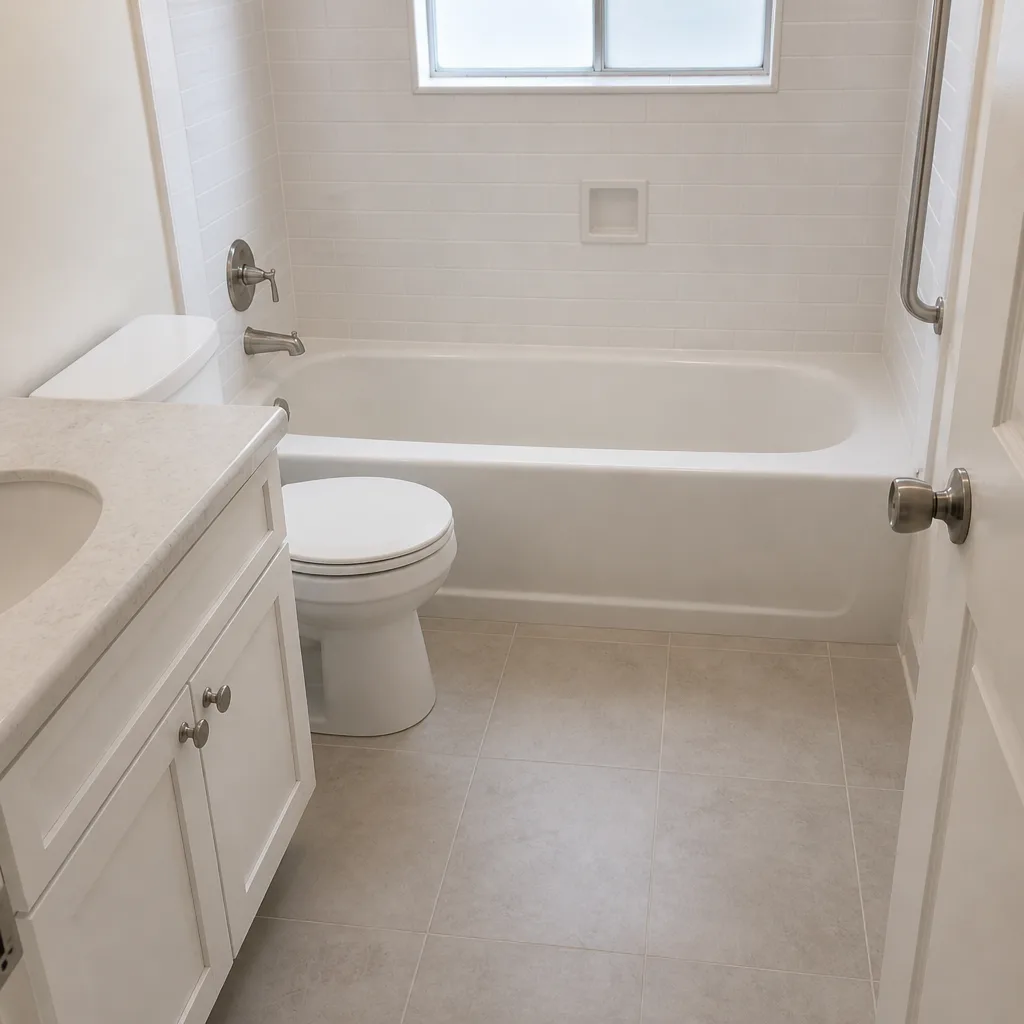 After
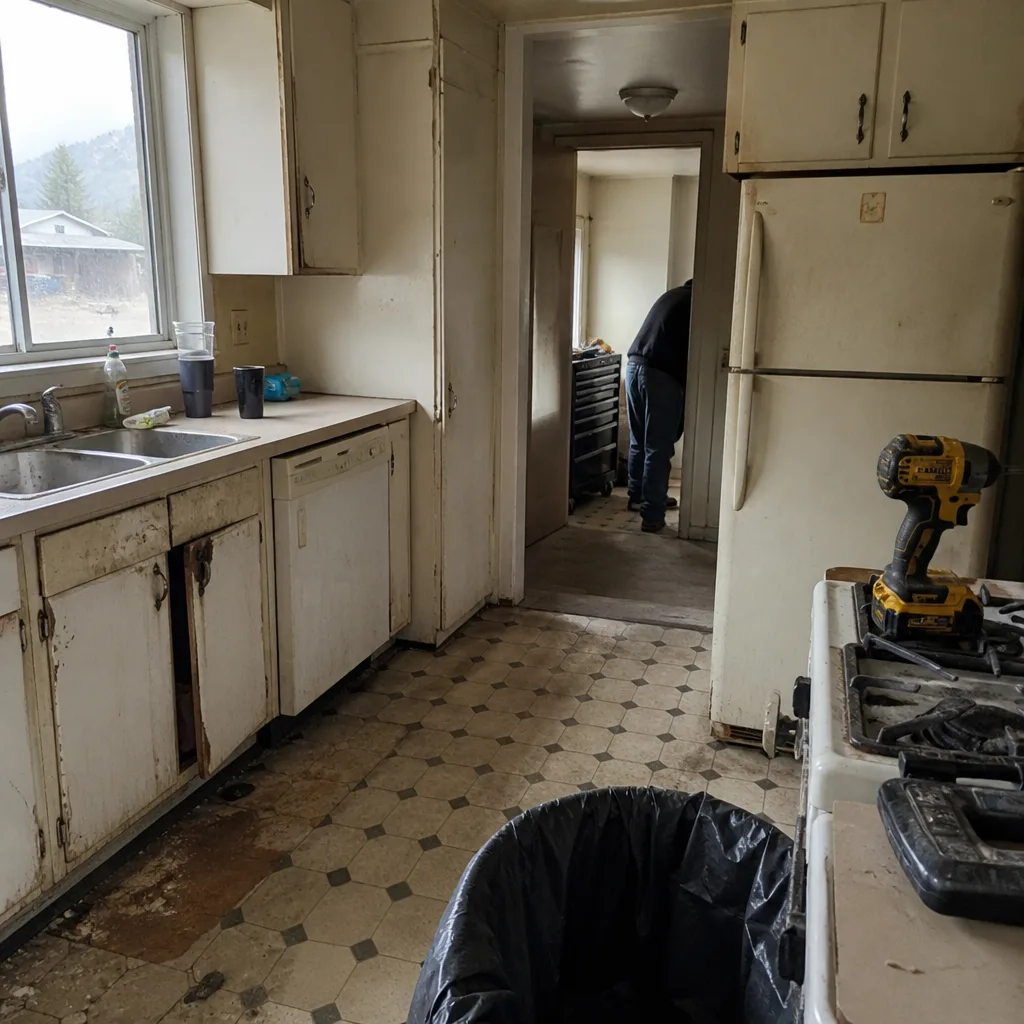 Before
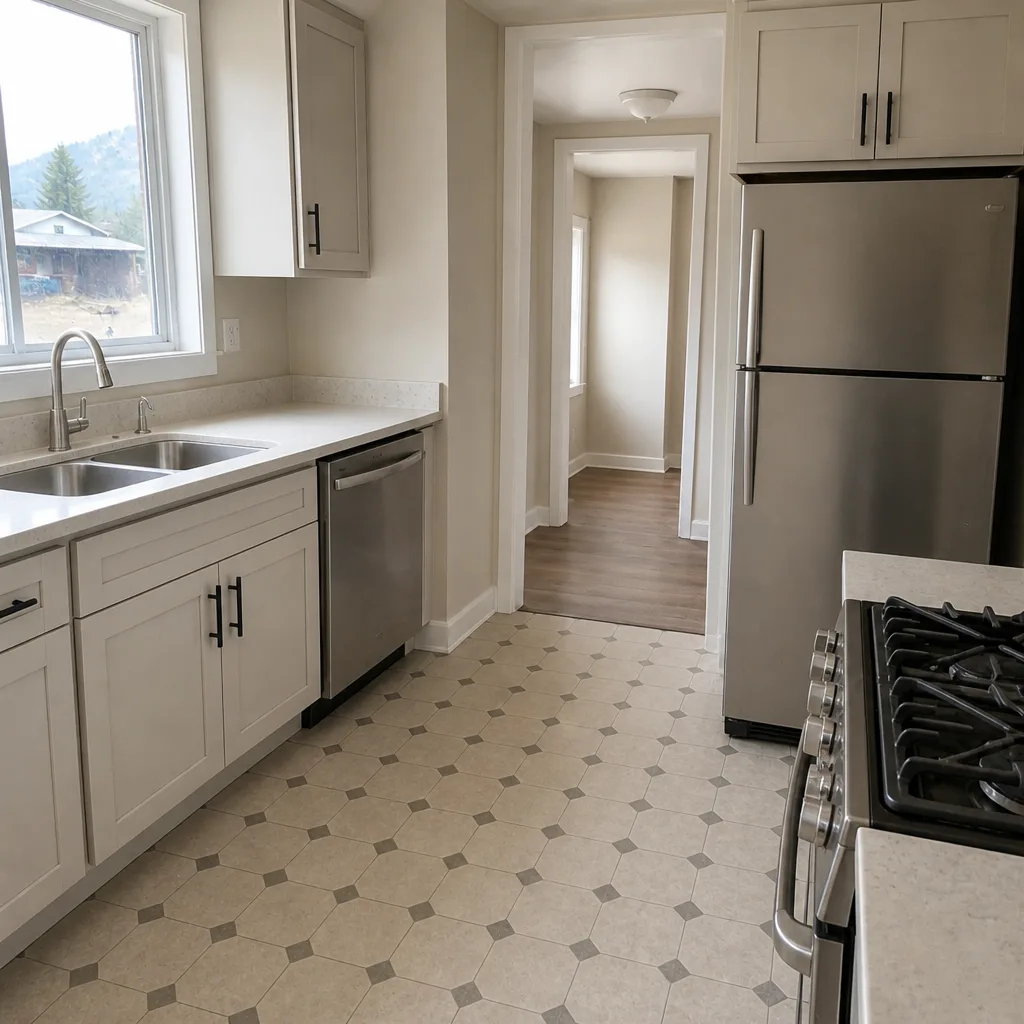 After
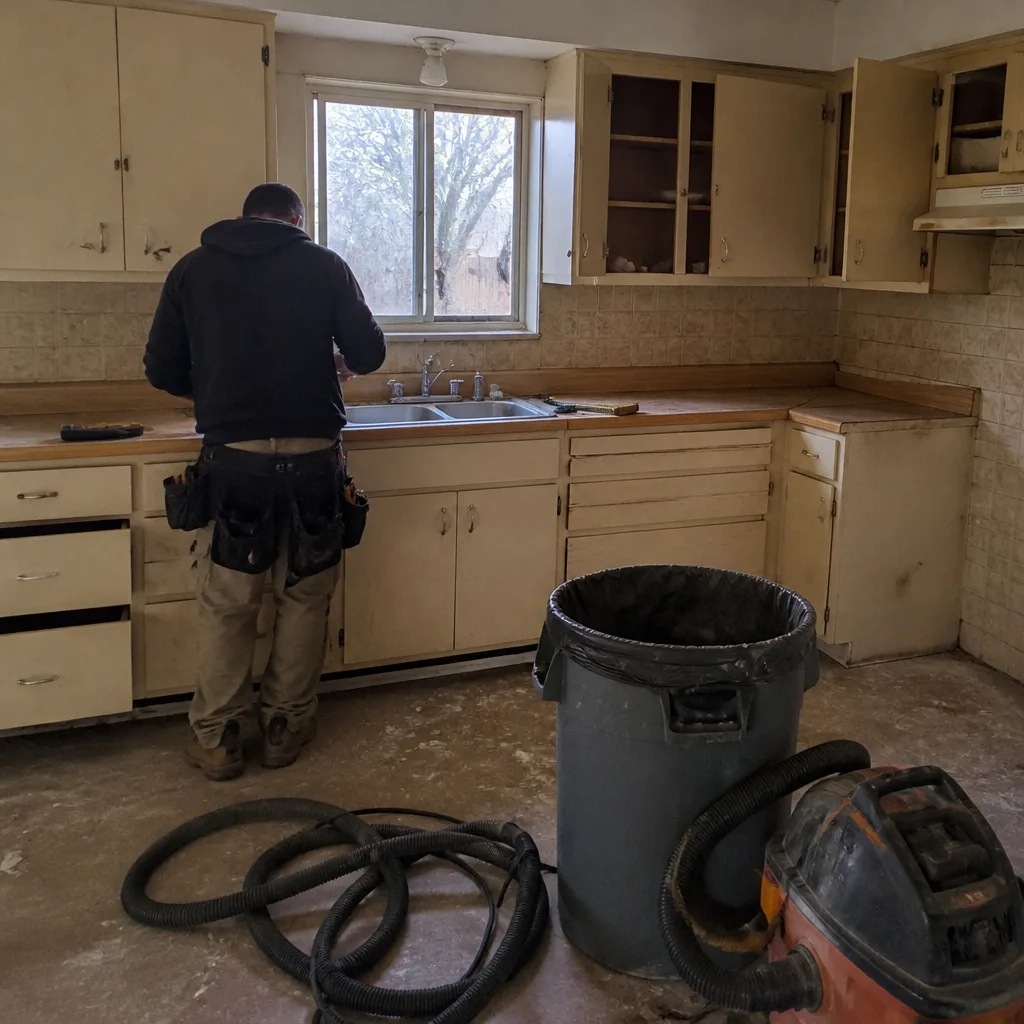 Before
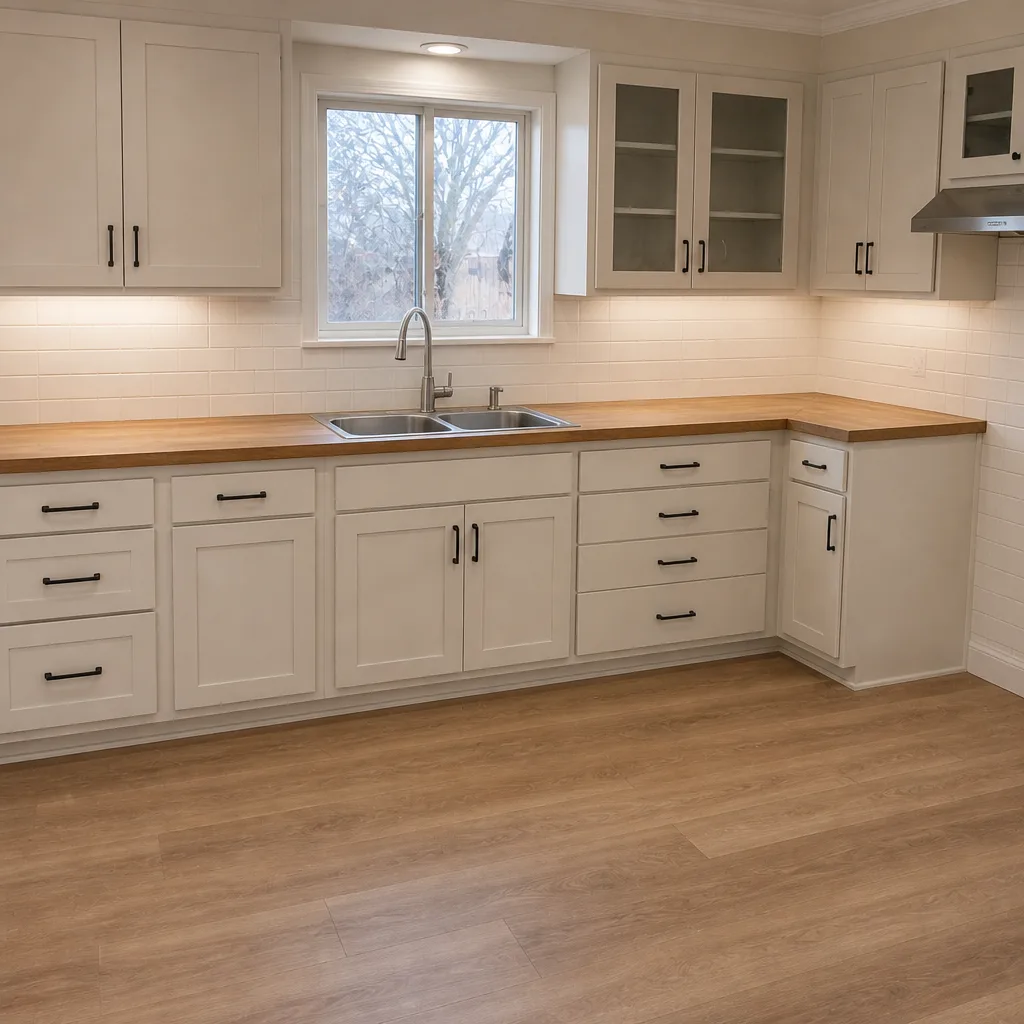 After
Home Addition vs ADU in Enterprise, NV: Which One Actually Fits Your Lot?
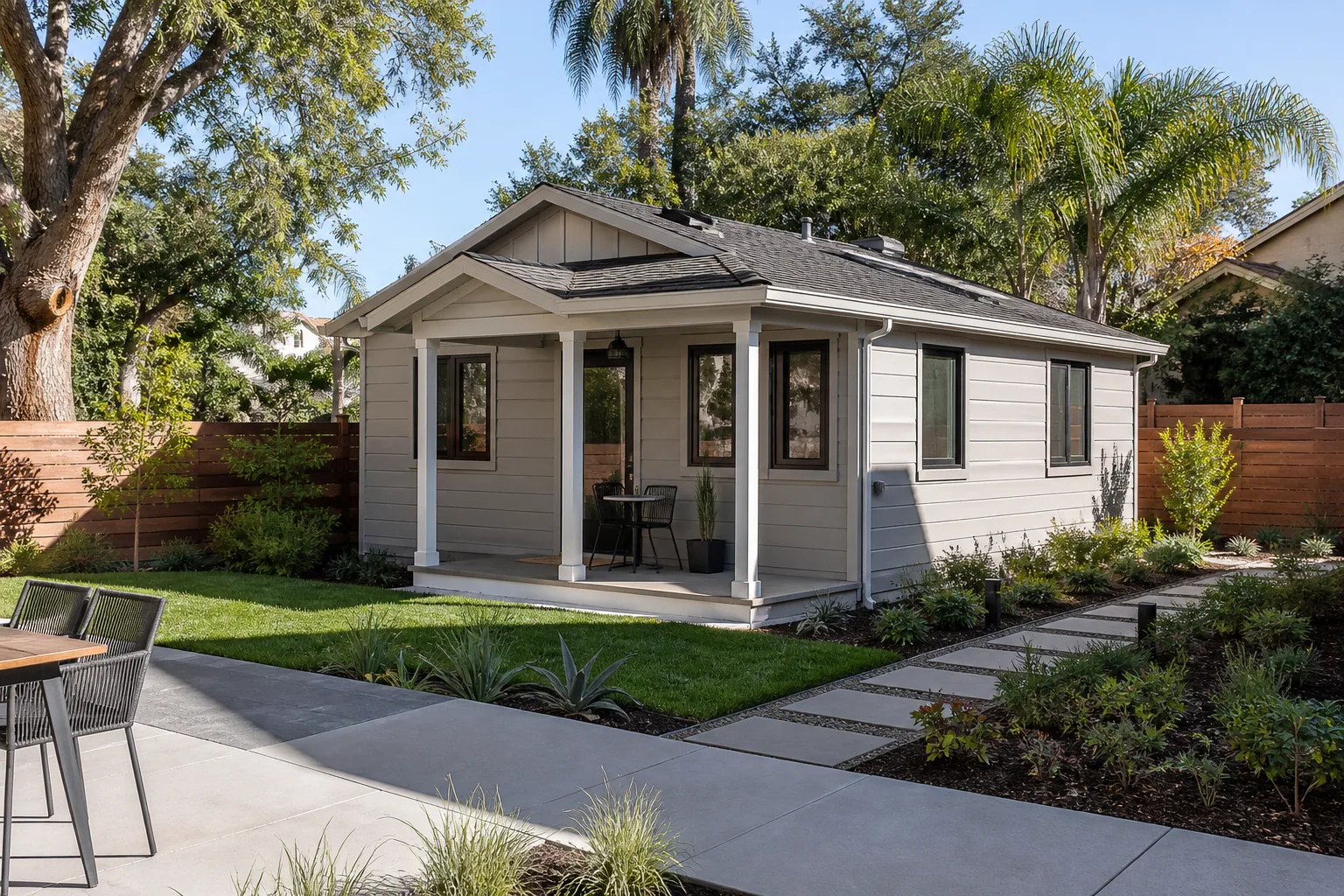
Choose a home addition unless you need a fully independent living unit with its own address and meter. In Enterprise, the addition almost always wins on cost and speed because it shares your existing foundation and electrical service. A detached ADU on the same lot starts at roughly $90,000-$220,000 before you’ve dug a single footing, while a home addition runs $45,000-$130,000. That’s the bottom line. The rest of this page is the honest reasoning behind it, specific to Enterprise lots. Call (844) 797-6157 for a free side-by-side estimate.
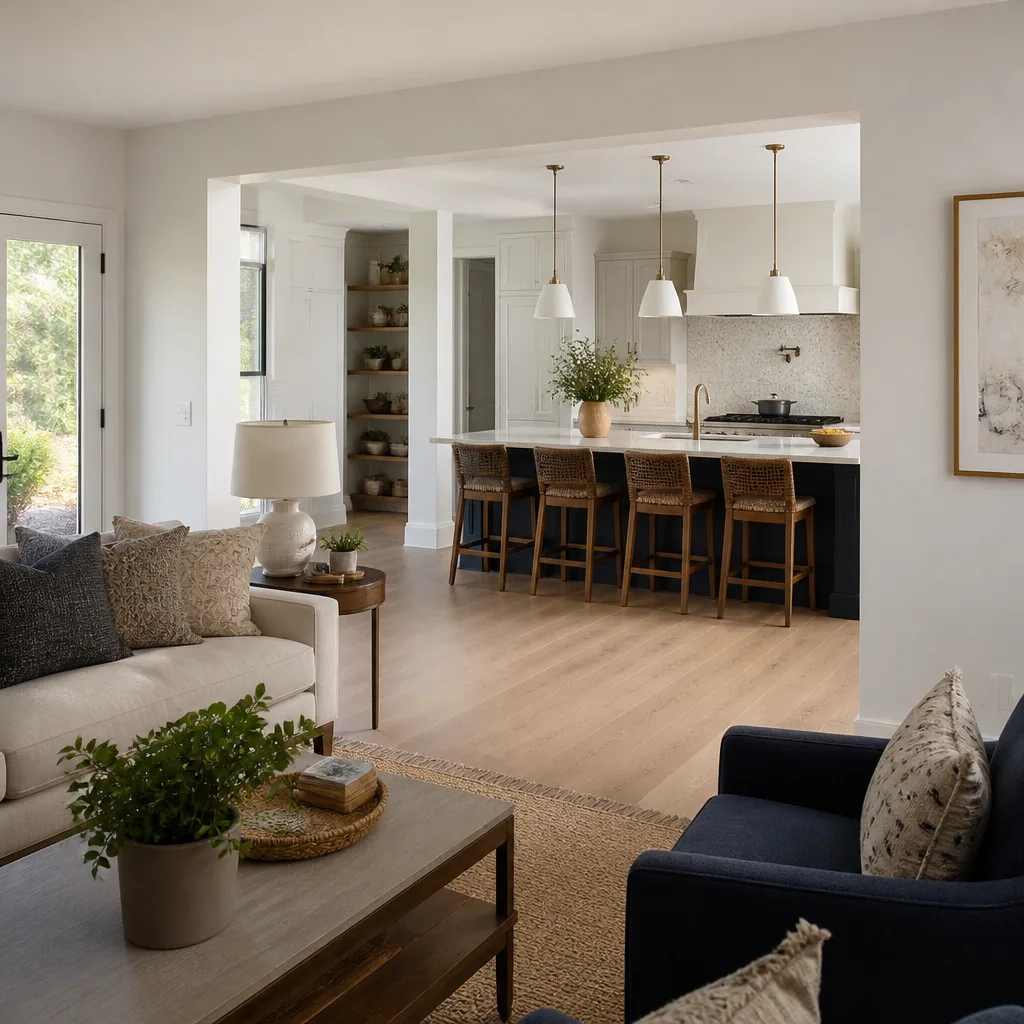
Why this is a site question, not a design question
Most guides treat “addition or ADU?” as a floor plan debate. On an Enterprise lot, the deciding factor usually shows up before any wall is framed. It’s the ground. Enterprise was built out from the late 1980s through the 2000s as a master-planned bedroom community of Las Vegas, and the rear yards behind those tract homes are often the only ground on the property that has never been disturbed. That matters because of caliche – the dense, cement-like layer that sits under much of this part of the valley.
A home addition ties into your existing foundation system. The excavation crew works in ground that was already cut, compacted and engineered when the house went up. A detached ADU needs a brand-new slab on ground in the rear yard, and if that undisturbed soil is caliche, you’re pre-drilling or chemically treating it before concrete goes down. Local contractors budget for that routinely, and inspectors here expect to see it addressed in the grading plan. It typically adds $1,500-$4,500 to the project before the first pour.
The cost gap, line by line
Here’s where the two paths separate in real dollars on a typical Enterprise lot. These are the Enterprise market ranges we work from, not national averages.
| Cost line | Home addition | Detached ADU |
|---|---|---|
| Base construction | $45,000-$130,000 | $90,000-$220,000 |
| Caliche remediation / pre-drill | Usually not needed (existing foundation) | $1,500-$4,500 on undisturbed rear yard |
| Utility service | Draws from existing panel | Separate meter run: $8,000-$18,000 depending on distance to street |
| Permit path | Clark County residential alteration | Alteration plus possible site plan review and owner-occupancy certification |
| Front-end timeline | Standard alteration review | Adds roughly 3-6 weeks |
The utility number surprises people. Clark County requires a separate meter run for a detached ADU intended for independent occupancy. That’s a trench, conduit, meter can and inspection on top of everything else, and the price scales with how far your rear yard sits from the street. A home addition pulls from the existing service panel, so that line disappears entirely.
Want the full picture on how we scope additions and ADUs under one roof? Our home remodeling services page lays out the trades involved. For local project context, the Enterprise service area page covers how we work across the valley.

Where the resale math changes
An addition and an ADU don’t appraise the same way, and that drives the decision for a lot of homeowners. A home addition increases your assessed square footage and appraises as part of the main house. An ADU gets appraised separately, and its value depends on rental income comparables in the Southwest Las Vegas market rather than on the main home’s per-square-foot value.
Neither path is wrong. The financial logic depends entirely on how you plan to use the space:
- Adding a primary suite, a larger kitchen, or a family room for your own household? The addition is the cleaner move. It builds value into the main home’s footprint and avoids the utility and site costs of a detached structure.
- Housing a parent, adult child, or long-term renter who needs their own entrance and address? An ADU earns its keep through independence, and the separate meter matters for splitting utilities fairly.
- Converting an existing garage instead of building new? A garage conversion at $30,000-$80,000 often beats both. It sidesteps the caliche question entirely because the slab already exists. Ask us to price that option alongside the other two.
Timeline: what actually gets built, and when
A home addition goes through Clark County Building as a residential alteration. That’s the familiar path, and review tends to move predictably. An ADU in unincorporated Enterprise can trigger a site plan review for lot coverage and an owner-occupancy certification on top of the standard alteration review. That adds roughly three to six weeks to the front end before a shovel touches the ground.
There’s a seasonal wrinkle specific to this valley, too. Summer highs routinely push past 105°F, so concrete pours and stucco work get scheduled for early mornings, and cure times shift with the heat and the very low humidity. Thermal cycling rather than moisture is what stresses exterior materials here – which is why we spec finish-grade doors and windows from names like Therma-Tru and Mr-Glass when the addition or ADU envelope is part of the scope. The point is simple: the schedule you get in June is not the schedule you get in January, and a builder who plans concrete and stucco around the heat saves you surprises.
How Mason Remodeling Enterprise handles the comparison
We don’t ask you to pick a path and then price it. We deliver a written side-by-side cost comparison – addition versus ADU – that includes caliche remediation estimates, utility connection allowances and permit fees, so you decide on real numbers. Our technicians have up to 22 years of experience, and every project is scoped and quoted in writing before any work starts.
Two things we hold to on every job like this:
- Written price before any work begins. It’s standard on every project, never an upgrade or a favor. No verbal estimates that grow on the final bill.
- The 365-Day Done Right Promise. If the work isn’t right within 365 days of completion, we make it right at no cost to you. Coverage terms are stated plainly in writing, including what’s covered, what’s excluded and for how long.
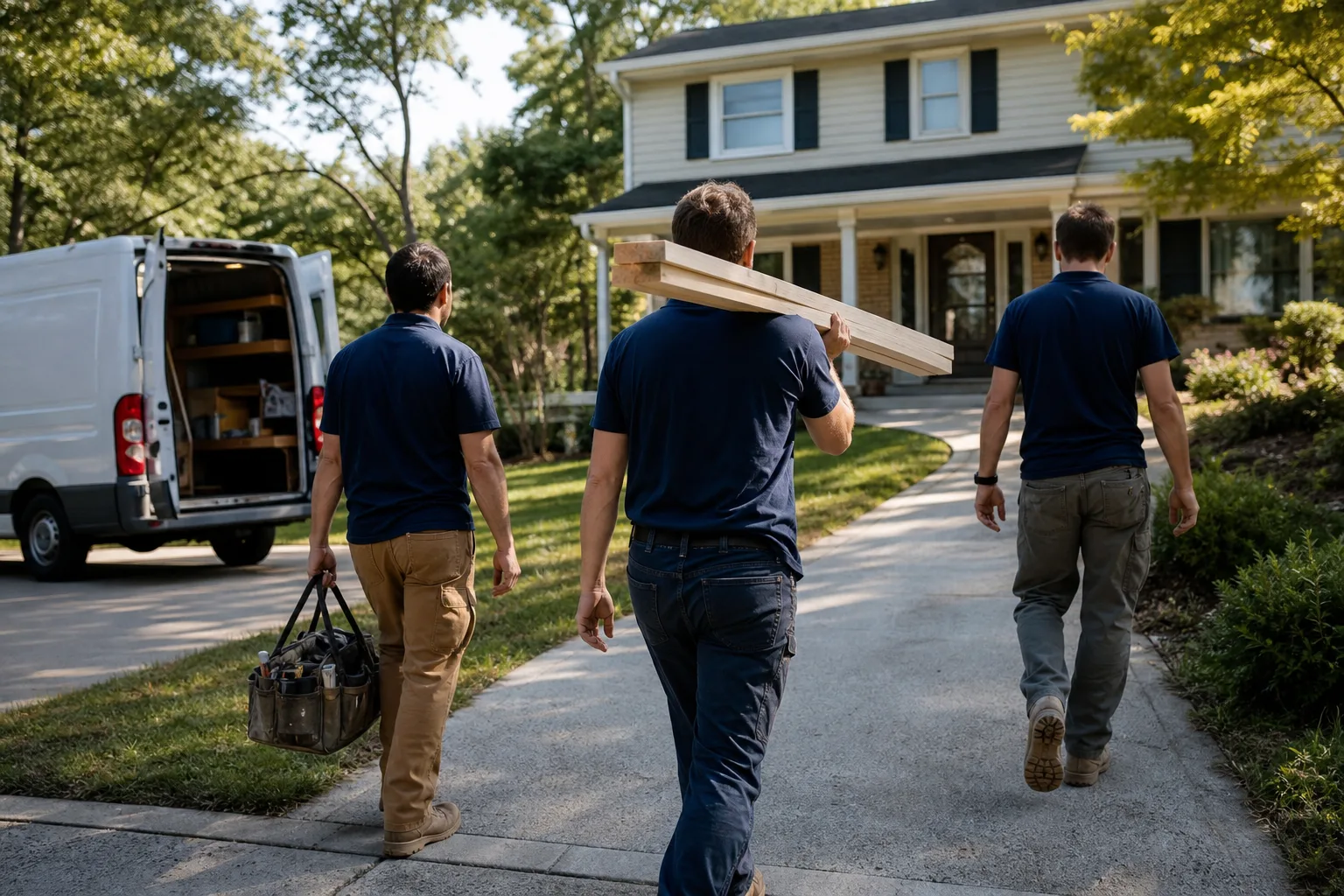
The Threshold Standard applies across our crews: every technician is background-checked and identity-verified, arrives in a clean marked uniform, shows a photo ID badge at the door, and you receive their name and photo before the visit. A live person answers our phones around the clock, every day of the year, including weekends and holidays. If a repair or installation ever fails, we return for a free second visit – no charge, no dispute process, no conditions.
Common Enterprise scenarios we run into
These come up often enough that they’re worth naming:
- A 1990s two-story tract home with a wide rear yard. The homeowner wants a downstairs suite for aging parents and assumes an ADU is the only option. A single-story addition off the back often costs less and dodges the caliche question altogether.
- A property with an underused garage. The homeowner priced a detached ADU at the top of the range and didn’t realize a garage conversion at $30,000-$80,000 could deliver the same separation of space on an existing slab.
- An infill lot near the Blue Diamond corridor. Here the rear yard is the only undeveloped ground, and a slab on ground for a detached unit is where the caliche remediation lands hardest. We quote that line explicitly so it doesn’t surface mid-project.
- A homeowner planning to rent. They need the separate meter and owner-occupancy certification accounted for in the budget from day one, not discovered at permit review.
FAQs
A home addition in Enterprise runs $45,000-$130,000, while a detached ADU runs $90,000-$220,000 before caliche remediation and separate utility connection. The ADU’s higher range reflects a new slab on ground, a separate meter run of $8,000-$18,000 depending on distance to the street, and additional permit review. Call (844) 797-6157 for a written side-by-side estimate – it’s free and it itemizes both paths.
A garage conversion is usually the cheapest of the three options, typically $30,000-$80,000, because the slab and structure already exist and there’s no caliche to address. It works well when you need separation of space rather than a fully independent address. We price all three paths side by side so you can see the gap in real numbers. Call (844) 797-6157 to start.
Yes, Clark County requires a separate meter run for a detached ADU intended for independent occupancy, and that typically costs $8,000-$18,000 depending on how far the structure sits from the street. A home addition doesn’t need this because it draws from your existing service panel. Factor that line into the budget from the start rather than discovering it at permit review. Call (844) 797-6157 and we’ll include a utility connection allowance in your written comparison.
A home addition permit goes through Clark County Building as a residential alteration on the more predictable path. An ADU in unincorporated Enterprise can also require a site plan review for lot coverage and an owner-occupancy certification, adding roughly 3-6 weeks to the front end. Call (844) 797-6157 and we’ll map the review path for your specific lot before you commit.
If you’d rather have your lot looked at than read more comparison charts, Mason Remodeling Enterprise offers a no-pressure assessment in Enterprise – we’ll check the ground, price both paths in writing, and let you decide. Call (844) 797-6157 for a free estimate.
Written by the team at Mason Remodeling Enterprise, serving Enterprise, NV.