


Free written scope consultation - allowances, timeline, and change-order rules on paper before a single trade is scheduled
CWS Roofing: The Enterprise Owner’s Guide
If your CWS roof or roofing system needs parts, an independent contractor can supply and install CWS-compatible roofing in Enterprise, with a full roof replacement typically running $8,000 – $20,000 and most repair-level work landing between $400 and $1,800. The catch is that no one simply swaps a “CWS part” – roofing components have to match your actual roof assembly, and that’s where most owners get stuck. To be clear, Mason Remodeling Enterprise is an independent service provider and is not affiliated with CWS.
Owners usually discover the problem the same way. A ceiling stain appears after a windy spring, a shingle tab turns up in the yard, or a roofer doing an unrelated inspection says the flashing or underlayment around a specific penetration is finished. In Enterprise, that call tends to come after a run of dry, windy weeks followed by one hard rain, when a small gap that held all winter finally lets water through.
Key takeaways
- CWS roofing components are matched by assembly, not by a single model number, so identify the whole system before ordering.
- Typical installed range in Enterprise: $400 – $1,800 for repair-level work, $8,000 – $20,000 for full replacement.
- Roof work means height and fall risk – get the inspection done, but leave the climbing to a trained crew.
- You get a written price before any work starts, and the work itself is covered by a 365-day guarantee.
Which CWS Models This Applies To

Unlike a garage door opener or a faucet cartridge, roofing doesn’t live or die by a single model number. CWS roofing assemblies are identified by what they actually are: the shingle or panel profile, the underlayment spec, and the accessory parts – ridge caps, starter strip, valley flashing, pipe boots, and edge metal. Two homes a street apart in Enterprise can carry the same brand name and need completely different parts.
So before you order anything, collect three things. First, the profile and color of the existing shingle or panel – pull one loose tab from a valley or the eave and photograph it face-up and from the side. Second, the exposure measurement: the visible height of a shingle course, usually between 5 and 8 inches depending on the product line. Third, whatever the label inside the attic says – many assemblies have a manufacturer stamp on the underside of the deck or a tag stapled near the access hatch. Those three facts let us match the right ridge cap, starter strip, and flashing the first time instead of the second.
Then comes the OEM-versus-aftermarket call. For roofing, the honest answer is that quality aftermarket accessories from established brands (GAF, CertainTeed, and Owens Corning all make compatible profiles) usually perform identically to OEM, often at a lower price. The part that should match the original brand most closely isn’t the accessories – it’s the field shingle itself, because color and profile have to run together across the slope. Where to spend the extra money depends on what’s actually failing, and that’s the kind of thing a quick look on site settles faster than a phone guess. If your project also touches kitchens or bath vanities, we handle KraftMaid, Cambria, and Silestone work the same way: written spec first, no browser archaeology.
Styles & brands we work with
- Kitchen remodeling
- Bathroom remodeling
- Home additions & ADU
- Roofing
- Windows & doors
- Driveway & pavers
- Fence
Signs Your CWS Roofing Is Failing
- Ceiling stains that grow after rain. Water is getting past the underlayment or flashing above that spot – the stain is the symptom, the entry point is usually a foot or two uphill and easy to miss from the ground.
- Shingle tabs curling or breaking in wind. Heat and sun make asphalt brittle over time, and once tabs start lifting, the next windy week in Enterprise takes them. Edges that crack instead of flexing are the tell.
- Granules in the gutters and at the downspout mouths. Those granules are the weathering layer of the shingle wearing off. Heavy granule loss on a slope that gets full afternoon sun is the earliest sign the roof is nearing the end of its life, well before it leaks.
- Rusted or lifted flashing at penetrations. Pipe boots and chimney flashing seal a hole in the roof, and their sealant cracks. When the flashing pulls away from the pipe or the shingle around it lifts, water pools and works in.
- Soft spots or daylight in the attic. Decking that gives when you press it, or light showing between boards, means water has already been in the assembly. That’s the one symptom that pushes a repair up toward replacement territory.
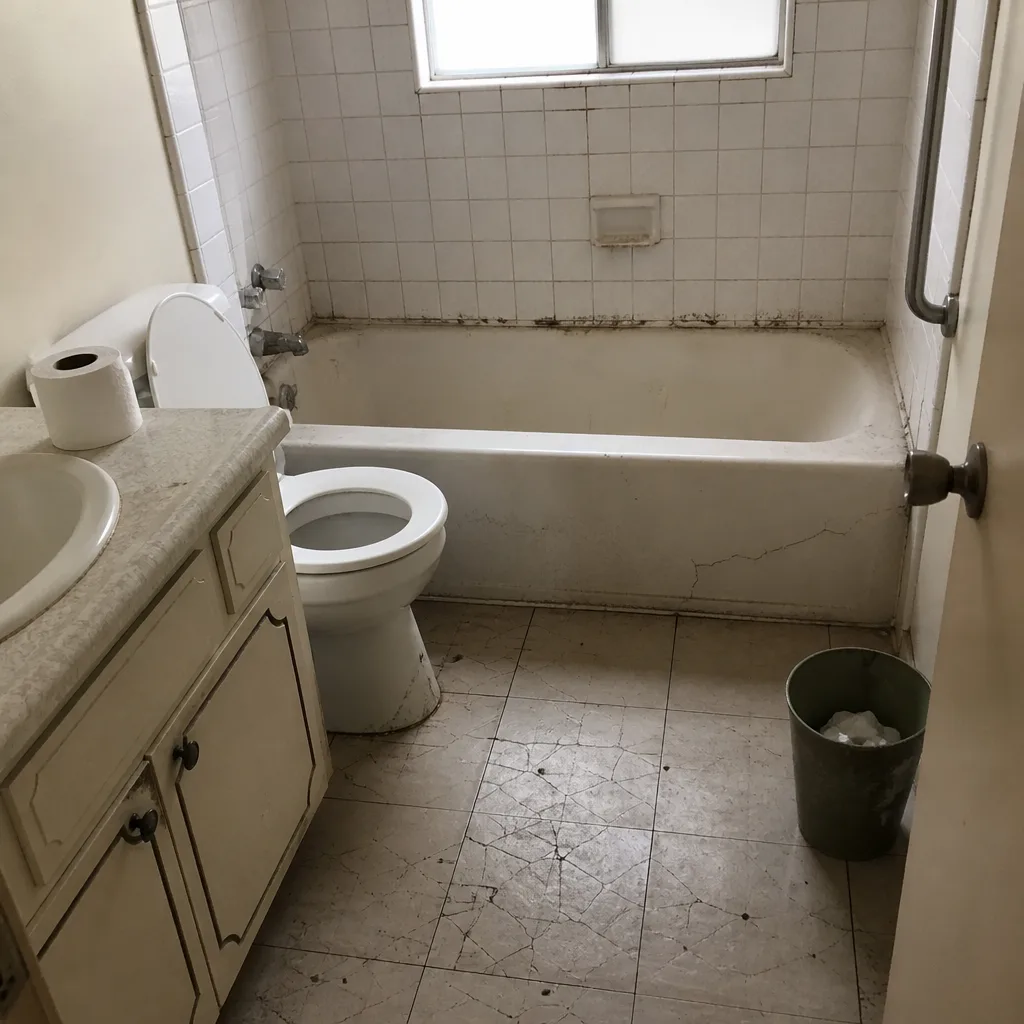
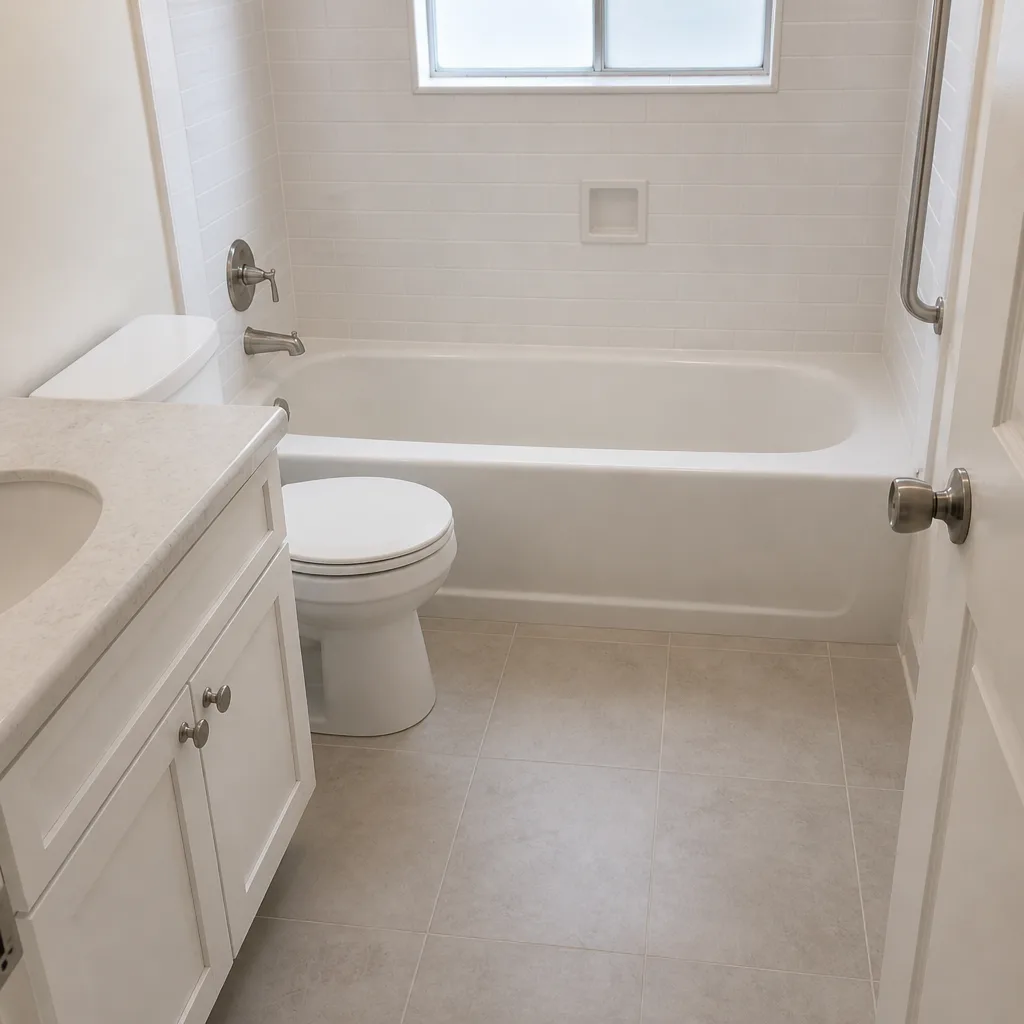
See the difference
 Before
 After
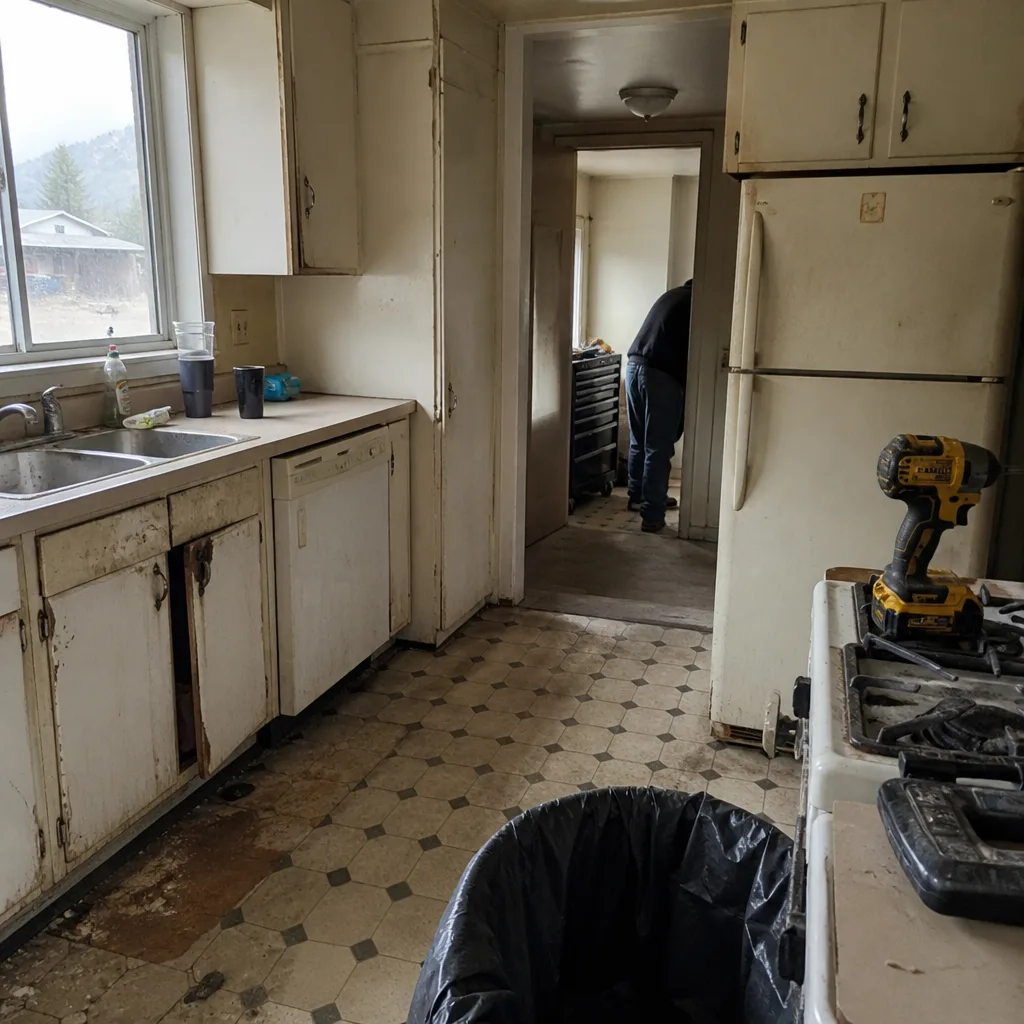 Before
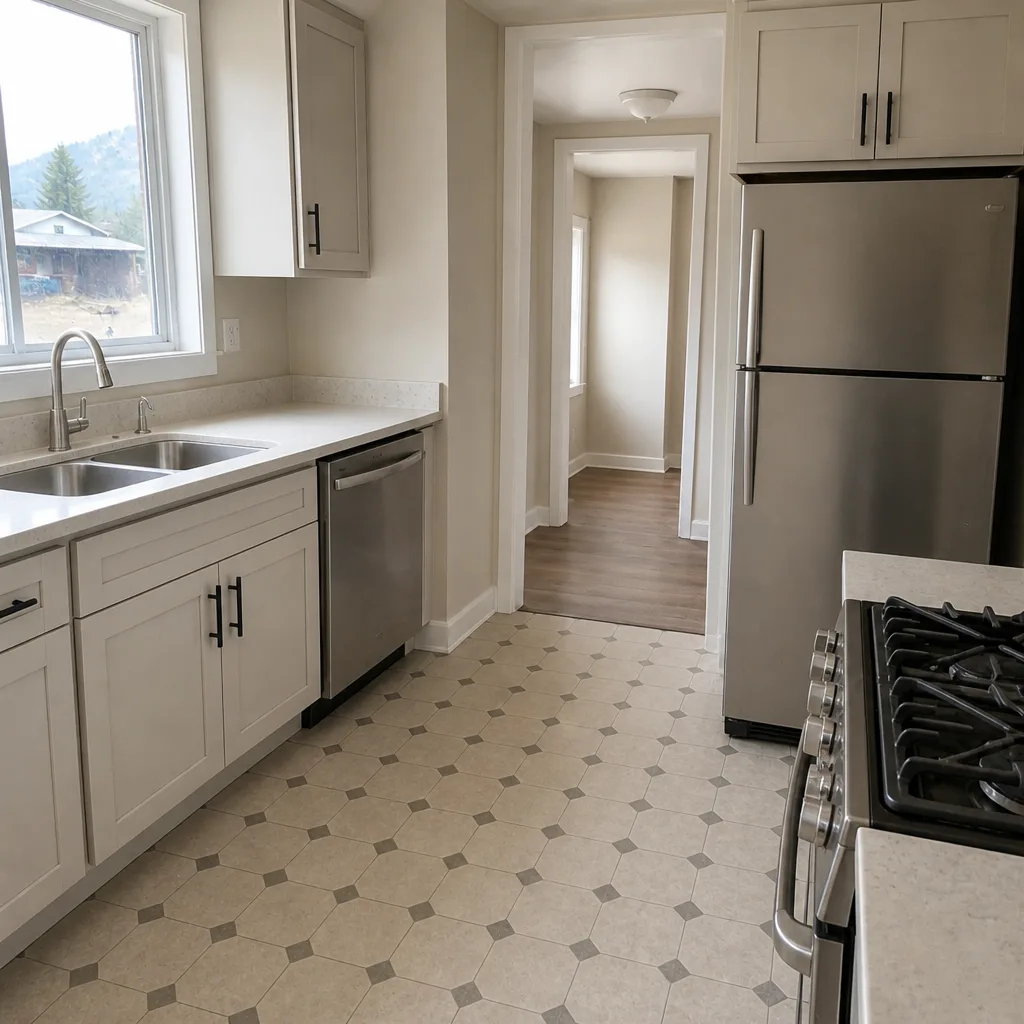 After
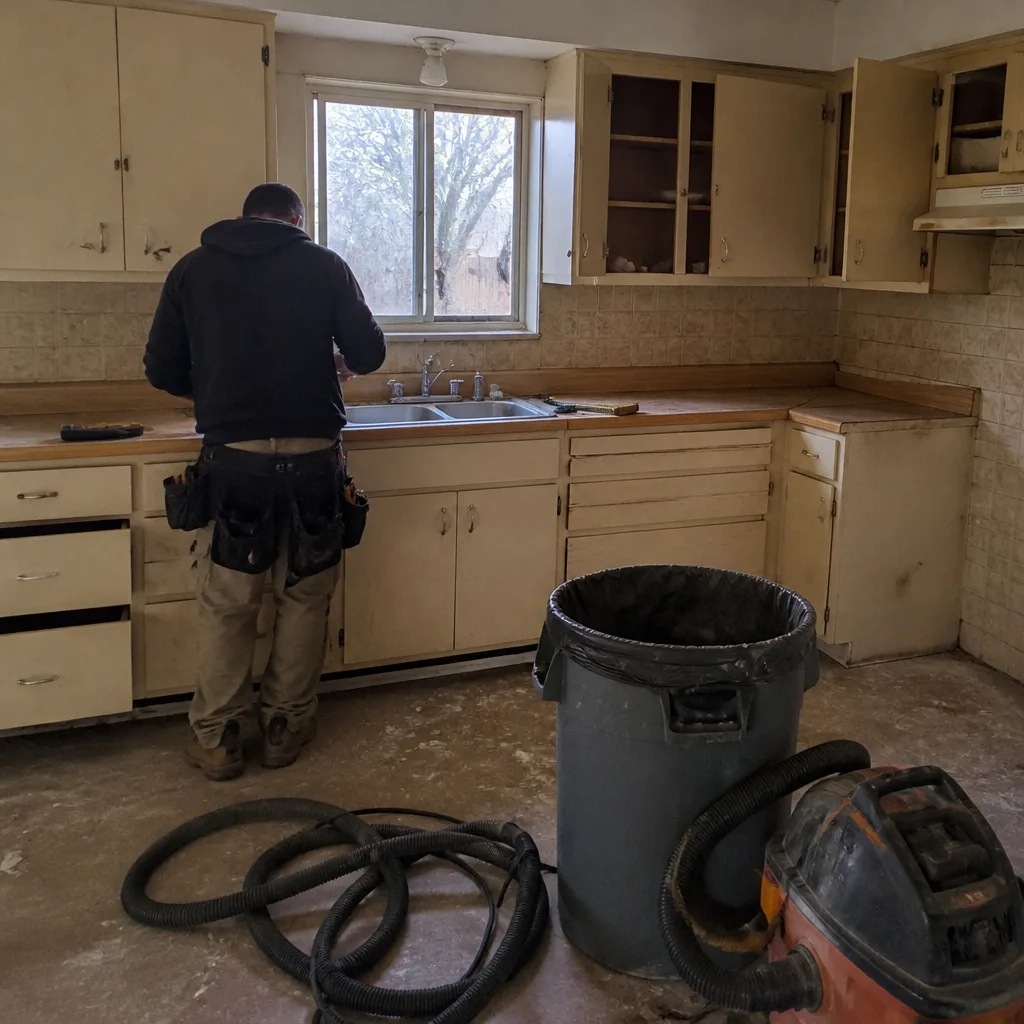 Before
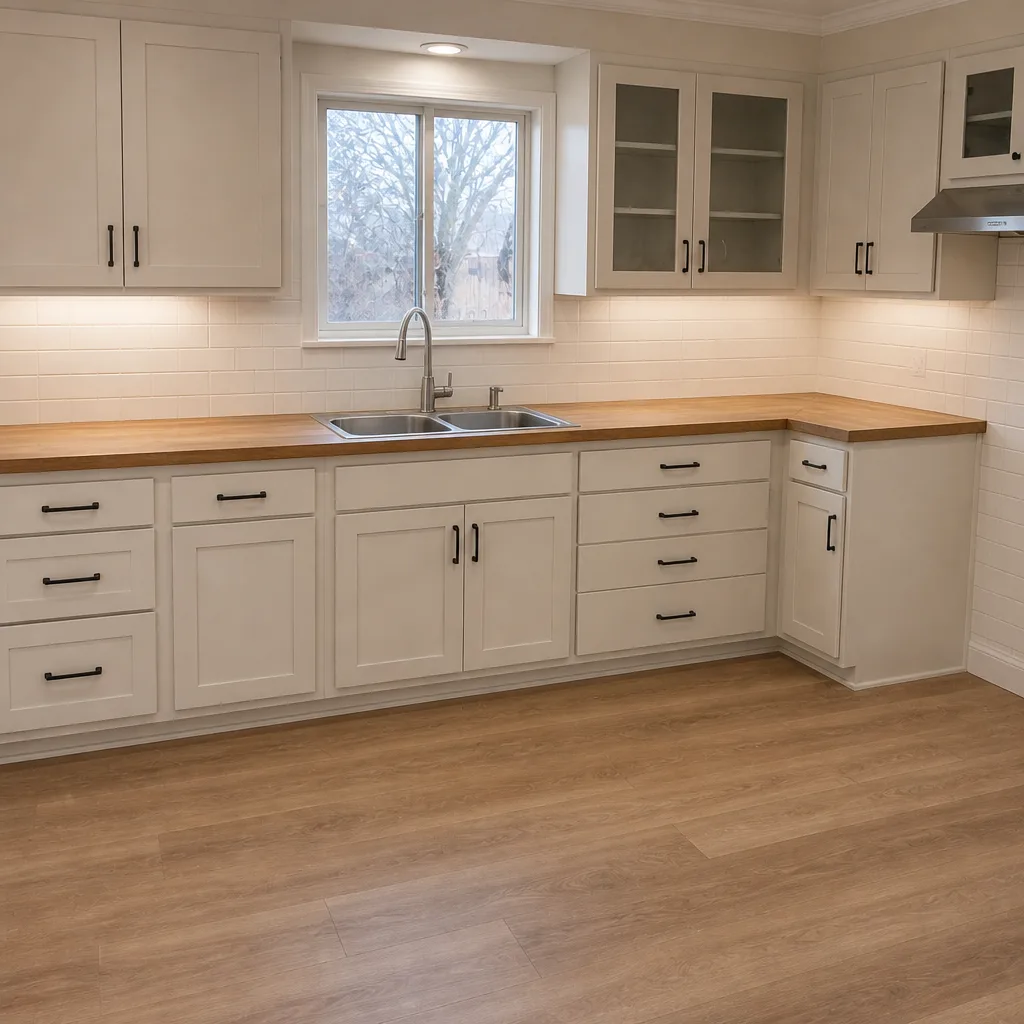 After
Replacement Cost & What’s Included
In Enterprise, repair-level CWS roofing work generally runs $400 – $1,800, and a full roof replacement runs $8,000 – $20,000. The range is driven by square footage, pitch, how many layers you’re removing, and how many penetrations the roof has to seal. A flat, simple slope costs less per square than a steep one with three valleys and a chimney.
Here’s what those figures cover, line by line: removal and disposal of the old material, the field shingle or panel, underlayment, all accessories (ridge caps, starter strip, edge metal, boots, and flashing), labor, and final cleanup. We put it in writing. A written price on every project, before any work starts – no verbal estimates that grow on the final bill. Roofing parts aren’t carried on any truck; they’re ordered to your spec, which is why the identification step above matters so much.
Typical Enterprise pricing at a glance
- Roof repair (flashing, pipe boots, local shingle work): $400 – $1,800
- Full roof replacement: $8,000 – $20,000
- Metal roof installation, if you’re considering upgrading rather than replacing: $15,000 – $40,000
- Tile roof repair, if your assembly is tile rather than asphalt: $600 – $2,500
Every roofing project we do carries a written guarantee: 365 days from the completion date, with the terms spelled out – what’s covered, what isn’t, and for how long. If something we installed fails within that year, we come back at no cost. No dispute process, no conditions.
DIY or Call Us?
There’s a short list of things you can do yourself safely from the ground. Look at the roof with binoculars from the yard. Check the gutters for granules. Go into the attic after the rain and look for water trails and daylight. Photograph the label you find and note the shingle exposure. That’s a genuinely useful 20 minutes, and it makes any estimate faster.
What we won’t suggest is climbing up there to swap flashing, seal a boot, or patch a valley. Roofing is height work, and a fall from a single-story eave is a serious injury; from two stories it’s life-changing. Hot asphalt sealant and cut shingles also fail in ways that leak again in six months, usually somewhere you can’t see from the ground. Our technicians have up to 22 years of experience, and they work with fall protection, the right sealants, and the right materials for the job. You get the inspection, they take the ladder.
Call (844) 797-6157 to schedule your free estimate. A live person answers every call, every day, including weekends and holidays. And before anyone comes out, you’ll get their name and photo – The Threshold Standard means each technician is background-checked, identity-verified, and shows a photo ID badge at the door.
FAQs
An asphalt shingle assembly here typically holds up 18 to 25 years, with the sun-facing slopes going first. Enterprise’s dry, sunny climate is hard on asphalt – the heat cycling and UV exposure age shingles faster than a wetter climate would, so granule loss often shows up years before a leak does. If your roof is in that age window and showing symptoms, call (844) 797-6157 for a free inspection and an honest answer on repair versus replace.
Often, yes. A failed pipe boot, lifted flashing, or a few broken tabs can usually be repaired for a few hundred dollars, well within the $400 – $1,800 range. Replacement territory starts when the decking is soft, granule loss is widespread, or the shingles are near the end of their lifespan. We’ll tell you which case you’re in before we quote anything – call (844) 797-6157 and the estimate is free.
A flashing or boot repair is usually done within a single visit of a few hours. A full roof replacement on a typical Enterprise home usually takes one to three days, depending on size, pitch, and weather. You’ll get the timing in writing with the estimate – call (844) 797-6157 to get a date on the calendar.
We match the part to your roof assembly – the shingle profile, exposure measurement, and any label from the attic – and then order the field material and accessories to that spec. We don’t keep parts on a truck; every job is ordered to fit. To get started, call (844) 797-6157 for a free estimate.
Mason Remodeling Enterprise provides general contracting, bathroom remodeling, and whole-home remodeling in Enterprise and is part of the Threshold Group family of home-service companies. Each Mason Remodeling location is independently owned and operated and holds to Threshold Verified standards on every job. To schedule your free estimate on CWS-compatible roofing in Enterprise, call (844) 797-6157 – a live person answers around the clock, and you’ll get a written price before any work starts.
Written by the team at Mason Remodeling Enterprise, serving Enterprise and nearby areas.