
Free written scope consultation - allowances, timeline, and change-order rules on paper before a single trade is scheduled
Cambridge Pavers Home Additions & ADU: The Enterprise Owner’s Guide
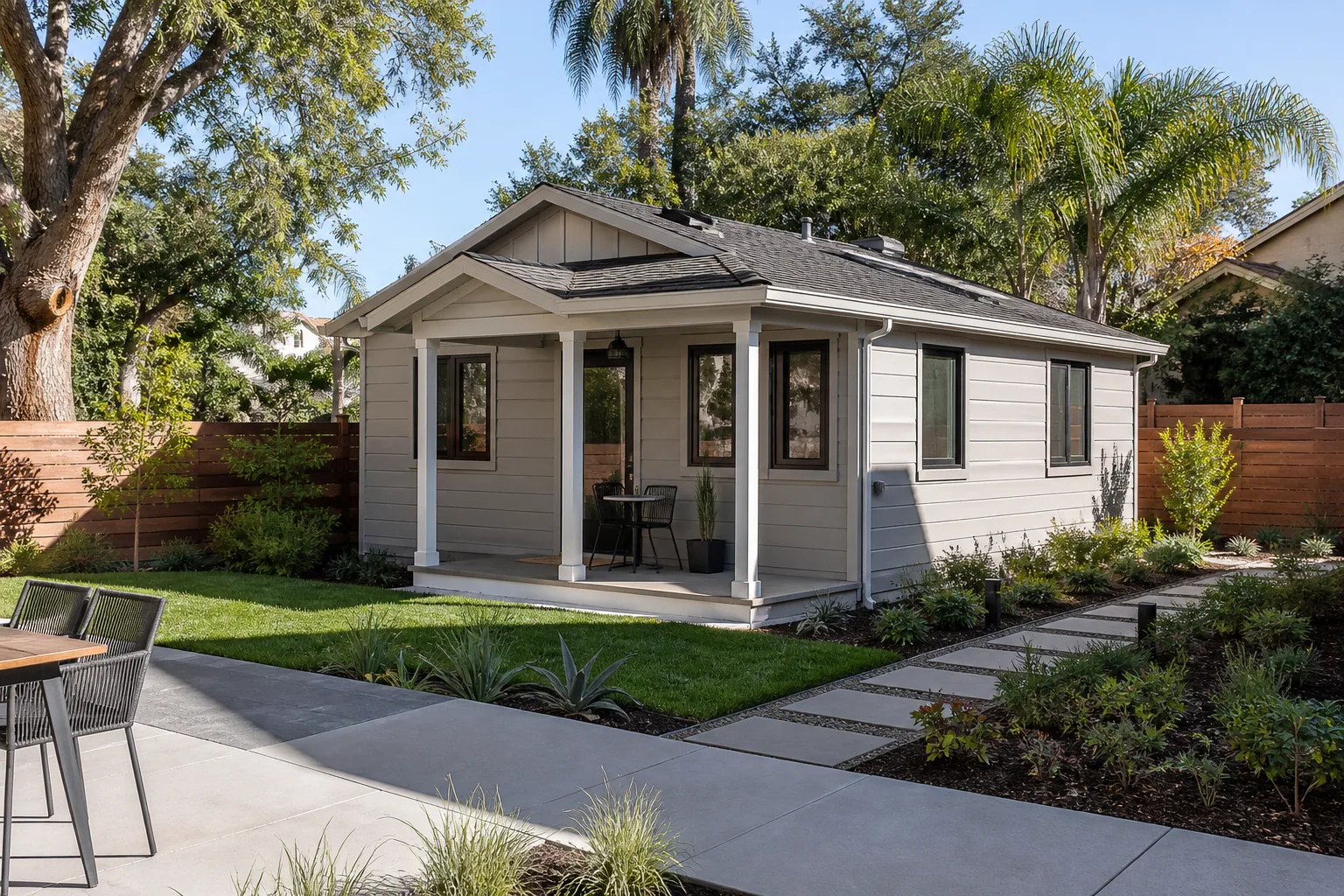
We build Cambridge Pavers-compatible home additions and ADUs in Enterprise, and installed projects here run $45,000 to $130,000 for an addition and $90,000 to $220,000 for a detached ADU, depending on size, foundation, and finish level. Most owners in Enterprise don’t start by shopping for a paver system. They start when a hardscape element tied to an addition – a raised lanai base, a paver-clad stem wall, a patio-to-door transition – begins to heave, settle, or shed surface sand, and they realize the structure above it needs attention too.
That’s the point where a cosmetic repair stops being cosmetic. Cambridge Pavers systems are engineered interlocking units, and when the base beneath them shifts, the failure telegraphs upward into the addition or ADU it supports. We see this constantly in Enterprise, where caliche-heavy soil and summer ground movement put real stress on any paver-based build.
Key Takeaways
- Addition pricing in Enterprise: $45,000 to $130,000. Detached ADU: $90,000 to $220,000.
- Cambridge Pavers units are a paver system, not a structural wall product – additions still need proper footings and framing.
- Soil movement and drainage are the number-one cause of paver setback failures we find in Enterprise.
- A written price is delivered before any work begins – standard on every project, never an upgrade.
Which Cambridge Pavers Models This Applies To
Cambridge Pavers manufactures interlocking concrete paver lines – most commonly referenced by series names like Cambridge Cobble, Olde English, and the Ledgestone face series – and each line carries its own dimensional profile and thickness spec. If you’re matching pavers for a new addition’s patio apron, step treads, or a low seat wall, the compatibility question is thickness and face style, not a part number. Pull a loose unit and measure it: standard Cambridge Pavers profile units typically run 2 3/8 inches thick on patios, with wall units stepping up to 3 inches and 6 inches for retaining applications. If your existing install is an older line that’s been discontinued, matching the exact face texture becomes the hard part, not the size.
To identify what you have, look at the joints and color blend rather than the label – Cambridge Pavers color blends are distinctive and usually reproducible across the current catalog even when a specific face series was retired. When a match isn’t possible, we’ll tell you straight and show you the closest current equivalent instead of forcing a mismatched pallet into a visible wall.
On the OEM-versus-aftermarket question: we source current Cambridge Pavers units through authorized supply channels when the line is active, and we’re upfront when a discontinued face means a blended or border treatment is the honest answer. We’re an independent service provider, not affiliated with Cambridge Pavers, so every match we recommend is based on what actually fits your build.
Styles & brands we work with
- Kitchen remodeling
- Bathroom remodeling
- Home additions & ADU
- Roofing
- Windows & doors
- Driveway & pavers
- Fence
Signs Your Cambridge Pavers Home Additions & ADU Is Failing
Failure in a paver-based addition shows up in predictable stages. Here’s what we look for on an Enterprise walkthrough and what each symptom usually means.
- Ponding or standing water against the addition wall. Drainage was pitched wrong or a paver field settled toward the structure. Water against a stem wall is what starts the next three symptoms on this list.
- Rutting or heaving in the paver field. The compacted base beneath the pavers has lost its grade, often from soil movement or a failed edge restraint. In Enterprise’s caliche soil, this frequently shows up within a few seasons of an install done without proper base prep.
- Sunken or tilted step treads at the door. The transition where the patio meets the addition is the highest-traffic joint in the whole build, and it’s usually the first place settlement shows.
- Loose sand joints and migrating pavers. Polymer or sand joints that keep washing out point to a drainage problem upstream, not a joint material problem. Re-sanding without fixing the pitch just repeats the failure.
- Separation between the paver apron and the addition framing. This one matters most. A visible gap or differential movement between pavers and the structure above means the foundation and the paver base are moving independently, and it needs an inspection, not a patch.
If you see the last symptom, stop and get eyes on it. That’s structural territory.
See the difference
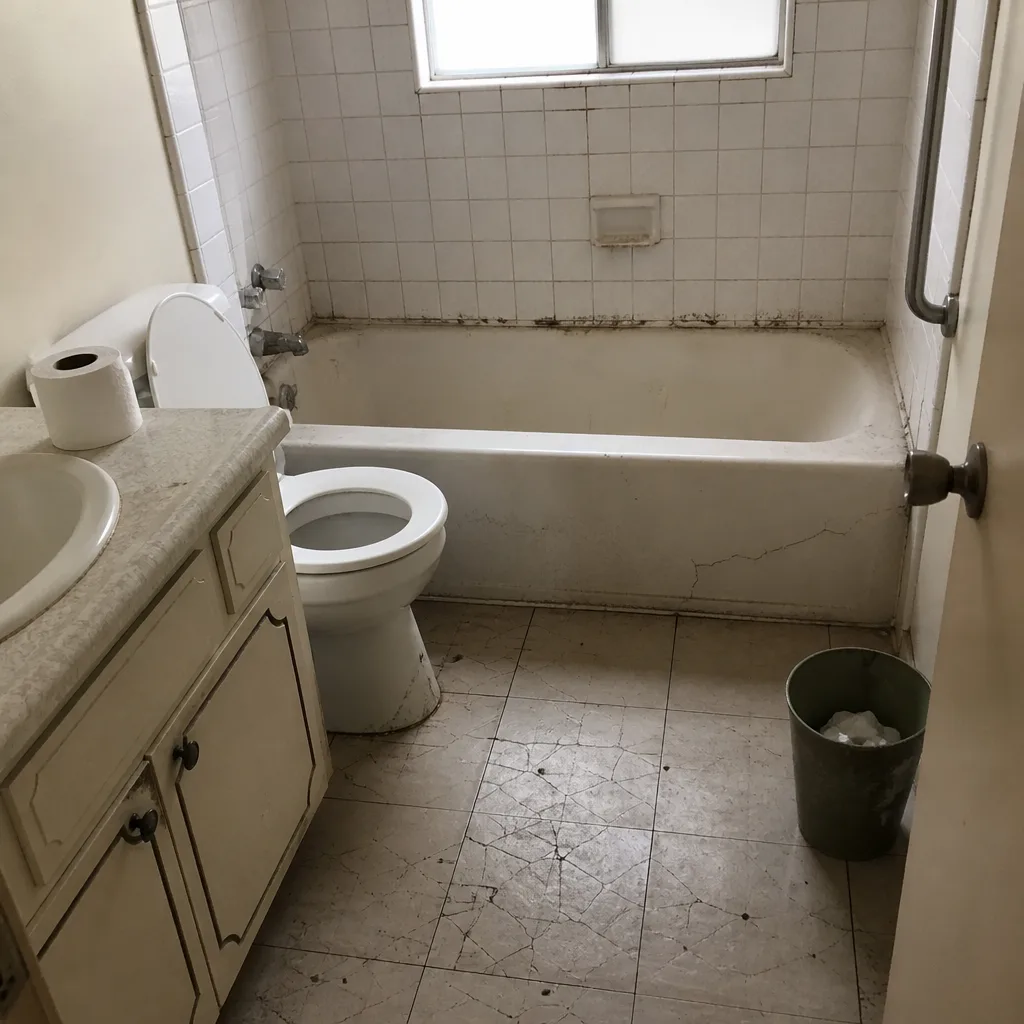 Before
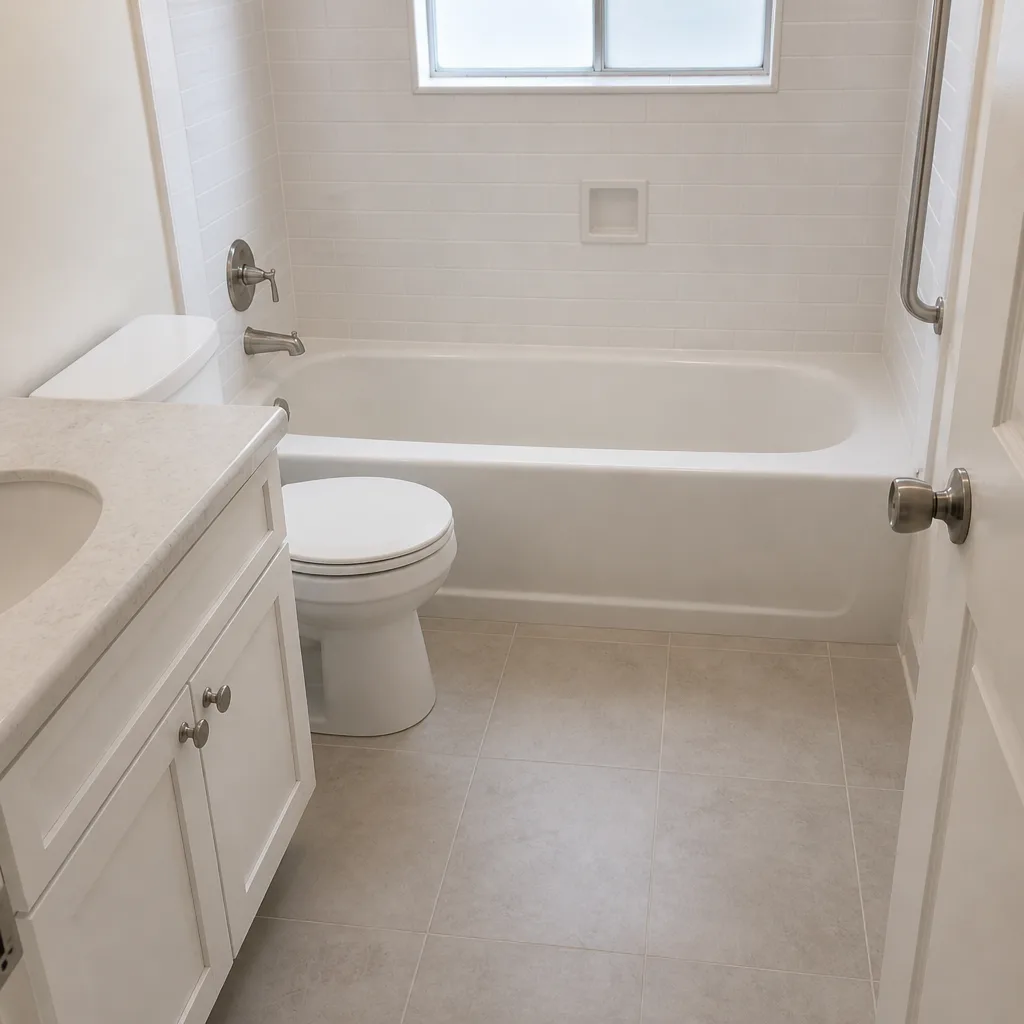 After
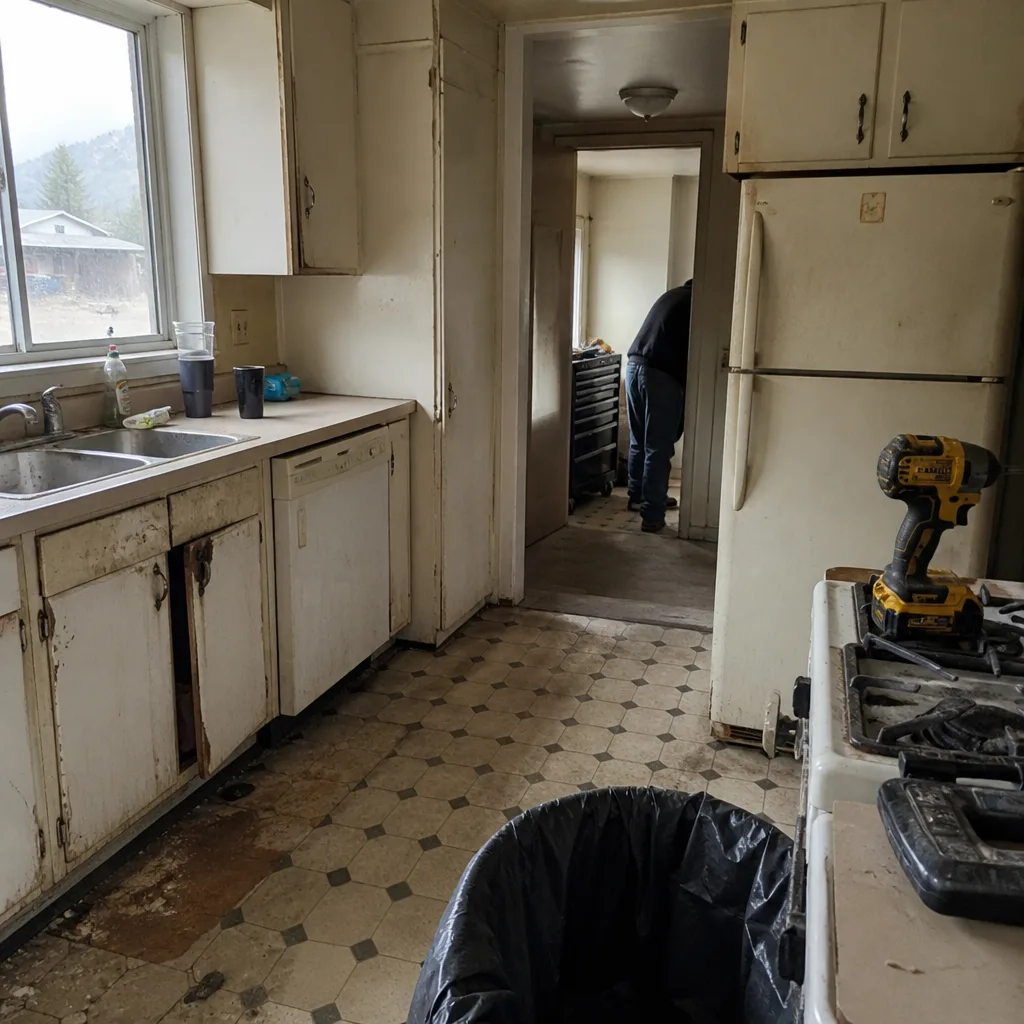 Before
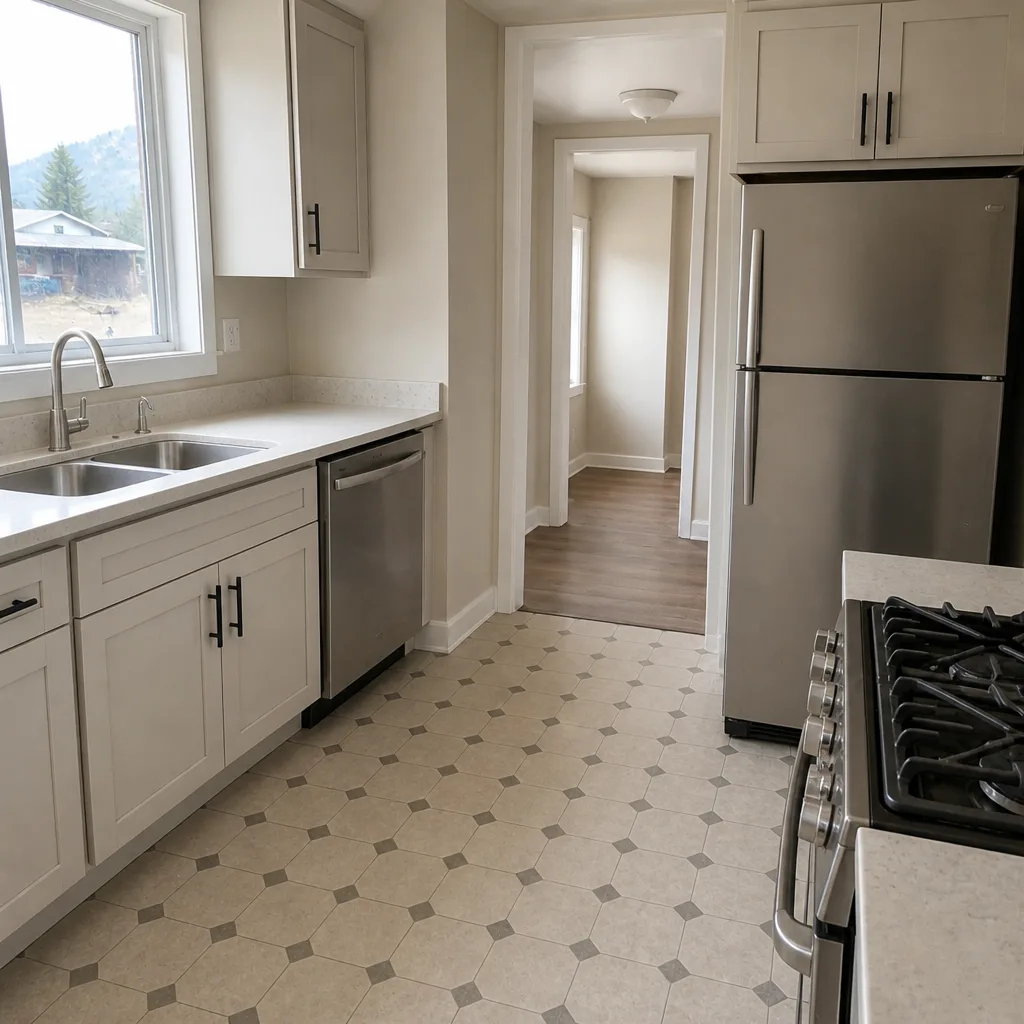 After
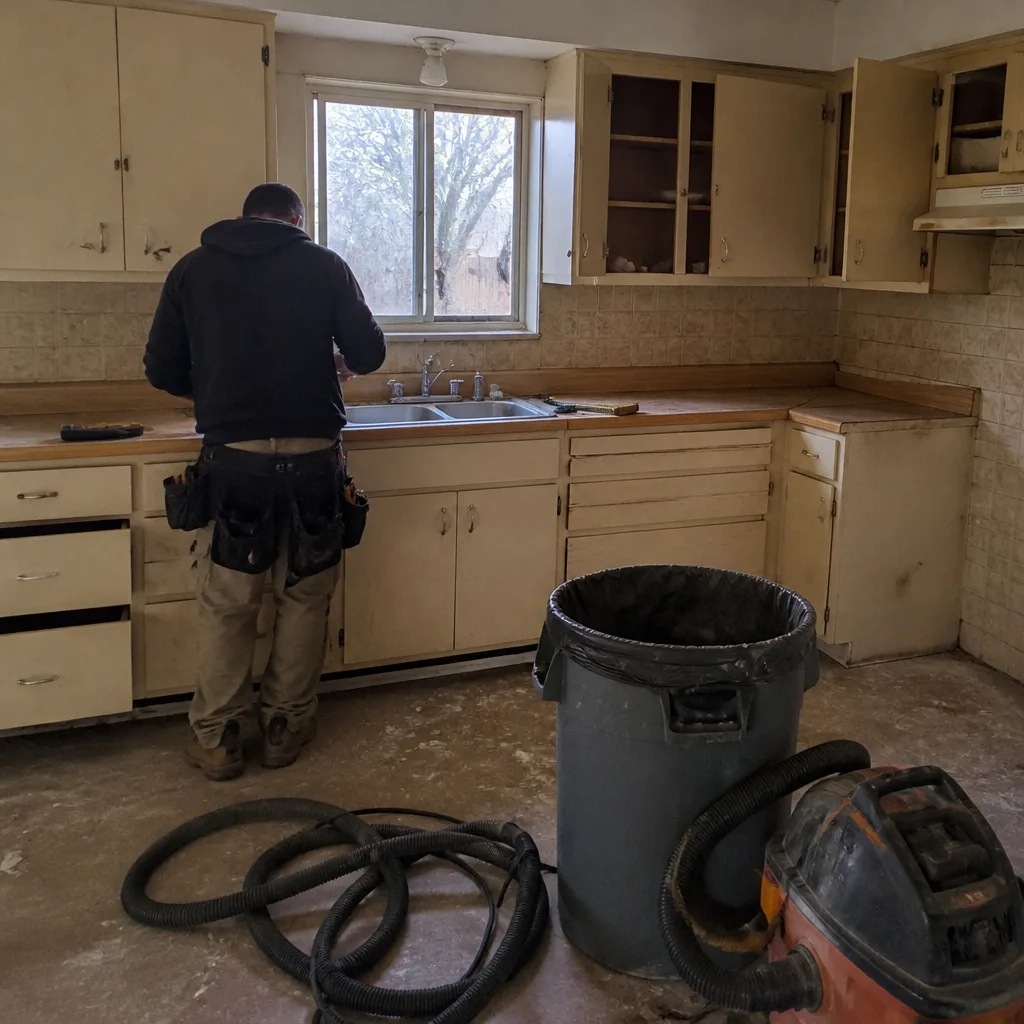 Before
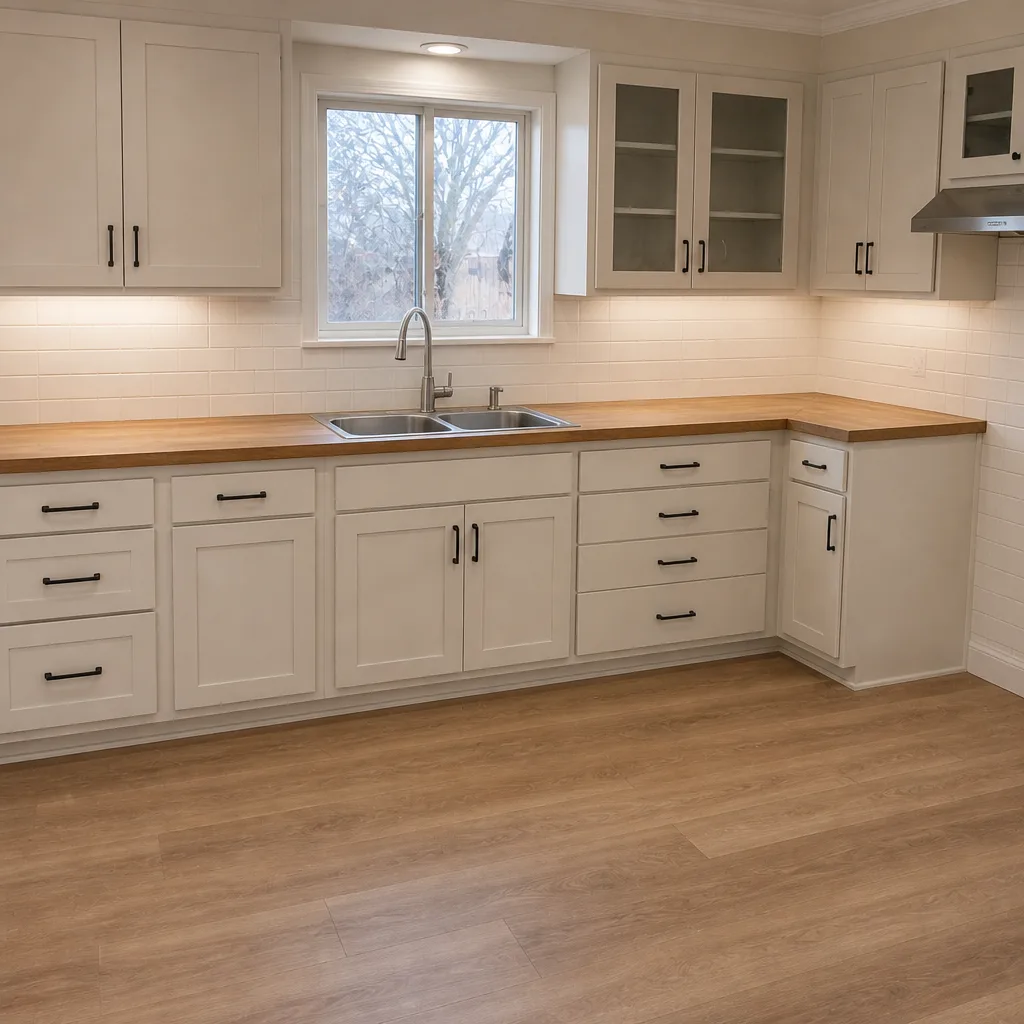 After
Replacement Cost & What’s Included
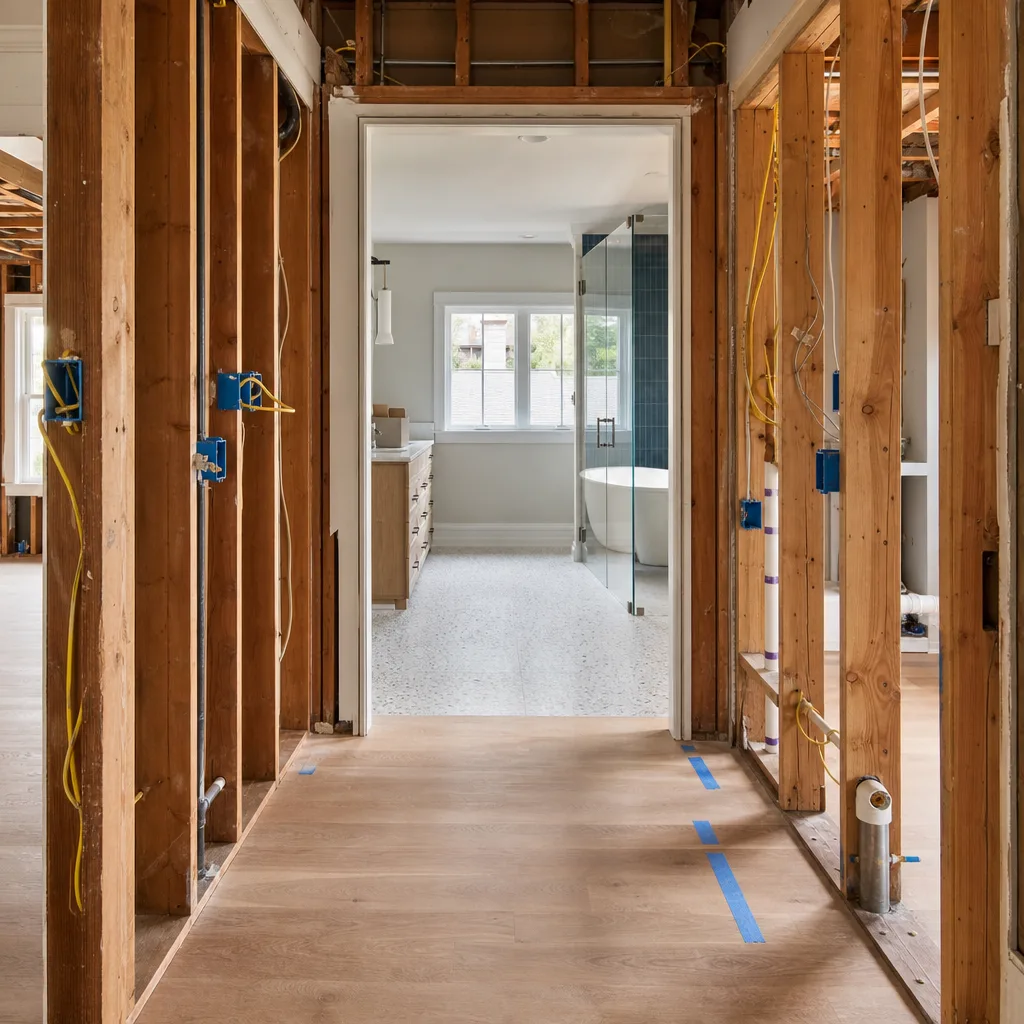
Pricing for this work in Enterprise depends on whether we’re resetting a paver field under an existing addition or building a new structure with Cambridge Pavers hardscape around it. Here’s how the ranges break down:
| Scope | Typical Enterprise Range |
|---|---|
| Home addition (build or rebuild with Cambridge Pavers hardscape) | $45,000 – $130,000 |
| Detached ADU with paver apron and walkways | $90,000 – $220,000 |
| Garage conversion to livable space | $30,000 – $80,000 |
| Paver patio installation (addition surround) | $3,500 – $11,000 |
What drives the range: footprint and foundation depth, whether the paver base needs full removal and re-grading, drainage correction, and finish level. The paver material itself is a small slice of the total – foundation and framing are where the money sits. Every project starts with a written price and a written guarantee stating coverage terms in plain language, including what’s covered and for how long. If something we install fails, we come back at no charge, no dispute process.
DIY or Call Us?
You can safely check a few things yourself. Walk the paver field after rain and note where water pools. Measure gaps between the paver apron and the addition using a tape against a straight edge. Photograph any step tread that rocks underfoot. None of that involves touching the structure, and it gives us useful information before we walk the property.
What we’d steer you away from: pulling up pavers near the addition footing to “see what’s underneath,” or trying to re-compact and re-level a settled field next to a load-bearing wall yourself. That’s how a $400 fix becomes a foundation problem, and it’s genuinely how people get hurt when a paver shifts under a loaded edge. If the addition framing has separated from the paver base, or the paver field is pulling away from the structure, that’s a call-us-now situation, not a weekend project. Our technicians have up to 22 years of experience and we’ll tell you plainly whether it’s a reset or a rebuild. Call (844) 797-6157 and we’ll get a written price in front of you before anything starts.
FAQs
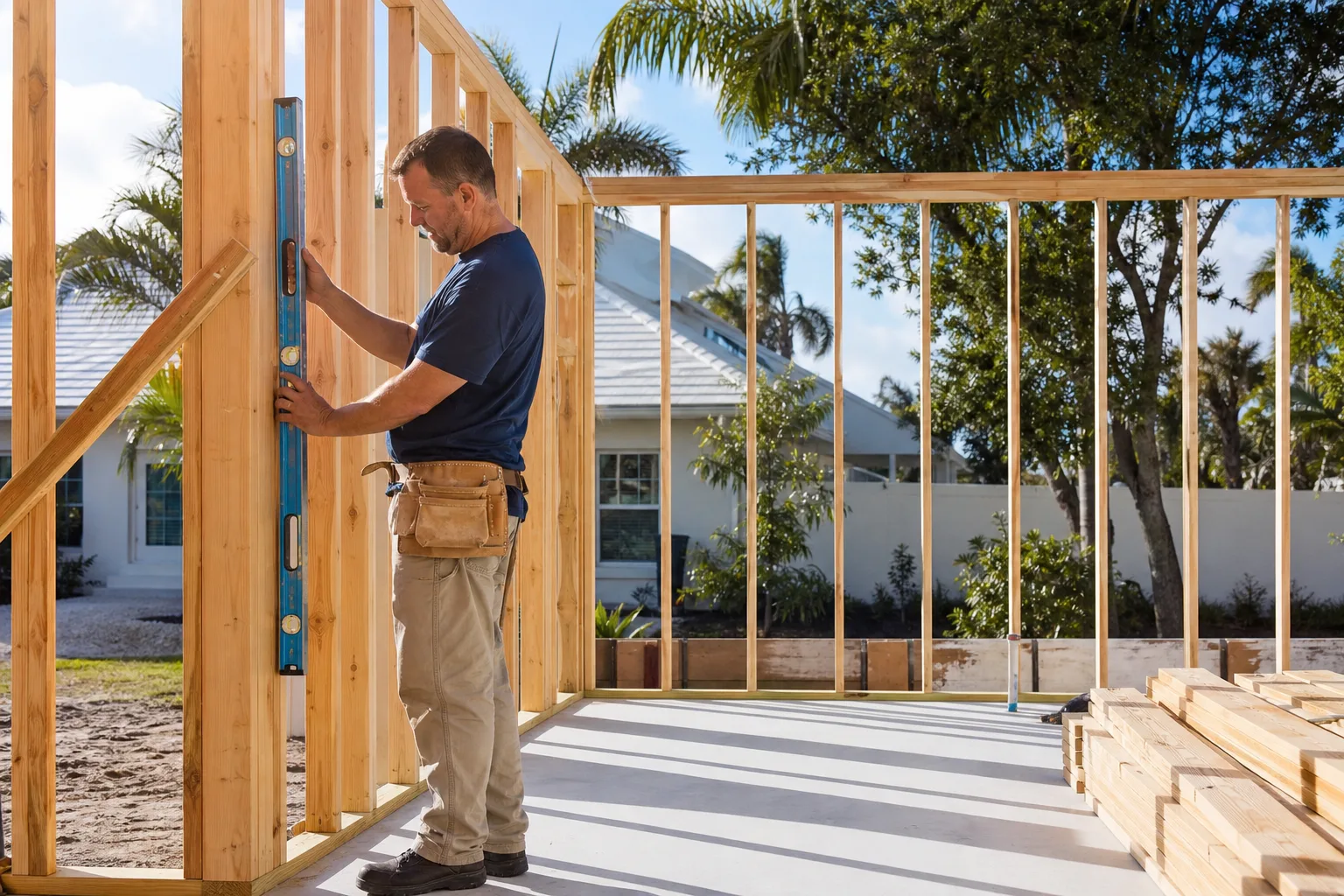
A properly built addition with a Cambridge Pavers hardscape surround should hold its grade and finish for 25 to 30 years or more, with one caveat: paver fields in Enterprise need their joint sand refreshed every 2 to 3 years, and any drainage issue needs fixing before it erodes the base. Structures fail on drainage and foundation prep, not on the paver units themselves. Call (844) 797-6157 if you want us to assess where yours stands.
Often yes. If the addition framing is sound and the issue is limited to a settled paver field, failed joint sand, or one bad step transition, we can reset and re-level without rebuilding the structure. It becomes a replacement job when the foundation and the paver base have moved independently, or when the paver field has lost its edge restraint entirely. We’ll give you the honest split between repair and rebuild, in writing, before you commit to either.
A paver field reset runs a few days. An addition build or rebuild takes weeks, and an ADU takes longer, because foundation, framing, and inspections drive the timeline, not the hardscape. We’ll put a realistic schedule in the written quote so you’re not guessing. Call (844) 797-6157 for a free estimate and a timeline you can plan around.
We source current Cambridge Pavers units through authorized supply channels when the line is active, and when a face series has been discontinued we’ll show you the closest current equivalent and recommend a blended or border treatment rather than forcing a bad match. We don’t carry parts on a truck and don’t claim stock; we order the specific units your build needs. For other parts of the project we also work with KraftMaid, Cambria, and Silestone, so the finishes coordinate. Call (844) 797-6157 to schedule your free estimate.
Whether you’re in Enterprise, nearby, or just outside city limits, the first step is the same: a free estimate, a written price, and a clear answer on whether your Cambridge Pavers build needs a reset or a rebuild. Call Mason Remodeling Enterprise at (844) 797-6157. A live person answers every call, every day, and every crew member who shows up at your door is background-checked, identity-verified, and introduced to you by name and photo before the visit. The price is in writing before a tool is unpacked, and the work is backed by our 365-Day Done Right Promise.
Written by the team at Mason Remodeling Enterprise, serving Enterprise and nearby areas.