
Free written scope consultation - allowances, timeline, and change-order rules on paper before a single trade is scheduled
Mighty Buildings Home Additions & ADU: The Enterprise Owner’s Guide
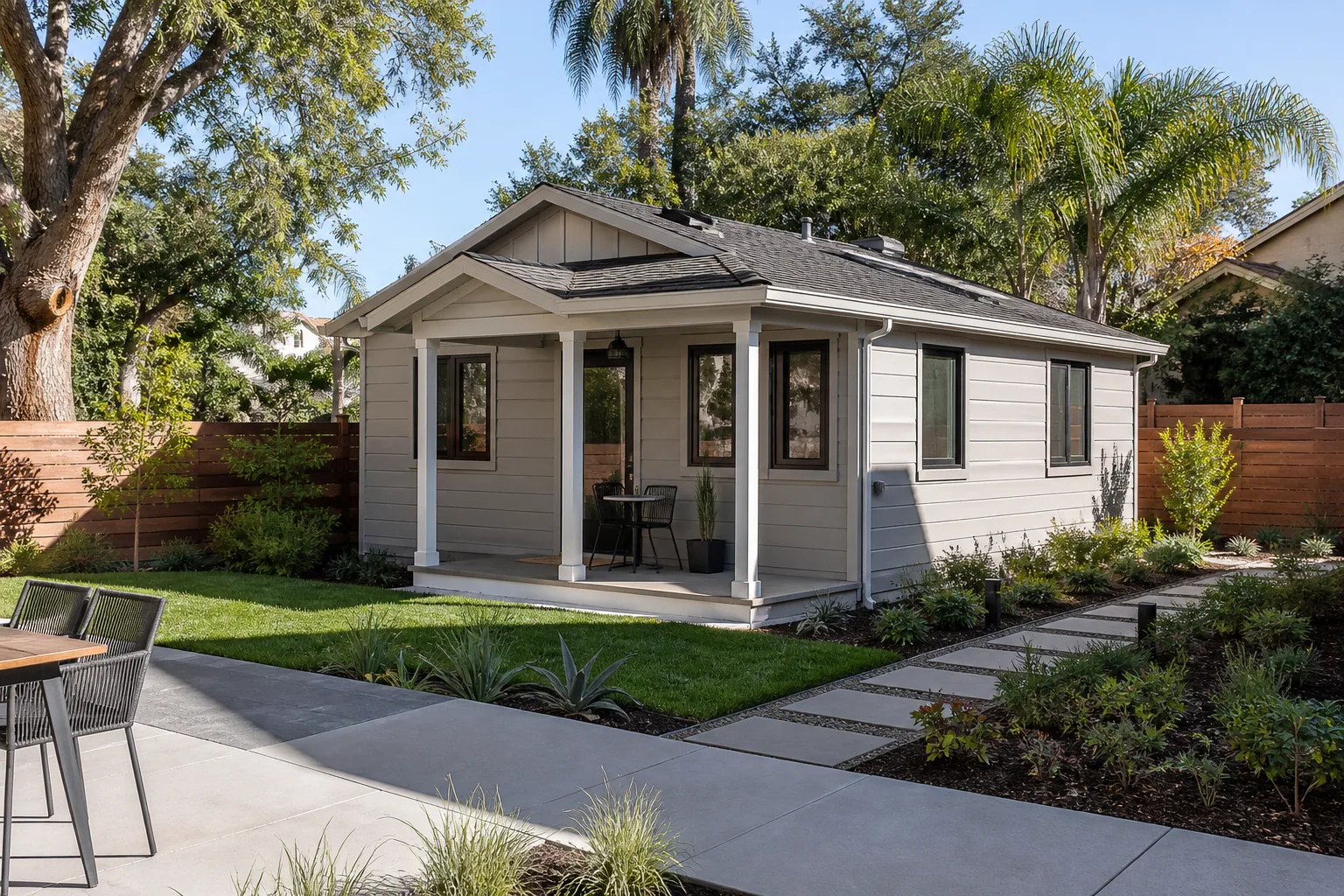
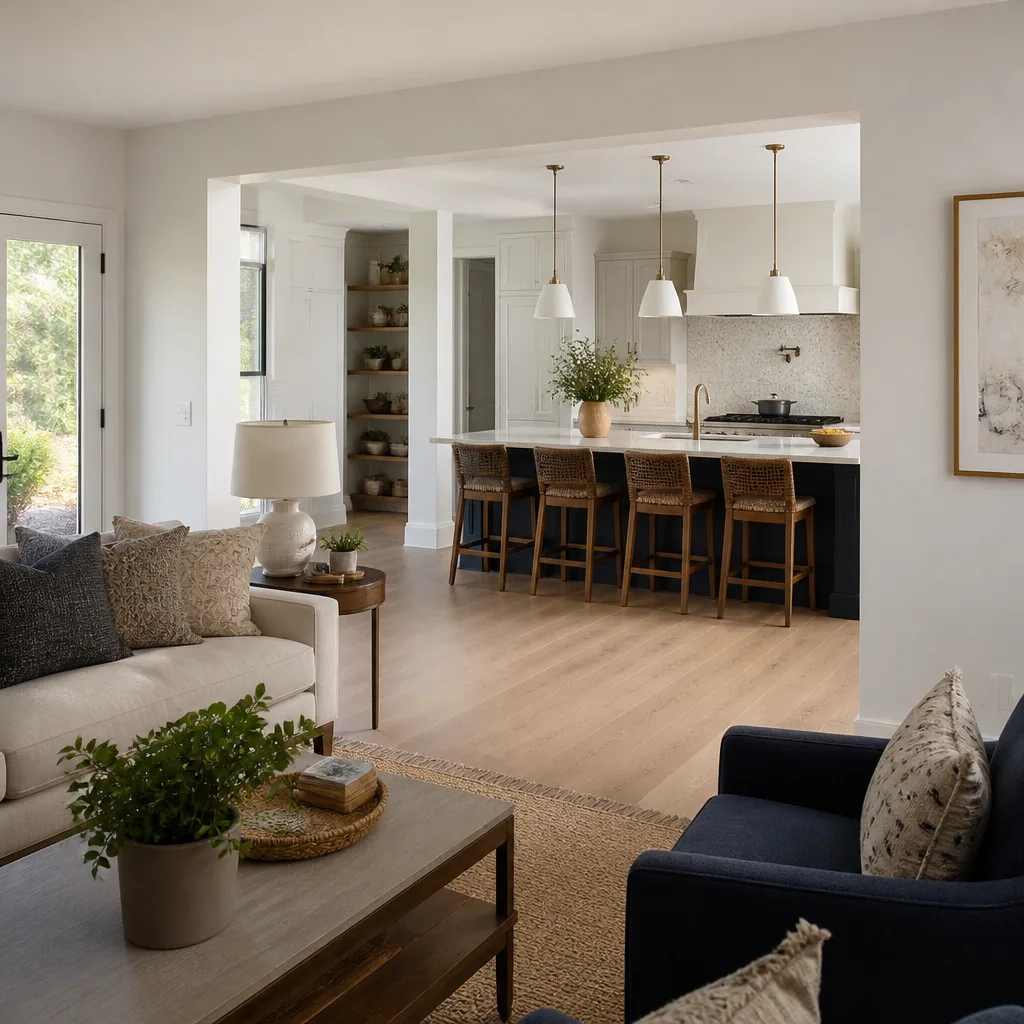
We build and finish Mighty Buildings-compatible home additions and ADUs in Enterprise, with typical installed projects running $45,000 – $130,000 for an addition and $90,000 – $220,000 for an ADU. If you already own a Mighty Buildings structure and something is failing, most Enterprise owners call us after they notice panel-joint separation, a sticking door frame, or a hairline crack that keeps growing near a ceiling corner. Those three symptoms are the most common way a factory-built structure tells you a component or a connection has moved out of tolerance.
Key takeaways:
- Mighty Buildings builds panelized and 3D-printed structures, so the “parts” you need are panels, connection hardware, cladding systems, and mechanical components, not off-the-shelf lumber.
- We’re an independent service provider and are not affiliated with Mighty Buildings.
- Installed pricing in Enterprise: additions $45,000 – $130,000, ADUs $90,000 – $220,000, garage conversions $30,000 – $80,000.
- Every job gets a written price before work starts and a 365-Day Done Right Promise.
Which Mighty Buildings Models This Applies To
Mighty Buildings has shipped both panelized kit structures and printed monocoque units, and the connection details differ enough that you need to know which family you own before anyone orders a single panel. Look for the data plate or manufacturer label, usually inside a mechanical closet, on a wall panel edge near the entry, or under the first course of cladding at the base of the unit. That label carries the model designation and the panel mark series. Write it down along with a photo of the plate.
Here is the compatibility gotcha that catches Enterprise owners: panel and connection hardware is marked by production series, and a series from one production run does not always match the next. Two units that look identical from the street can carry different hardware sets. Measure the panel width and the joint gap at three points before you assume a replacement will drop in.
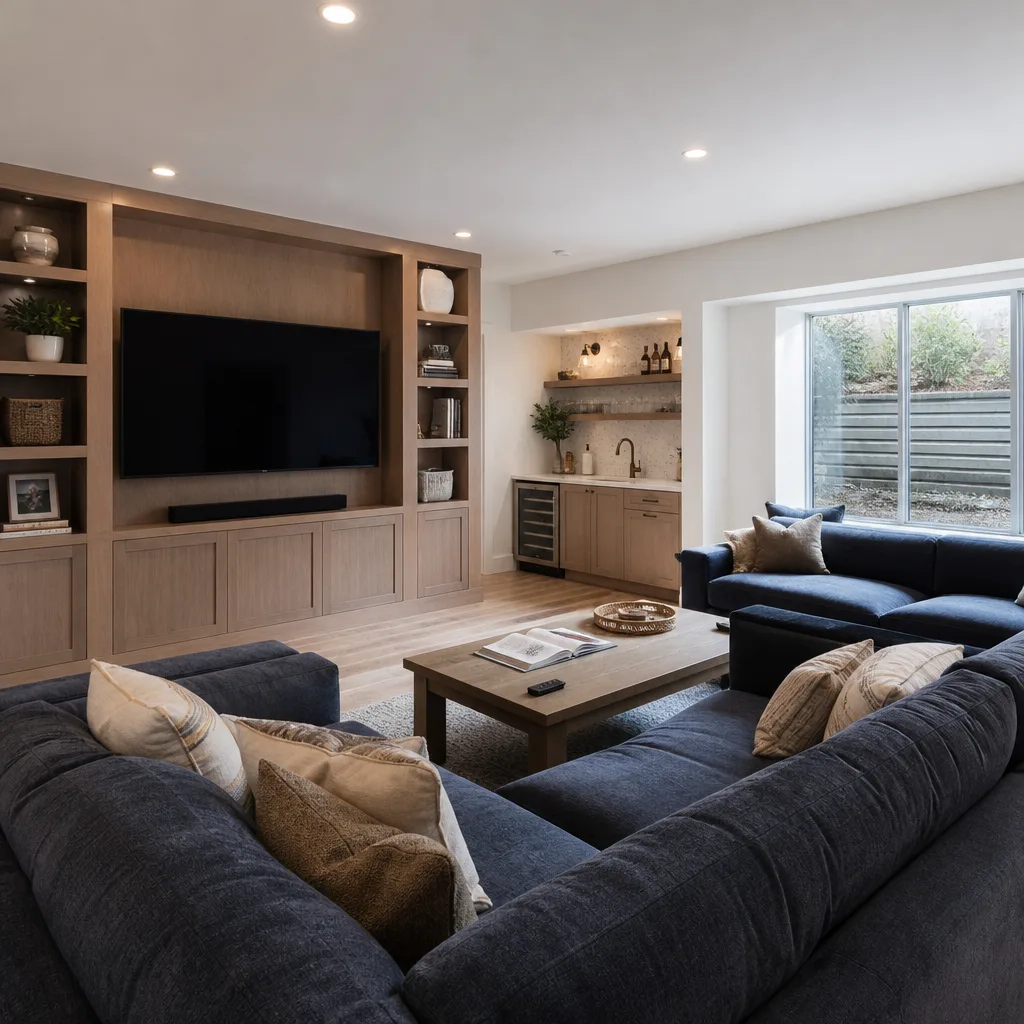
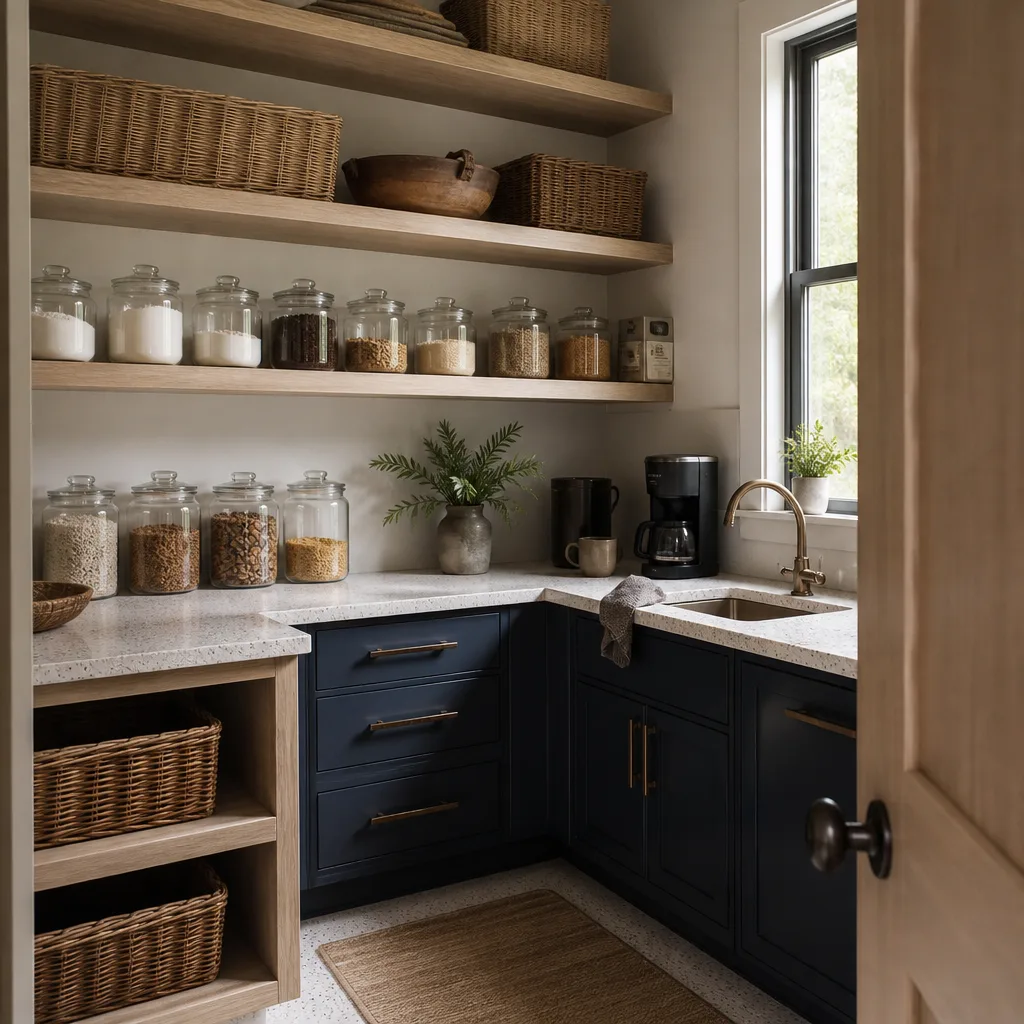
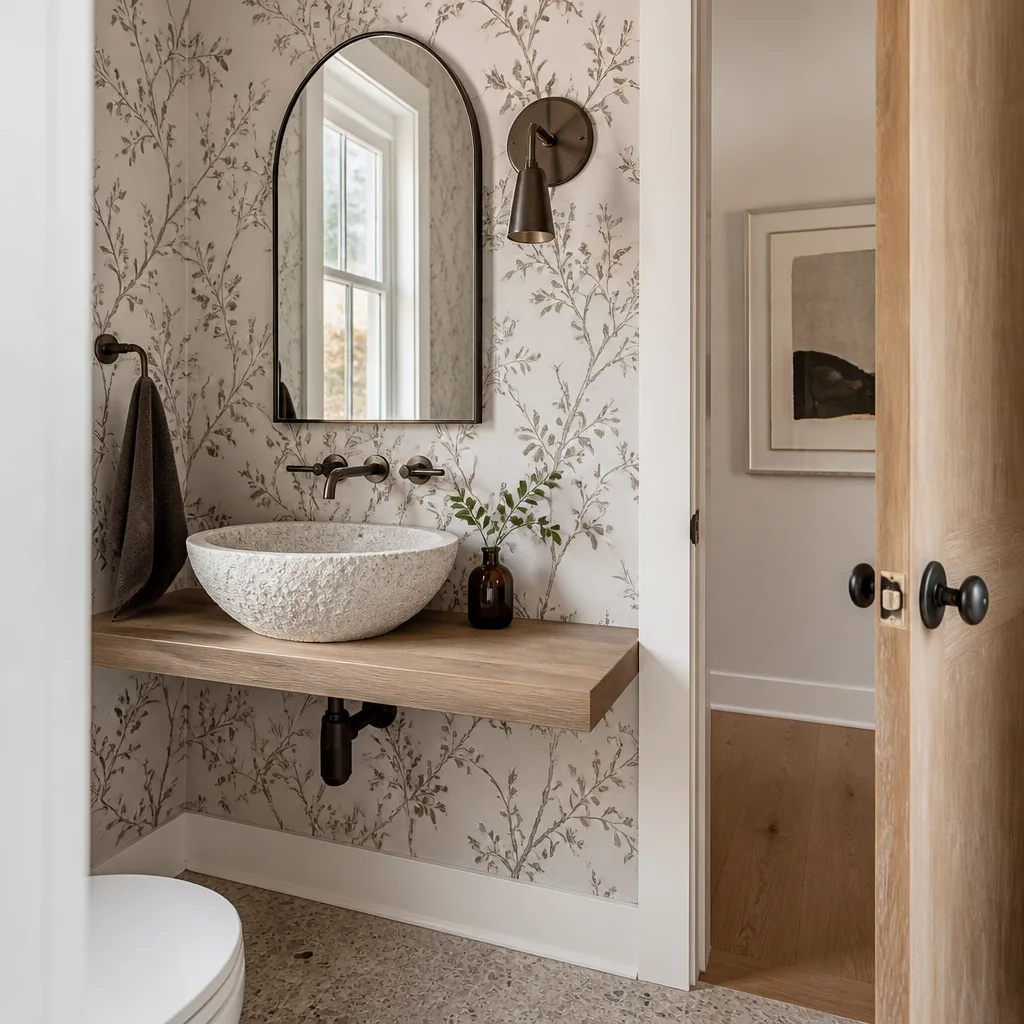
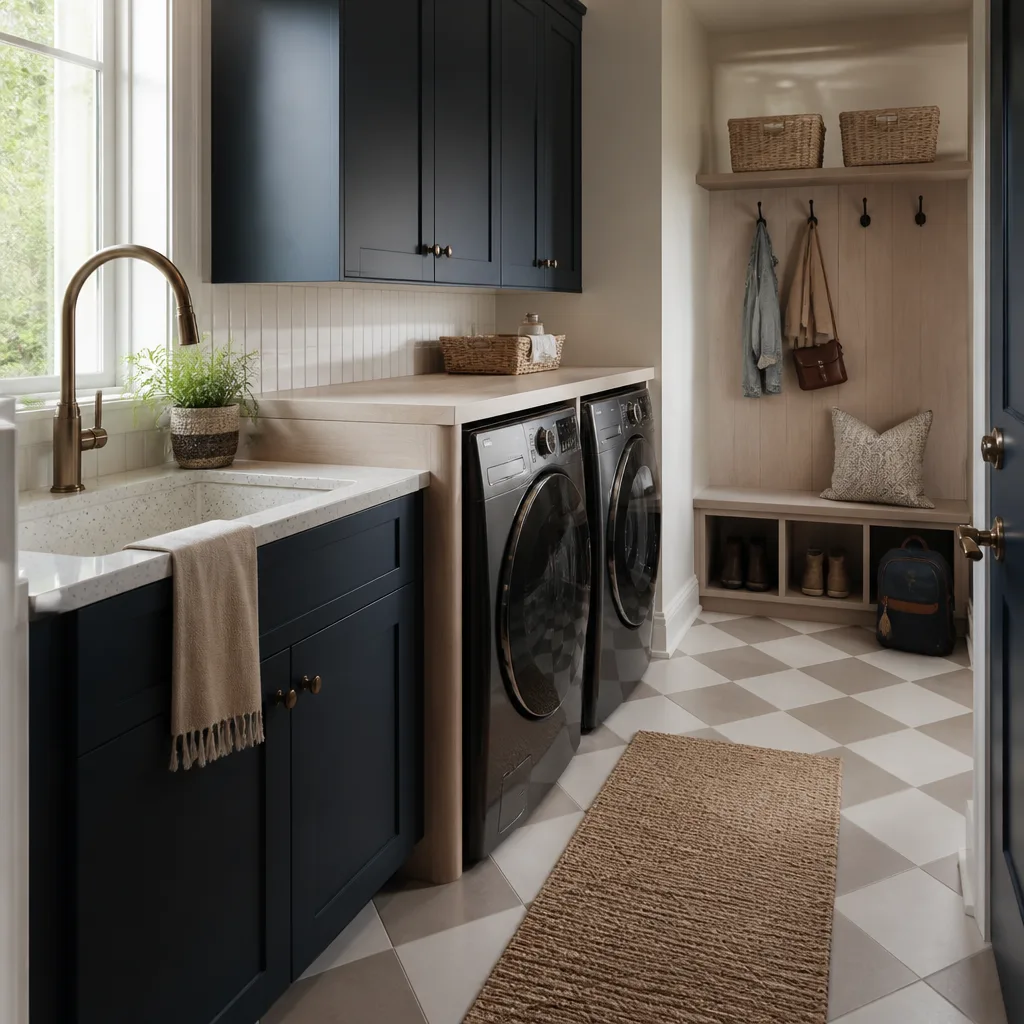
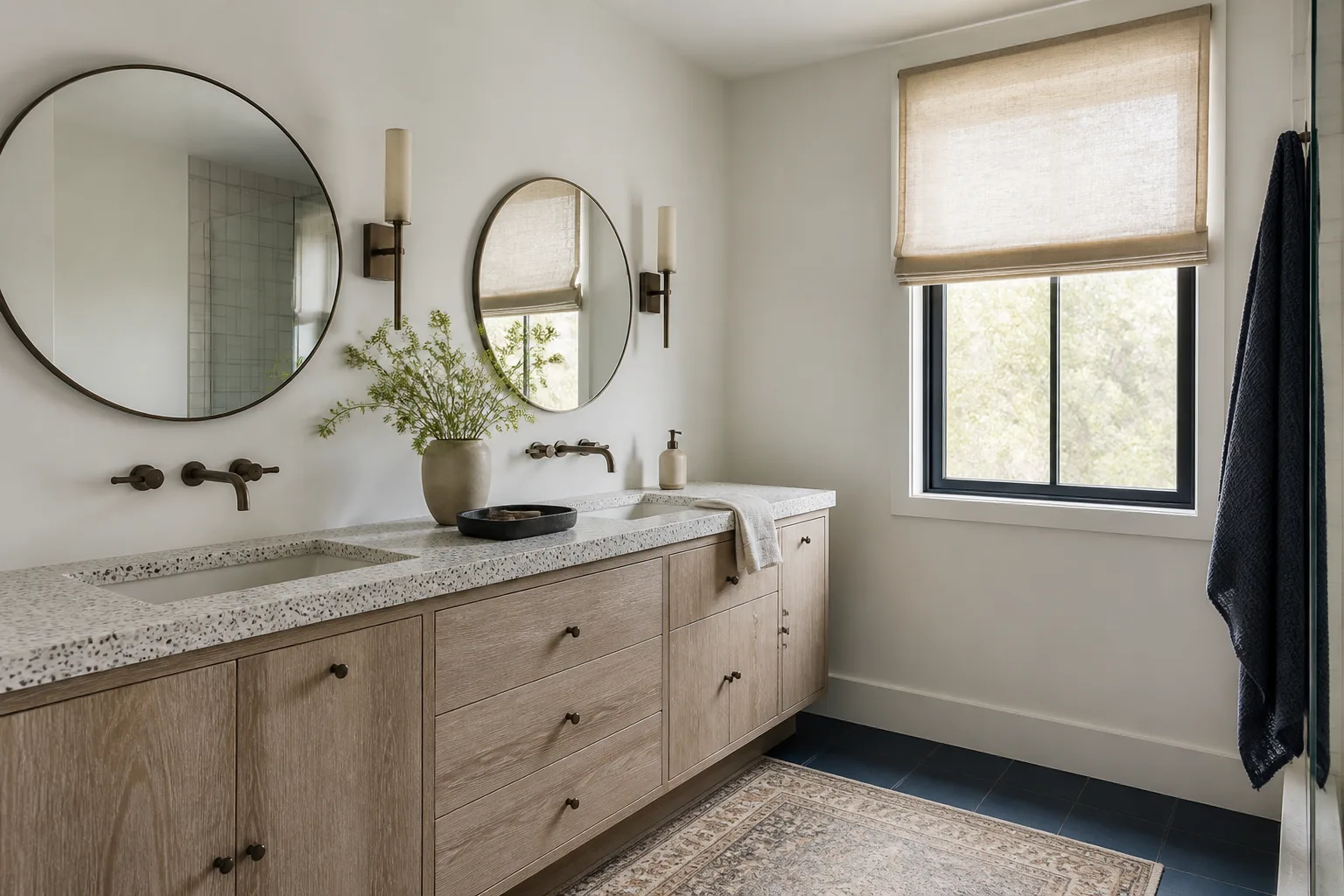
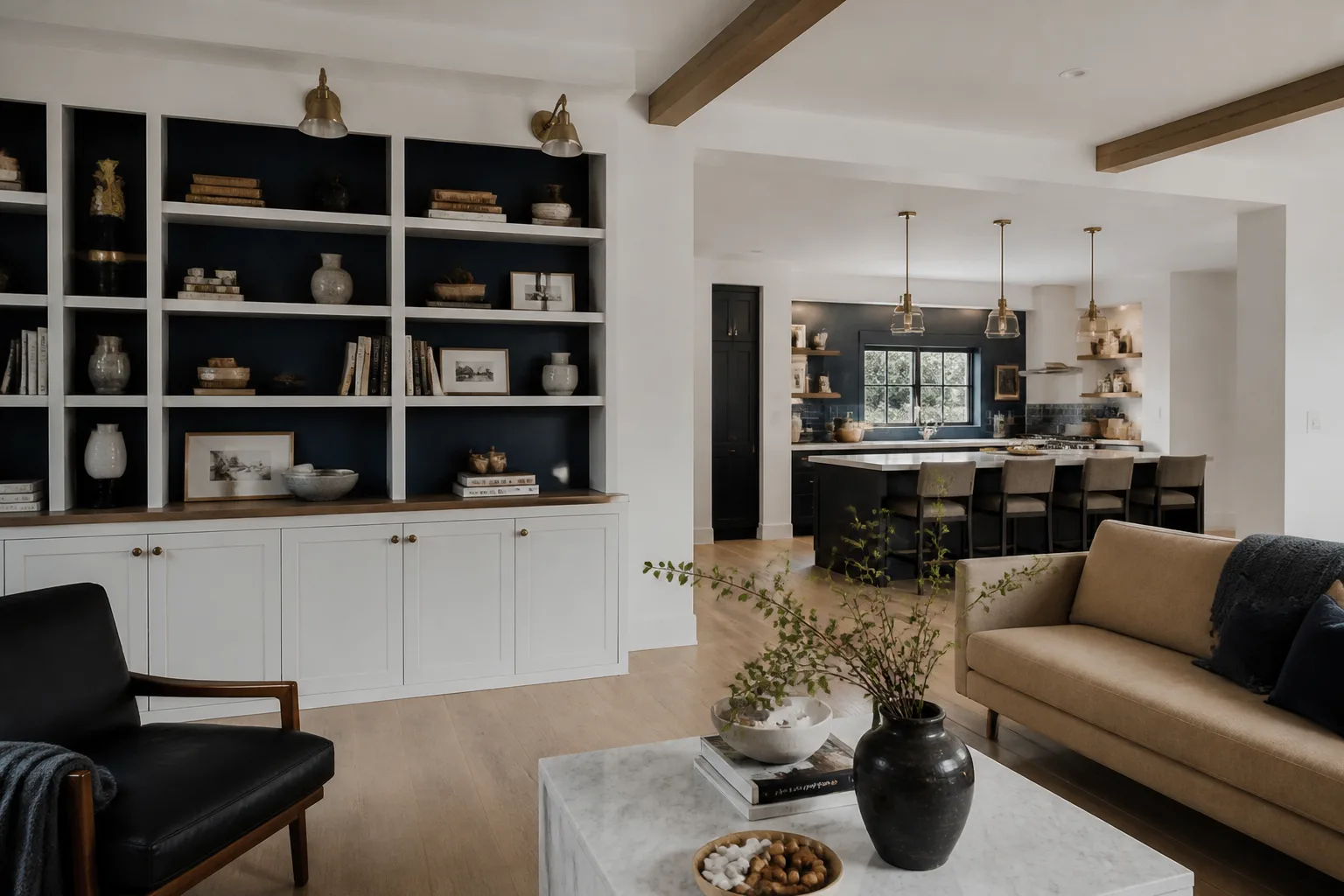
OEM versus quality aftermarket: on the structural connection hardware and any printed panel section, stay with the manufacturer-specified part. On cladding fasteners, flashing, and trim, a professional-grade equivalent from a spec supplier performs identically and usually costs less. We also work with KraftMaid, Cambria and Silestone when an addition or ADU needs finished cabinetry and surfaces at handoff.
Styles & brands we work with
- Kitchen remodeling
- Bathroom remodeling
- Home additions & ADU
- Roofing
- Windows & doors
- Driveway & pavers
- Fence
Signs Your Mighty Buildings Home Additions & ADU Is Failing
- Hairline cracks that return after patching. Usually movement at a panel joint or a shifting base connection. In Enterprise, the summer swing from 105°F afternoons to cool desert nights works expansion joints harder than the coastal climate these panels were first engineered around.
- Doors and windows that stick in the afternoon. That is thermal movement, not a bad hinge. If the frame binds only when the sun is on it, the panel gap has closed and needs correction.
- Water staining at flashing or cladding transitions. Desert dust collects in seams, then the first monsoon rain pushes it in as a stain. By the time you see it inside, the flashing detail has been failing for a season or two.
- A popping or clicking sound at the base when the temperature drops. Anchor hardware loosening or a shim giving way. Left alone, this transfers stress into the wall panels above.
- Gaps opening at the roof-to-wall junction. Sealant fatigue, made worse by UV exposure that never gets a break in Southern Nevada. Once daylight shows through, sealant alone will not hold it.
See the difference
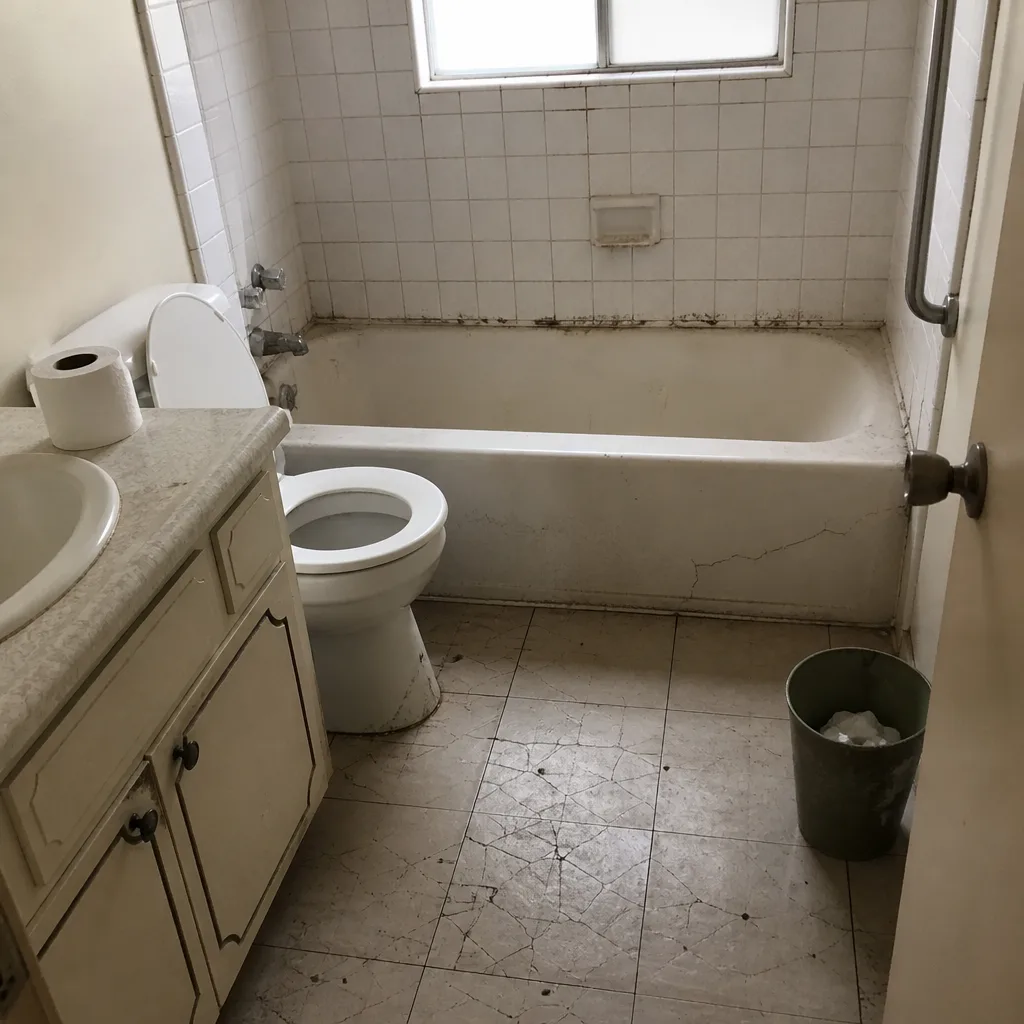 Before
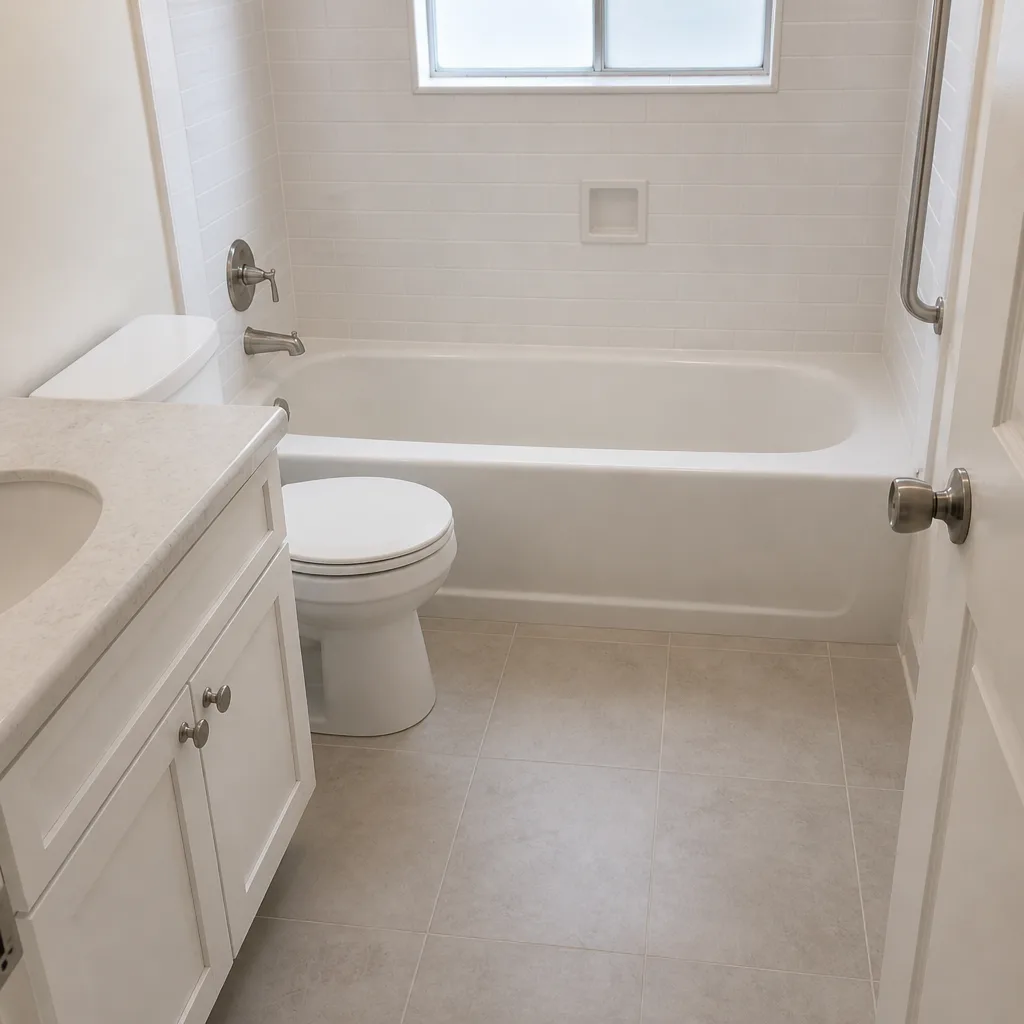 After
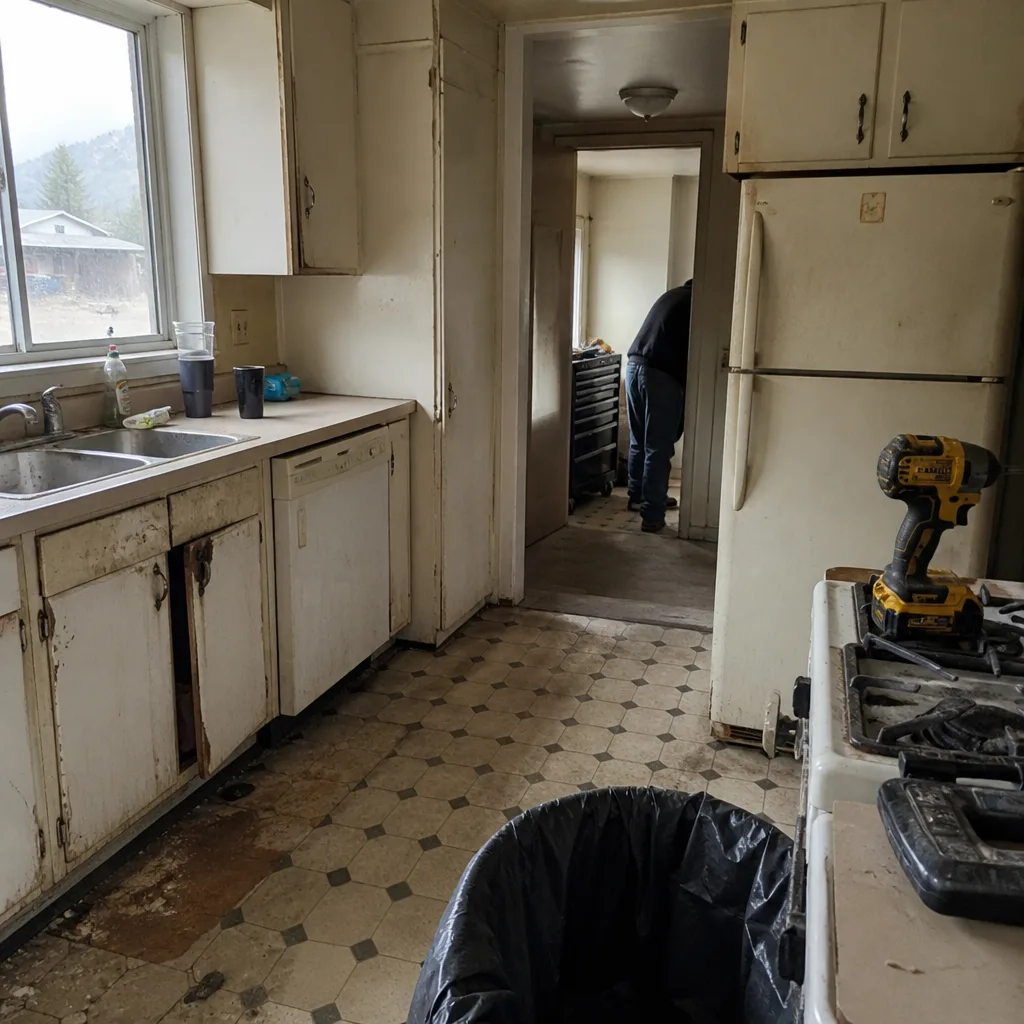 Before
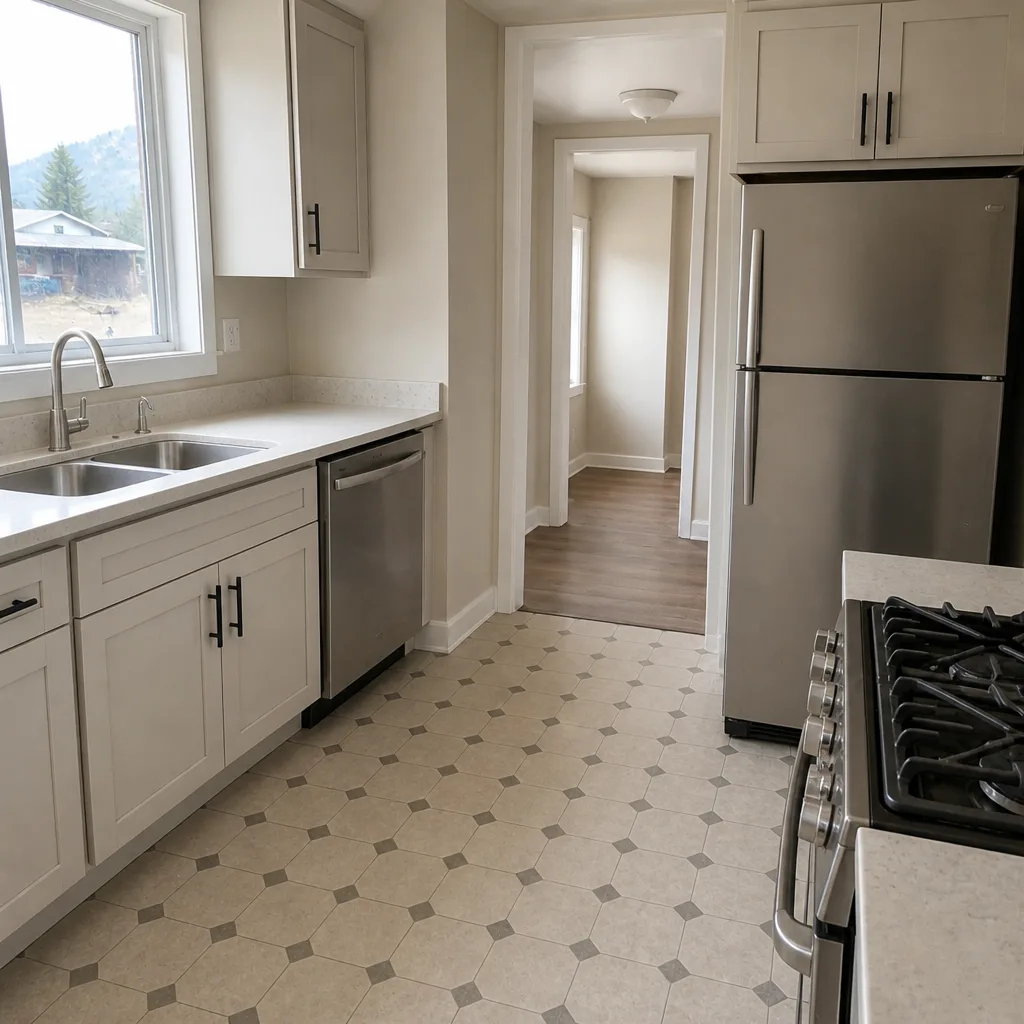 After
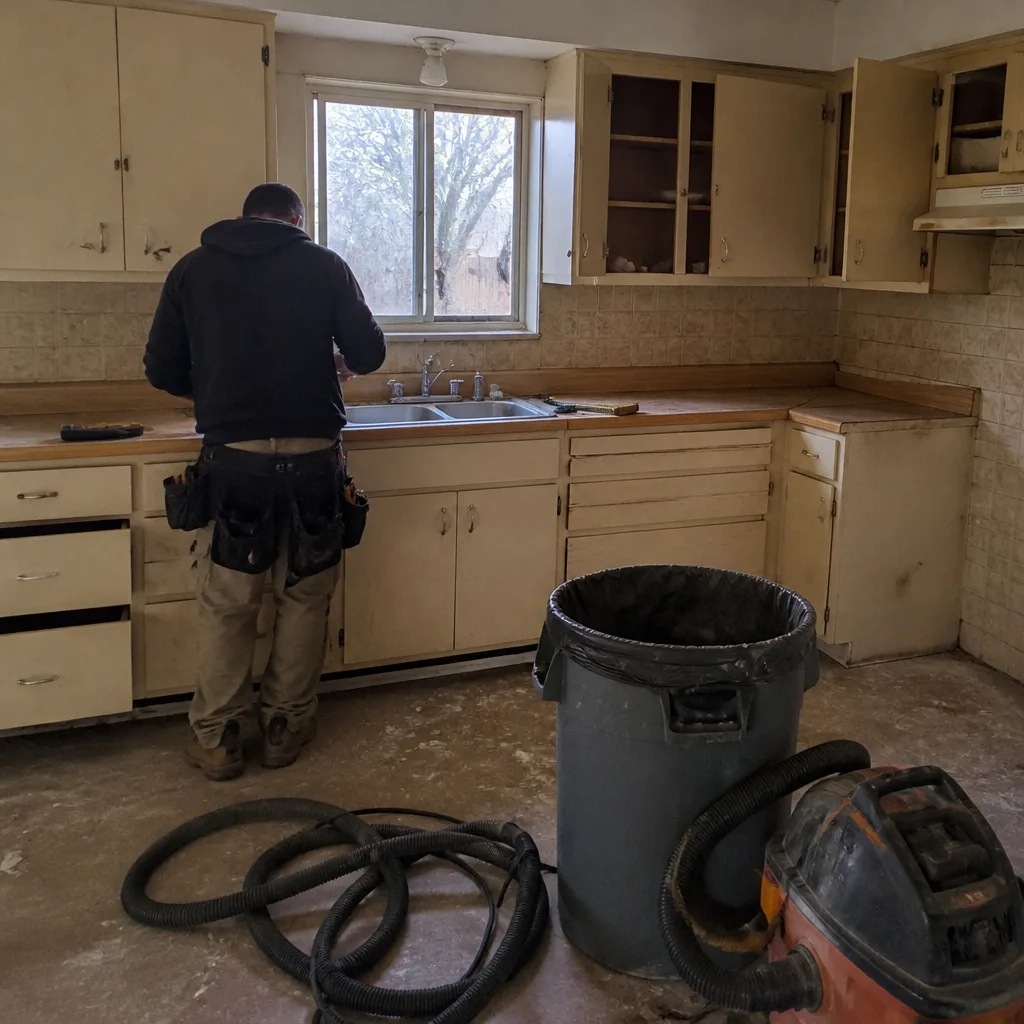 Before
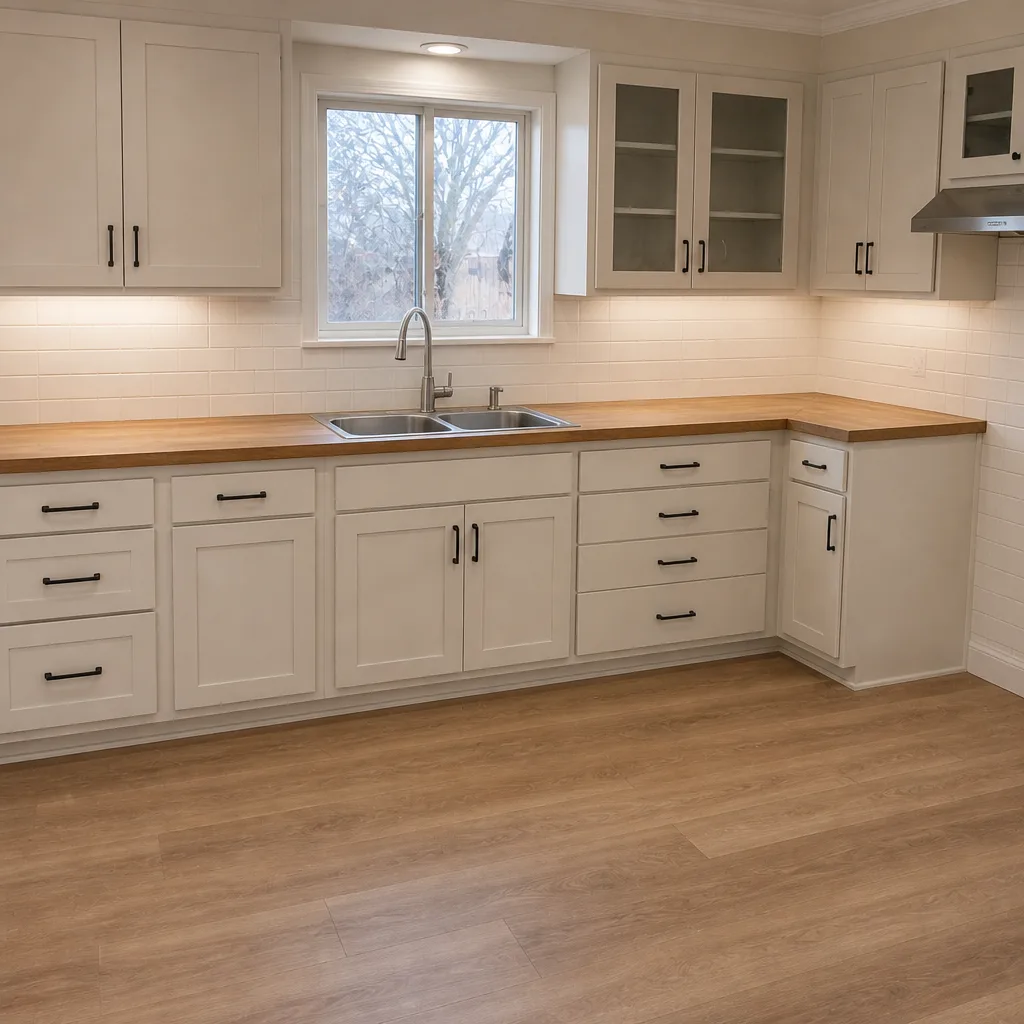 After
Replacement Cost & What’s Included
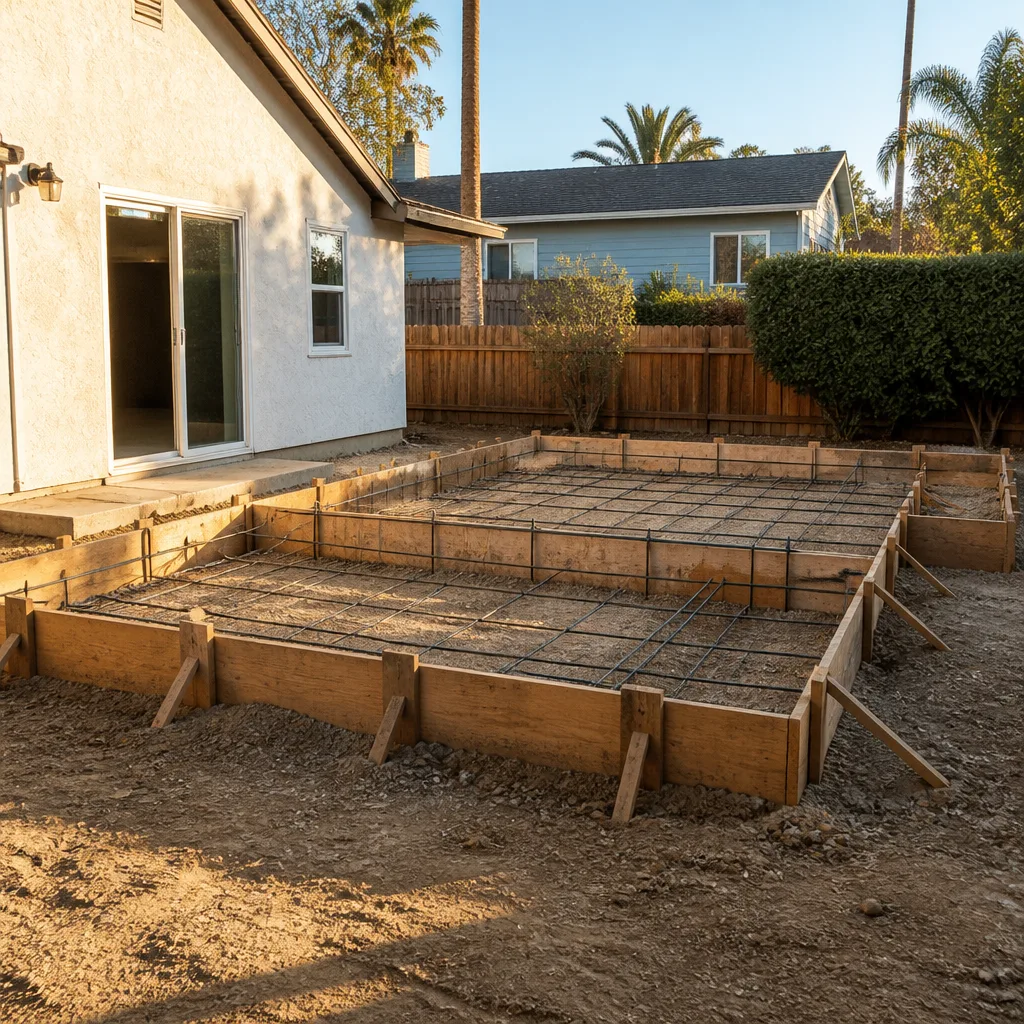
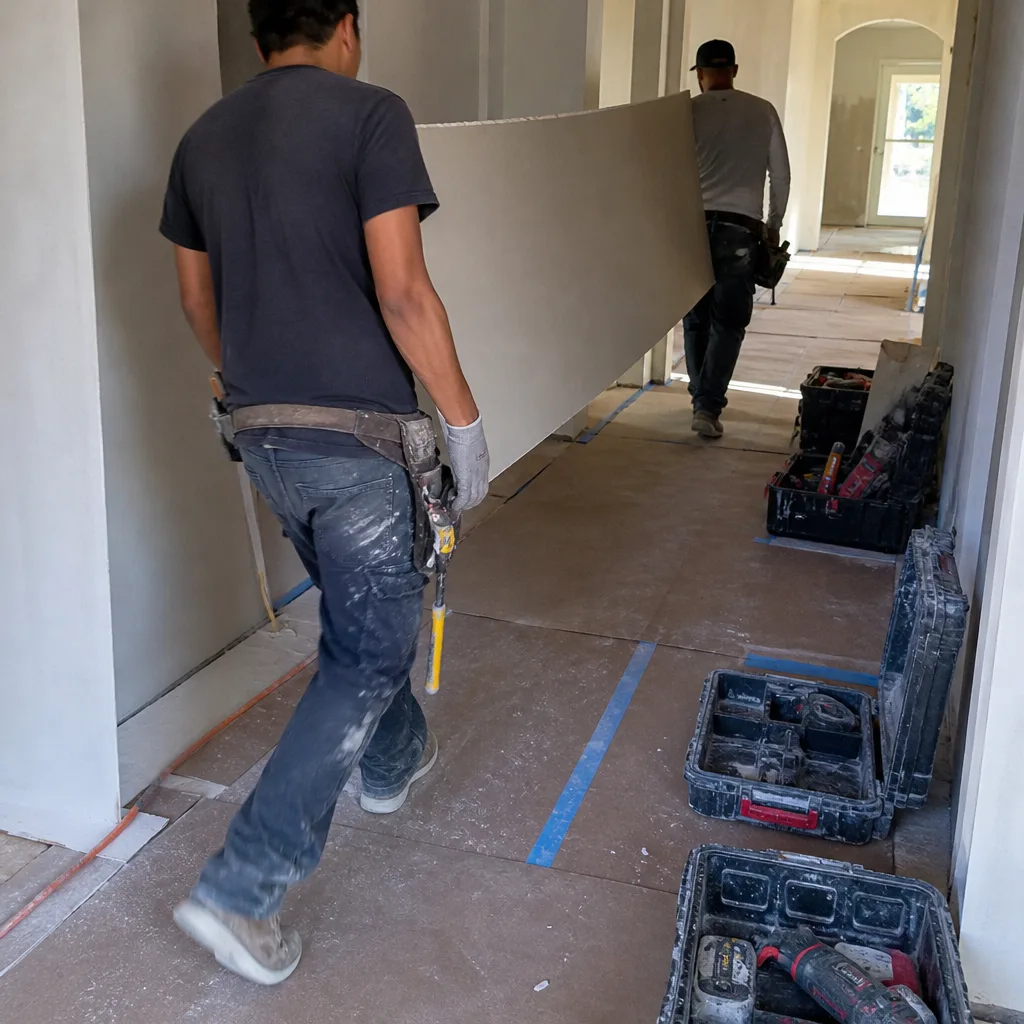
Component repairs and replacements across a Mighty Buildings structure in Enterprise generally fall in the $45,000 – $130,000 band for a full addition build-out, and $90,000 – $220,000 for a complete ADU. A garage conversion sits lower at $30,000 – $80,000. On a repair rather than a build, you’re paying for the panel or hardware set, the specialty fasteners, and the labor to reset and reseal the assembly.
What drives the number: how many panel joints have to be opened, whether the base connection is affected, whether cladding has to come off to reach the failure, and the finish you want on the way back together. Parts plus labor are quoted as separate lines so you can see the material cost before you approve anything. Every project is covered by the 365-Day Done Right Promise: if the work isn’t right within a year of completion, we make it right at no cost. If a repair or installation fails, the return visit is free.
DIY or Call Us?
What you can safely check: photograph the data plate, measure the joint gaps, note where the cracks run, and check whether the sticking door changes with the time of day. That information saves time on the first visit.
Where this goes wrong: adjusting the structural connection hardware at the base, opening a panel joint, or chasing a roof-to-wall gap without knowing how the load is carried. These assemblies are engineered as a system, and a well-meant adjustment in one place can put stress on a panel somewhere else. A cracked or printed panel section should never be cut, drilled, or patched with generic materials. That is a professional call, and we’d rather you keep your weekend.
For an informative read on what we can and can’t source for a given model, call (844) 797-6157. Estimates are free, and a written price comes before any work starts.
FAQs
Ten to fifteen years is a reasonable expectation for the connection hardware and sealing details before service, and faster in full sun with no shade break. Southern Nevada UV and the 40-degree-plus day-to-night temperature swing both shorten that window. Call (844) 797-6157 for an exact assessment on your unit.
Often yes. A single failed flashing detail or one loose connection is usually a repair, not a panel replacement. When cracks return to the same joint within a season or two, the underlying connection is the problem and repair stops being the cheaper route.
A targeted component repair runs a day or two. A panel assembly or a base connection that requires opening the wall runs three to seven days including resealing and finish. Full additions and ADUs are scheduled projects measured in weeks, not days, and we plan them around your household.
We match the model and series off your data plate, then source through the manufacturer where the part is proprietary and through professional-grade suppliers where an equivalent meets spec. Because we don’t claim to stock parts, you get an honest lead time quoted in writing before anything is ordered.
Ready to get a real number? Call Mason Remodeling Enterprise at (844) 797-6157 for a free estimate. Our technicians have up to 22 years of experience, every crew member is identity-verified and announced by name and photo before arrival per The Threshold Standard, and a live person answers the phone around the clock.
Written by the team at Mason Remodeling Enterprise, serving Enterprise and nearby areas.