Last updated November 17, 2026
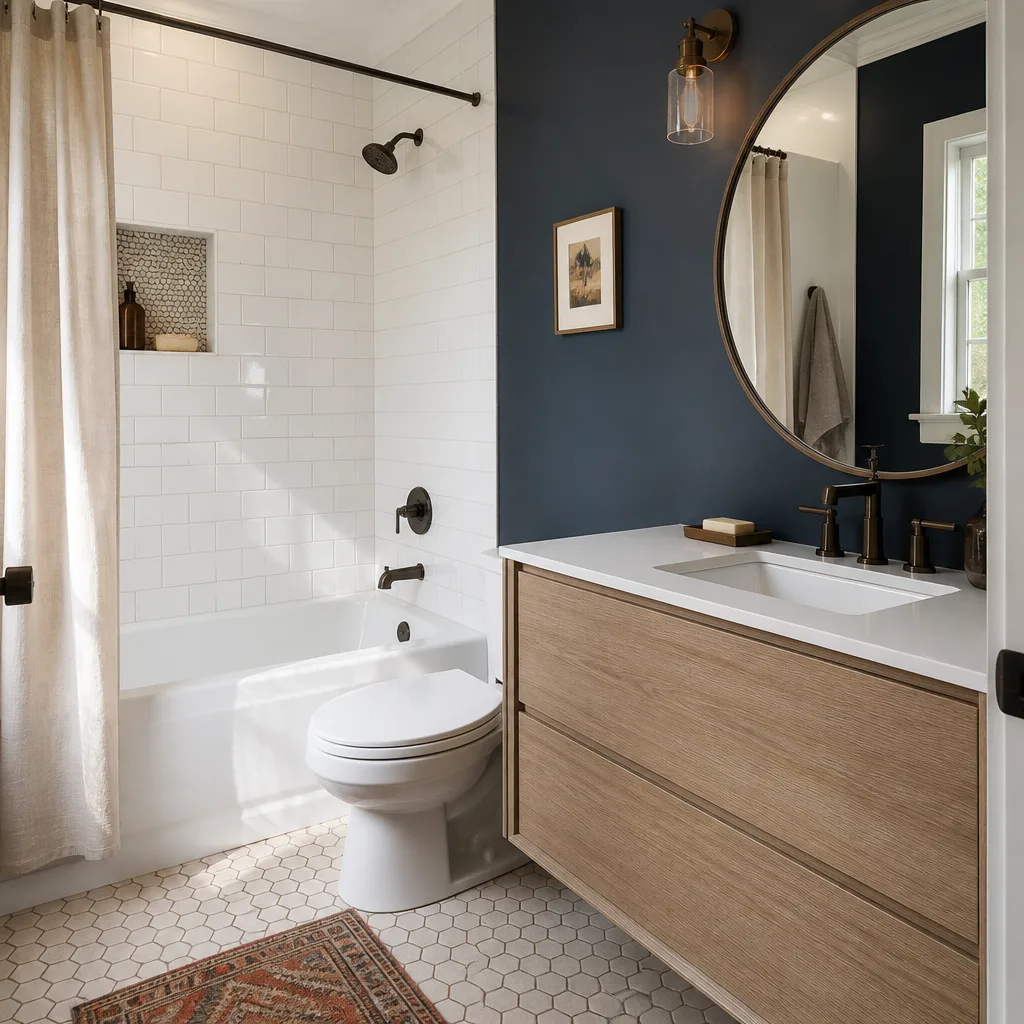
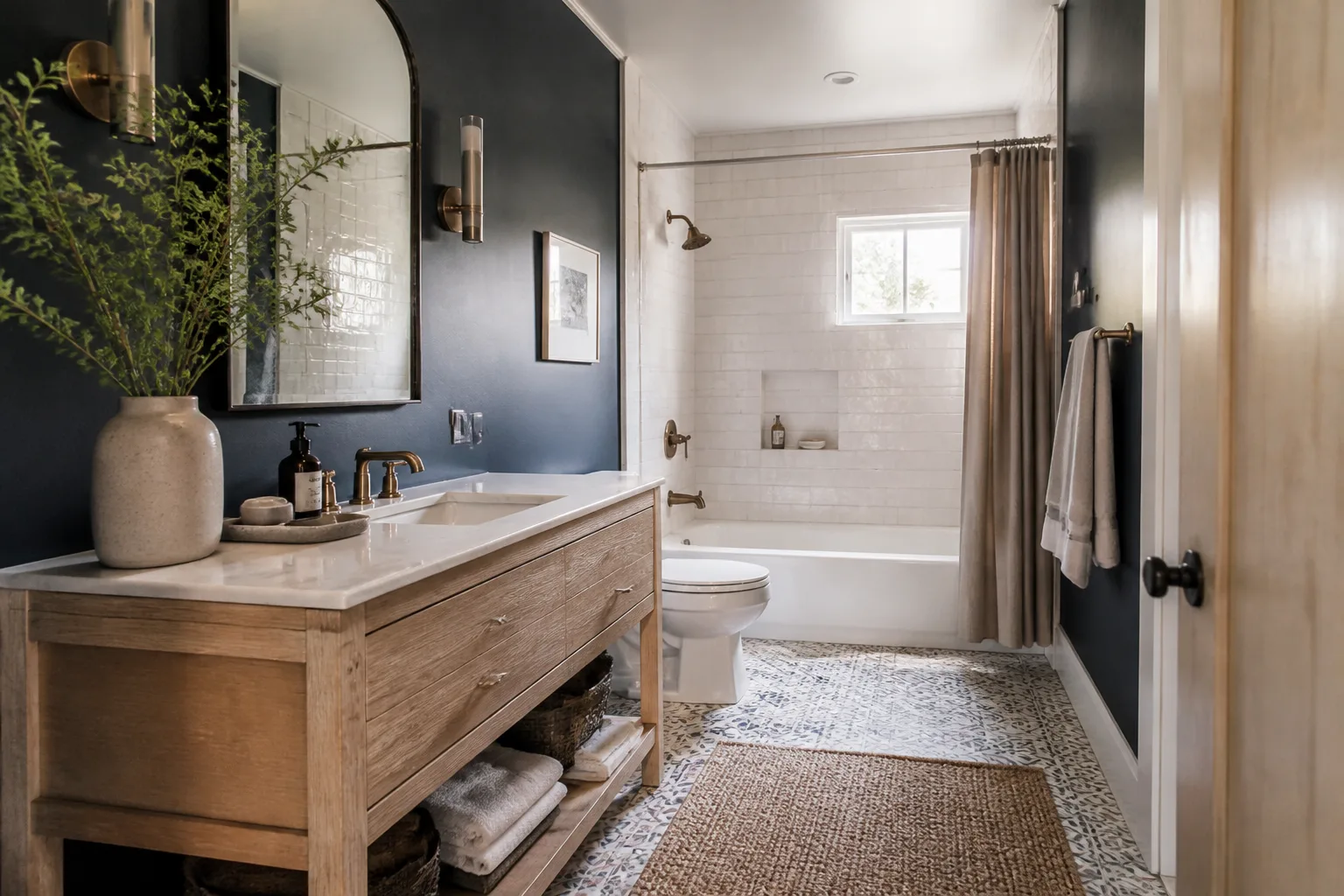
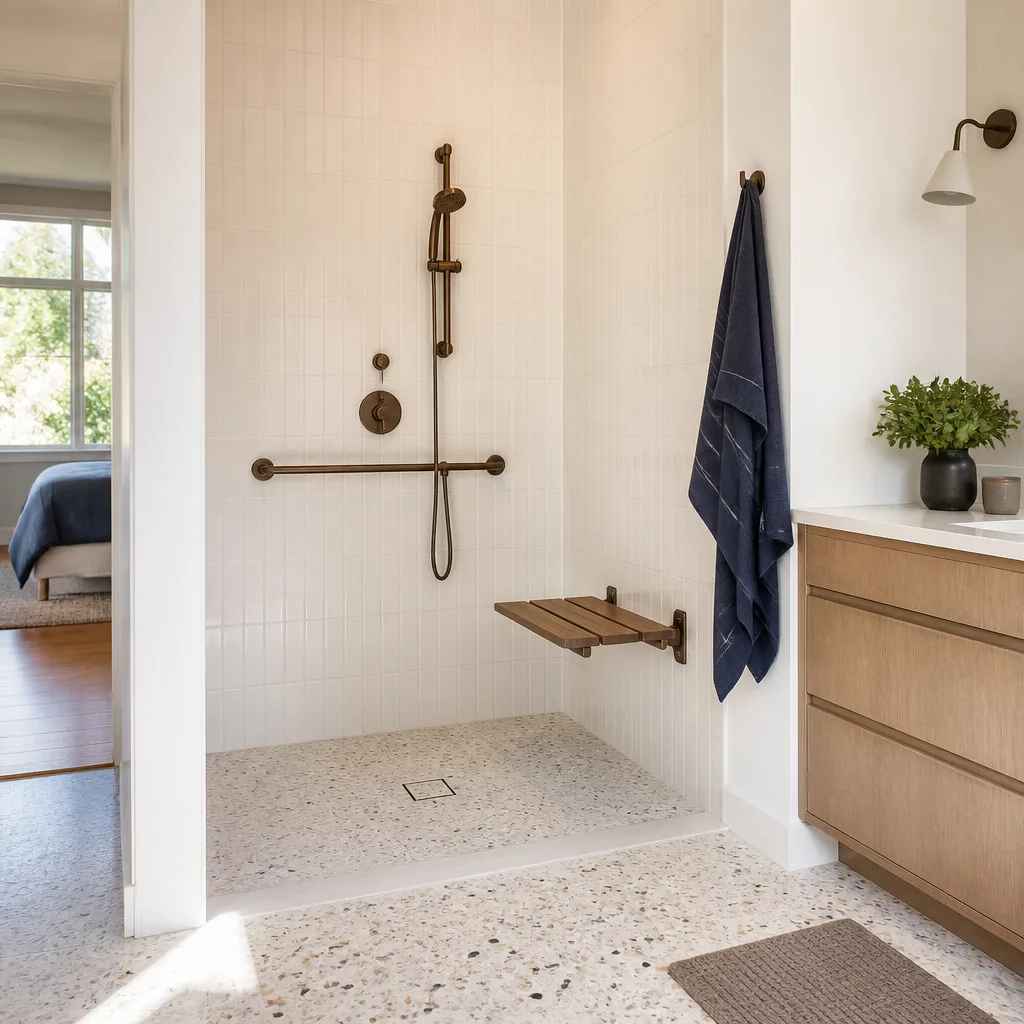
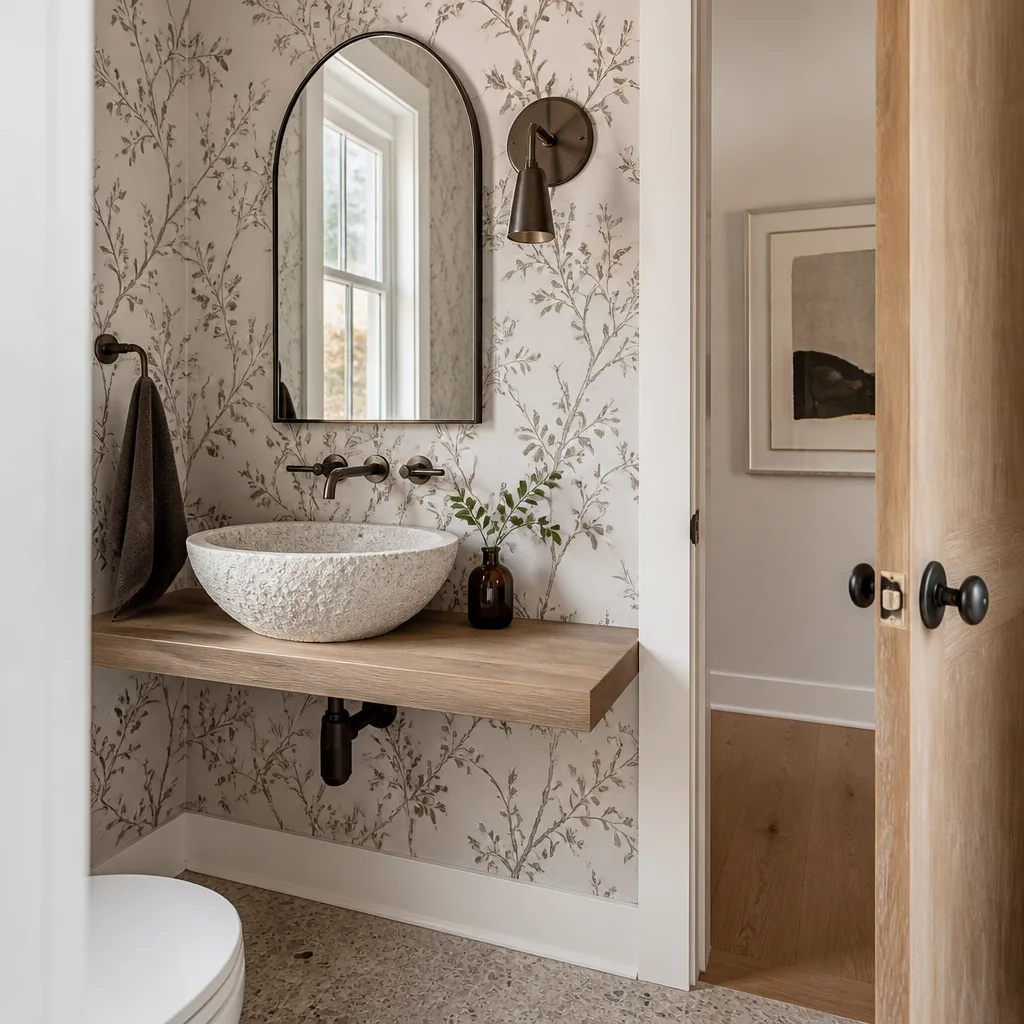


Free written scope consultation - allowances, timeline, and change-order rules on paper before a single trade is scheduled
The Complete Bathroom Remodeling Guide for Enterprise Homeowners
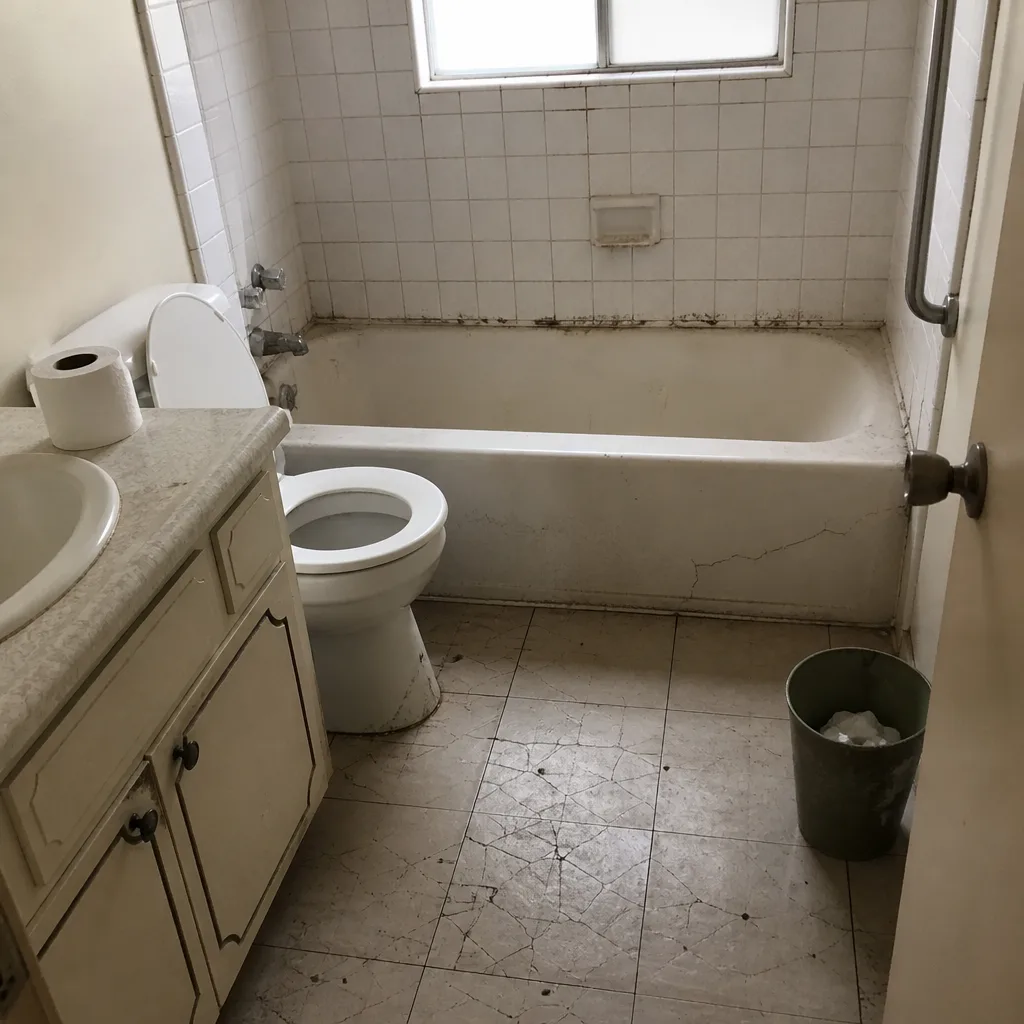
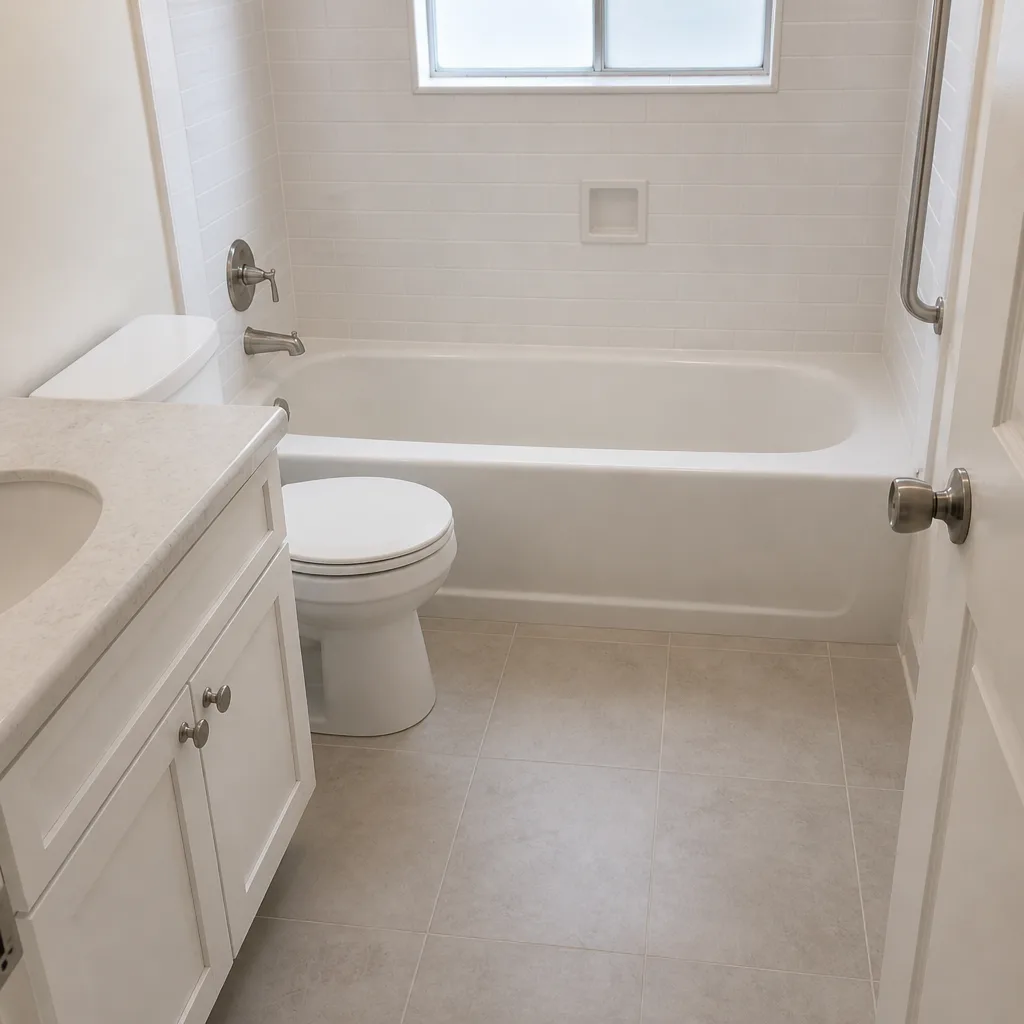
Enterprise grew up fast. Most of the housing here went up during the valley’s boom years, which means thousands of homes still carry their original builder-grade bathrooms: the same cultured-marble vanity tops, the same chrome shower valves, the same 12-inch beige floor tile. They looked fine on move-in day. Fifteen or twenty years later, three hidden problems show up once the tile comes off the wall. We see them constantly in Enterprise: failed pan liners under the shower, moisture that got behind the surround because the wallboard wasn’t properly sealed, and galvanized or early-PEX plumbing that’s due to be replaced while the walls are open. This guide walks you through permits, materials, budget tiers, crew verification, and how to read a scope document before you sign. By the end, you’ll know what a bathroom in Enterprise actually costs, what Clark County expects from you, and what to ask before anyone steps through your door.
Quick Answer
A full bathroom remodel in Enterprise, NV typically runs $14,000 to $32,000 for a standard hall or primary bath, and $30,000 to $60,000+ for a large primary suite with a curbless shower and freestanding tub. Most bathroom work in Enterprise requires a Clark County building permit, but cosmetic-only changes like swapping a vanity top or repainting can legally skip one. The single biggest cost driver isn’t the room’s square footage; it’s the fixture and surface tier you choose and whether the layout moves.
Styles & brands we work with
- Kitchen remodeling
- Bathroom remodeling
- Home additions & ADU
- Roofing
- Windows & doors
- Driveway & pavers
- Fence
Table of Contents
- What Clark County requires for a bathroom permit (and when you can skip one)
- Moisture, hard water, and materials that hold up in Southern Nevada
- How to build a realistic bathroom budget by square footage and fixture tier
- The crew verification question every Enterprise homeowner should ask
- What a written price protects you from during a remodel
- How to read the scope document before you sign
- How long a bathroom remodel actually takes in Enterprise
- Common mistakes to avoid
What Clark County requires for a bathroom permit (and when you can skip one)
Here’s the rule that matters most: in unincorporated Enterprise, any bathroom project that touches plumbing, electrical, mechanical, or the structural framing of the room requires a Clark County building permit. That covers moving a drain, relocating a toilet, adding a dedicated circuit for a heated towel bar, cutting a new window, or converting a tub to a walk-in shower. The permit threshold is triggered by trade work, not by the dollar amount of the project.
You can legally skip a permit for what Clark County treats as cosmetic-only work: repainting, replacing a vanity top without moving the plumbing, swapping a mirror, retiling a floor over an existing substrate with no layout change, or replacing a faucet with a like-for-like model. That last one trips people up. A licensed plumber swapping a shower valve cartridge is a repair. Cutting into the wall to move that valve six inches is a permit job.
Why this matters in Enterprise specifically: inspectors here know these subdivisions well, and they know the age of the plumbing. A permitted remodel forces the work to be inspected at the rough-in stage, before the tile hides it. That’s your one honest chance to catch a bad shower pan slope or a slow-draining re-route.
Steps to confirm your permit status before signing anything:
- Ask the contractor which trades they’re pulling permits for and in whose name. The permit should pull in the licensed contractor’s name, not yours.
- Ask for the permit number once it’s issued, before demolition begins.
- Confirm what inspections are scheduled (rough-in plumbing, electrical, framing, and final).
- Keep a copy of the inspection card with your project file.
If you’re planning a larger scope that touches structure or multiple rooms, review our General Contractor in Enterprise page for how we handle multi-trade permitting.
Moisture, hard water, and materials that hold up in Southern Nevada
Southern Nevada is dry enough that most people assume moisture isn’t a problem here. The opposite is true inside a bathroom. Our climate’s very low humidity means water on a counter or shower floor evaporates quickly, so leaks dry out and go unnoticed for weeks – until they’ve soaked into the subfloor or the wall cavity behind the tile. Meanwhile, Enterprise’s water is hard, typically running well above 200 parts per million of calcium and magnesium. That’s why shower glass fogs over within months, chrome fixtures spot, and cheap showerheads clog within a single year.
Materials that hold up here versus materials we see fail:
- Hold up: Porcelain tile (water absorption under 0.5%), glazed ceramic with proper waterproofing behind it, quartz surfaces like Cambria or Caesarstone that don’t absorb water, and solid-surface shower wall panels. Solid brass rough-in valves from Grohe or Moen hold up to hard water far better than builder-grade plastic cartridges.
- Fail within five years: Unsealed natural stone in a shower (limestone and marble etch and stain), porous travertine on a shower floor, chrome-plated die-cast fixtures with plastic stems, and any tile installed over drywall without a waterproof membrane. We also see acrylic shower surrounds crack at the seams in houses where the framing behind them had already shifted from the valley’s shrink-swell soil.
- Worth the upgrade: A water softener loop roughed in during the remodel if your Enterprise home doesn’t have one. It won’t save your glass, but it will double the working life of your fixtures and your tankless water heater.
The waterproofing detail is where most failures start. In our experience, the difference between an eight-year shower and a thirty-year shower is one thing: whether the installer used a bonded waterproof membrane (like Schluter Kerdi or a liquid-applied system) beneath the tile, or just tile over moisture-resistant drywall. Green board is not waterproof. It’s water-resistant, and in a shower with daily use, that distinction matters.
How to build a realistic bathroom budget by square footage and fixture tier
The most useful way to budget a bathroom in Enterprise is to work backwards from the room’s square footage and the tier of fixtures you want, not from a generic “average bathroom remodel” number. Here’s how we help Enterprise homeowners self-qualify before they ever call us.
Start with a base per-square-foot cost, then layer in fixture and surface tiers:
- Hall bath or guest bath (40-60 sq ft): $14,000-$22,000 for a mid-tier refresh with new tile, a tub-to-shower conversion or tub replacement, a quartz top, and Kohler or Moen fixtures.
- Primary bath (70-110 sq ft): $24,000-$42,000 for a mid-tier build with a curbless tile shower, a freestanding or drop-in tub, a double vanity with quartz, and upgraded cabinetry from KraftMaid or Wellborn.
- Large primary suite (120-200 sq ft): $38,000-$65,000+ for a premium build with a walk-in wet room, Toto or Kohler fixtures, book-matched porcelain slabs, and expanded storage.
- Cosmetic-only refresh: $4,000-$9,000 for a vanity swap, faucet replacement, repaint, and new lighting, no plumbing moves.
Fixture tier moves the budget more than square footage does. A Toto toilet runs three to four times a builder-grade model. A frameless glass shower enclosure runs $1,800-$4,200 depending on the panel size and hardware finish. Slab porcelain shower walls cost roughly double a large-format tile installation because of the fabrication and handling. A freestanding soaking tub is itself a $900-$3,000 item, but the plumbing rough-in for a freestanding unit is usually higher than a drop-in because the drain has to be threaded through the floor rather than run against a wall.
Three line items Enterprise homeowners consistently underestimate:
- Subfloor repair. If the original shower pan failed, you’ll likely need 1-2 sheets of subfloor replaced at $200-$500 each once the moisture damage is exposed.
- Ventilation. Most builder-grade bathrooms in Enterprise have a 50 CFM exhaust fan that hasn’t moved air in a decade. A new 80-110 CFM fan with a proper roof termination runs $350-$800 installed, and it’s the difference between a shower that dries out and one that breeds mold.
- Valve and drain relocation. Moving a drain more than a few feet means cutting into the slab. In Enterprise, slab cutting and re-pour runs $600-$1,800 per move.
If you’re also planning kitchen work, our Kitchen Remodeling in Enterprise guide covers how the two projects share plumbing and ventilation scope.
The crew verification question every Enterprise homeowner should ask
Here’s the question that matters more than almost any other line in this guide: “Who exactly is coming into my home, and how will I know it’s them?” Enterprise homeowners are often home alone during the day, or coordinating a remodel while managing young kids, or living in a home where an older parent stays during the day. Opening the door to a stranger is a real decision, not a formality. It deserves a real answer.
What a verifiable answer looks like:
- Background-checked and identity-verified crew. Not “everyone we use is vetted” – ask the specific process. At Mason Remodeling, this is called The Threshold Standard: every technician is background-checked and identity-verified before they ever reach your door.
- Name and photo before the visit. You should receive the technician’s name and photo ahead of the scheduled arrival, so you know who to expect.
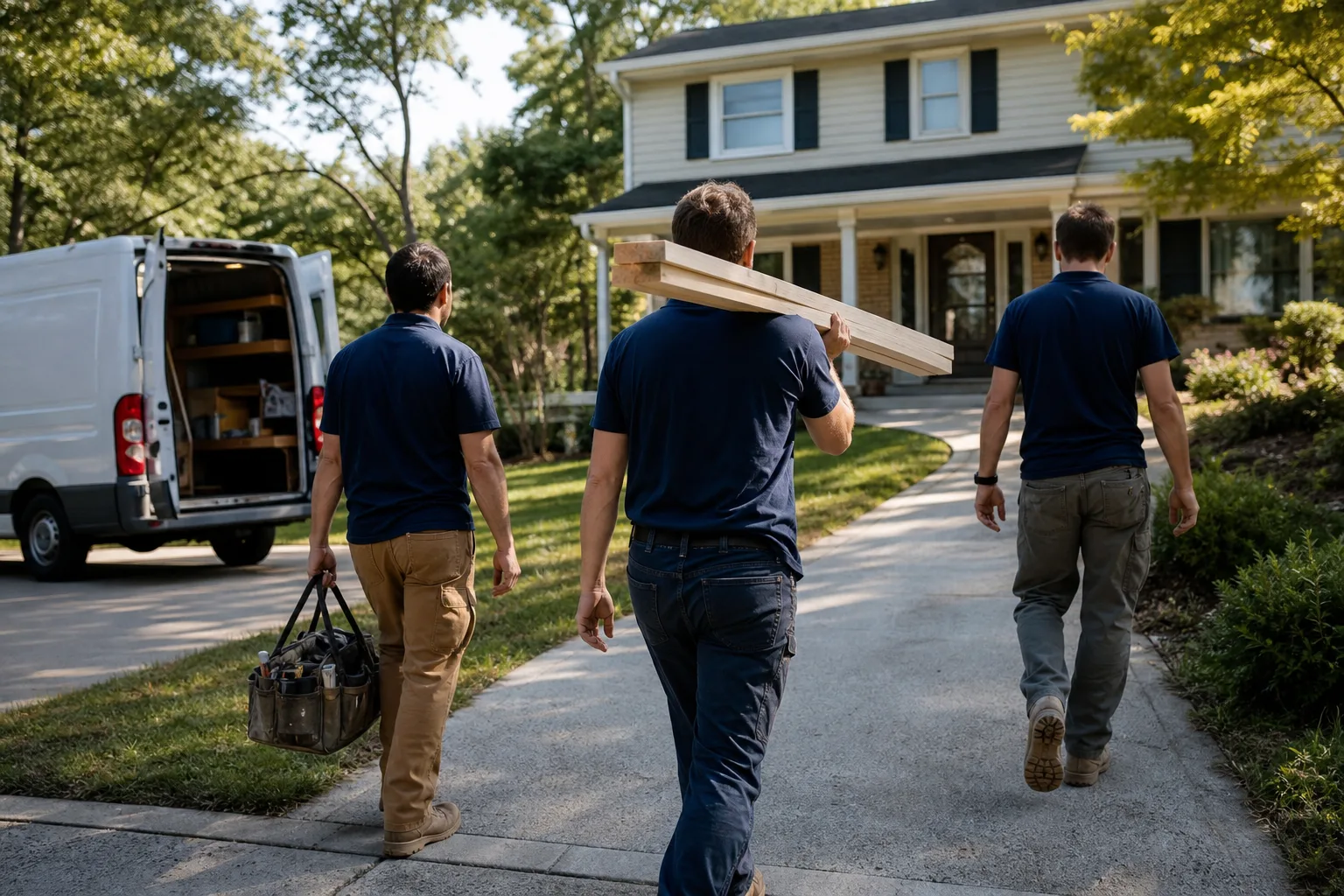
- Clean marked uniform and a photo ID badge at the door. Anyone arriving to work on your home should be wearing a visible uniform and be able to present a photo ID badge on request without hesitation.
- A live person answering the main phone line. If the number you call goes to voicemail after 5 p.m., that tells you what happens the day a pipe leaks at 7 p.m.
Follow-up questions worth asking any Enterprise remodeler:
- Are the crew members employees or subcontractors, and are subcontractors held to the same verification standard?
- Will the same crew be there every day, or does the team change mid-project?
- How do I reach someone if there’s a problem on a Saturday?
- What happens if a technician shows up and I don’t recognize them?
Proper answers, in our view, are: full verification regardless of employee or subcontractor status; the same lead crew for the duration; a live person by phone around the clock; and a clear instruction to call the main number before opening the door.
What a written price protects you from during a remodel
The single biggest protection in a bathroom remodel is a written price delivered before any work starts. A verbal estimate is a starting point. A written price is a commitment. During a bathroom project, the gap between those two can run into thousands of dollars because the surprises are all hidden – behind the tile, under the floor, inside the wall.
A written price protects you from four specific things:
- Scope creep. A line-item price forces the contractor to define what’s included and excluded. “Tile work” is not a line item. “Standard-set 12×24 porcelain wall tile, shower walls only, at $X per square foot” is a line item.
- Surprise invoices. When the shower pan needs replacing because the old liner failed, a written scope tells you up front whether that’s covered or whether it’s a change order in a defined amount.
- Disputed materials. A written price with specified brands (Kohler, Moen, Grohe, Cambria, KraftMaid) and model numbers means the installer can’t quietly substitute. It also means you can compare bids apples to apples.
- Silent upgrades. The reverse risk: a contractor upgrading to a nicer product than you agreed to and billing the difference. Written specs prevent both.
At Mason Remodeling, a written price is delivered on every project before any work begins. It’s not a promotion, not an upgrade, and it’s never waived. Combined with the 365-Day Done Right Promise – if the work isn’t right within a year of completion, we make it right at no cost to you – the price and the guarantee together are what separates a real commitment from a sales pitch.
Read the guarantee terms before signing. Ask specifically what’s covered, what’s excluded, whether the warranty transfers if you sell the home, and what the free return-visit policy actually commits to.
How to read the scope document before you sign
A scope document is not the same thing as the price. The price tells you what you’re paying. The scope tells you what you’re getting. Read them together, line by line, and you’ll avoid the most common remodel dispute before it can happen.
Seven things to confirm in any bathroom scope document for an Enterprise project:
- Demolition detail. What’s included? Removing tile, vanity, toilet, tub or shower, mirror, lighting, and haul-away? Or just the fixture swap?
- Waterproofing specification. It should name the membrane system (Schluter Kerdi, RedGard, or equivalent). “Waterproofing included” is not enough.
- Permit line. Is the permit pulled and inspected, and who pays the permit fee?
- Materials with model numbers. Tile size and manufacturer, fixture model numbers, cabinet door style and finish, countertop material and edge profile.
- Timeline with milestones. Demo dates, rough-in inspection dates, tile start, and final walkthrough. Not a total-days number.
- Change-order terms. How are unforeseen conditions priced, and who approves them before the work proceeds?
- Warranty terms in writing. Not “quality guaranteed,” but a specific duration with stated coverage and exclusions.
If any of those lines are missing or vague, ask before signing. A responsible remodeler will clarify in writing.
How long a bathroom remodel actually takes in Enterprise
A hall bath in Enterprise runs two to three weeks of active work. A primary bath runs four to six weeks. Large primary suites with slab walls and a wet-room configuration run six to eight weeks. Add time for permit review (typically two to four weeks with Clark County), and add a buffer if any applicable homeowners association in your Enterprise subdivision requires architectural review before construction starts.
Where the schedule actually breaks:
- Slab work. Moving a drain means cutting and repouring, which adds 2-4 days and needs an inspection window.
- Material lead times. Slab porcelain and specialty tile can run 3-6 weeks. Custom cabinetry from KraftMaid or Wellborn runs 4-8 weeks depending on the finish and door style.
- Inspection scheduling. Rough-in and final inspections are handled on Clark County’s calendar, not the contractor’s.
A contractor who tells you a full primary bath will be done in ten days is either not pulling the permit, not allowing for inspections, or not including the necessary cure times for tile and grout. Build the real schedule into your expectations and it becomes a project you can plan around.
Common Mistakes to Avoid
- Skipping the permit because “it’s just a shower.” Cutting into the wall for a shower valve relocation is a permit job in unincorporated Enterprise, and an unpermitted remodel that later shows up on a resale disclosure can cost you more in negotiated price than the remodel cost in the first place.
- Choosing tile before waterproofing. It’s a natural sequence because tile is visible and waterproofing isn’t. But the waterproofing system determines the whole shower’s lifespan. Choose the system first, then the tile.
- Installing natural stone in a shower without a plan for hard water. Travertine and marble in an Enterprise shower etch, stain, and discolor within a few years of daily use. Porcelain with a stone-look finish gives you the same appearance without the maintenance.
- Accepting a verbal estimate. It’s the single most common source of a surprise invoice. A written price before work begins, on every project, every time, is the norm – not the exception.
- Letting an unfamiliar crew member into the home without verification. Ask about background checks, identity verification, and whether you’ll receive the technician’s name and photo before the visit. A crew that hesitates to answer is telling you something.
- Choosing a low CFM exhaust fan to save a few dollars. An undersized fan in Southern Nevada’s dry-but-sealed-tight homes leaves moisture trapped after every shower. The $200 you save on the fan costs you mold remediation later.
- Assuming the vanity top can stay when the plumbing moves. If the sink or faucet is being relocated even a few inches, the countertop has to come off, and in most cases it can’t be reinstalled without damage.
See the difference
 Before
 After
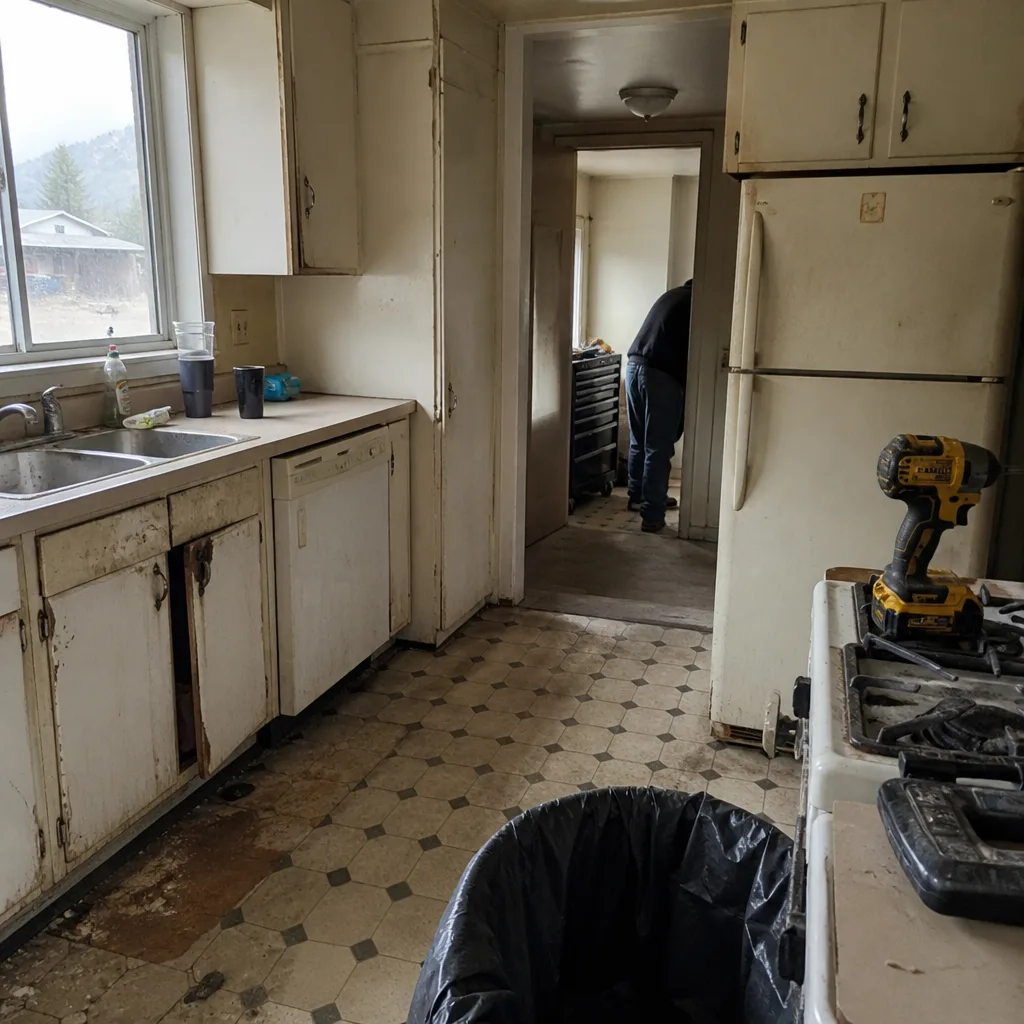 Before
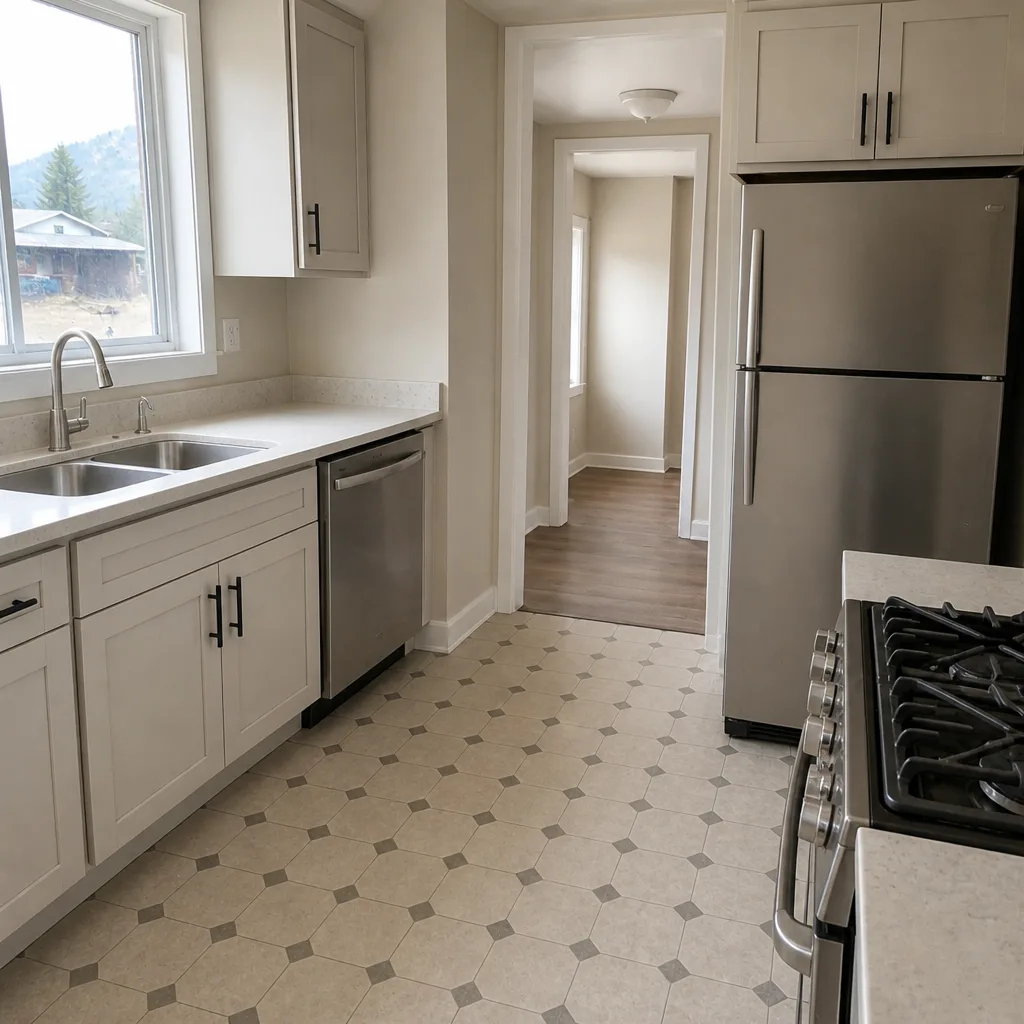 After
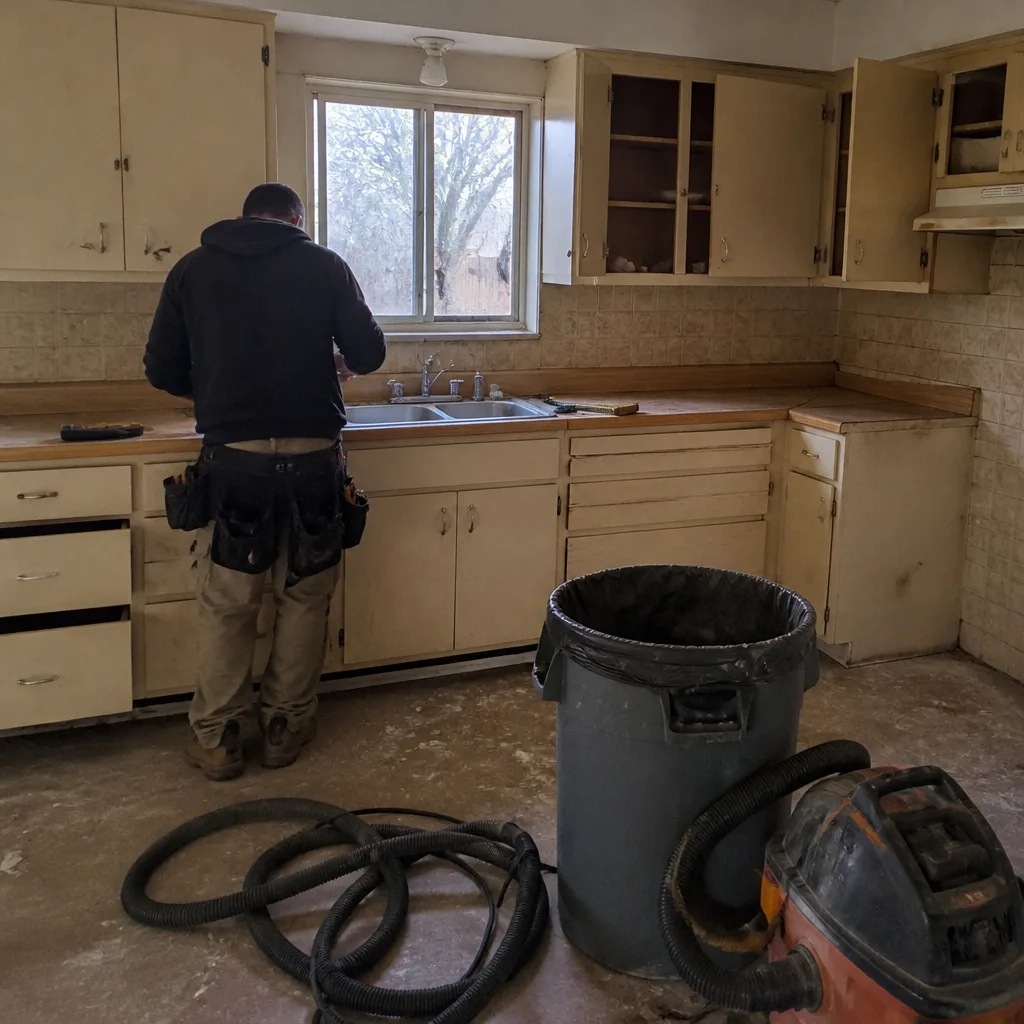 Before
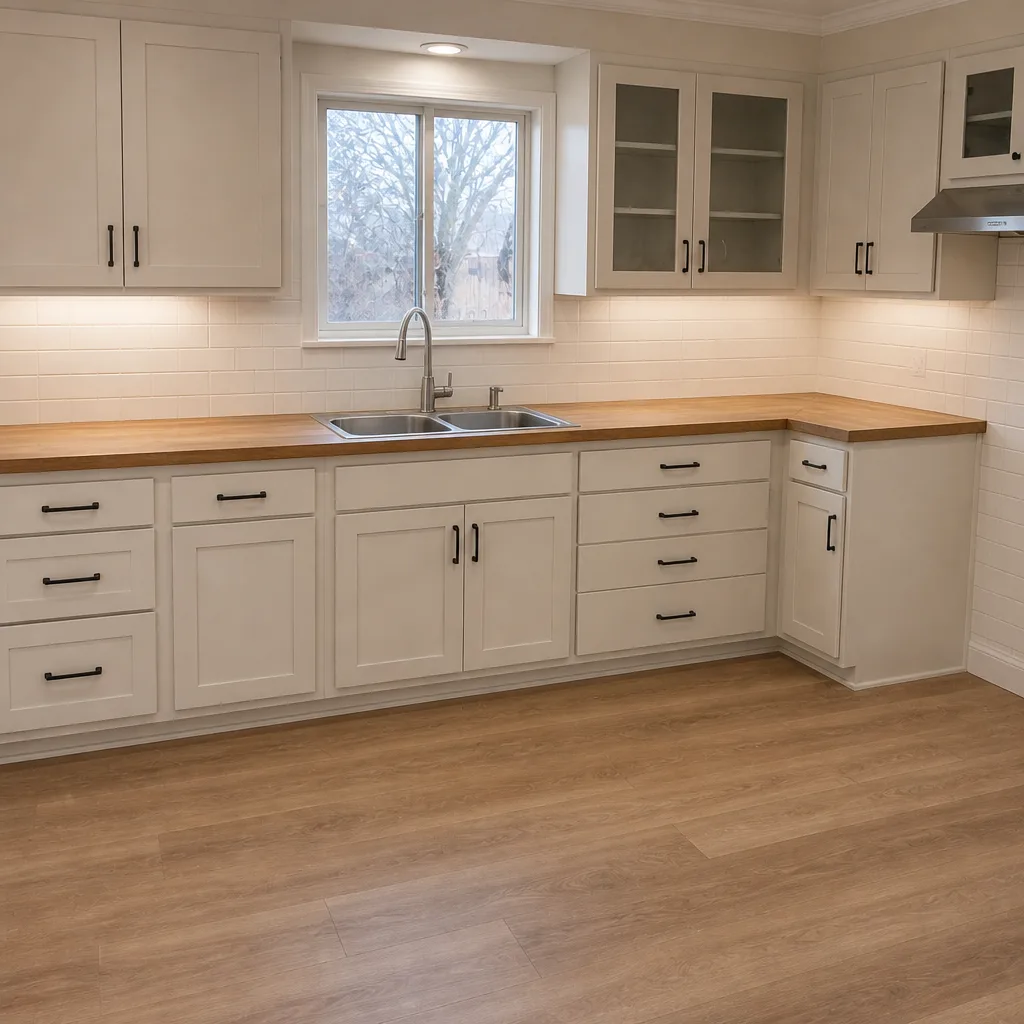 After
When to Call a Professional
Call a professional when the project touches plumbing, electrical, or structural framing – which is most bathroom projects. Call when you’re converting a tub to a shower (the drain, slope, and waterproofing are too often done wrong by owner-builders), when tile is installed in a wet area (poor waterproofing is the number one cause of hidden moisture damage in Enterprise homes), when a permit is required, and when you plan to sell within a few years and need the work documented and permitted. Call when the existing shower leaks – slow leaks behind tile rarely show up until the subfloor is soft. And call when the bathroom is the only one in the home and a mistake would leave you without a functioning bathroom for days. Mason Remodeling Enterprise offers free estimates in Enterprise. Call (844) 797-6157 to schedule yours.
Frequently Asked Questions
A hall bath in Enterprise typically runs $14,000-$22,000, a primary bath $24,000-$42,000, and a large primary suite $38,000-$65,000+. Fixture tier and any plumbing relocation drive the biggest cost differences. Call (844) 797-6157 for an exact quote – estimates are free.
Yes, if the project touches plumbing, electrical, mechanical, or structural work. Cosmetic-only changes like repainting, swapping a vanity top without moving the plumbing, or replacing a faucet with a like-for-like model usually do not require a permit in unincorporated Clark County. When in doubt, call the county before demolition – the answer takes less time than dealing with an unpermitted remodel on resale.
A hall bath runs two to three weeks of active work; a primary bath four to six weeks; a large primary suite six to eight weeks. Add two to four weeks for Clark County permit review and any HOA architectural approval before construction starts. Material lead times can extend the schedule if custom cabinetry or specialty tile is involved.
Porcelain tile, quartz surfaces (Cambria, Silestone, Caesarstone), solid-surface shower panels, and solid-brass rough-in valves from Grohe, Moen, Kohler, or Toto hold up far better than natural stone, porous travertine, or plastic-cartridge builder-grade fixtures. Unsealed limestone and marble in a shower are the most common five-year failures we see in Enterprise.
Not for any item that’s specified in the written scope. Changes happen only when unforeseen conditions appear – rotted subfloor under a failed shower pan, or a plumbing run that needs replacement – and any change should be quoted in writing and approved by you before the work proceeds. Call (844) 797-6157 to review what your project’s written price will cover.
A written guarantee with stated terms – what’s covered, what’s excluded, and for how long – plus a free return visit if a repair or installation fails. Mason Remodeling’s 365-Day Done Right Promise covers workmanship for a full year from completion, and no-cost return visits are included. Ask any remodeler to put their exact guarantee terms in writing before you sign.
The Bottom Line
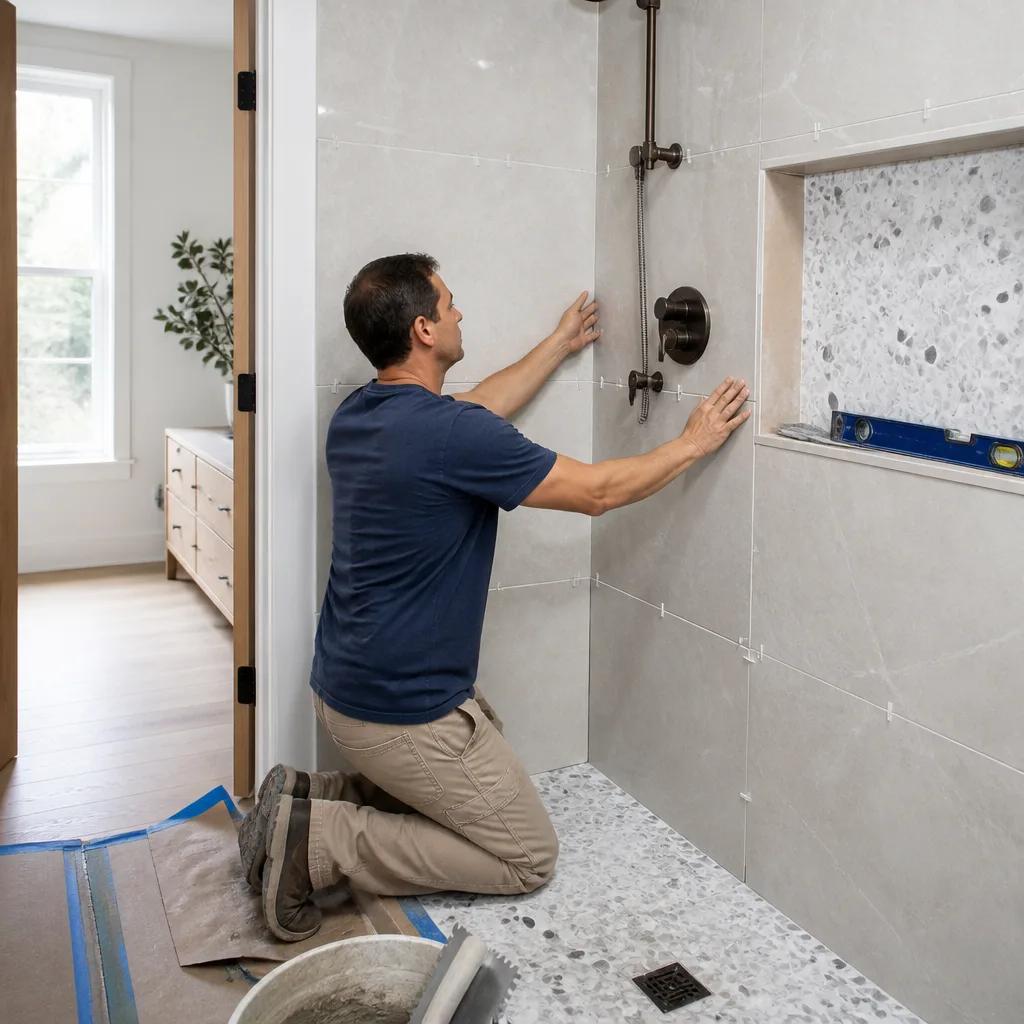
A bathroom remodel in Enterprise is a specific project with specific local pressures: Clark County permits triggered by trade work, hard water that ages cheap fixtures fast, materials that fail in five years if chosen poorly, and a housing stock where hidden moisture damage is the norm rather than the exception. Budget by fixture tier and square footage, insist on a written price before work begins, verify who’s coming into your home, and read the scope document line by line. None of that is glamorous, and all of it is what separates a remodel that holds up for thirty years from one you regret in three.
Ready to price your project? Bathroom Remodeling in Enterprise is what we do, and we’d be glad to walk you through yours. For the full picture of everything we build – bathrooms, kitchens, whole homes, and beyond – start at the Mason Remodeling Enterprise home page.
Call (844) 797-6157 to schedule your free estimate. A live person answers every call, and a written price is what you’ll receive before any work begins.
Written by the team at Mason Remodeling Enterprise.