Last updated November 17, 2026







Free written scope consultation - allowances, timeline, and change-order rules on paper before a single trade is scheduled
Construction Cost Breakdown: The Enterprise Homeowner’s Reference for 2026
The national average kitchen remodel figure cited on most websites is built from a dataset that includes rural Mississippi and Manhattan, neither of which has anything to do with what a licensed crew costs in Southern Nevada right now. Clark County labor rates, the Las Vegas distribution corridor, and permit fee schedules move the real number in ways a national average can’t capture. This guide replaces the averages with numbers you can hold a contractor to in Enterprise. You’ll get per-square-foot labor ranges, permit fee structures, supply chain realities, and a method for reading a bid so the contingency line doesn’t surprise you.
Quick Answer
In Enterprise, a mid-range kitchen remodel runs roughly $75,000 – $140,000 in 2026, a hall bath $18,000 – $35,000, and whole-home renovations $200 – $400 per square foot depending on structural work and finish level. Clark County permit fees add $800 – $4,500 by project scope, and Nevada’s supply chain adds lead time on cabinetry and specialty surfaces ordered through the Las Vegas corridor. The single biggest swing factor is whether your bid is fixed-price or time-and-materials.
Styles & brands we work with
- Kitchen remodeling
- Bathroom remodeling
- Home additions & ADU
- Roofing
- Windows & doors
- Driveway & pavers
- Fence
Table of Contents
- Per-Square-Foot Labor Rates for Clark County in 2026
- Nevada’s Supply Chain: What Ships Locally and What Doesn’t
- Clark County Permit Fees: The Line Item Most Estimates Omit
- How to Read a Contractor Bid Without Getting Burned
- Fixed-Price vs. Time-and-Materials Contracts
- Project-Type Cost Ranges for Enterprise Homes
- Common Mistakes to Avoid
- Frequently Asked Questions
Per-Square-Foot Labor Rates for Clark County in 2026
Labor is the number that most estimates bury, and in Enterprise it varies more than homeowners expect. A licensed, insured framing crew charges $55 – $85 per square foot of finished floor area for structural work. A finish carpentry crew runs $45 – $70 per square foot. Tile setting is $12 – $22 per square foot of tile field. The spread within those ranges is driven by three things: whether the crew carries workers’ compensation, how much demolition and haul-off is included, and whether the contractor uses subcontractors or employees.
We’ve seen bids inside Enterprise come in 30% apart for identical scopes. The difference nearly always comes down to insurance, permits, and whether the bid includes cleanup. A crew that skips workers’ comp can quote lower. That’s not a discount, it’s a transfer of risk to the homeowner if someone gets hurt on your property.
The variables that push you toward the top of the range in Enterprise:
- Structural changes. Moving a load-bearing wall means engineering, a beam, and a permit. Add $6,000 – $15,000.
- Second-story work. Fall protection, staging, and slower material handling add 10 – 18%.
- Older housing stock. Homes built before 1990 in Enterprise often have surprises behind drywall: undersized wiring, older plumbing, no insulation.
- HOA approvals. Exterior work in master-planned Enterprise communities adds review time and sometimes material constraints.
- Occupied home. Work performed around a family living in the space costs more than work on an empty house. Dust protection, daily cleanup, and staging are real hours.
The variables that push you toward the bottom of the range: open floor plans with no structural work, mid-grade finishes, a vacant home, and a single trade doing the whole scope rather than a chain of subcontractors.
Nevada’s Supply Chain: What Ships Locally and What Doesn’t
Southern Nevada sits at the end of a long supply line. Most building materials arrive through the Las Vegas distribution corridor, and what’s stocked in local warehouses ships in days. What isn’t stocked has to be ordered and can add two to six weeks to your schedule. Knowing which is which changes how you read a bid’s timeline.
Stocked locally, generally available within a week:
- Standard lumber, drywall, and framing materials.
- Builder-grade plumbing fixtures from Kohler and Moen through local supply.
- Basic tile and LVP flooring in common colors.
- Concrete, stucco, and standard roofing materials.
Ordered with lead time, generally two to six weeks:
- Semi-custom and custom cabinetry from KraftMaid and Wellborn.
- Cambria and other engineered quartz surfaces cut to spec at the fabricator.
- Specialty tile, natural stone slabs, and mosaic patterns.
- Windows and doors outside standard sizes.
- James Hardie fiber cement siding in non-standard profiles or colors.
In Enterprise, the practical rule for 2026 is this: order cabinetry and surfaces the week your permit is filed, not the week your demolition starts. We’ve seen homeowners sit for a month with a finished floor and no cabinets because the order was placed after demo. If your bid doesn’t name a lead time for cabinet and countertop delivery, ask for it before you sign. A general contractor in Enterprise who has run projects through this corridor should know the lead times without checking.
Clark County Permit Fees: The Line Item Most Estimates Omit
Permit fees are the quietest line item in construction. They’re not contractor profit, they’re county revenue, and they vary by project valuation and type. The figure is usually 1 – 2% of project value, with a base minimum that matters on small jobs. Homeowners who don’t see this line in a bid often find it appended later as a change order.
Approximate 2026 permit ranges for common Enterprise projects:
- Hall bath remodel: $350 – $900.
- Primary bath remodel: $500 – $1,300.
- Kitchen remodel: $700 – $2,200.
- Structural remodel (wall removal, addition): $1,500 – $4,500.
- Whole-home remodel: $3,000 – $6,000.
Those figures cover the permit fee itself. They don’t cover plan review, engineering letters, energy compliance documentation, or the contractor’s time spent coordinating inspections. A serious bid breaks out all of it.
Which projects require a permit in Clark County matters too. This tripped-up list is worth knowing before you compare bids:
- Moving or removing any wall, whether or not it’s load-bearing.
- Any change to plumbing rough-in (moving a sink, adding a fixture).
- Any change to electrical circuits (new outlets, relocated panels, added appliances).
- Any change to gas lines (range relocation, new fixtures).
- Any structural work, including new windows in framed openings.
- Roofing replacement (inspection required, permit depends on scope).
Cosmetic work like paint, flooring over existing subfloor, and cabinet replacement in the same footprint typically doesn’t need a permit. Ask the contractor to state clearly in writing which permits will be pulled. The answer should match the Clark County schedule, not the contractor’s convenience.
How to Read a Contractor Bid Without Getting Burned
A bid is a contract draft, not a brochure. In Enterprise, we’ve seen homeowners choose a bid $4,000 lower than the next one, then pay $12,000 in change orders that were all foreseeable. The difference between those two bids was rarely price. It was how clearly the low bid hid what it didn’t include.
Read every bid with these questions in hand:
- Is there a contingency line? A real bid names an allowance for unforeseen conditions, typically 10 – 15%. If the number is 0%, the contractor will find one later.
- Is debris removal included? A dumpster for a kitchen remodel runs $500 – $900 installed. Haul-off for whole-home work runs $1,200 – $2,500. If it’s not stated, it’s a change order.
- Is permit cost included? Should be a line, not a note.
- Are materials specified by brand and model? “Tile allowance” is not a specification. “Cambria quartz, model X, 40 square feet” is.
- Does the bid state who pulls the permit? If the homeowner does, the contractor is shifting liability for inspection failures onto you.
- Is there a schedule with milestones? Vague timelines let a project drift without consequence.
- Is cleanup and final walk-through stated? Daily cleanup, final cleaning, and a punch list process are all line items with cost.
The strongest bids read like a plan. The weakest read like a hope. At Mason Remodeling, every project starts from a written price delivered before any work begins. That isn’t a courtesy: it’s a way of forcing all these questions to the front of the conversation, before a tool comes out of the truck. You can see how that plays out on our General Contractor in Enterprise page.
Fixed-Price vs. Time-and-Materials Contracts
There are two ways to price a job: fixed-price and time-and-materials. Both are legitimate. The choice depends less on preference and more on how well-defined the scope is at signing. Choosing wrong is one of the most expensive mistakes a homeowner can make.
Fixed-price means the contractor commits to a number for a defined scope. That number doesn’t move unless the scope changes. It’s the right fit for:
- Kitchen and bathroom remodels where the design is fully specified before signing.
- Whole-home remodels with complete drawings and a defined finish schedule.
- Any project where you want certainty on the total.
The trade-off: fixed-price contracts often carry a 10 – 20% premium for the contractor’s risk. That premium is real, not padding. It’s the contractor’s insurance against a surprise behind the wall.
Time-and-materials means you pay for hours and materials with a mark-up. It’s the right fit for:
- Repair work where nobody knows the scope until the wall opens.
- Historic or older homes with unknown conditions.
- Small jobs too costly to scope fully.
The trade-off: no ceiling on the total. Time-and-materials bids should always carry a not-to-exceed cap and a change-order process with written approval before any work proceeds.
For Enterprise kitchens and baths, fixed-price with a stated contingency is nearly always the better choice. The scope is usually definable, the market is competitive, and the certainty is worth the premium. Where time-and-materials makes sense, insist on a written cap. A contractor who resists putting a cap in writing is telling you something about their business model.
Project-Type Cost Ranges for Enterprise Homes
Here’s where the abstract becomes concrete. These ranges reflect 2026 labor and material costs for mid-grade finishes in the Enterprise market. Luxury finishes push above the top of each range. Builder-grade finishes can land at the bottom.
- Kitchen remodel, mid-grade: $75,000 – $140,000 ($200 – $350 per square foot).
- Kitchen remodel, luxury: $140,000 – $250,000+.
- Hall bathroom: $18,000 – $35,000.
- Primary bathroom: $35,000 – $85,000.
- Whole-home remodel, light: $150 – $225 per square foot.
- Whole-home remodel, mid: $225 – $325 per square foot.
- Whole-home remodel, full gut with structural: $325 – $450+ per square foot.
- Structural addition, 400 square feet: $150,000 – $280,000.
In Enterprise specifically, homes built between 1995 and 2008 tend to have predictable scopes: original cabinetry at end of life, tile from the era, plumbing that’s aging but functional. Homes built before 1990 often carry electric panel upgrades ($3,000 – $7,000), copper-to-PEX repiping ($8,000 – $18,000), and window replacement ($8,000 – $22,000 for a whole home). Those numbers are not in the base remodel bid. They need to be, or you’ll discover them mid-project.
If you’re zeroing in on a specific project type, our Kitchen Remodeling in Enterprise and Bathroom Remodeling in Enterprise pages break down scope by line item. For a sense of how a full-scope contractor manages these ranges across a whole project, see the Mason Remodeling Enterprise home page.
Common Mistakes to Avoid
- Using a national average as a budget. A “national kitchen average” dataset includes markets where labor costs half what it does in Clark County. Budget against local rates or you’ll be $30,000 short before you pick a faucet.
- Ignoring permit fees in the budget. Homeowners in Enterprise routinely forget the $1,500 – $4,000 in permit and inspection costs on a mid-sized remodel. Add the line before comparing bids.
- Accepting a verbal estimate. A verbal number is a wish. A written, line-itemed bid is a contract draft. If the contractor won’t put it in writing, they’ve just told you how the relationship will go.
- Signing a fixed-price contract on an undefined scope. Fixed-price only protects you when the scope is fully specified. Otherwise the “fixed” number becomes a moving one via change orders.
- Choosing the lowest bid without reading what’s excluded. The difference between the low bid and the second-lowest is rarely $4,000. It’s usually $10,000 in change orders that were predictable from the start.
- Ordering cabinetry after demo starts. In Southern Nevada, cabinet lead times can run four to six weeks. Order at permit filing or watch your project sit open.
- Skipping the insurance verification. Ask for a certificate of insurance naming you as additionally insured before day one. Verify workers’ comp is current. A crew without it is a risk you’re absorbing.
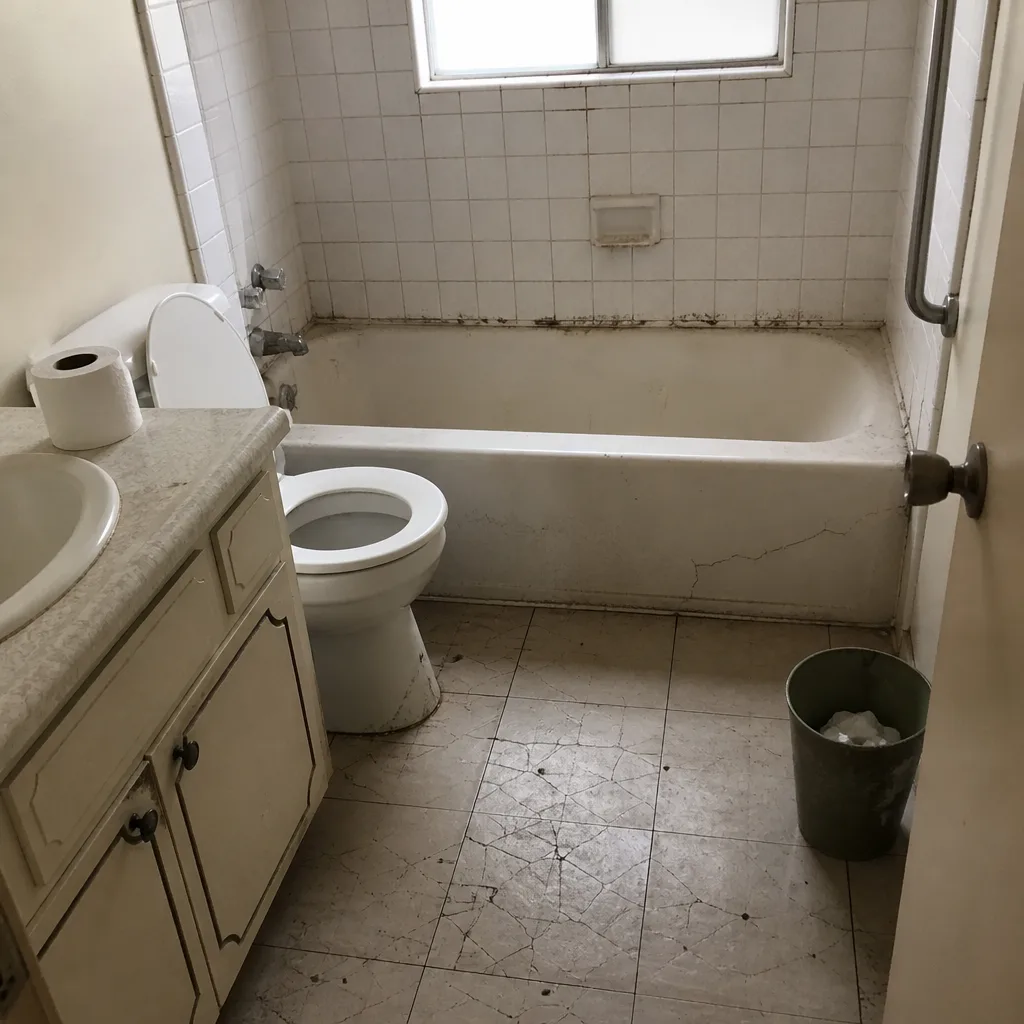
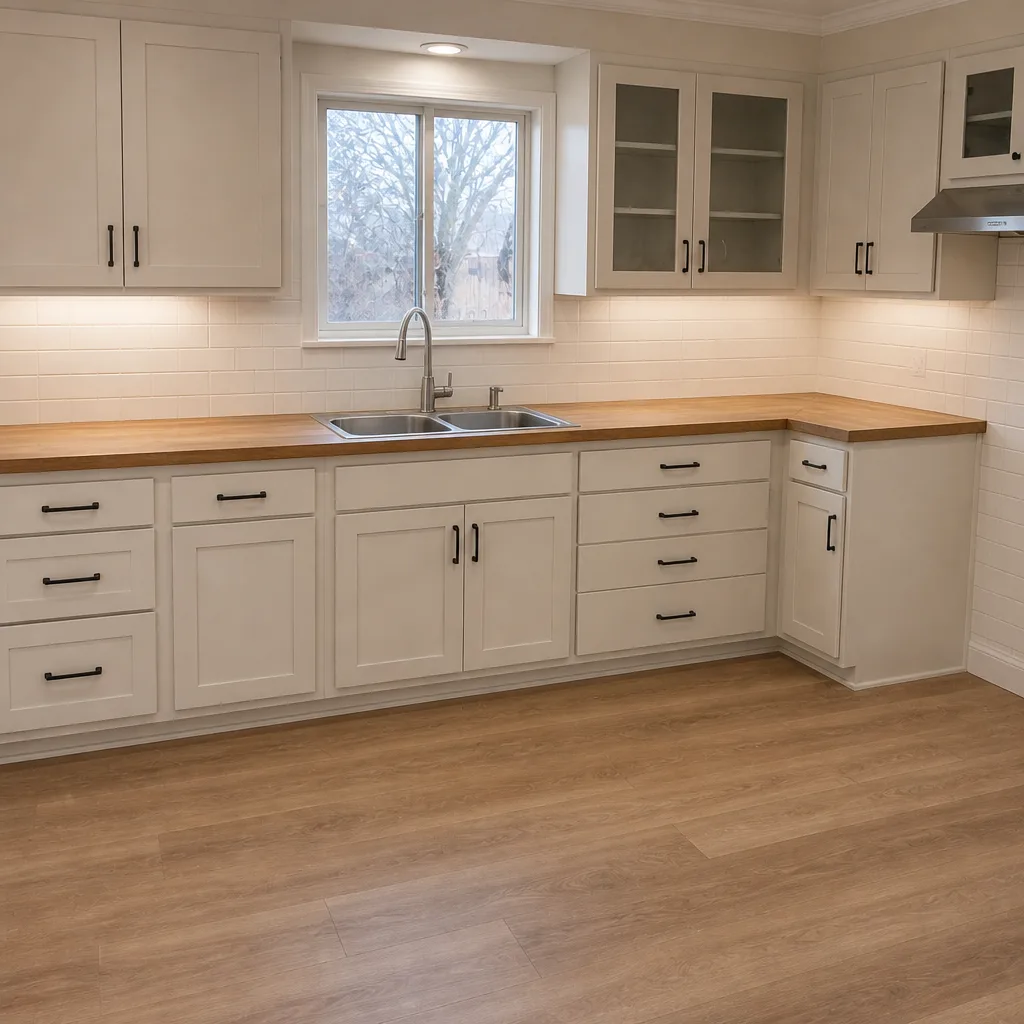
See the difference
 Before
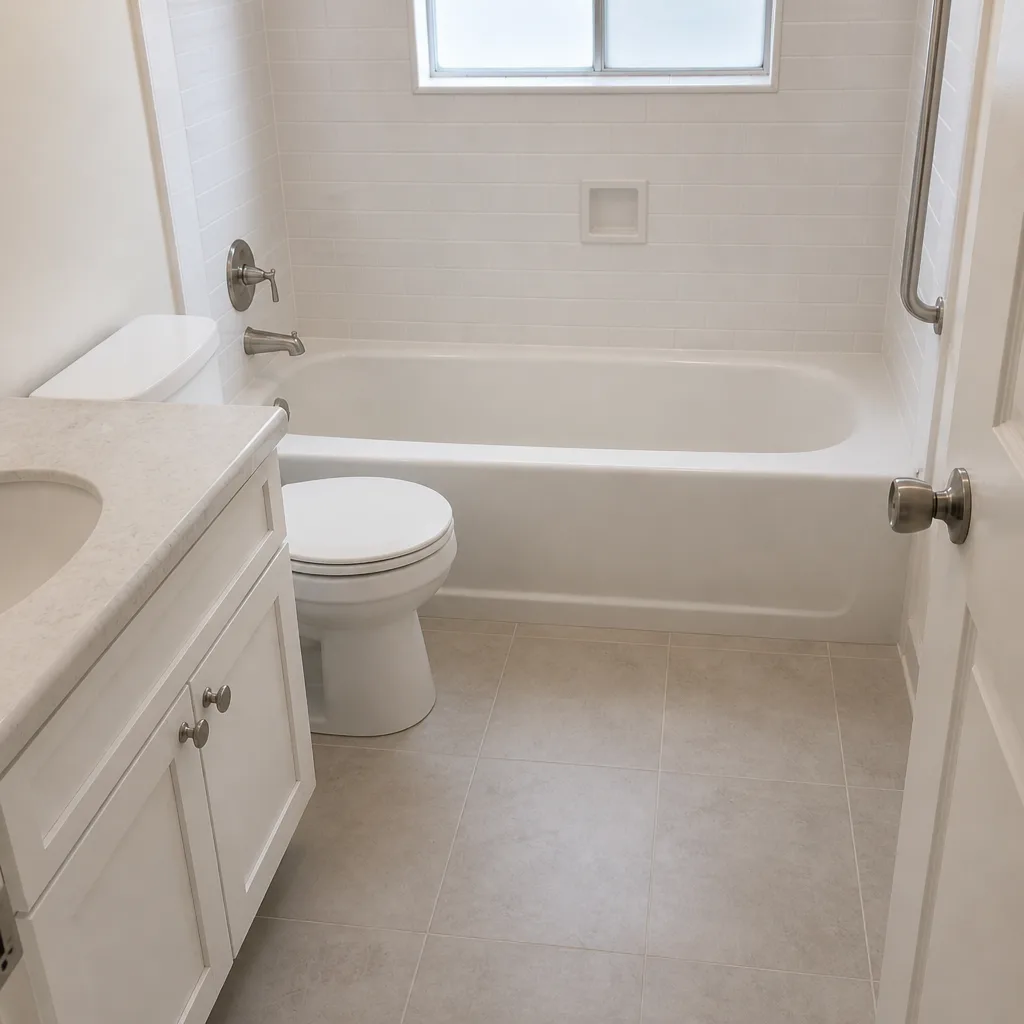 After
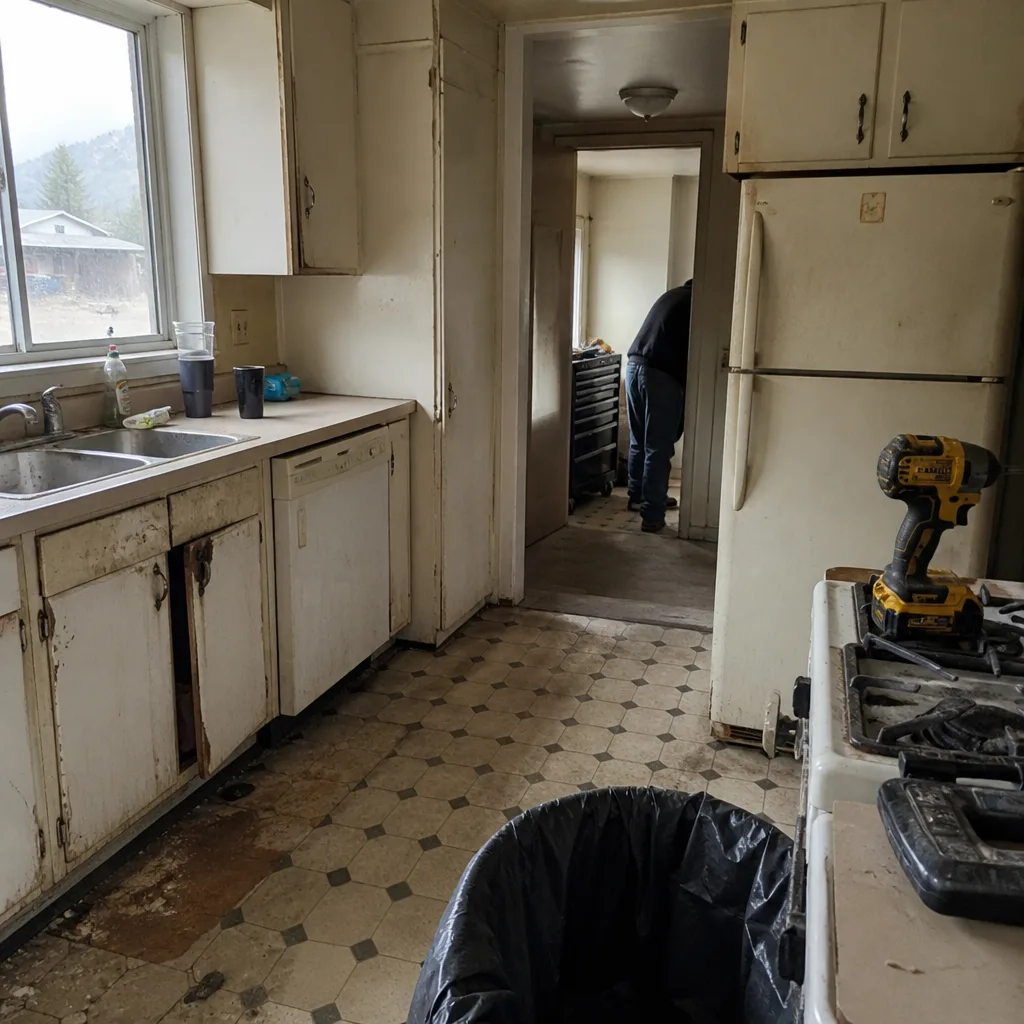 Before
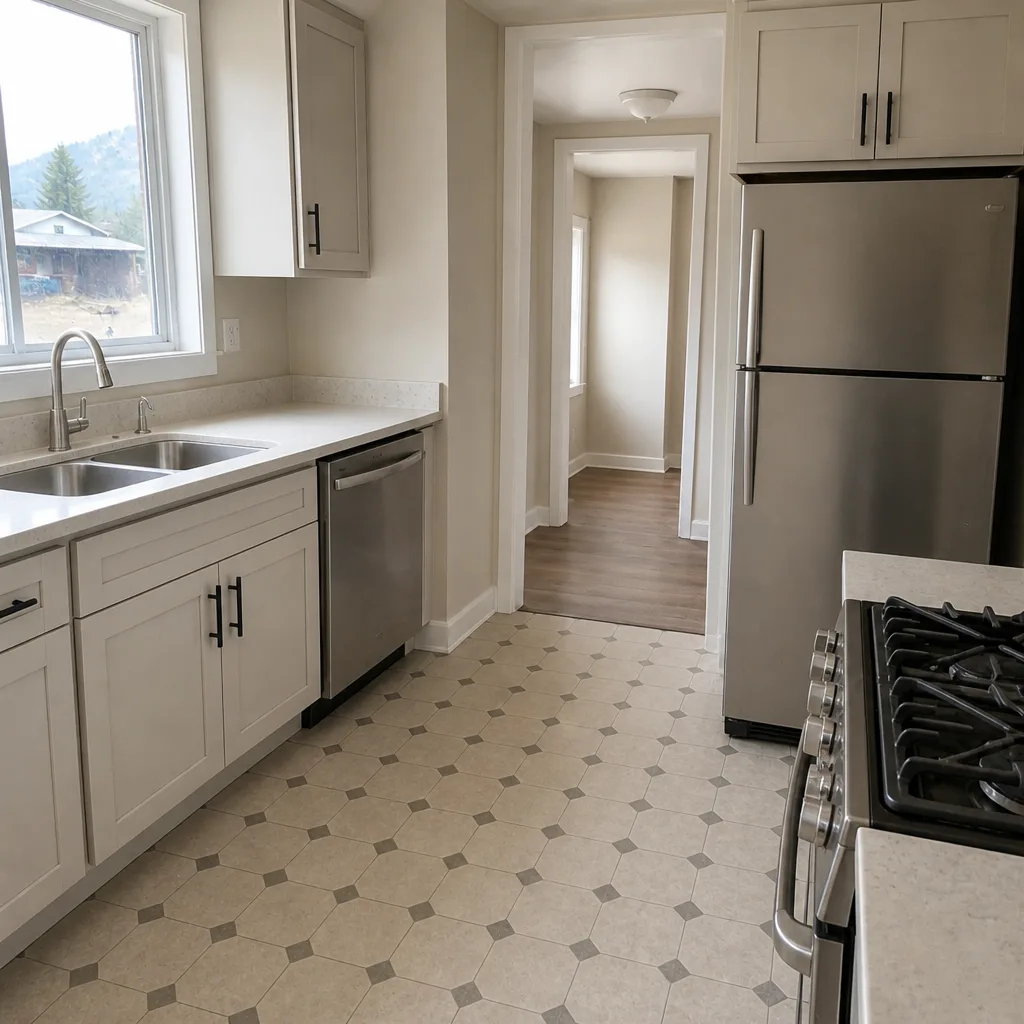 After
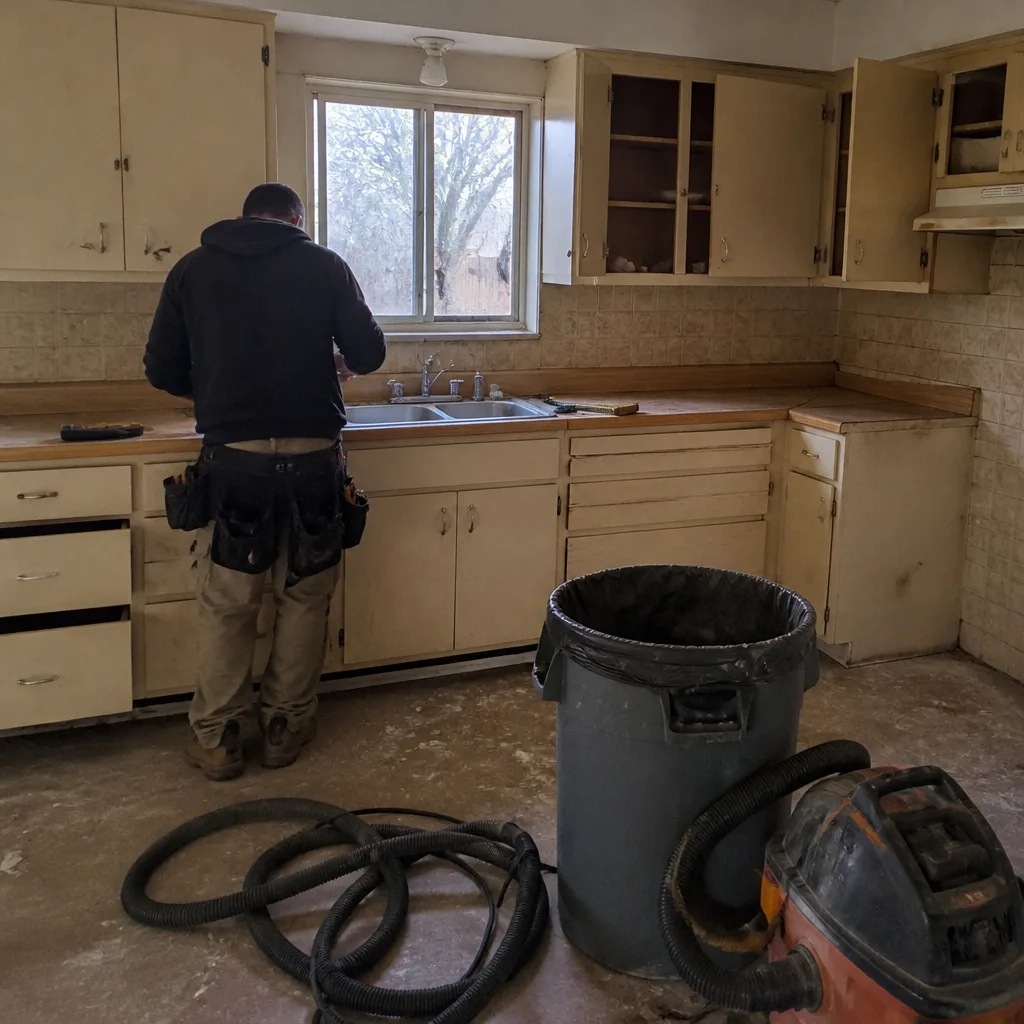 Before
 After
When to Call a Professional
Some projects are genuinely DIY territory: paint, a faucet swap, tile over an existing slab, a new light fixture on an existing circuit. But once the work moves into walls, gas, electrical panels, or structural changes, the risk math changes fast. In Enterprise, we get called in most often after a homeowner has opened a wall in a 2000s-era home and found unpermitted prior work, undersized wiring, or a load-bearing condition nobody knew was there. That’s the moment to stop and get a licensed professional in the room. The same goes for any permit-required scope: DIY work that needs a permit and doesn’t get one becomes a disclosure problem when you sell, and an insurance problem if something goes wrong. If your project is past cosmetic, get a professional opinion before you buy materials.
Mason Remodeling Enterprise offers free estimates in Enterprise. Call (844) 797-6157 to schedule yours.
Frequently Asked Questions
A mid-grade kitchen remodel in Enterprise runs $75,000 – $140,000 in 2026, depending on square footage, whether walls move, and cabinet and surface grade. Luxury kitchens start around $140,000 and go well above on custom cabinetry and slab stone. The single biggest cost swing is whether the kitchen layout changes; keeping the plumbing and gas rough-in in place saves $6,000 – $15,000. Call (844) 797-6157 for a written line-item estimate.
Often not, which is why they show up as a change order later. A well-constructed bid lists permit cost as its own line, tied to project value and scope. For a mid-sized Enterprise kitchen remodel, budget $700 – $2,200 for the permit itself, plus plan review and inspection coordination. Ask any contractor to state permits explicitly in the written bid before you sign.
On a fixed-price bid with a defined scope and a stated contingency, the total shouldn’t move unless conditions behind the wall demand it, and then only with written approval first. On time-and-materials contracts, the number will move; that’s the format. In our experience, most change-order disputes in Enterprise trace back to an incomplete scope at signing, not to the contractor finding more work. Get the scope in writing first.
A whole-home remodel in Enterprise typically takes 4 – 8 months for a mid-grade scope, and 8 – 12 months if structural work and a full gut are involved. Lead times on cabinetry from KraftMaid and Wellborn, and on Cambria surfaces cut to spec, drive a meaningful portion of the schedule. Homes with older electrical or plumbing can add two to four weeks once those systems come apart. Ask for a milestone schedule with the bid.
The licensed contractor should pull the permits. When a homeowner pulls, the contractor can shift liability for any inspection failure your way, and the county holds the homeowner responsible. In Enterprise, we pull every permit required by Clark County as part of the project, and inspections are scheduled on our side, not yours. Ask any contractor to state this in writing.
Fixed-price means the contractor commits to a number for a defined scope; time-and-materials means you pay actual hours and materials plus a mark-up. Fixed-price suits a fully-specified kitchen or bath. Time-and-materials suits repair work where nobody knows the scope until the wall opens. If you accept time-and-materials, insist on a not-to-exceed cap and a written approval process for every change. Call (844) 797-6157 to talk through which format fits your project.
The Bottom Line
National averages are a starting point, not a budget. In Enterprise, real 2026 numbers depend on Clark County labor rates, Nevada supply chain lead times, permit fee schedules, and the format of the contract you sign. Budget from local ranges. Read every bid for what it excludes. Make sure permits are line-itemed. Match the contract type to how well-defined your scope is. And if a contractor won’t put any of it in writing, that’s your answer. Our technicians have up to 22 years of experience, and we put a written price in front of homeowners before any work begins on every project.
Call Mason Remodeling Enterprise at (844) 797-6157 for a free estimate on your Enterprise project. We’ll walk your scope, produce the written price, and answer every question on this page in person.
Written by the team at Mason Remodeling Enterprise.