Last updated November 17, 2026

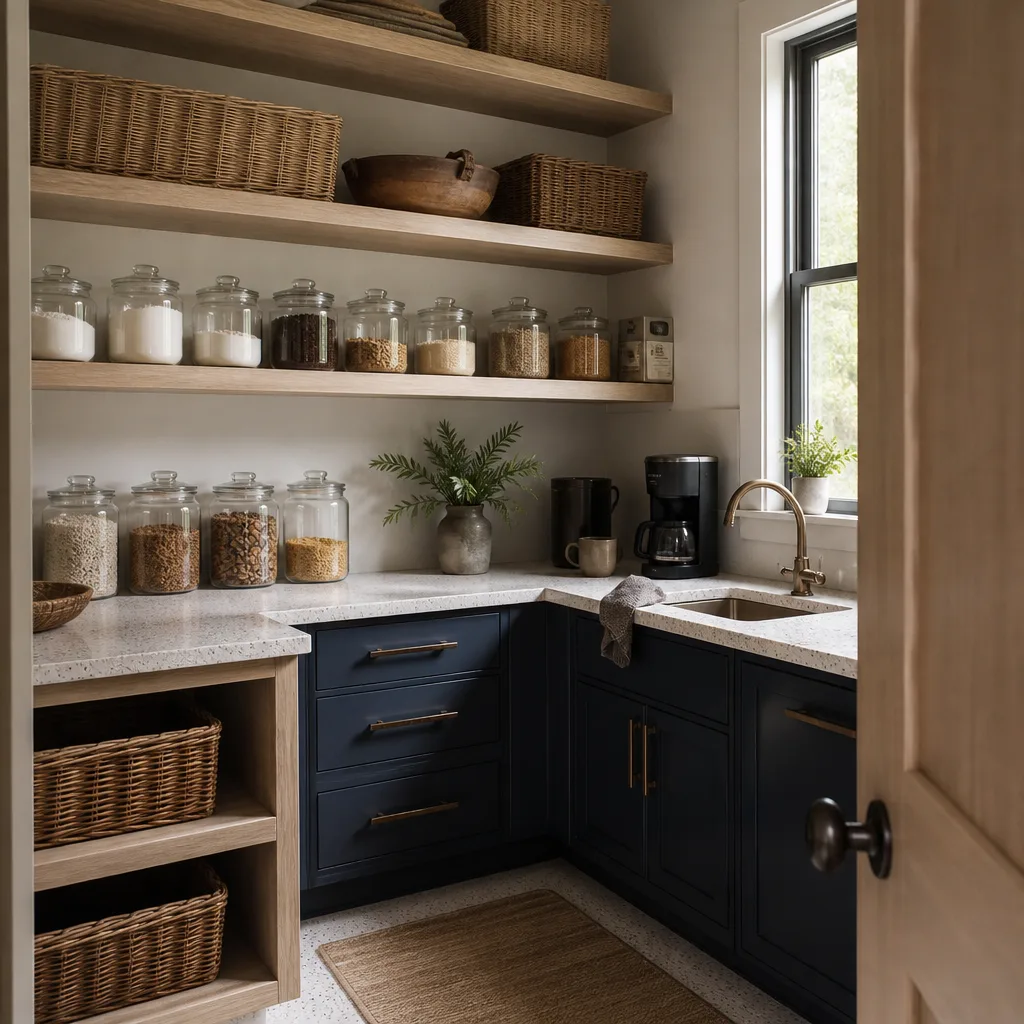



Free written scope consultation - allowances, timeline, and change-order rules on paper before a single trade is scheduled
Kitchen Remodeling Warning Signs Every Homeowner Should Know
A contractor who can’t name which crew members will be in your home on day one has already told you everything you need to know about how the rest of the project will be managed. That single moment in the first conversation, before any paperwork, before any price, is the clearest signal you’ll get. The real warning signs of kitchen remodeling rarely live on review sites. They surface in how a contractor talks, what the documents actually say, and what happens on demo day. In this guide, we’ll walk you through the red flags that predict a bad remodel months before the damage shows up, so you can read behavior as a blueprint for how your Enterprise kitchen project will go.
Quick Answer
The biggest kitchen remodeling red flags are: a bid far below every other quote, a scope of work written in vague language, a contractor who can’t say who’ll be in your home, licensing and insurance you can’t quickly verify in Nevada, and vague or missing guarantee terms. Any one of these means the project will likely run over budget, over schedule, or over your patience. The strongest contractors give you a written price before work starts, name and photograph every crew member, and put the guarantee in writing.
Styles & brands we work with
- Kitchen remodeling
- Bathroom remodeling
- Home additions & ADU
- Roofing
- Windows & doors
- Driveway & pavers
- Fence
Table of Contents
- Why an Unusually Low Bid Is a Structural Warning
- What a Vague Scope of Work Really Tells You
- The Demo Day Behavior That Predicts Everything
- How to Verify Licensing and Insurance in Nevada in Under 10 Minutes
- Mid-Project Warning Signs Homeowners Miss
- Red Flags in the First Conversation
- What a Good Contractor Does Differently
- Common Mistakes to Avoid
Why an Unusually Low Bid Is a Structural Warning
When one quote comes in $8,000 to $15,000 under the next lowest bid on a comparable Enterprise kitchen, that gap isn’t efficiency. It’s math. A low bid has to make up the difference somewhere, and it almost always does it through change orders once your cabinets are already torn out and you have no leverage.
Here’s how the lowball math works in practice. A typical full kitchen remodel in the Reno-Sparks and Enterprise market runs a wide range because scope varies enormously, but the line items don’t disappear because someone quoted cheaper. Cabinetry, counter surfaces like Cambria or Silestone, plumbing fixtures, electrical, permits, labor, and disposal are all fixed costs. If a bid is well below the market, one of those lines is either missing, undersized, or scheduled to “show up later.”
What you’ll often see:
- Missing line items. No permit fees, no demolition disposal, no cabinet installation labor – each becomes a change order later.
- Allowance games. A tiny “cabinetry allowance” that guarantees the price climbs once you pick real cabinets.
- Substitution bait. The bid names a spec-grade brand, then installs a builder-grade stand-in.
- Contingency built into the plan. The contractor expects to charge extra and priced the initial bid to win it.
The antidote is a written price with every line spelled out before work starts. Mason Remodeling Enterprise delivers a written price on every project, every time – it’s not an upgrade and never waived. If a contractor can’t or won’t put real numbers on paper up front, that’s the warning. Kitchen Remodeling in Enterprise should always start with numbers you can read, not a verbal range that grows on the final bill.
What a Vague Scope of Work Really Tells You
A scope of work that says “install new cabinets and countertops, update lighting” isn’t a plan. It’s a sentence. And the way a contractor writes that scope predicts exactly how disputes will be handled later – because when things go wrong, the only thing you can point to is the paper.
A vague scope creates three specific problems in an Enterprise kitchen:
- No shared definition of “done.” If the scope doesn’t name the cabinet line, the counter material, the fixture brand, and the finish, no one agrees on what was promised.
- Disputes become “he said, she said.” Without written line items, a contractor can argue that backsplash tile, under-cabinet lighting, or the range hood were “never included.”
- Change orders multiply. Every undefined detail becomes a new invoice, and you approve them because the kitchen is already half-built.
A proper scope names the products and the process. It should reference specific cabinetry (KraftMaid, Wellborn), specific surfaces (Cambria, Silestone, Caesarstone), and specific fixtures (Kohler, Moen, Toto, Grohe) so there’s no ambiguity about what’s arriving. It should state who pulls the permits, how long the job will take, and what the guarantee covers in plain terms – “365 days from the completion date,” not “backed by our warranty.”
When we look at a scope document, we look for what’s named and what’s missing. A contractor who takes the time to write a clear, complete scope is a contractor who plans to honor it. If you want a second opinion on a scope you’ve been handed, our General Contractor in Enterprise team will review it with you before you sign anything.
The Demo Day Behavior That Predicts Everything
Demo day is the first real test of how a contractor treats your home, and it predicts how subcontractors will behave for the next six weeks. Watch it closely. The crew that arrives on day one sets the culture new trades will follow.
Here’s what careful crews do on demo day in an occupied Enterprise home – and what careless ones skip:
- Protection goes up first. Flooring covered, doorways sealed with plastic, HVAC returns blocked, and the path from the door to the kitchen protected. No protection means dust through your whole house.
- Dust control matters more than people realize. Reno-Sparks sits in high-desert country where fine dust is everywhere, and demolition kicks up silica and old insulation. The crew should be using negative air pressure, plastic barriers, and N95 masks if they’re cutting anything.
- Who’s been told where the bathroom is, where the water shutoff is, and where they can and can’t walk. A crew that doesn’t know the boundaries of your home is a crew that treats it like a construction site instead of someone’s house.
- Name, photo, and badge. Every person who enters should be someone you can identify. The Threshold Standard means every technician is background-checked, identity-verified, arrives in a clean marked uniform, and shows a photo ID badge at the door – and you receive their name and photo before the visit.
If the crew shows up unannounced, unmasked, no floor covering, no introductions, stop the job and ask questions. A homeowner who is home alone or has small children in the house deserves to know exactly who is inside. That’s not paranoia. That’s the baseline standard any serious remodeler should meet.
How to Verify Licensing and Insurance in Nevada in Under 10 Minutes
Verbal assurances that a contractor is “licensed and insured” are worthless. Nevada makes it easy to verify in minutes – do it before you sign anything, and do it for every contractor you’re considering. Fake or lapsed coverage is one of the most common and most expensive red flags homeowners miss.
Here’s the fastest way to do it:
- Pull the contractor’s Nevada State Contractors Board (NSCB) license. The NSCB public license lookup shows active/suspended status, license classification, expiration date, and any disciplinary actions. Search the company name and confirm the license number on your bid matches the board’s record.
- Match the license classification to your job. A general building or residential remodeling classification covers a kitchen. A specialty license may not cover the whole scope, so confirm the classification can legally run the project they quoted.
- Verify insurance is active today. Ask for a current certificate of insurance with the policy dates visible, then call the carrier to confirm it’s still in force. A photocopy with last year’s dates is a red flag.
- Confirm workers’ compensation coverage. If a worker is hurt in your home and the contractor has no workers’ comp, the exposure can land on your homeowner’s policy.
- Ask for the bonding status. Nevada requires contractors to carry a surety bond, and the NSCB record will show it.
Ten minutes on the NSCB site plus one phone call to an insurance carrier can save you a $40,000 disaster. Any contractor who hesitates to give you the license number in writing has handed you the answer already.
Mid-Project Warning Signs Homeowners Miss
Most homeowners watch the first week and the last week. The real tell is in the middle, when attention drifts. Three things show up in this window that predict a bad finish.
Crew rotation. If the faces keep changing, the accountability is slipping. A kitchen remodel is a sequence of trades – demo, framing, rough electrical, rough plumbing, drywall, cabinetry, counters, tile, finish electrical and plumbing – and each trade should be a known crew that knows the plan. When the general contractor is sending whichever sub is available, quality drops and mistakes get covered over by the next trade. Ask who’s coming each week and whether that’s on the schedule.
Communication gaps. The contractor who was easy to reach in the sales phase and goes quiet during the build is telling you the same thing the first conversation did. If you’re texting into silence about a decision that needs to be made before tomorrow, the project is being run by improvisation. A live person answering every call around the clock matters here – not a voicemail loop until Monday.
Materials that don’t match the spec sheet. This is the most expensive mid-project sign and the hardest to catch. Cabinets arrive with a different door profile than the KraftMaid line you approved. Countertop slabs don’t match the Cambria sample. The tile is a different line than the spec. Check delivery against the written scope line-by-line before installation. If it doesn’t match, stop the trade and get it in writing. Substitution is not always malice, but it’s always a change to what you paid for.
If you’re already mid-project and this is what the job looks like, a second set of eyes helps. Our Bathroom Remodeling in Enterprise and kitchen teams have walked a lot of halfway-built kitchens and can tell you what’s recoverable.
Red Flags in the First Conversation
Before the bid, before the paperwork, the first conversation tells you most of what you need to know. A contractor who can’t answer these questions with specific facts should not be in your kitchen.
- “Who’s on the crew?” gets a shrug. If they can’t tell you who’s coming and confirm those people with a name, photo, and identity verification, the answer is that anyone who’s available this week will show up. That’s a safety issue and a quality issue.
- “What’s the price?” gets a range that ends in “+.” A written price before any work starts is table stakes. Verbal estimates with a big plus sign are a promise to surprise you later.
- “What does the guarantee cover?” gets a vague sweep of the hand. Ask what’s covered, what’s excluded, and for how long. If the answer is “everything,” ask again. A real guarantee has terms.
- “When can you start?” causes pressure. If a first meeting includes a discount that expires today, walk. Any urgency in a planned five-figure project is a red flag. Nobody remodels a kitchen same-day.
- They don’t ask to see the space. A contractor who quotes a kitchen without measuring the room, checking the existing plumbing and electrical, and asking about your appliances is guessing.
- They badmouth the last contractor. Everybody in the market knows everybody. A contractor who trashes competitors in the sales pitch is telling you how they’ll talk about you later.
Bring your questions to the first meeting. A contractor who welcomes them is a contractor who’s done this thousands of times and has answers ready. A contractor who gets cagey about naming crew, quoting on paper, or defining the guarantee has already told you which kind of project yours will be.
What a Good Contractor Does Differently
Once you know the red flags, the green flags are easy to spot – they’re the same behaviors inverted. Here’s what a strong kitchen remodeling contractor in Enterprise looks like across the full arc of the project.
- Verifies every person who comes to the door. Every crew member is background-checked, identity-verified, and introduced to you by name and photo before the visit, then shows a photo ID badge at the door. The Threshold Standard isn’t a marketing line – it’s a named process with named people behind it.
- Delivers a written price before any work starts. Every line itemized, every product named, every cost in writing. That’s the standard on every project, not a favor.
- Writes the guarantee down. Coverage terms stated plainly – what’s covered, what’s excluded, how long. The 365-Day Done Right Promise means that if the work isn’t right within a year of completion, it gets fixed at no cost.
- Answers the phone – actually. A live person, 24 hours a day, every day, including weekends and holidays. No call tree, no voicemail loop, no waiting until Monday morning for an answer about a leaking shutoff valve.
- Sends the same crew back if something fails. A free return visit at no charge if a repair or installation fails – no dispute process, no conditions.
- Uses professional-grade materials in one place. Specification-grade cabinetry (KraftMaid, Wellborn), surfaces (Cambria, Silestone, Caesarstone), and fixtures (Kohler, Moen, Toto, Grohe) so you’re choosing from vetted professional products, not whatever a big-box aisle happens to stock.
These are the behaviors that separate a contractor who expects to be graded on the finished kitchen from one who expects to be graded on the sales call. Our technicians have up to 22 years of experience across the full range of kitchen and remodeling work, and that experience shows up in exactly these practices. You’ll find the same standards applied across Mason Remodeling Enterprise home projects of every size.
Common Mistakes to Avoid
- Signing on the lowest bid without itemizing it. The cheapest quote on a kitchen with KraftMaid cabinets, Cambria counters, and a Kohler sink isn’t a bargain – it’s a bid that’s missing something. Ask the low bidder to itemize line-by-line and watch the gap close.
- Accepting a verbal price. A verbal estimate in Reno-Sparks is worth exactly what you paid for it. Only a written price protects you when the final bill arrives.
- Not verifying the Nevada license classification. A license that says “specialty” when you hired them for a full kitchen scope means the project may not even be legal in Nevada. Check the NSCB record against the work being quoted.
- Letting crews in without identification. Especially if you’re home alone, have young children, or are an older adult, every person in your home should be someone you can identify by name and photo. No exceptions.
- Skipping the permit because the contractor says it isn’t needed. In Enterprise and the surrounding Reno-Sparks area, most kitchen remodels involving electrical, plumbing, or structural changes require a permit and an inspection. A contractor who skips it is putting your resale at risk.
- Not reading the guarantee. “Backed by our guarantee” without coverage terms and a duration is not a guarantee. Ask for written terms.
- Tolerating crew rotation quietly. Every new face on your job is a new opportunity for a mistake. If the crew keeps changing, ask why – and if you don’t get a straight answer, treat that as the answer.
See the difference
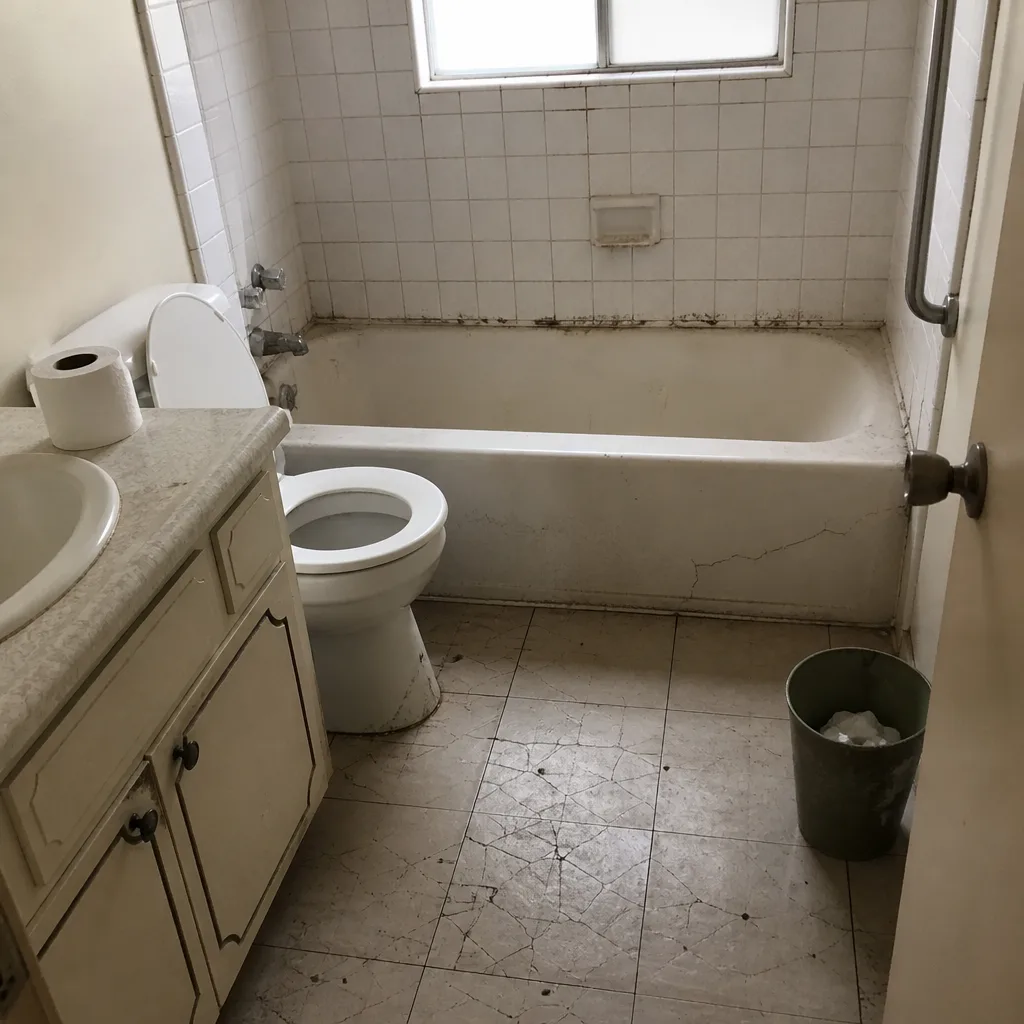 Before
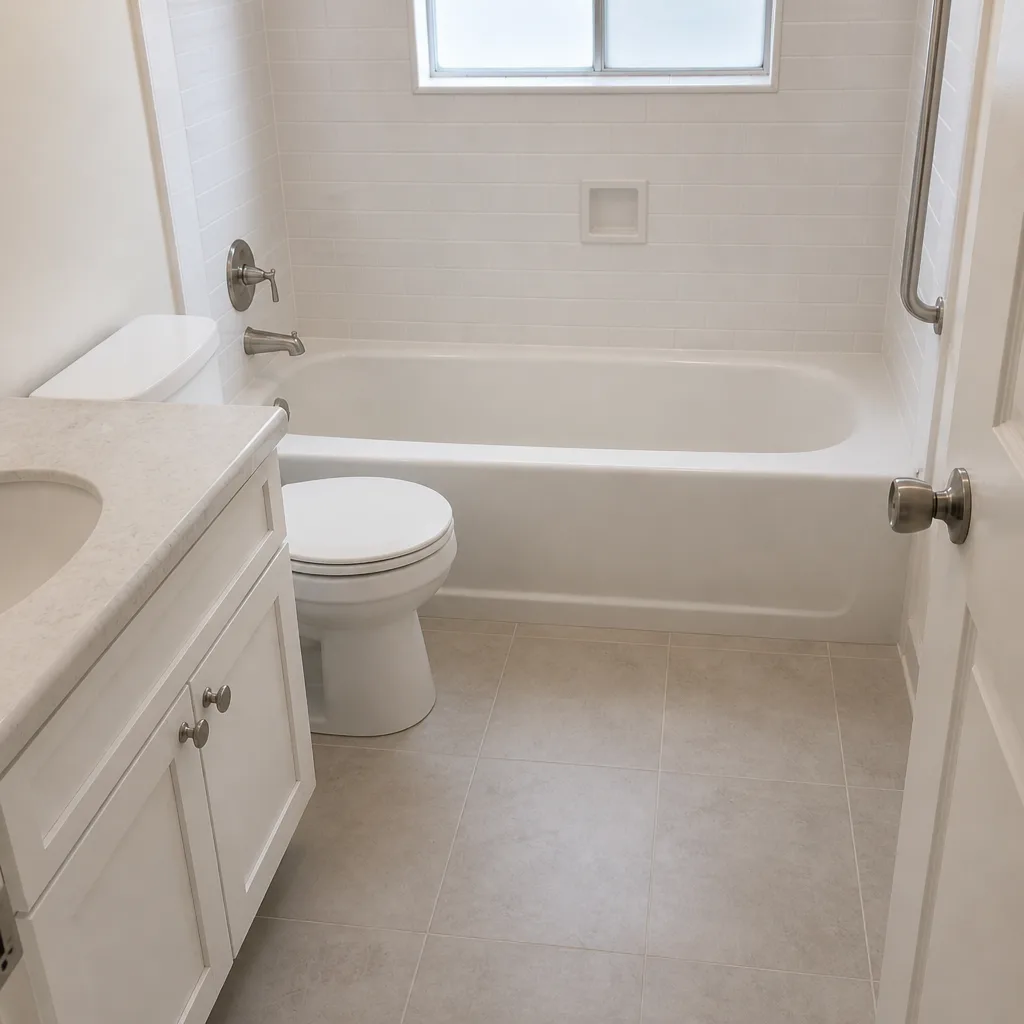 After
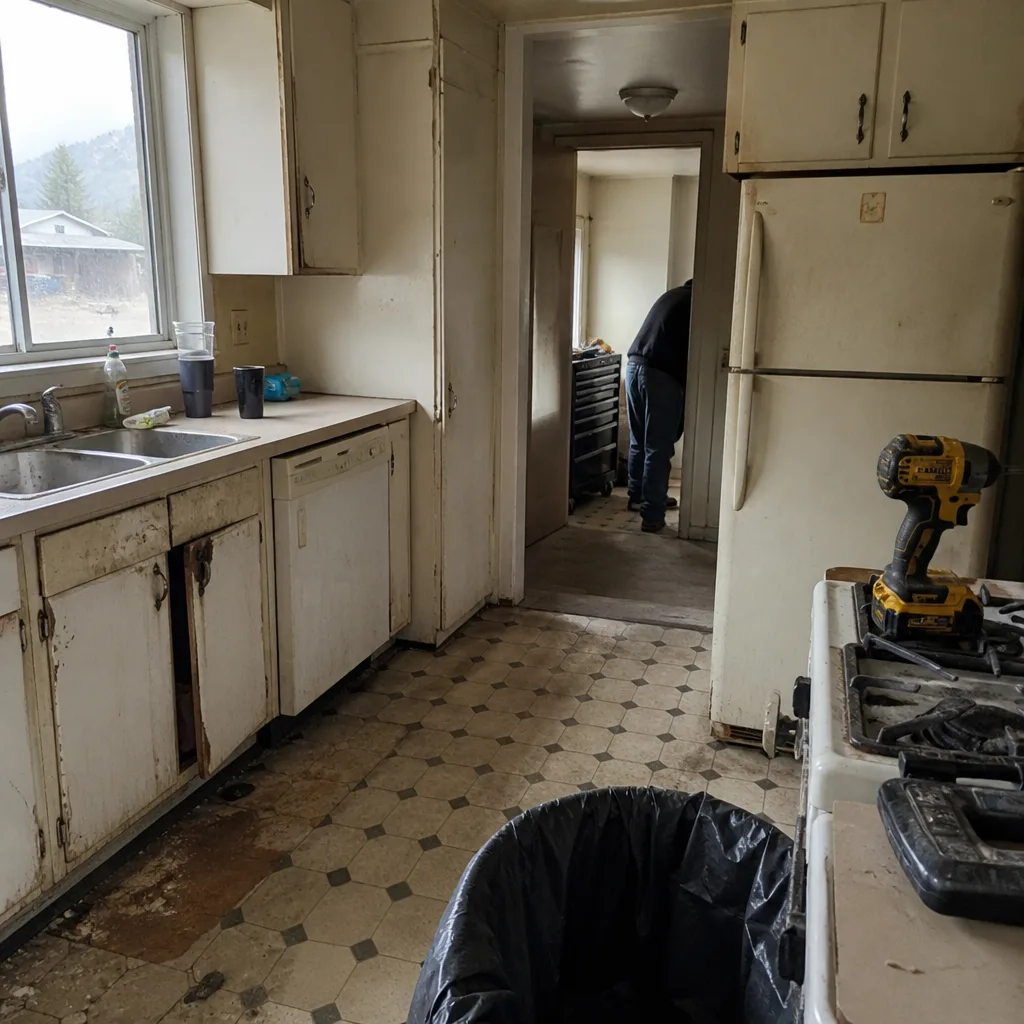 Before
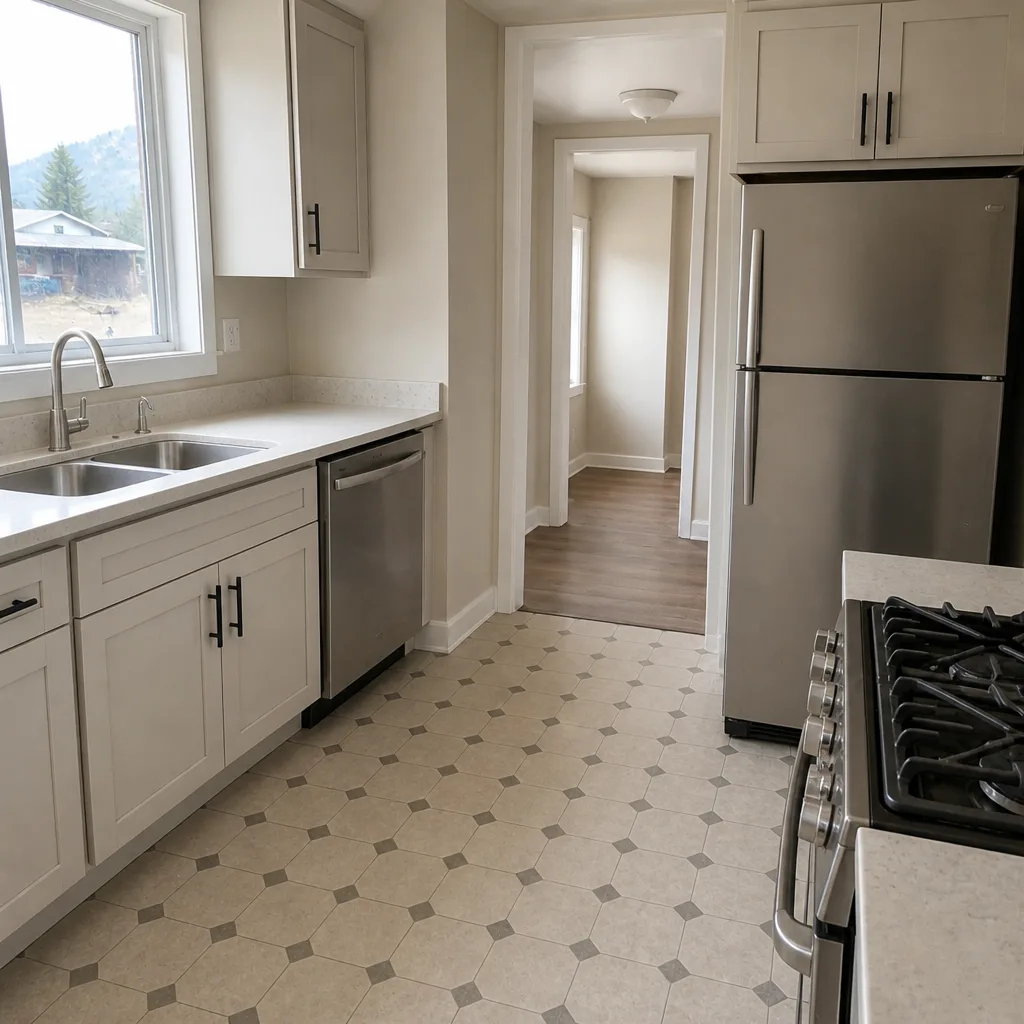 After
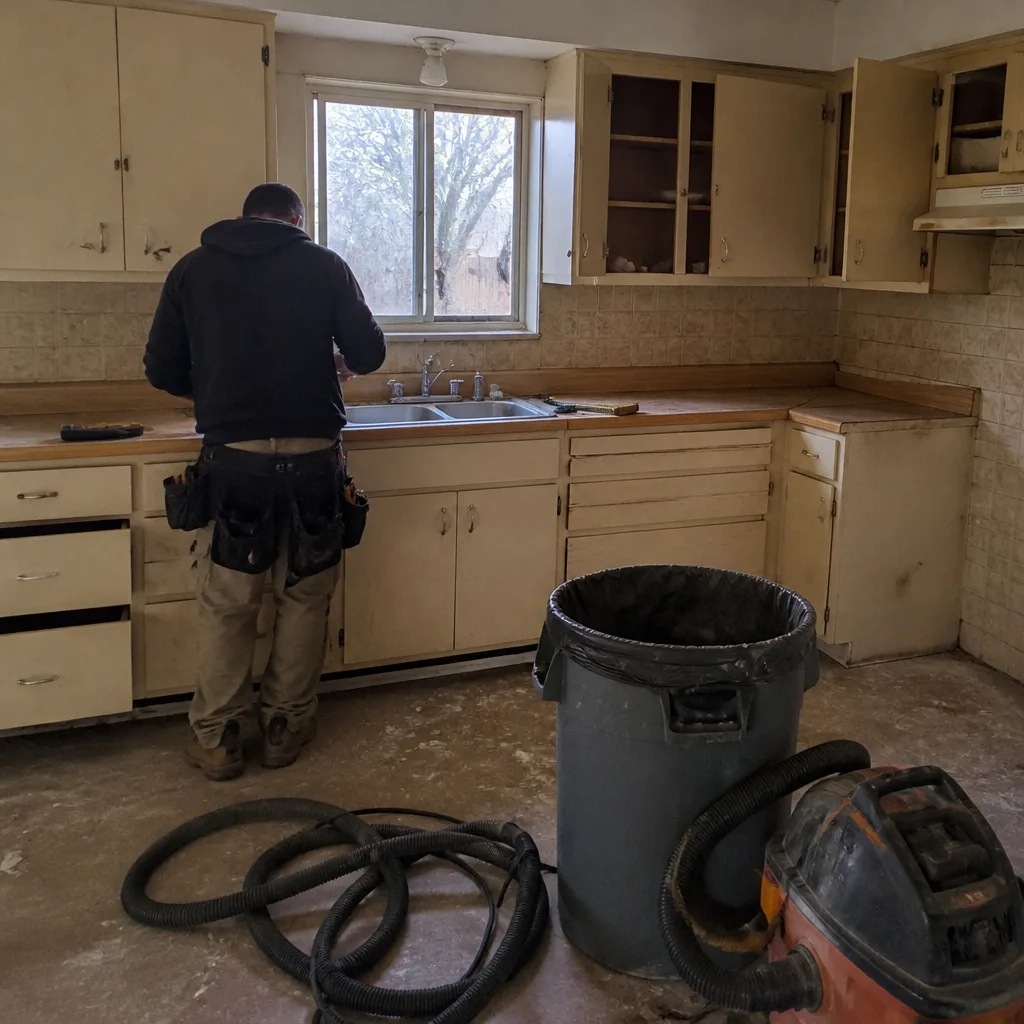 Before
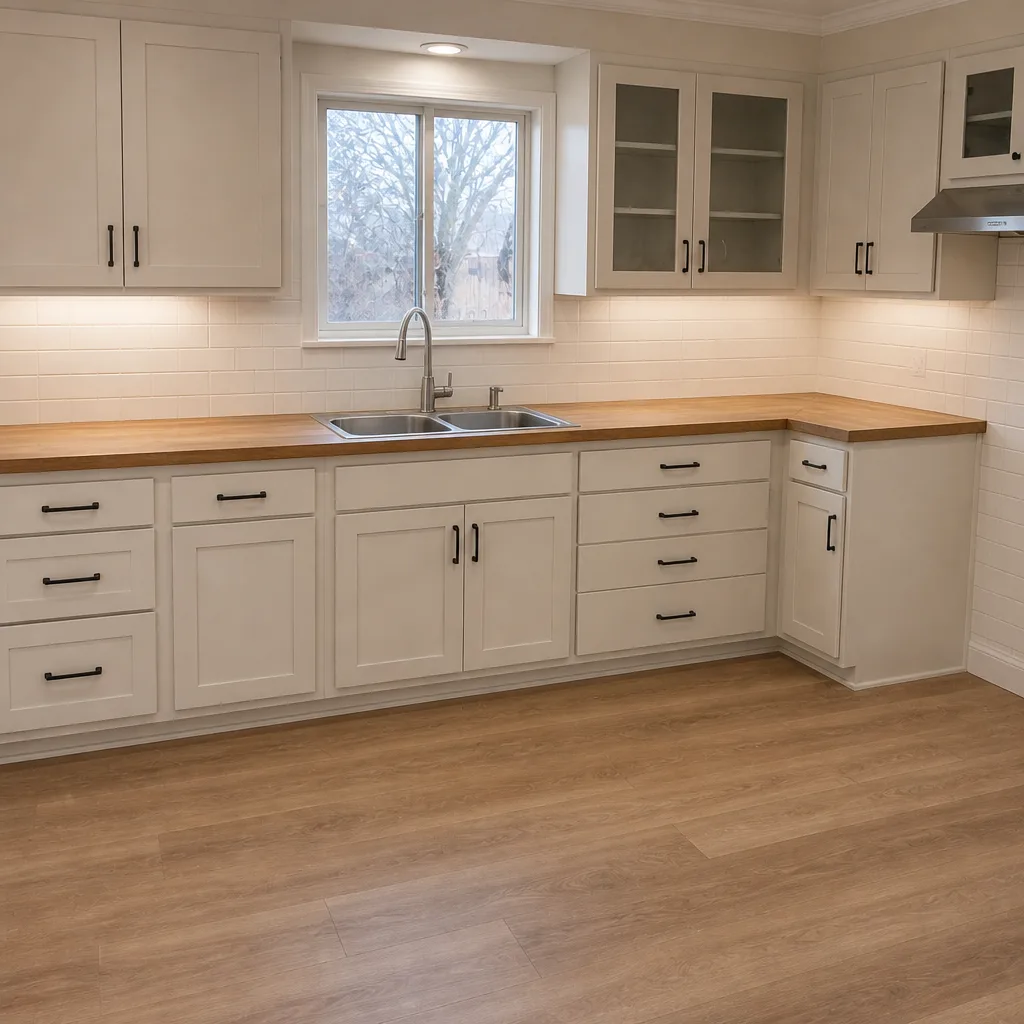 After
When to Call a Professional
Some kitchen problems are beyond a YouTube tutorial and beyond a handyman. If your project involves moving plumbing, relocating a gas range, changing electrical circuits, removing a wall, or replacing an old kitchen’s full cabinet and counter run, you’re in professional territory. If a contractor has already started and gone quiet, sent materials that don’t match the spec, or is asking for a large change order six weeks in, that’s also a moment to bring in a second set of eyes and a written price. Mason Remodeling Enterprise offers free estimates in Enterprise – call (844) 797-6157 to schedule one. We’ll give you a written price before any work starts, name and photograph every crew member coming to your door, and put the guarantee in writing – 365 days from the completion date.
Frequently Asked Questions
The biggest red flags are a bid far below other quotes, a vague scope of work, an inability to name the crew who’ll be in your home, licensing or insurance you can’t verify quickly, and a guarantee with no stated terms. Any one of these predicts cost overruns, delays, or disputes. Call (844) 797-6157 for a written price and a clear scope before you sign anything.
A quote is too low if it can’t be itemized line-by-line against the same scope as your other bids. Ask for it in writing and the missing costs (permits, disposal, installation, the actual cabinet line) will appear. If the bidder can’t or won’t itemize, that’s your answer. Call (844) 797-6157 for a written, itemized price – estimates are free.
Kitchen remodeling costs in Enterprise range widely, typically from around $22,000 for a cosmetic update to $75,000+ for a full layout change with new plumbing, electrical, and specification-grade cabinetry and surfaces. The range depends on size, layout changes, and product line. Call (844) 797-6157 for an exact quote based on your scope – the written estimate is free.
Most Enterprise kitchen remodels that move plumbing, change electrical, or alter structure require a permit and inspection. Cosmetic-only work (cabinet refacing, countertop replacement, paint) usually doesn’t. A licensed contractor will pull permits as part of the scope and confirm what applies. Call (844) 797-6157 to talk through your project and the permit requirements.
With a written price, no. The price you sign is the price you owe. We deliver a written price before any work begins, on every project, and stand behind it – no surprise invoices, no verbal estimates that grow on the final bill. Call (844) 797-6157 to schedule your free estimate.
If the work isn’t right within a year of completion, it gets fixed at no cost to you. The 365-Day Done Right Promise covers that, and a free return visit is provided at no charge if a repair or installation fails – no dispute process, no conditions. Call (844) 797-6157 to schedule a free estimate and to review the guarantee in writing.
The Bottom Line

The most dangerous kitchen remodeling warning signs never show up on a review site. They show up in the first conversation, the first document, and the first day on the job. A contractor who can name the crew coming to your home, put the price in writing before work starts, hand you a license number you can verify in minutes, and define the guarantee in plain terms is telling you the whole project will be run that way. A contractor who can’t is telling you the opposite. Read behavior as the blueprint, ask the hard questions in the first meeting, and never sign a price that isn’t written. Our team has walked plenty of Enterprise kitchens – both the ones that went well and the ones where we were called in after – and the pattern holds every time. Call (844) 797-6157 to schedule a free estimate with a written price, named crew, and a written guarantee.
Written by the team at Mason Remodeling Enterprise.