Free written scope consultation - allowances, timeline, and change-order rules on paper before a single trade is scheduled
Boral Home Additions & ADU: The Enterprise Owner’s Guide
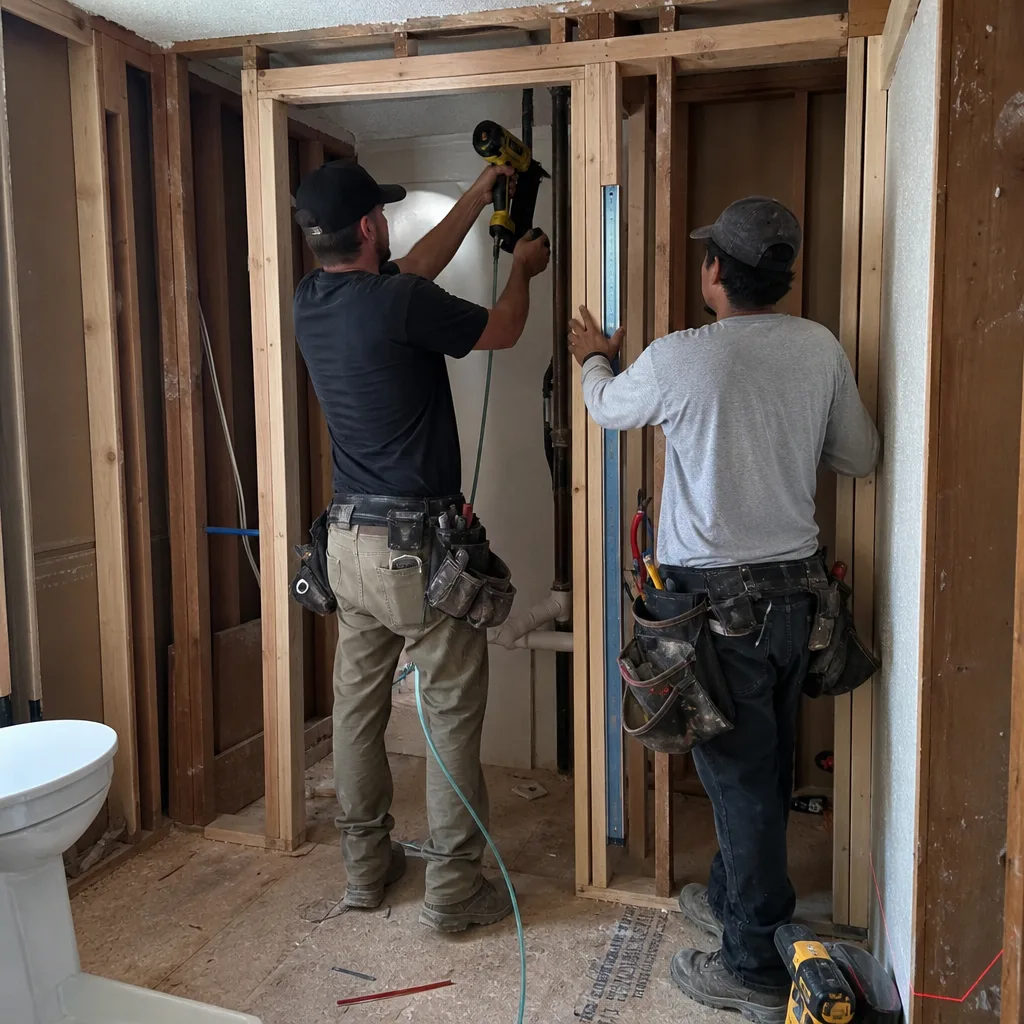
We build and remodel Boral-clad home additions and ADUs for Enterprise homeowners, and a finished, permitted addition typically runs $45,000 – $130,000 depending on square footage and finish level. ADU construction in Enterprise generally lands between $90,000 and $220,000. We don’t offer same-day turnaround on additions – nobody builds a livable addition in a day, and any contractor who says otherwise is guessing at your money.
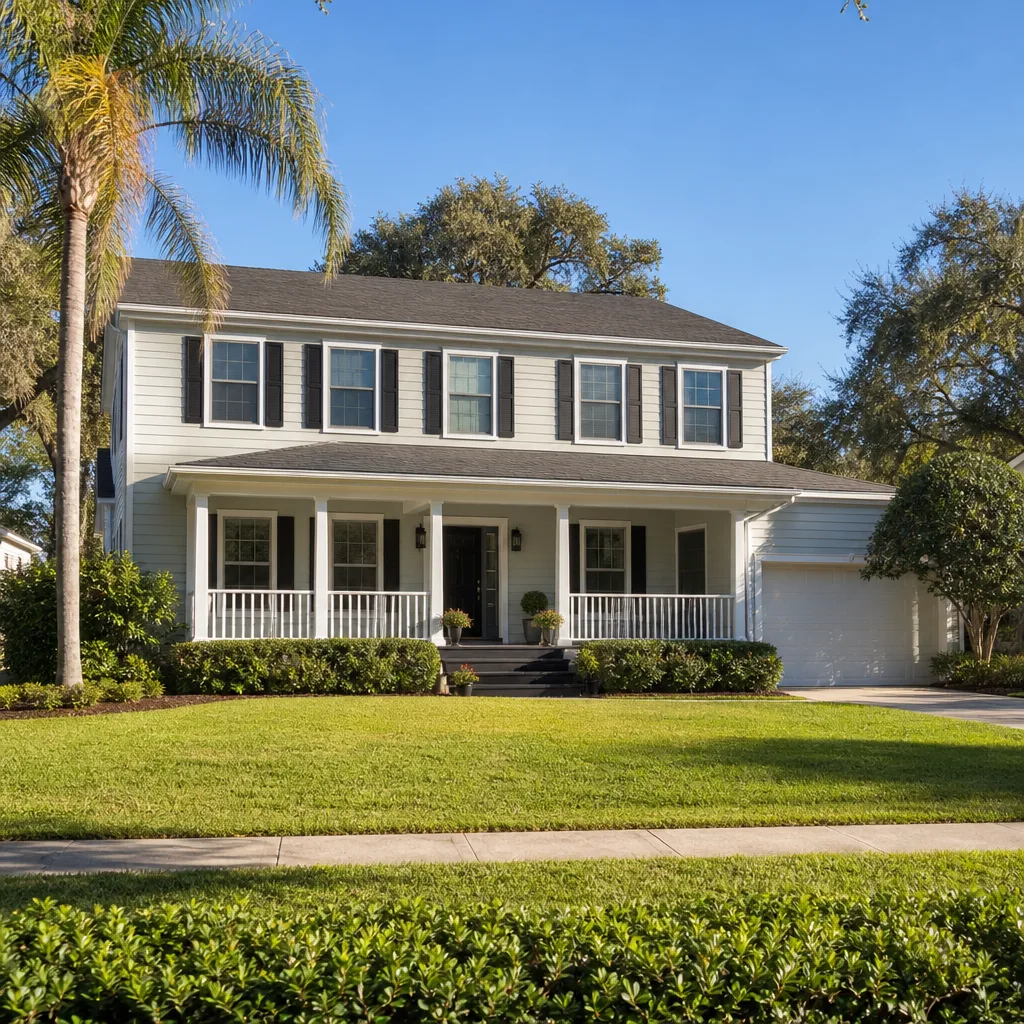
The “failed part” picture on a Boral exterior is specific. Boral makes siding, trim, and cladding products, not structural systems, so when an owner calls us about a failure, it’s almost always one of three things: a cladding panel that’s cupped or pulled loose, a trim board that’s chalked and cracked after a run of 110-degree Enterprise summers, or a joint that opened where the addition ties into the original house wall. Each of those is a repair with a real cause behind it, not a mystery.
Key Takeaways
- Typical installed addition in Enterprise: $45,000 – $130,000; ADU: $90,000 – $220,000.
- Boral failures are usually cladding or trim issues, not structural failure.
- We’re an independent service provider, not affiliated with Boral.
- Written price before any work starts, on every project.
- 365-Day Done Right Promise covers the finished work for a full year.
Which Boral Models This Applies To
Boral’s exterior lines split into a few families, and the part you need depends on which one is on your wall. The most common on Enterprise additions are the fiber cement lap and shingle siding lines, and the poly-ash trim and cladding products sold under the TruExterior name. Each has its own profile thickness, exposure width, and fastener pattern – a 5/16-inch lap panel does not match a 7/16-inch panel, and mixing them on one wall shows as a visible step at every course.
To identify what you have, start at an inconspicuous spot: pull the back of a scrap piece from the attic or garage, or look for the printed stamp on the back face of an exposed panel near a corner. That stamp gives you the product name and, in most cases, the profile. Measure the exposed face width with a tape – 6-inch and 8-inch exposures are the two you’ll see most often – and measure the panel thickness at an edge.
The OEM-versus-aftermarket decision matters here because Boral discontinued or consolidated some regional profiles over the years. If your exact profile is out of production, a matching aftermarket fiber cement in the same thickness and exposure will weather-in fine once it’s painted, but you’ll want a color and texture match confirmed before the first panel goes up. Our technicians have up to 22 years of experience matching profiles on additions, and we’ll tell you plainly when a match is exact and when it’s close.
Styles & brands we work with
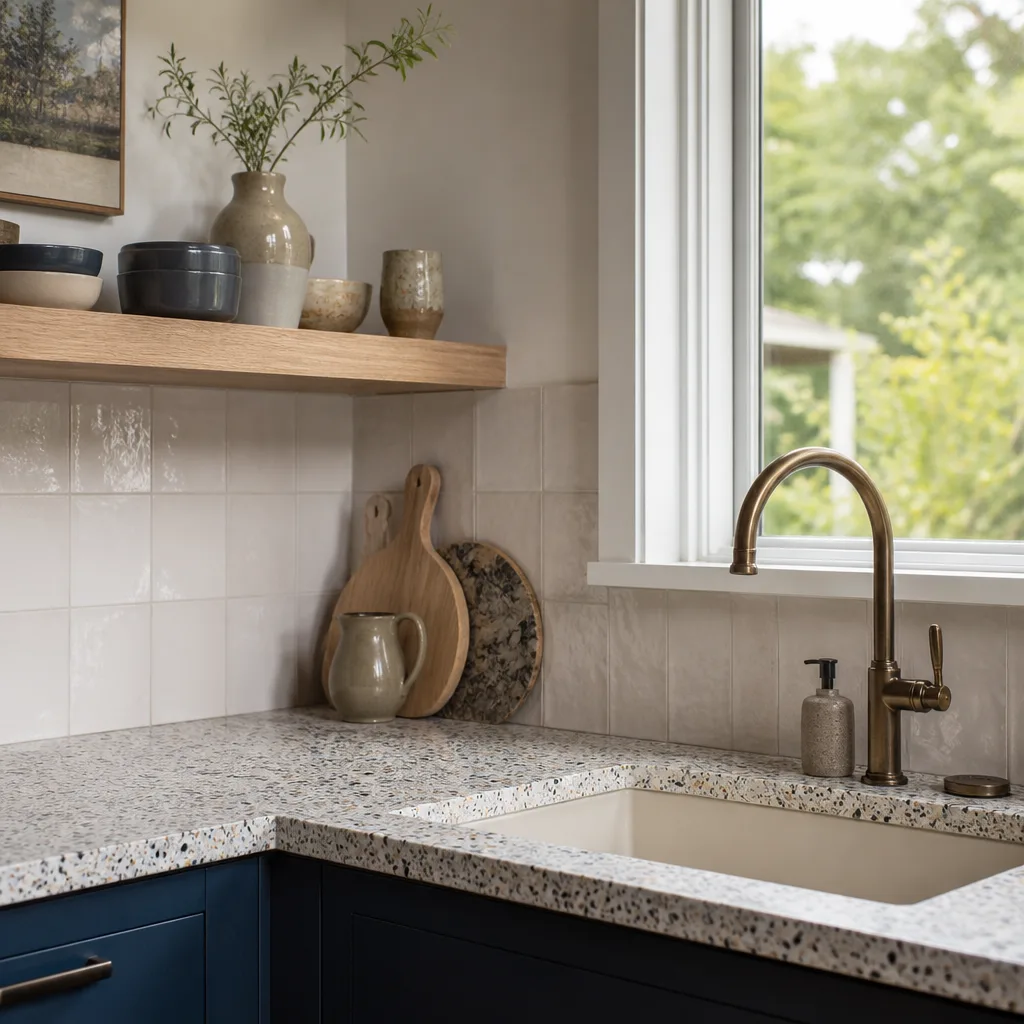
- Kitchen remodeling
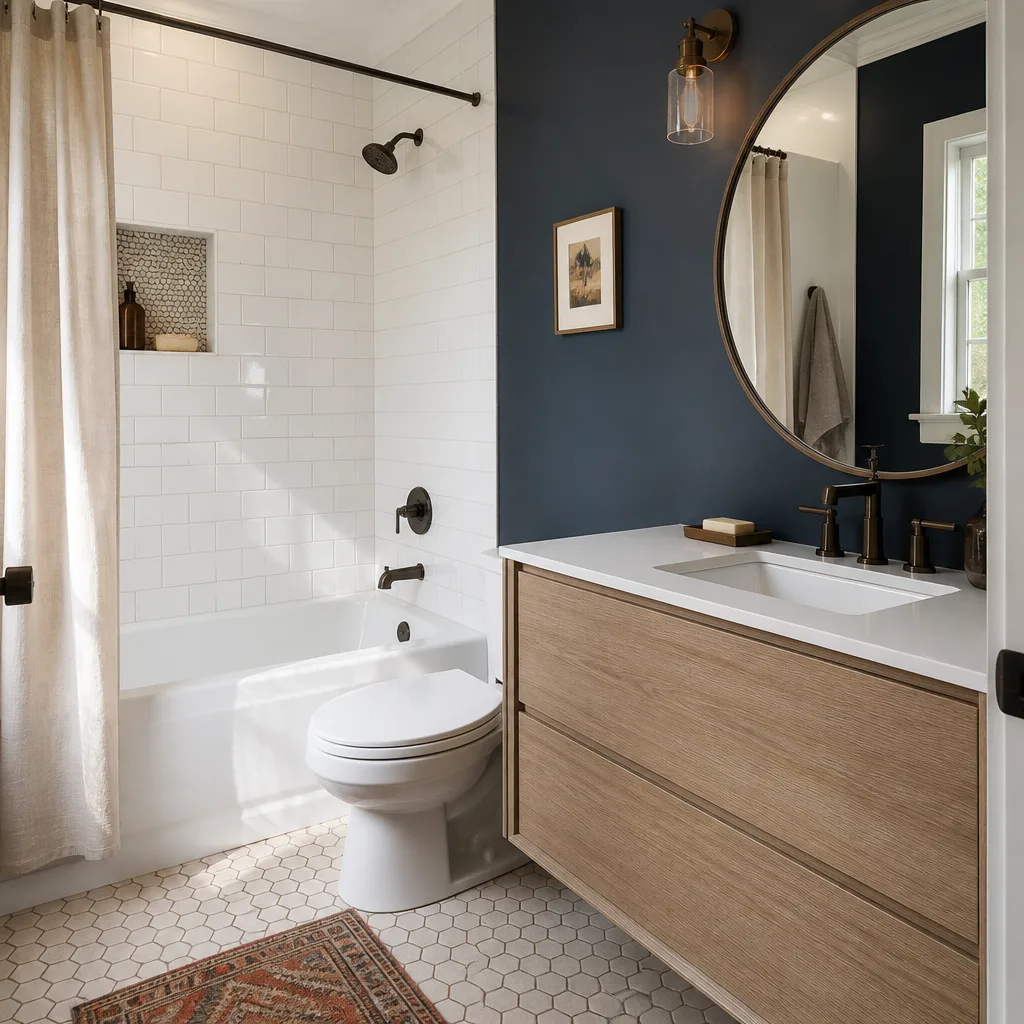
- Bathroom remodeling
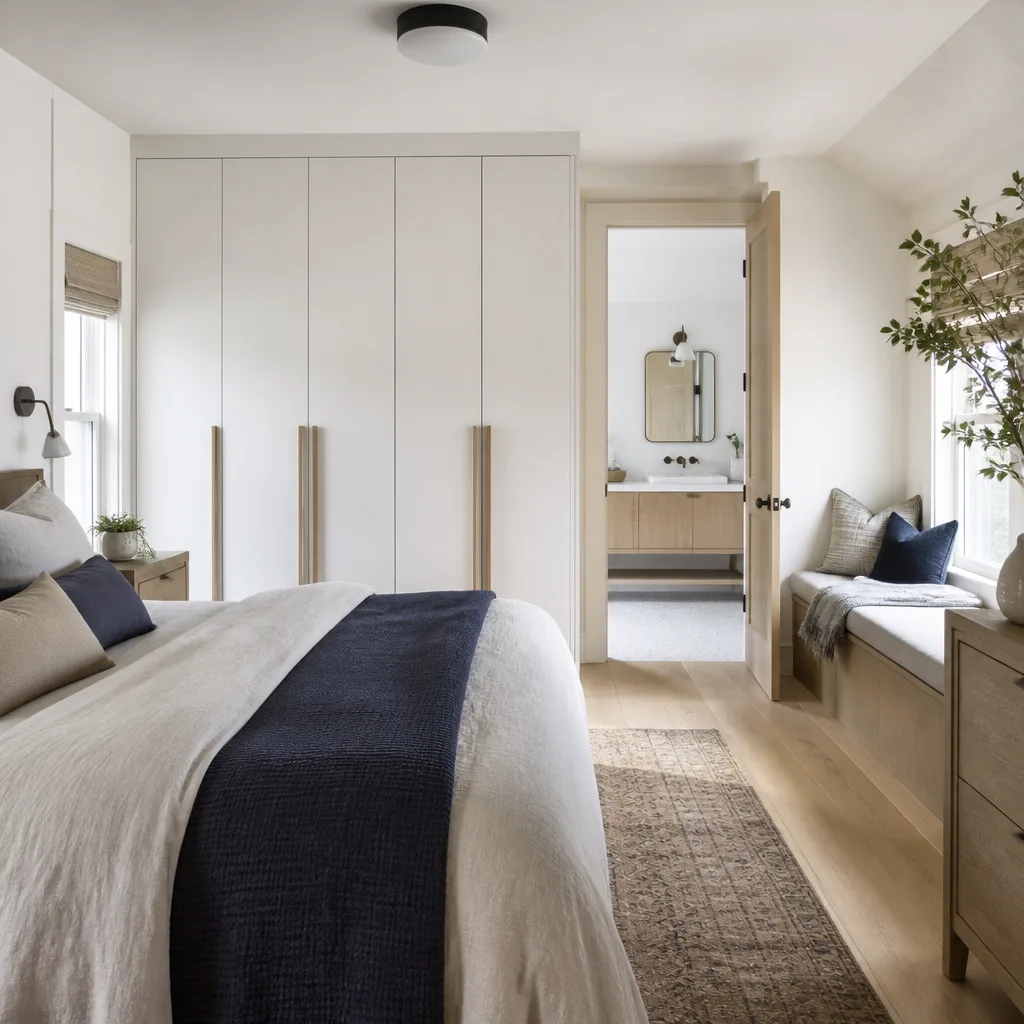
- Home additions & ADU
- Roofing
- Windows & doors
- Driveway & pavers
- Fence
Signs Your Boral Home Additions & ADU Is Failing
Five symptoms we see on Enterprise additions, and what’s actually behind each one:
- Cupping or bowing panels. The panel is absorbing moisture from behind, usually because the flashing at a window head or roof-to-wall junction was installed flat instead of lapped. Once water gets behind the cladding, the panel face swells unevenly and the cup is the visible result.
- Paint chalk and hairline cracks on trim. Enterprise summers push exterior coatings hard, and a trim board that wasn’t back-primed before installation will chalk and craze within a few seasons. It’s a coating and prep failure more than a board failure.
- Open joints where the addition meets the original house. Two structures move differently, and a rigid caulk joint between them will crack. This is a joint-design issue, and a proper fix uses a backer rod and a flexible sealant rated for that movement.
- Loose or popped fasteners. Nails set too tight compress the panel and create a stress point that cracks over time. You’ll see a small star crack around the head, or the panel feels soft when you press it.
- Staining or efflorescence below a wall section. Water is running behind the cladding and leaching out at the bottom. Chasing the stain up the wall usually finds the entry point at a penetration, a vent, or a poorly lapped seam.
One NV-specific reality: fiber cement and poly-ash both hold up to heat, but the paint film on them does not last as long in Enterprise as it does in milder climates. We plan on recoating trim and south- and west-facing walls on a shorter cycle here, and we say so up front rather than letting a chalked board surprise you.
See the difference
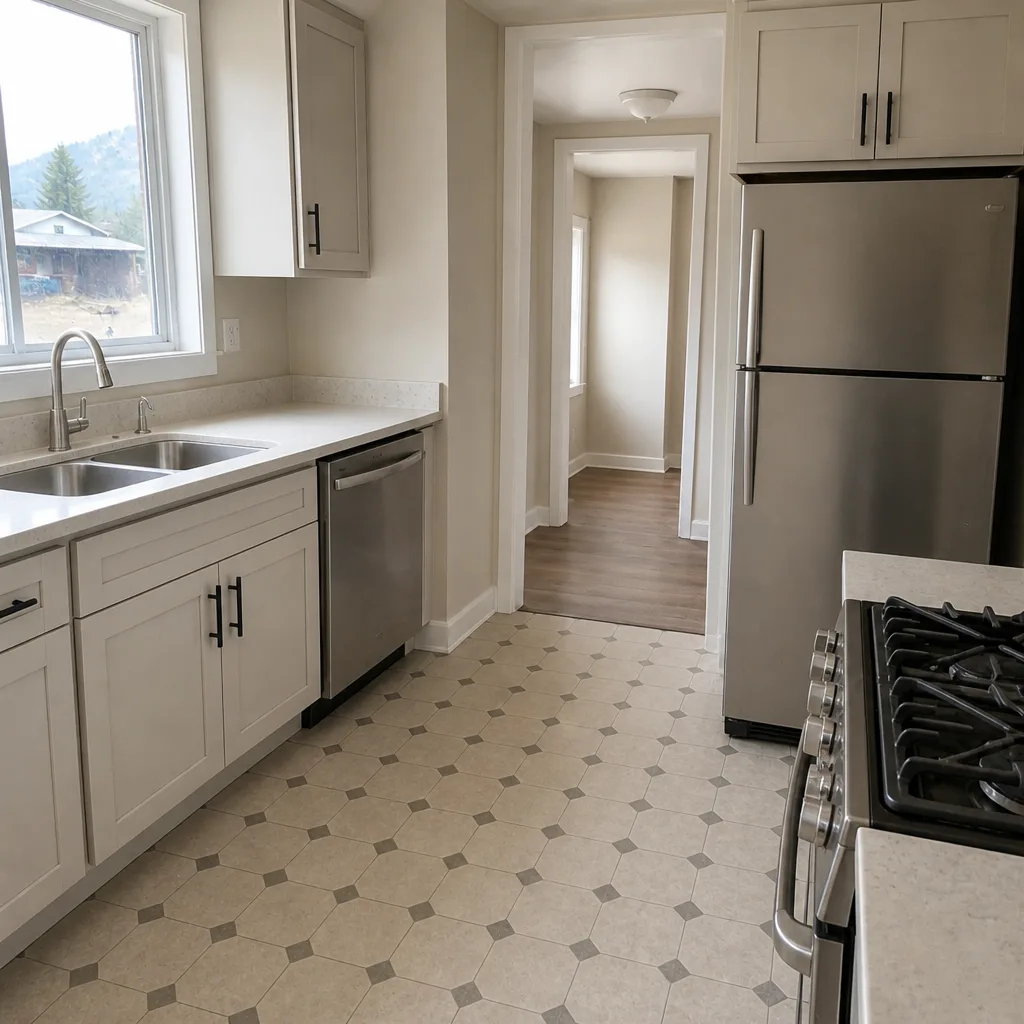
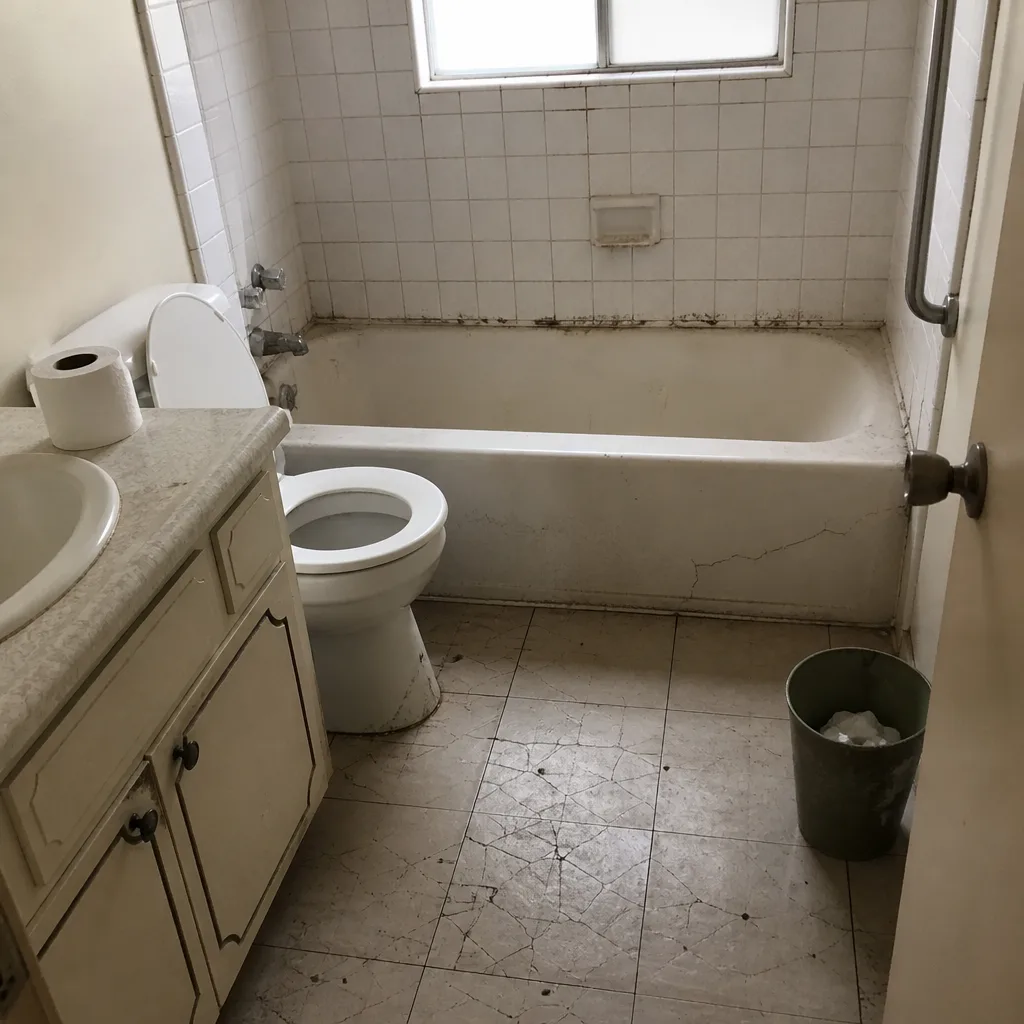 Before
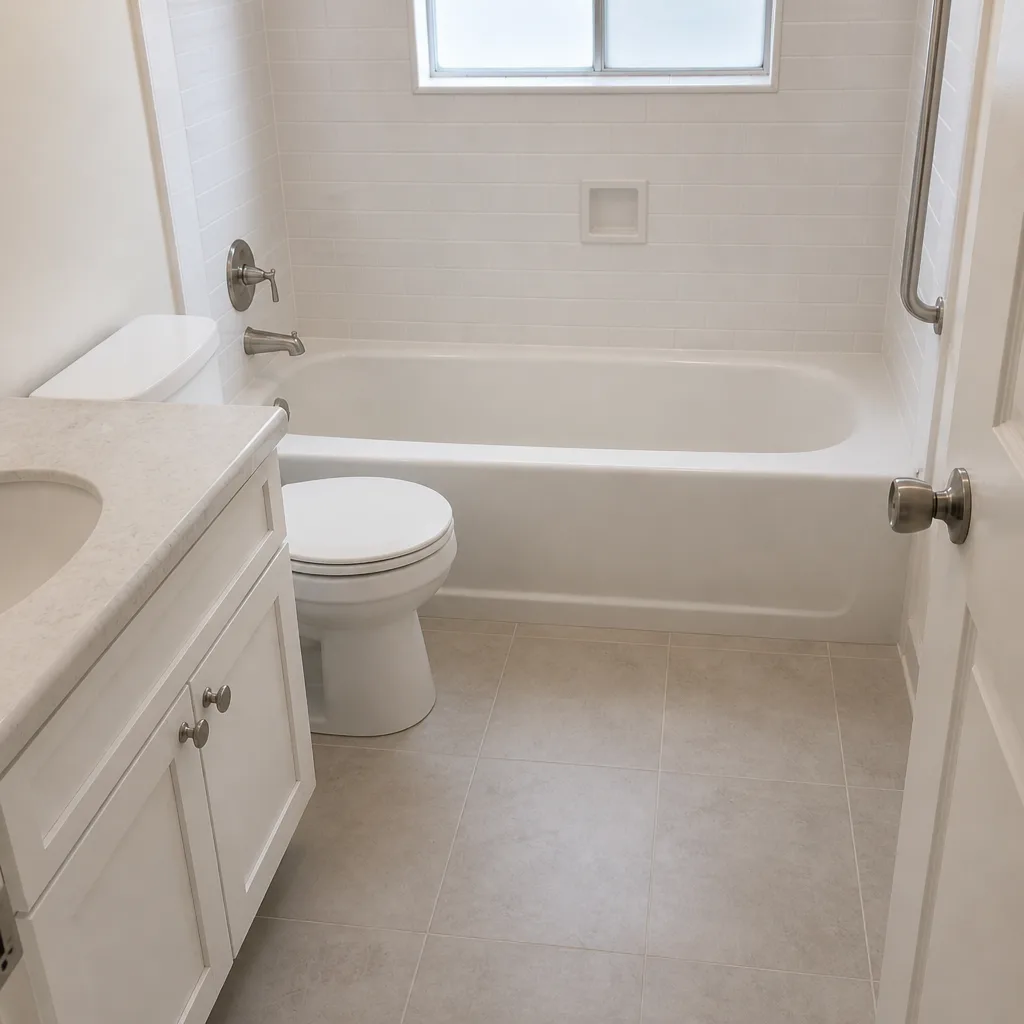 After
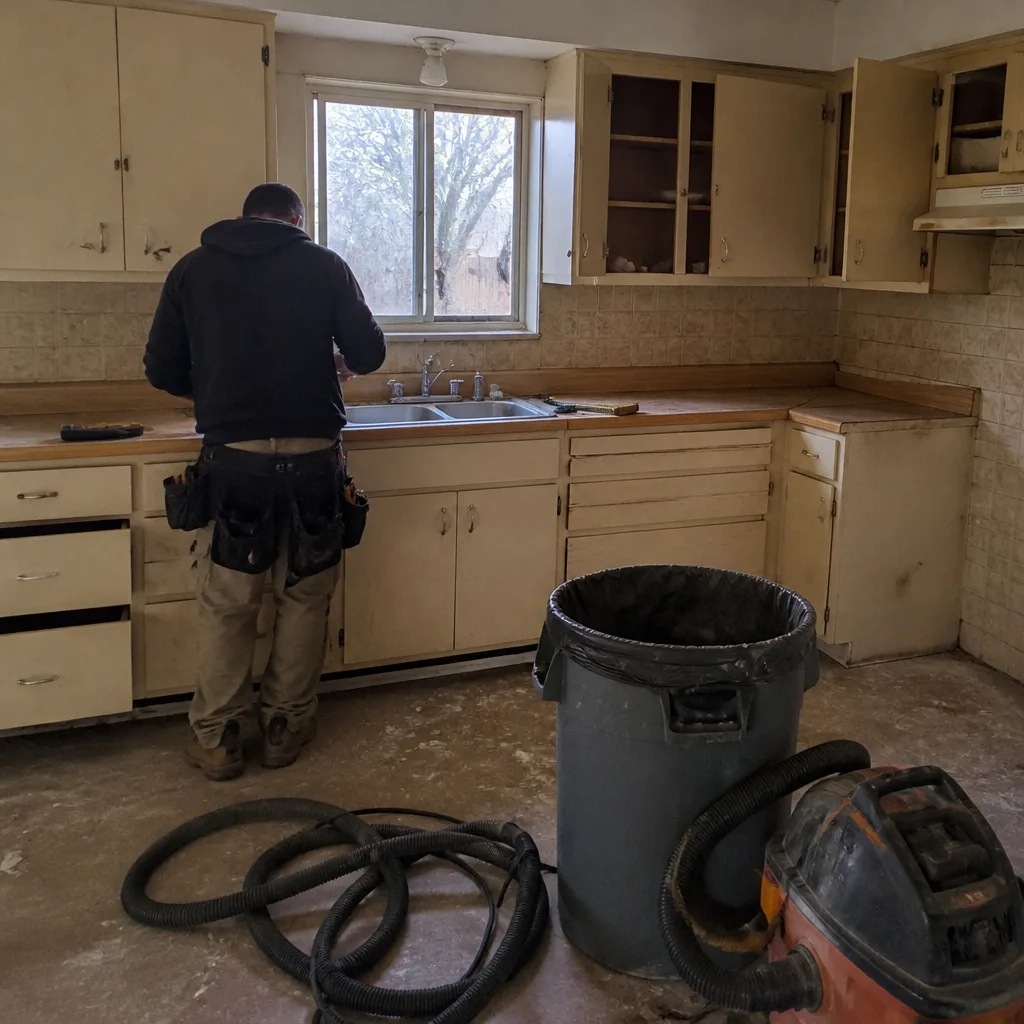
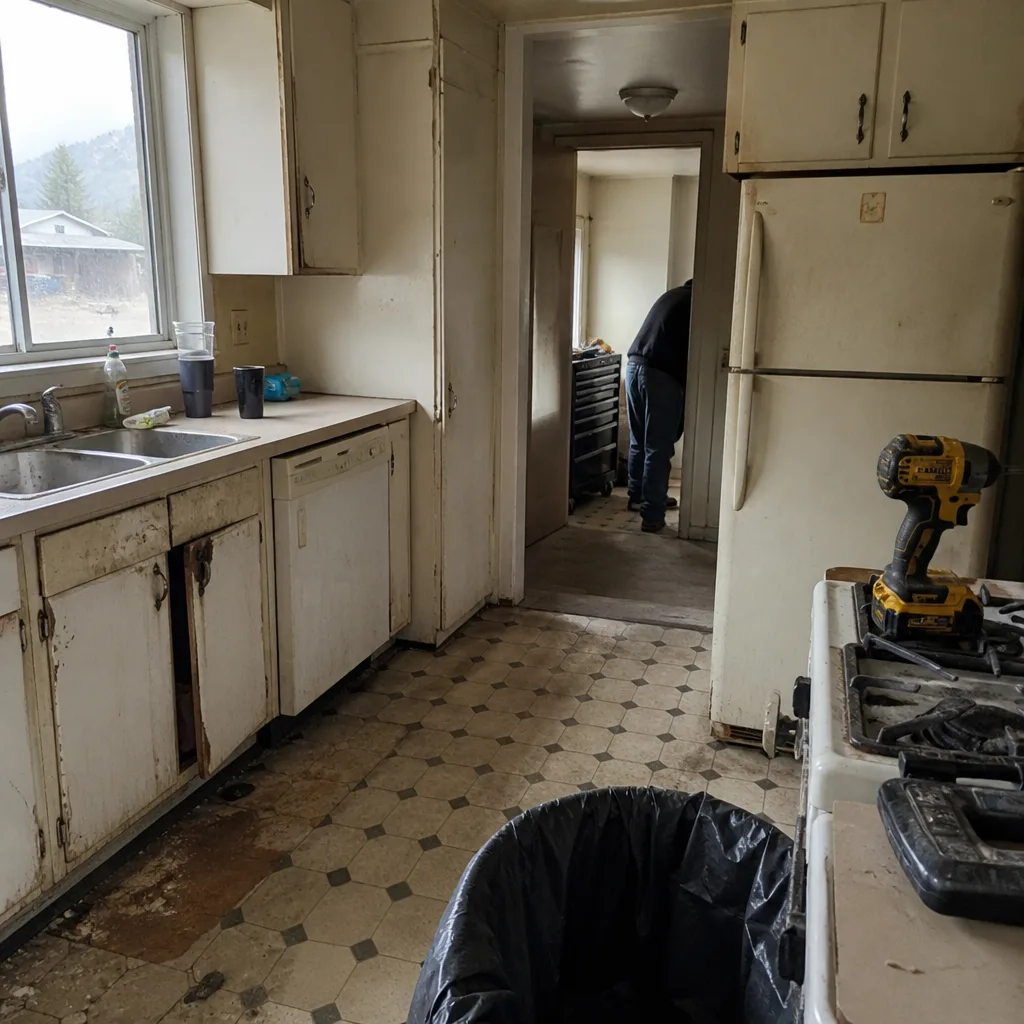 Before
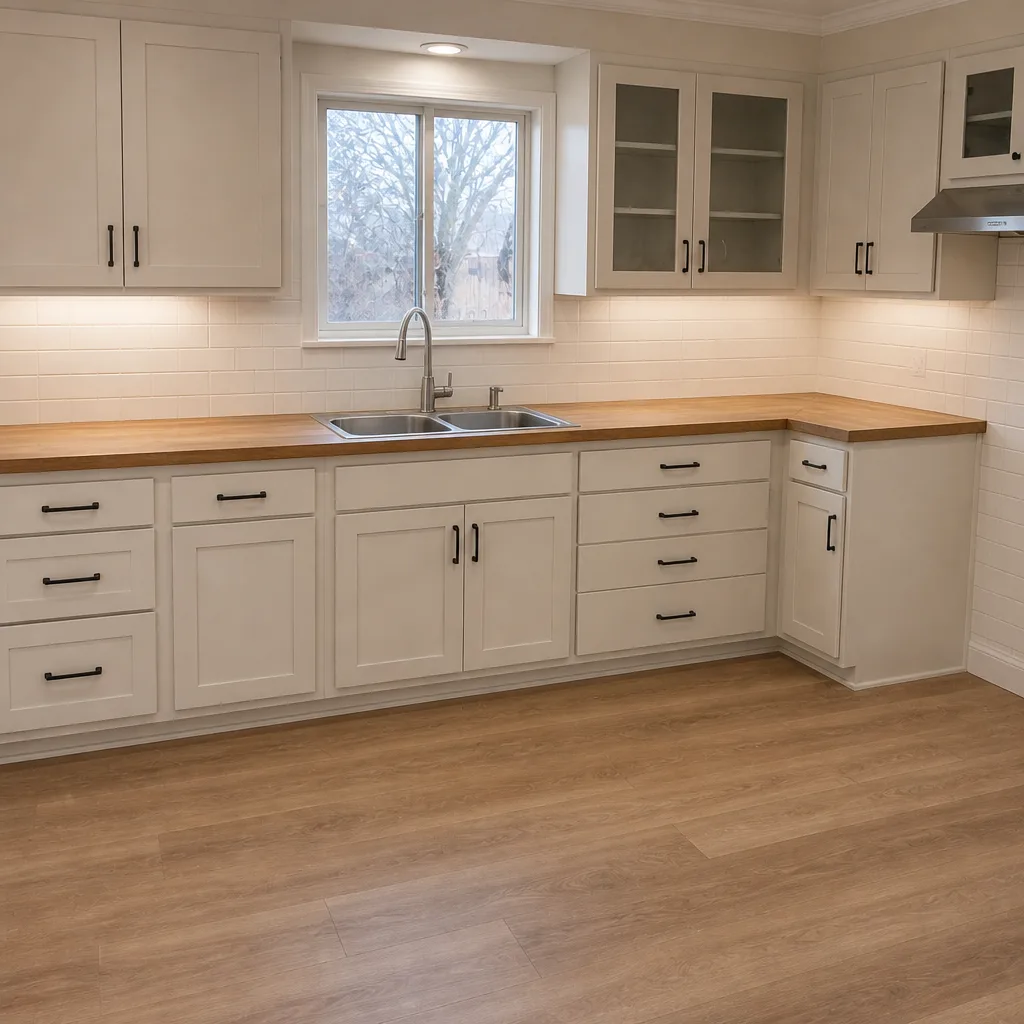
 After
 Before
 After
Replacement Cost & What’s Included
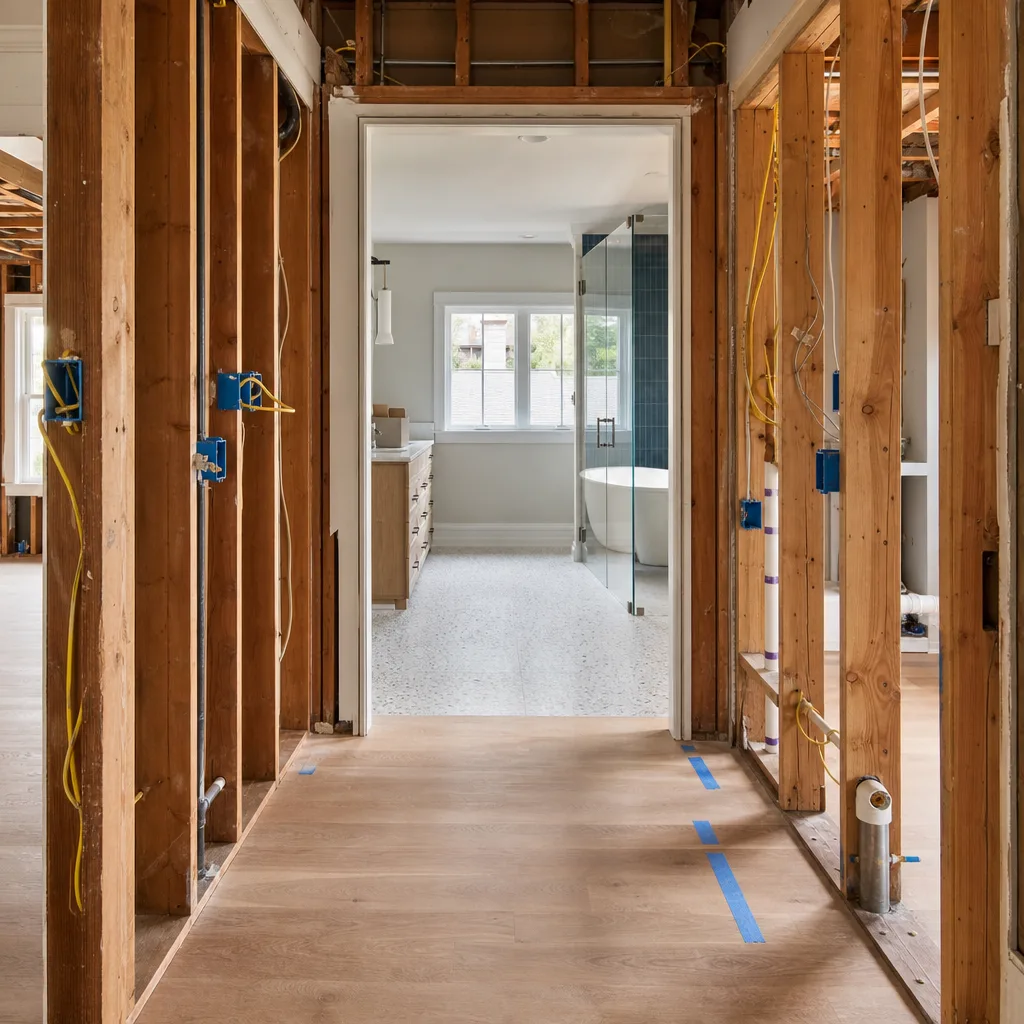
For an Enterprise addition or ADU project, the numbers break down roughly like this:
| Scope | Installed Range |
|---|---|
| Home addition (full project) | $45,000 – $130,000 |
| ADU construction | $90,000 – $220,000 |
| Garage conversion to living space | $30,000 – $80,000 |
What drives the range: square footage, whether the addition shares a foundation or needs its own, how much Boral cladding and trim you’re running, window count, and whether the scope includes interior finish. Cladding repair alone sits far below those project totals, and we’ll quote that separately if that’s all you need.
Every project gets a written price before any work starts, broken into line items, so you can see the parts and labor side by side. Permits are pulled and inspections passed as part of the scope. The finished work is covered by a written guarantee for 365 days from the completion date, and if a repair or installation fails in that window, we come back at no charge.
DIY or Call Us?
Some of this you can check yourself, safely. Walk the wall, press on panels for softness, look for star cracks around nail heads, and check the caulk joints at the addition tie-in for gaps. Photograph anything you find. That’s diagnosis, and it’s low risk.
Where DIY goes wrong is the repair itself. A cladding repair means pulling panels above the failure to find the water entry, and re-flashing correctly – if you reinstall over the same bad flashing, the cup comes back within a season. On a two-story wall, the work is at height, and ladder work on an exterior wall is where most of the injuries in this trade happen. A trained professional with the right staging handles it faster and safer.
If you’ve found a symptom and aren’t sure of the cause, call (844) 797-6157 and we’ll schedule a free estimate. Estimates are free, and you’ll get the written price before anyone picks up a tool.
FAQs
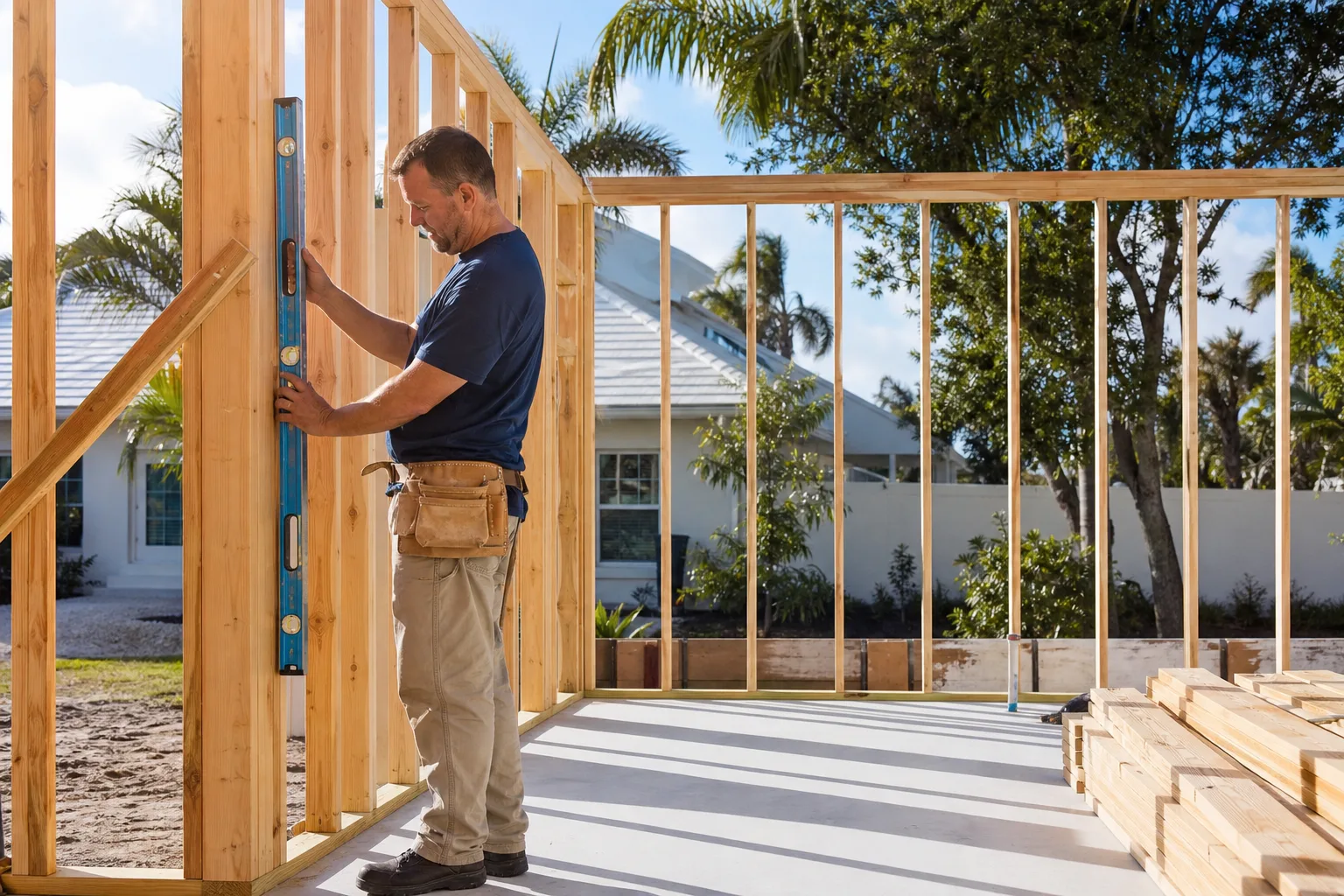
A properly installed Boral-clad addition should last decades – the cladding itself is a long-life product, and the structure behind it is what really determines the building’s life. In Enterprise, the parts that wear first are the paint film, the caulk joints at the addition tie-in, and the flashing details, so plan on recoating exterior trim on a shorter cycle than a cooler climate would need. Call (844) 797-6157 for an assessment if you’re unsure of the age or condition.
Often, yes. A cupped panel usually means a flashing repair plus a panel replacement, not a full re-clad, and a chalked trim board can sometimes be prepped and recoated rather than replaced. The right answer depends on whether water is still getting in. Call (844) 797-6157 for a free estimate and we’ll tell you which side of that line you’re on.
A focused cladding or trim repair on an addition is typically a few days on site, while a full addition or ADU project runs weeks to months depending on scope and inspections. We don’t promise same-day turnaround on construction work – we give you a realistic schedule in the written price. Call (844) 797-6157 for a timeline on your specific project.
We source through professional material channels and match your existing profile by name, thickness, and exposure width, using a quality aftermarket equivalent only when the original Boral profile is no longer in production. We’re an independent service provider and not affiliated with Boral. Call (844) 797-6157 and we’ll confirm what your wall needs before ordering.
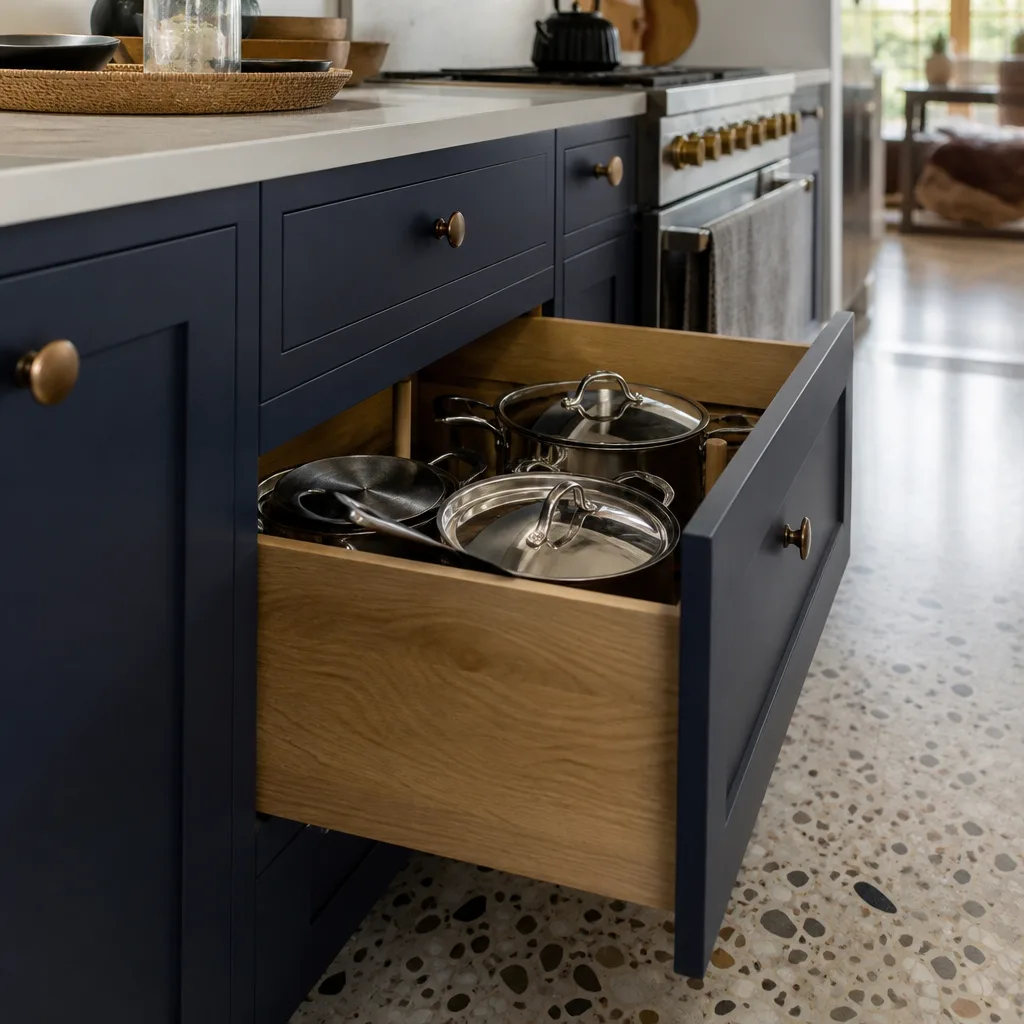
Mason Remodeling Enterprise also installs KraftMaid cabinetry, Cambria and Silestone surfaces, and other specification-grade materials when your addition or ADU scope includes interior finish work.
Every crew member who comes to your door is background-checked, identity-verified, and introduced to you by name and photo before the visit, with a photo ID badge at arrival – part of The Threshold Standard. A live person answers the phone 24 hours a day, 7 days a week, including weekends and holidays. Call (844) 797-6157 for a free estimate on your Enterprise addition or ADU project, and we’ll deliver a written price before any work starts.
Written by the team at Mason Remodeling Enterprise, serving Enterprise and nearby areas.