
Free written scope consultation - allowances, timeline, and change-order rules on paper before a single trade is scheduled
Caesarstone Home Additions & ADU: The Enterprise Owner’s Guide
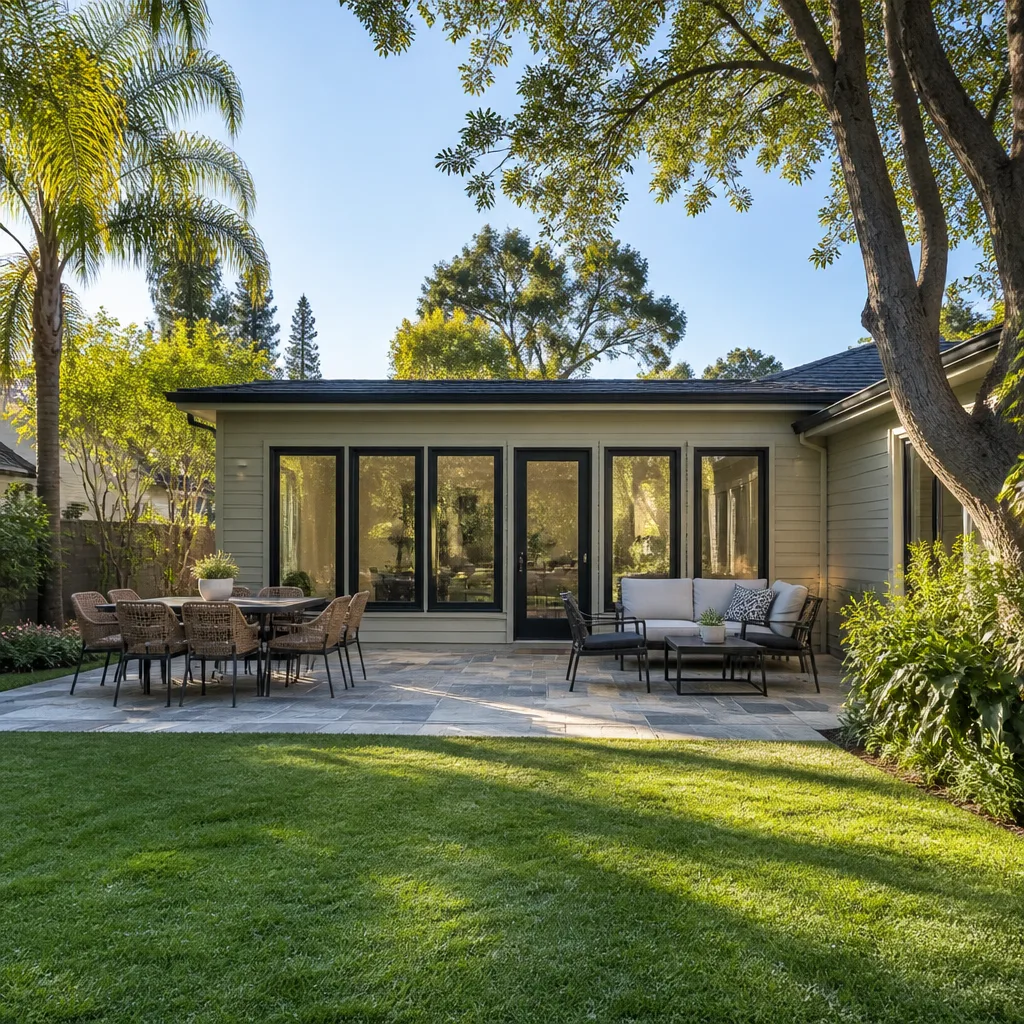
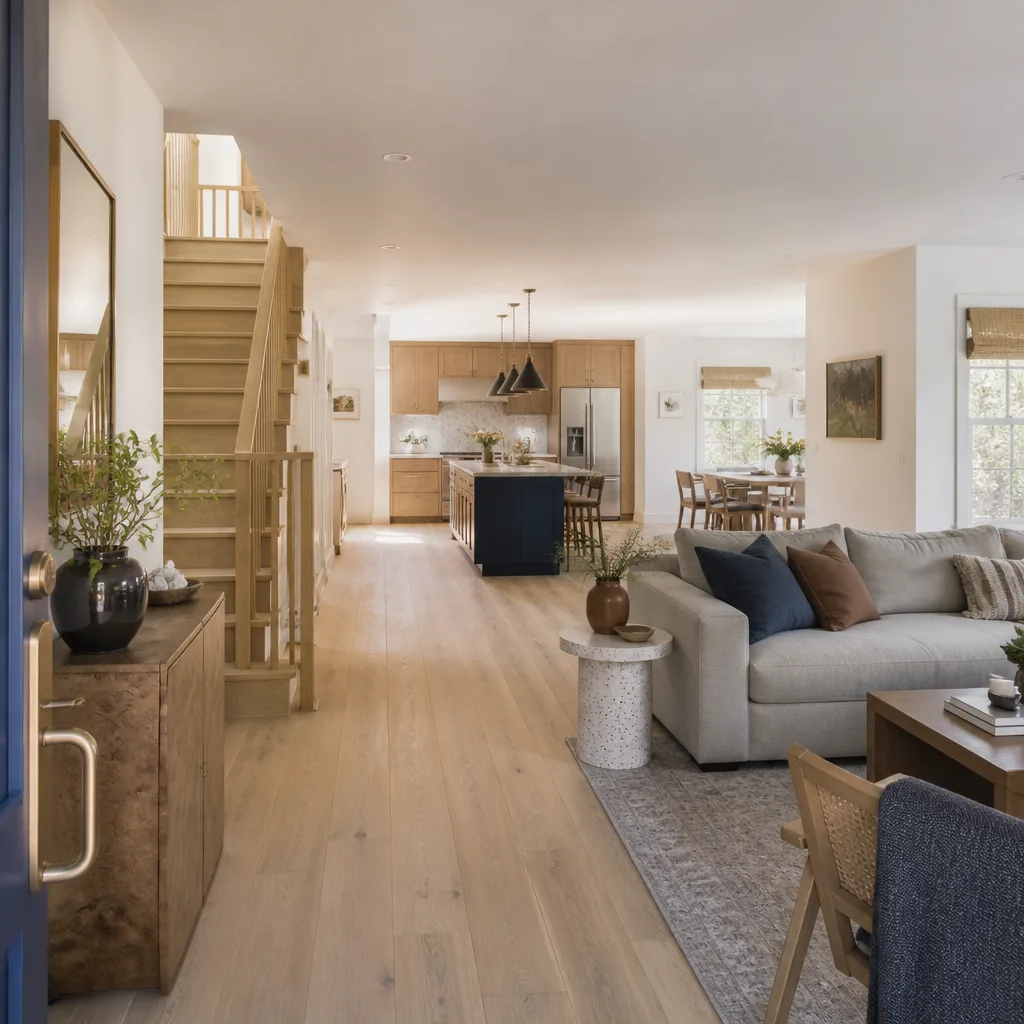
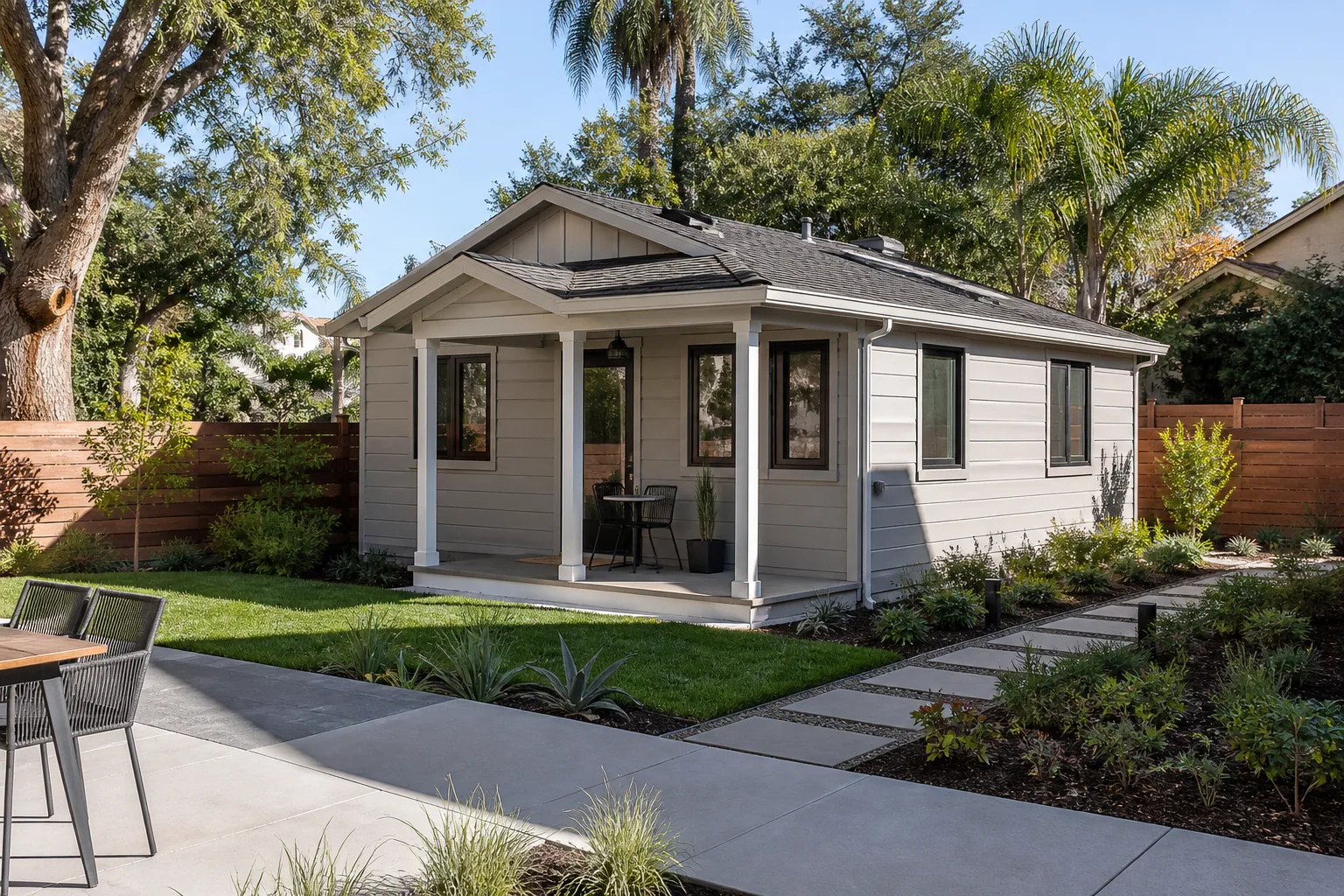
We build and finish home additions and ADUs in Enterprise that use Caesarstone quartz surfaces where they matter most: kitchen islands, bath vanities, and utility counters. Typical installed pricing for a home addition runs $45,000 – $130,000, and a full ADU lands between $90,000 – $220,000, depending on size, foundation, and how much of the interior gets stone. We deliver a written price before any work starts, so you’re not guessing at the number.
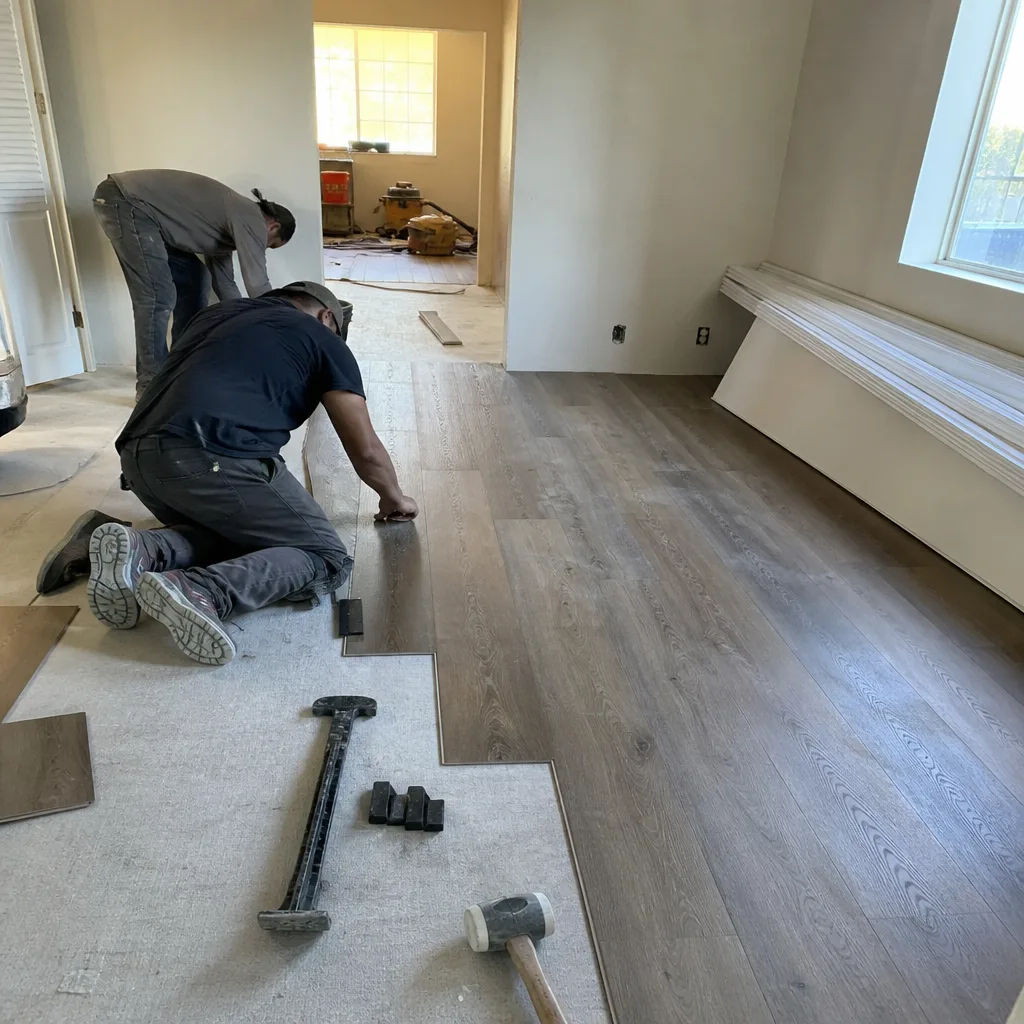
Most Enterprise owners don’t set out to think about quartz at all. They call because a countertop has chipped at an edge, a seam has opened next to the sink, or a heat crack showed up after a summer of 110°F afternoons. The new square footage is the project. The stone is the part that keeps failing. If that sounds familiar, the sections below cover what fits your Caesarstone slab or prefab piece, what it costs to make right, and when it’s worth calling us instead of reaching for a caulk gun.
Which Caesarstone Models This Applies To
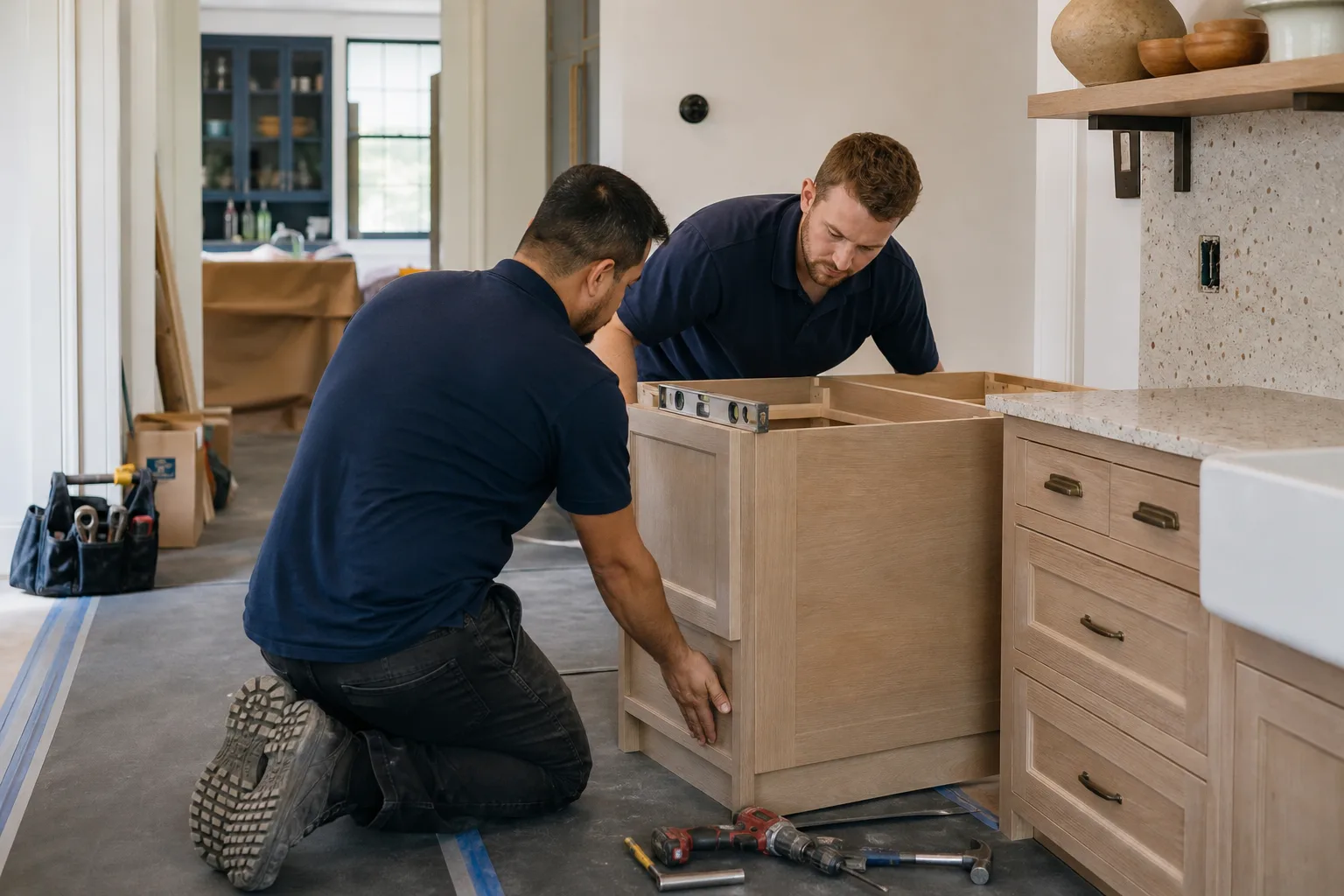
Caesarstone quartz is a manufactured surface, so the “model” question isn’t about a machine serial number the way it would be for a garage door opener. What matters is the color line, slab thickness, and edge profile. The common thicknesses are 20 mm (about 3/4 inch) and 30 mm (about 1-1/4 inch). The 30 mm stock is what most kitchen islands and additions use because it spans wider without a plywood build-up. The 20 mm is more common on bath vanities and backsplashes, where weight and cost matter more.
When you’re identifying what you have, look for the Caesarstone label on the underside of the slab or the fabricator’s sticker. Measure the thickness with a tape at the front edge and check the depth: standard is 25-1/2 inches with a slight overhang, but island tops often run deeper. The OEM-vs-aftermarket decision here is really a slab-match decision. Caesarstone colors change over the years, and a discontinued shade means a near-match from the same color family, not a perfect one. An exact-match piece only comes from the original slab lot, which is why we ask for photos of the label and the damaged area before quoting. We’re an independent service provider and not affiliated with Caesarstone, so we source through our surface partners and match to what you actually have.
Styles & brands we work with
- Kitchen remodeling
- Bathroom remodeling
- Home additions & ADU
- Roofing
- Windows & doors
- Driveway & pavers
- Fence
Signs Your Caesarstone Home Additions & ADU Is Failing
Quartz doesn’t fail the way wood or laminate does. It fails at the edges, seams, and heat-exposed spots. Here’s what to watch for in an Enterprise addition or ADU:
- Chipping at the front edge or sink cutout. Quartz is hard but brittle. A dropped pan or a heavy pot set down hard chips the edge, and once the chip reaches the seam it can spread. A chip near a sink is worse because water gets behind the caulk line and under the slab.
- An open or darkened seam. Seams open when the cabinet box shifts or the adhesive fails. In our dry desert air, seams that were fine in spring can open by fall as cabinets move slightly with the season. A dark line at the seam usually means moisture or adhesive breakdown, not just a surface stain.
- A heat crack or scorch mark. Quartz resin softens and discolors around 300°F. A hot pan set directly on the surface, or a slow cooker left running against the edge, leaves a scorch or a hairline crack. This is the most common summer failure we see in Enterprise.
- Lifting or rocking near the dishwasher. If the slab rocks when you press the edge, the cabinet frame underneath has swelled or dropped. Quartz doesn’t bend. It cracks under point load, so a rocking top is a warning, not a cosmetic issue.
- Dull or etched spots that won’t clean. Chemical damage from harsh cleaners or a dropped acidic product dulls the resin surface. It looks like a stain but the finish is gone. Re-polishing is possible on some spots, but a full replacement is often the honest answer.
Replacement Cost & What’s Included
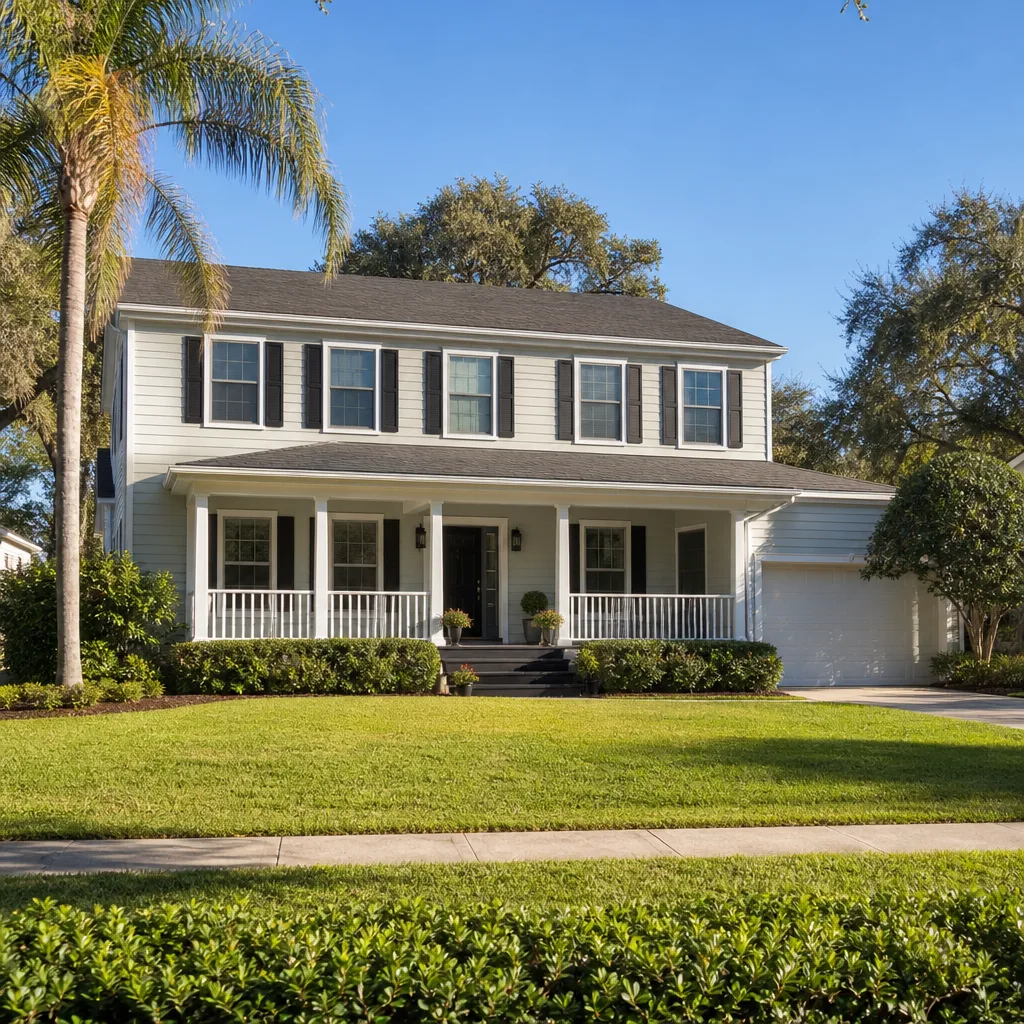
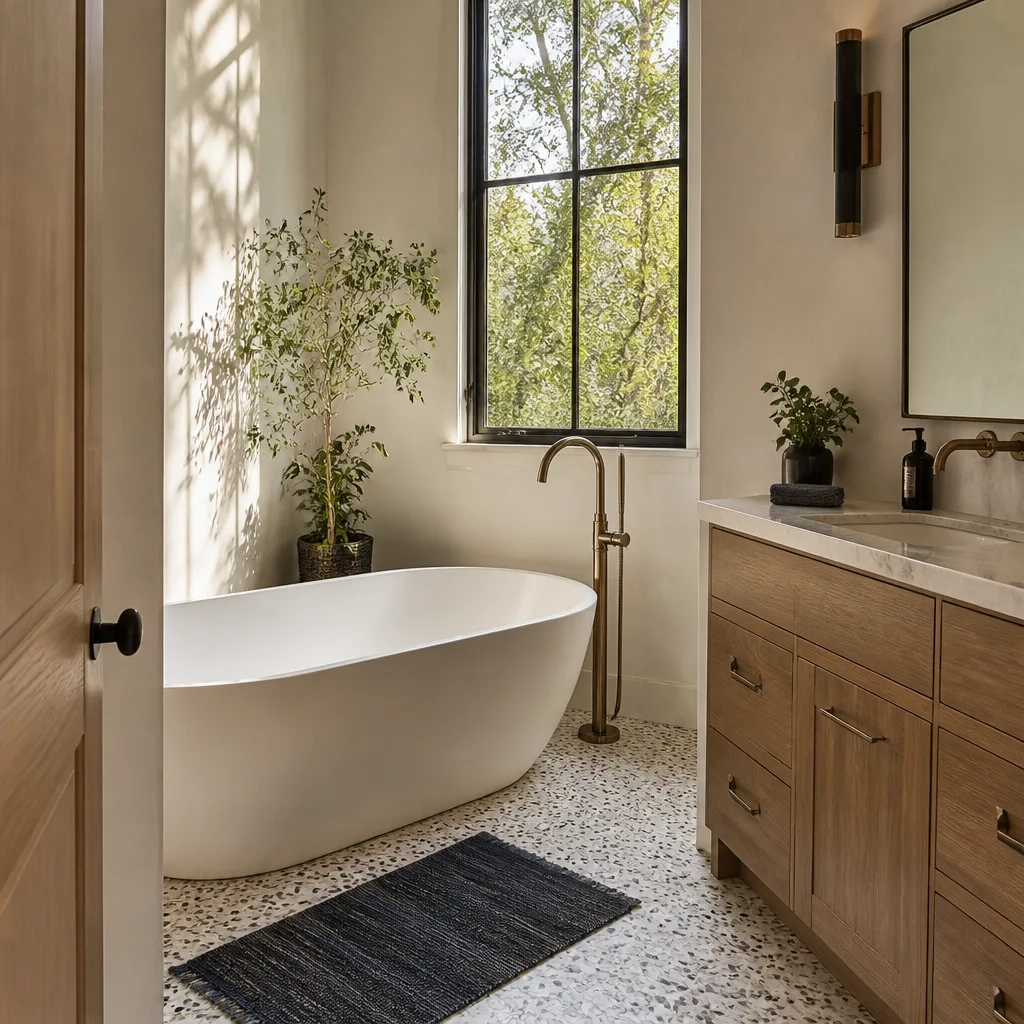
For a Caesarstone counter or island top within an addition or ADU in Enterprise, installed pricing runs $2,000 – $6,500 for countertop installation, with a kitchen island at $3,000 – $10,000, and a backsplash at $800 – $2,500. The range is driven by slab size, thickness, edge profile, and whether the old top has to come out first. A demo-and-replace on a large island with a mitered edge lands at the top of that range. A straight 20 mm vanity top lands near the bottom.
Every quote is line-itemed: slab, fabrication, cutouts, edge, install, and disposal. There’s no surprise invoice at the end. The work is covered by a written guarantee, and if the installation fails within 365 days of completion, we come back and make it right at no cost to you. That guarantee is stated in plain terms: what’s covered, what’s excluded, and how long.
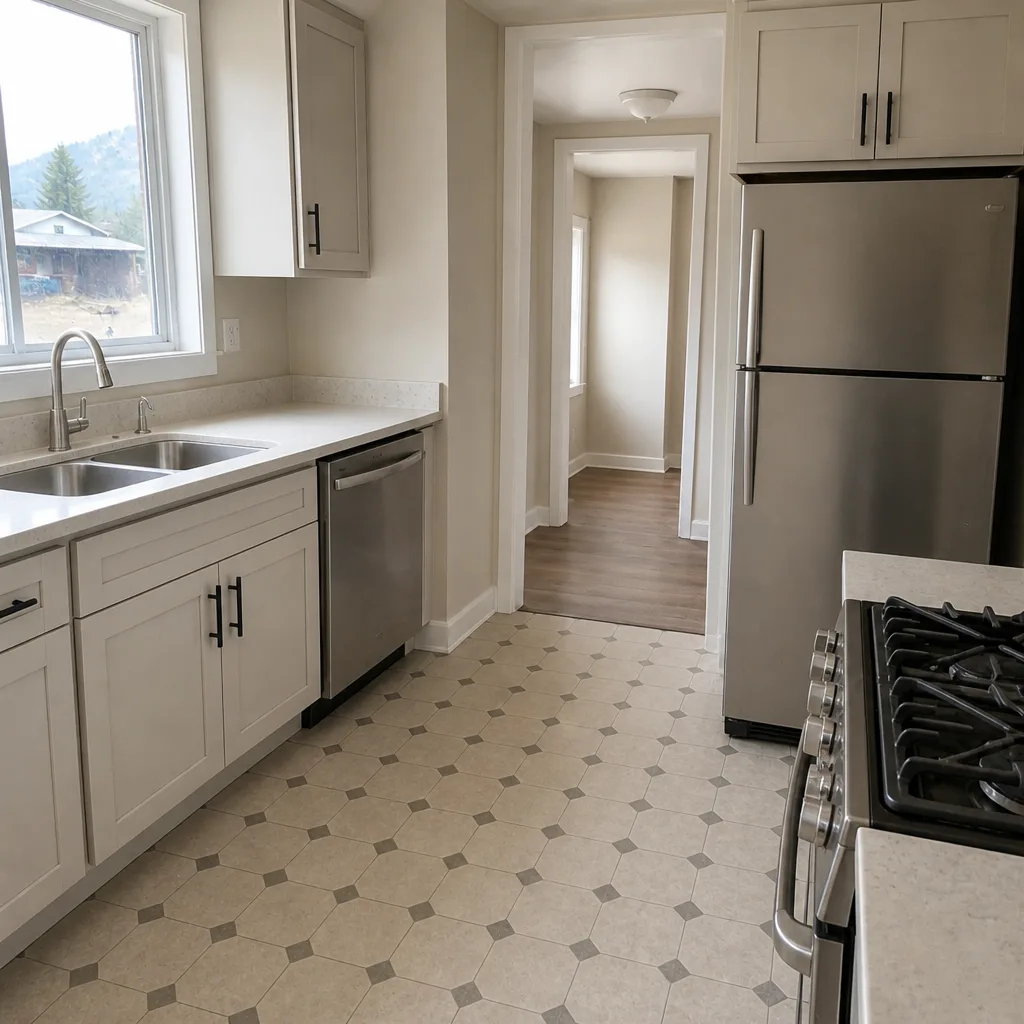
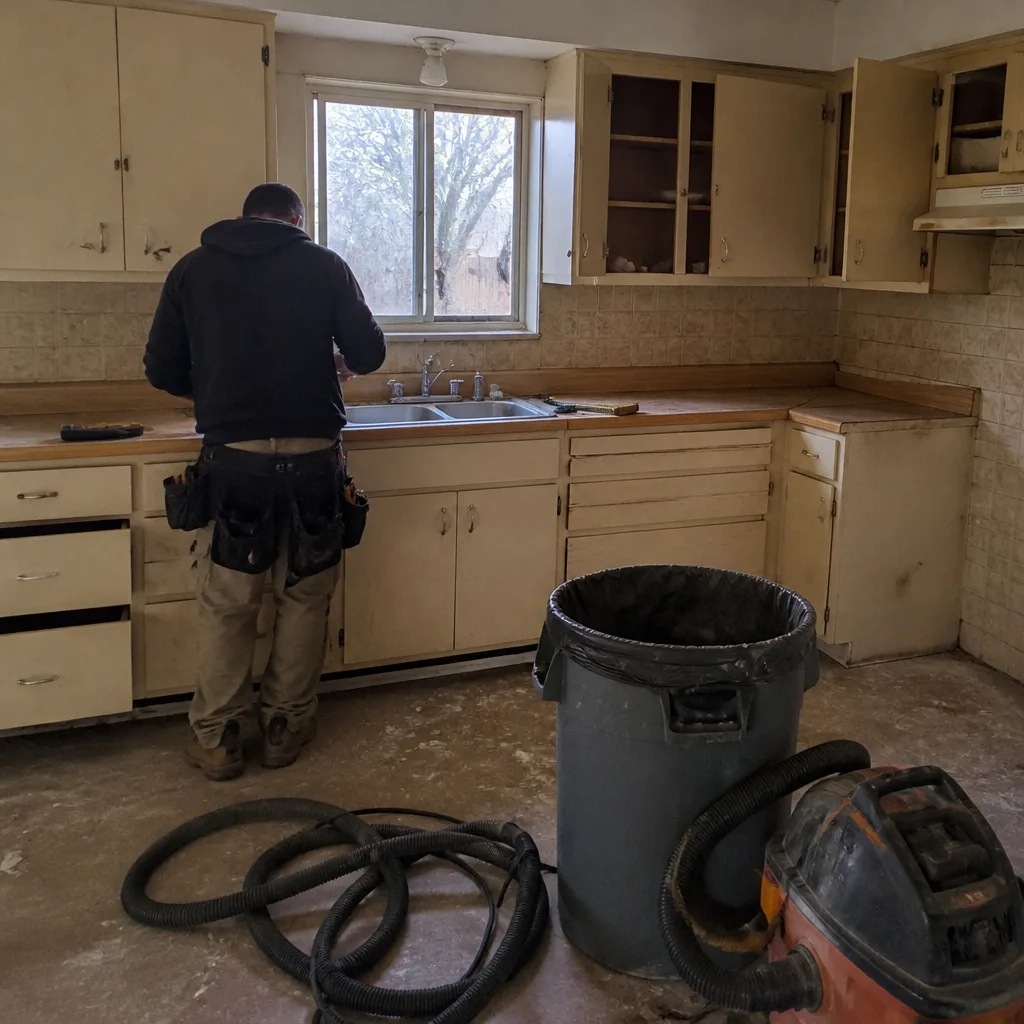
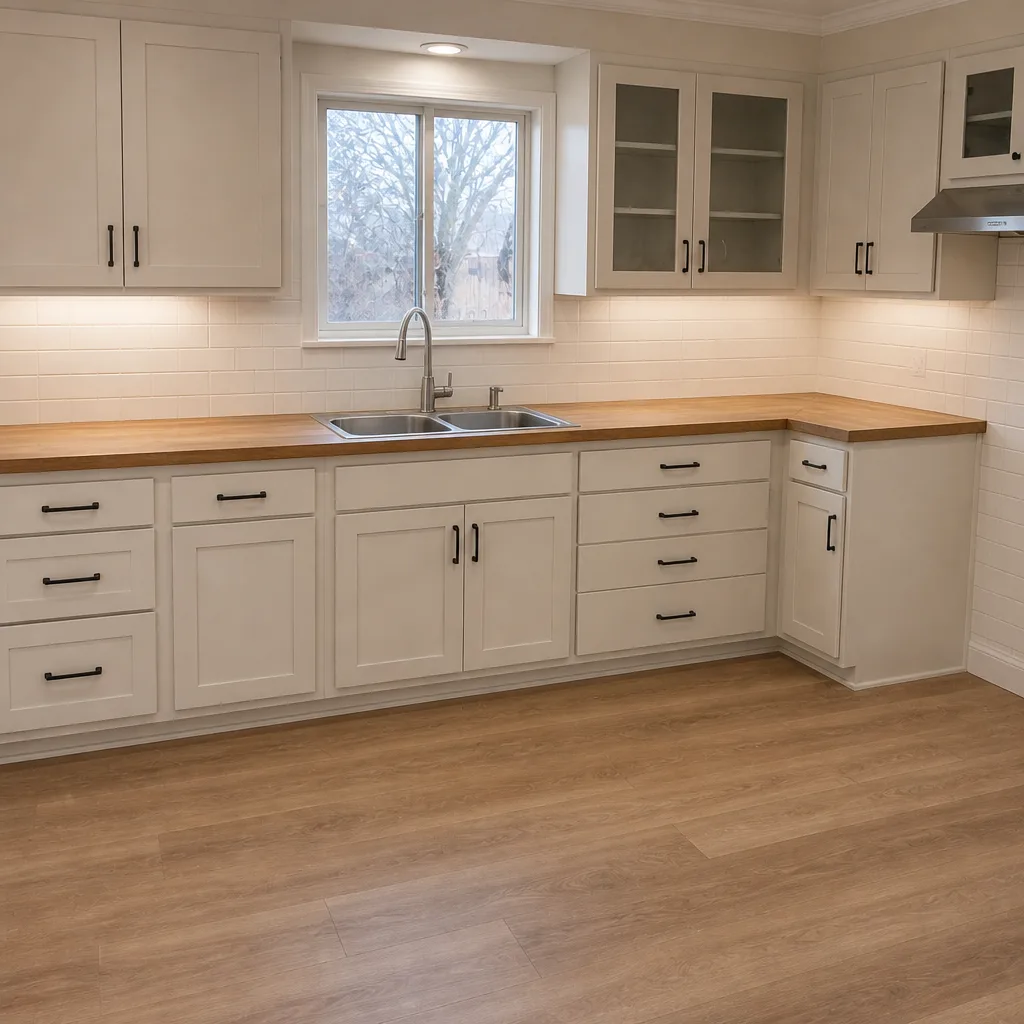
See the difference
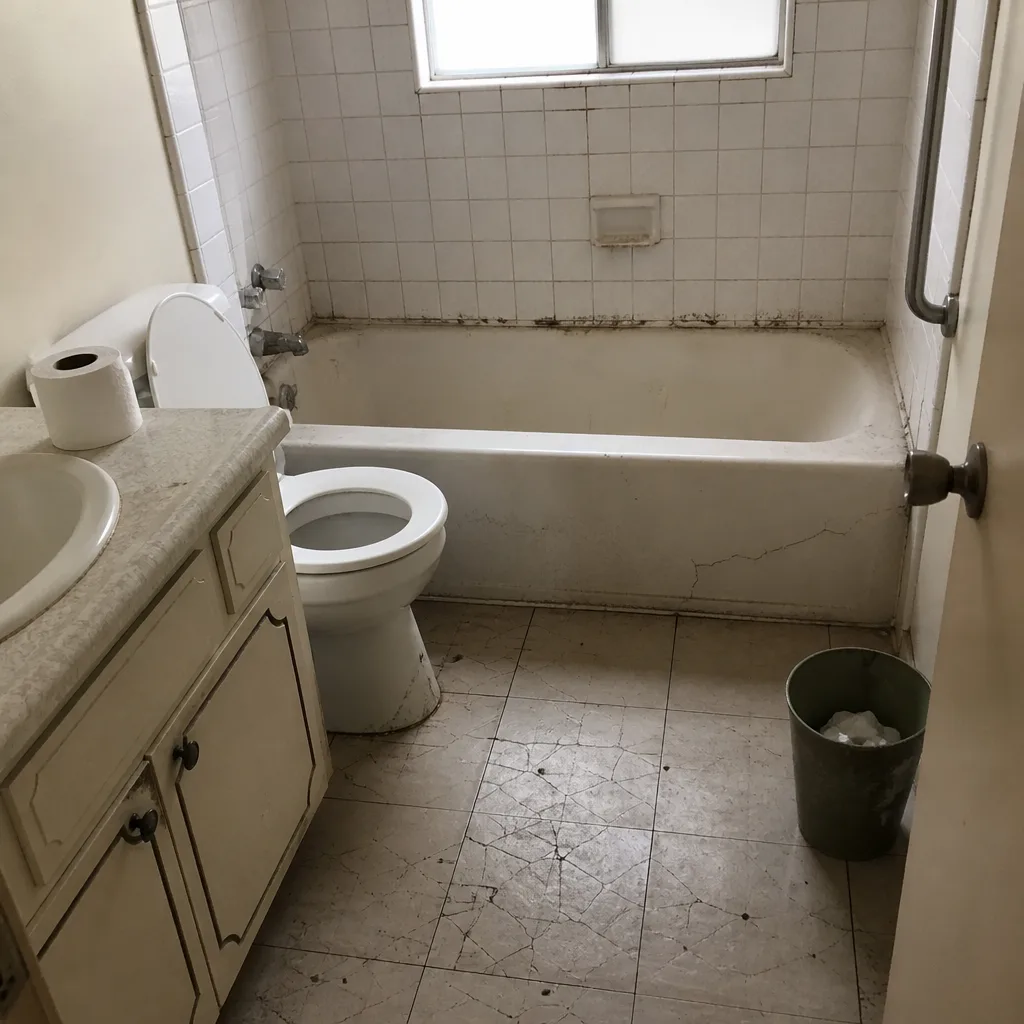 Before
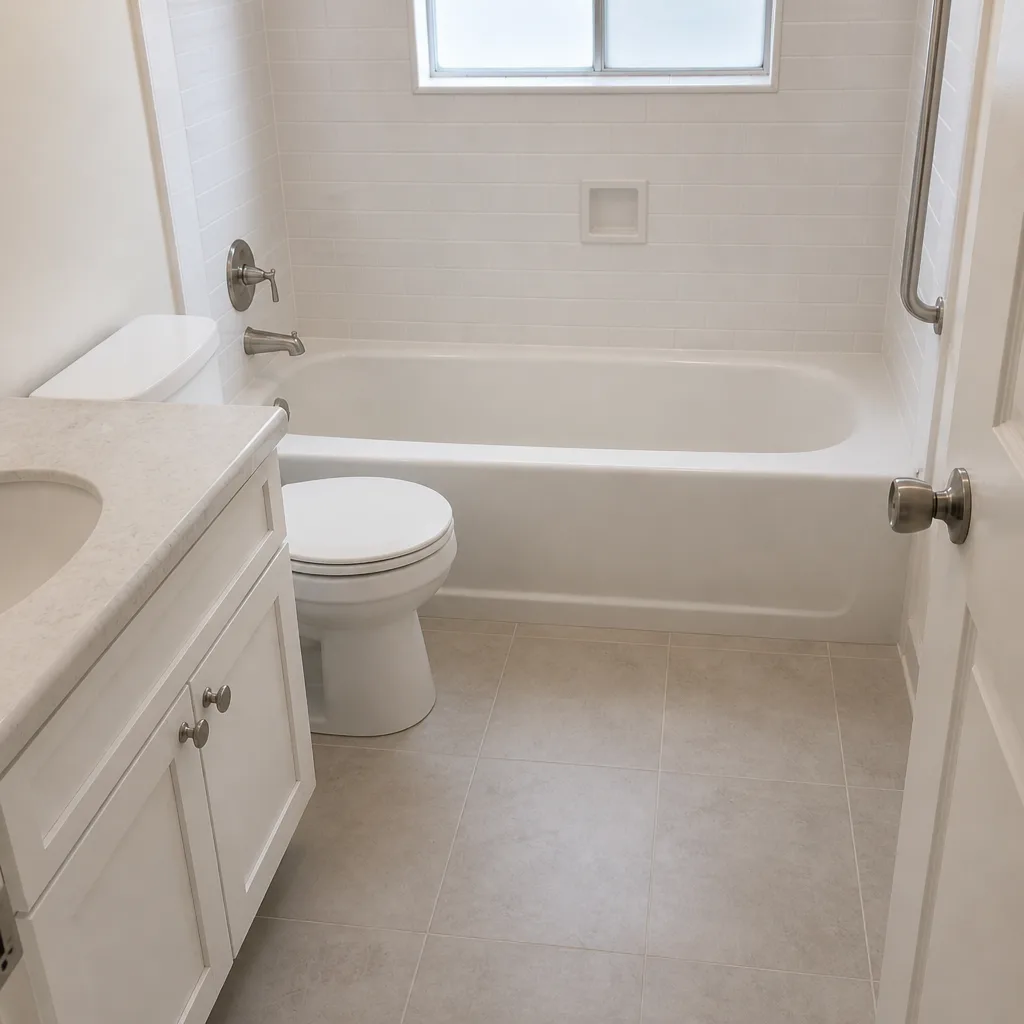 After
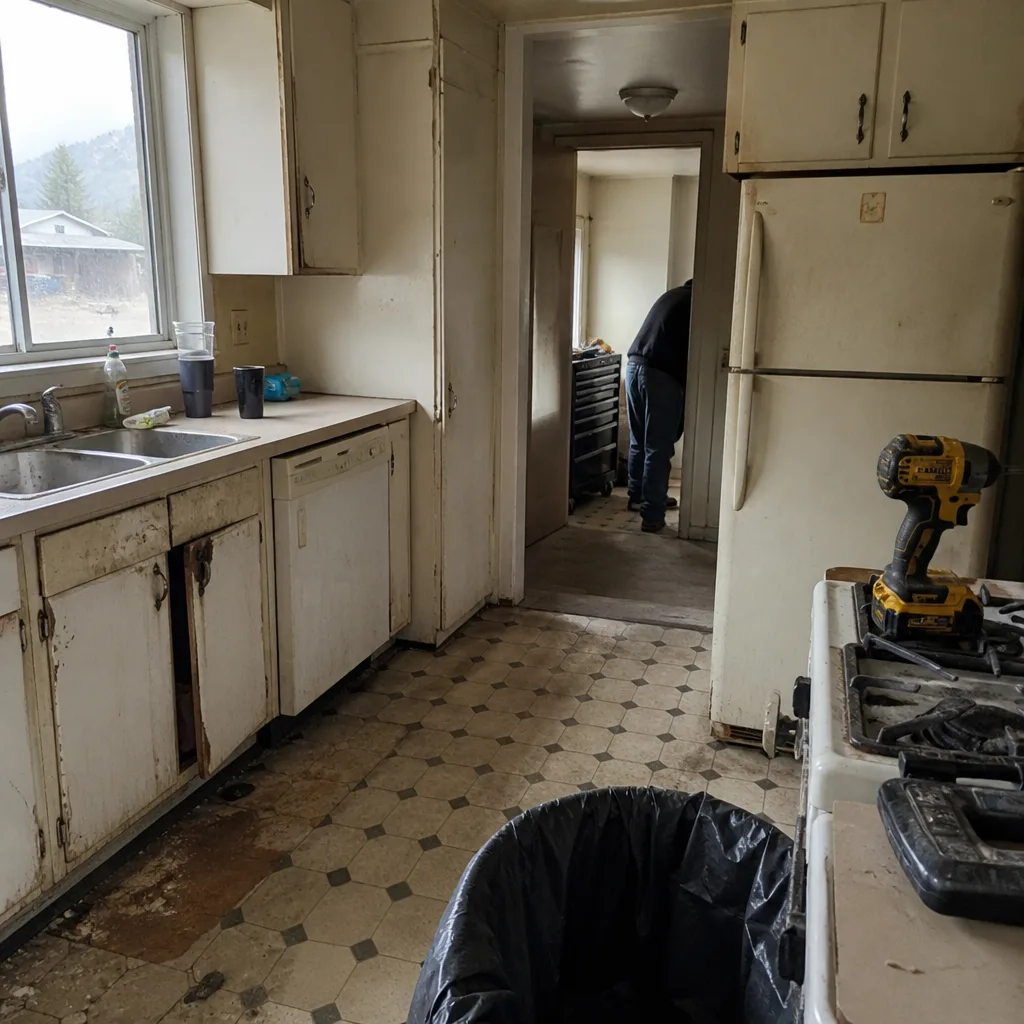 Before
 After
 Before
 After
DIY or Call Us?
Some checks are safe and useful. Measure the slab thickness, photograph the label, check whether the top rocks, and look for a chip that’s only in the surface resin rather than into the body of the stone. That information helps us quote accurately.
What we don’t recommend is pulling a quartz slab yourself. It weighs 100 to 400 pounds depending on size, it’s brittle, and a top that slips during removal can break a cabinet run or a foot. Cutting a seam out with a grinder in an enclosed addition kicks up silica dust, which is a real respiratory hazard without the right respiratory protection and wet-cutting setup. We handle removal and install with the right equipment and give you a written price first.
If the top is rocking or the seam is open, call us before it cracks. (844) 797-6157 reaches a live person 24 hours a day, and the estimate is free.
FAQs
Fifteen to 25 years is typical when it’s installed on a stable cabinet base and not abused with direct heat. In the dry Enterprise climate, the main risks are seasonal cabinet movement opening seams and heat damage from hot pans. A properly supported slab with a good seam and a heat-safe habit lasts toward the long end.
Sometimes, yes. A shallow chip or a short hairline can be filled and polished, and it holds up well if the crack hasn’t reached the seam. A crack that runs from the sink cutout across the slab, or a heat crack with scorching, usually means replacement. We look at photos before quoting so you know which answer applies.
A single vanity top or a small counter is usually a half-day to one day. A large island or a full kitchen run in an addition takes one to two days once the slab is fabricated, and fabrication is the longer lead time, often one to three weeks depending on the color and thickness. We give you both dates in writing.
We match by color line, thickness, and edge profile, not by a serial number. You send photos of the underside label and the damaged area, and we work with our surface partners to find an exact or near-exact match. If a color is discontinued, we tell you that upfront and show you the closest option before anything is ordered. We also service KraftMaid, Cambria, and Silestone surfaces, so if your project touches more than one material, we can quote it as one scope.
Why Enterprise Homeowners Call Us
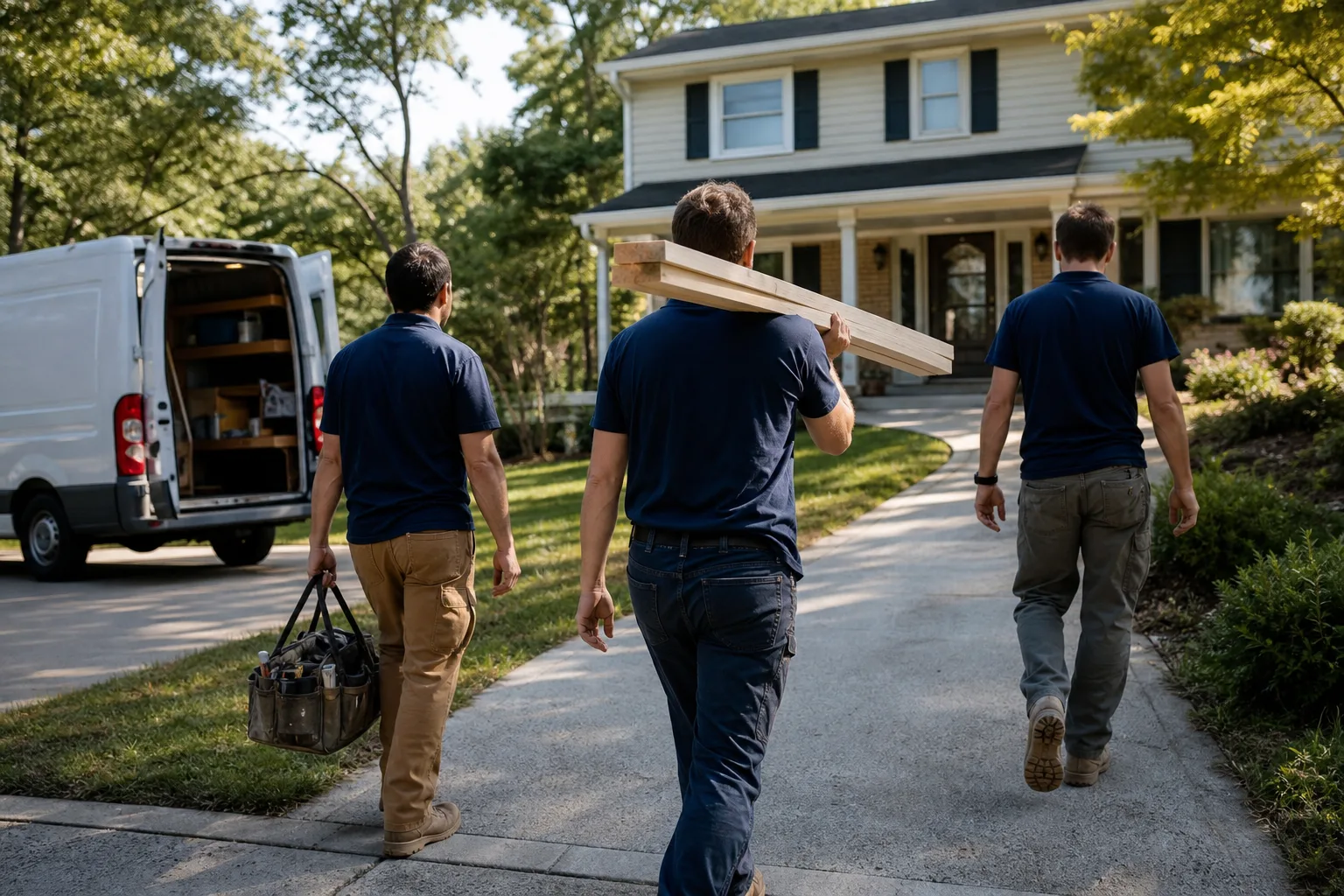
Every crew member who comes to your door is verified by name and photo before the visit, arrives in a clean uniform, and shows a photo ID badge at the door. That’s The Threshold Standard, and it’s not a policy you have to ask for. Whether you’re home alone, managing kids, or just prefer to know who’s coming, you’ll know.
Our technicians have up to 22 years of experience with surface work and additions, and our upfront pricing means the number you see is the number you pay. Call (844) 797-6157 to schedule your free estimate. A live person answers around the clock, every day of the year.
Written by the team at Mason Remodeling Enterprise, serving Enterprise and nearby areas.