





Free written scope consultation - allowances, timeline, and change-order rules on paper before a single trade is scheduled
Quikrete Kitchen Remodeling: The Enterprise Owner’s Guide
Quikrete-compatible kitchen remodeling work in Enterprise typically runs $14,000 to $45,000 installed, depending on whether you’re resetting a patch of failed countertop underlayment, re-floating a slab, or rebuilding a full kitchen floor and wall assembly. Small kitchens land lower, in the $9,000 to $20,000 range. We handle Quikrete-product kitchen repairs and rebuilds as an independent service provider, not affiliated with Quikrete itself.
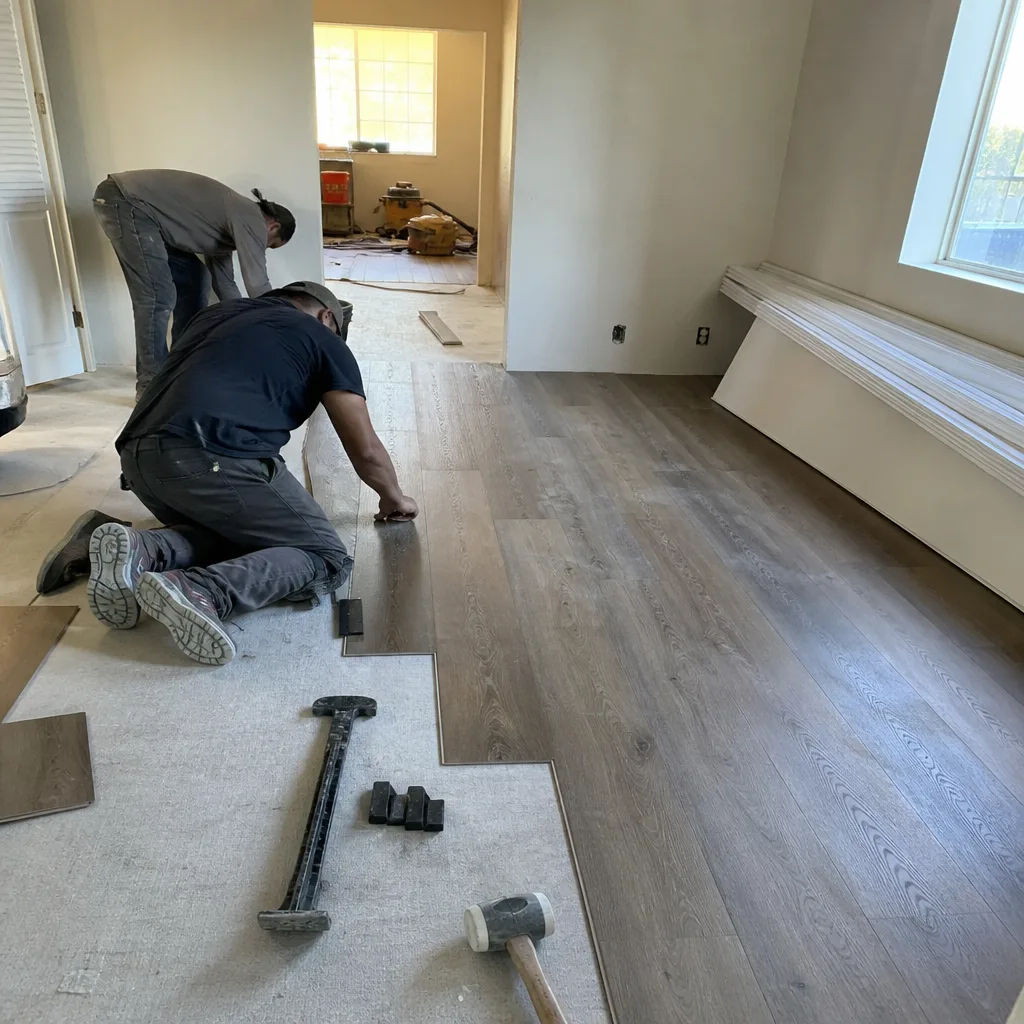
Enterprise owners usually find the problem the same way. A tile pops loose near the sink. A countertop edge starts to rock. Grout cracks in a line across the floor, then keeps coming back no matter how many times it gets patched. What looks like a finish failure is almost always a substrate failure underneath, and the Quikrete material that was used to build that substrate is the part you’re now trying to match, price, and repair. Call (844) 797-6157 for a free estimate on the fix.
Which Quikrete Models This Applies To
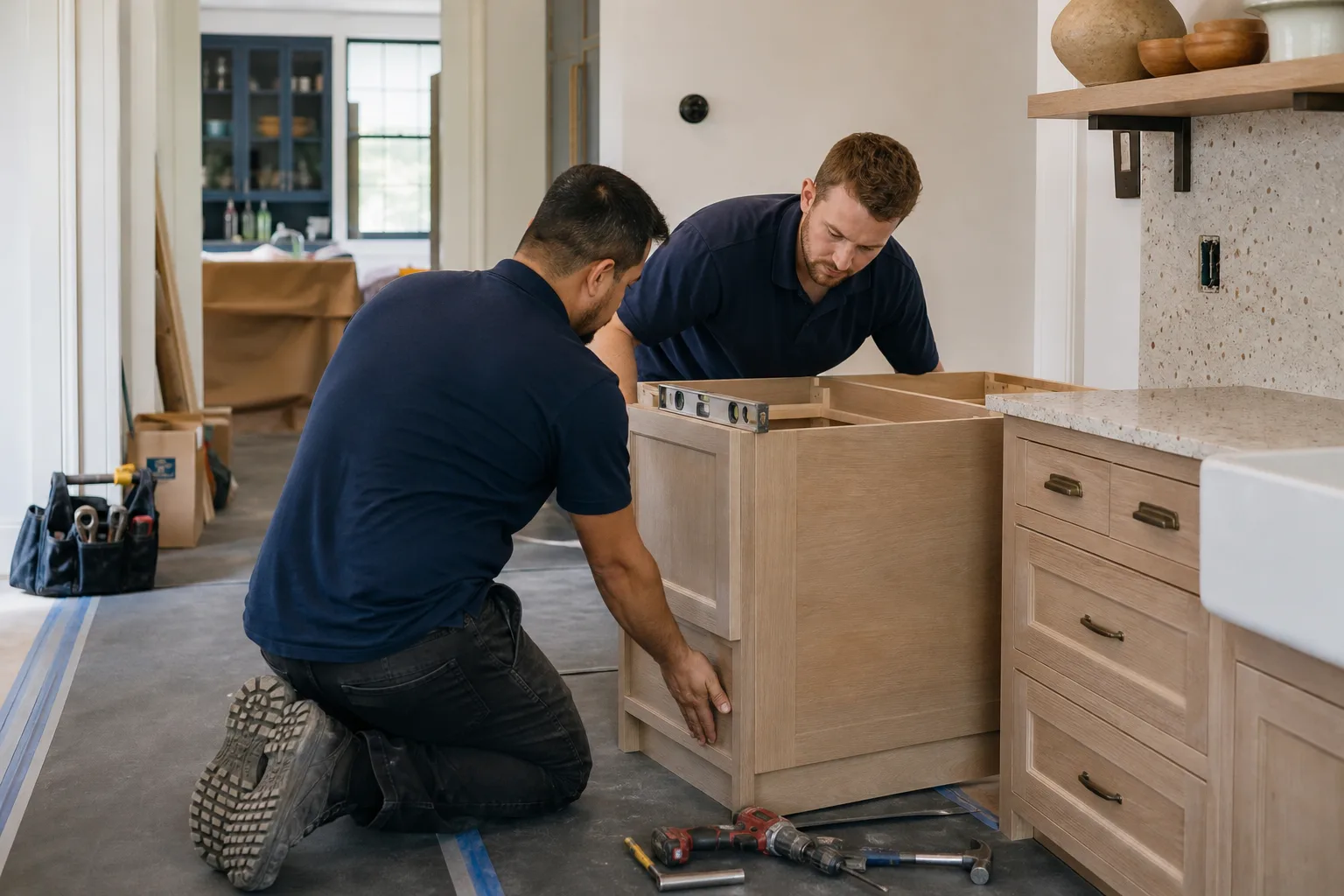
Quikrete makes a wide family of kitchen-relevant products: sand topping mix, fast-setting concrete, mortar mixes, patching compounds, and floor leveling products. The version matters more than most homeowners expect. A sand topping mix and a floor leveler behave very differently under a tile assembly, and using one where the other belongs is how a floor develops a hollow spot within two summers of 110-degree Enterprise heat.
Identify what you have before we quote anything. Look for the bag label, the printed mix designation, and the coverage figure. If the original bag is gone, we measure the slab thickness and the surface profile instead, because an installed depth of a quarter inch and three quarters of an inch call for genuinely different products. For a Quikrete-based repair, we match the existing mix family rather than guess at a substitute, since mismatched cure rates cause the exact cracking the original install avoided.
The OEM-versus-aftermarket question is different here than it is for a cabinet hinge or a faucet cartridge. Quikrete is the standard material, not a proprietary part, so quality equivalents are legitimately available and sometimes the better call for a specific repair. Where a fast-setting mix matters for a small patch, we say so. Where a standard mix does the job and costs less, we say that too. We don’t carry parts or stock materials on a truck; we spec the right product for your kitchen and source it for the job.
Styles & brands we work with
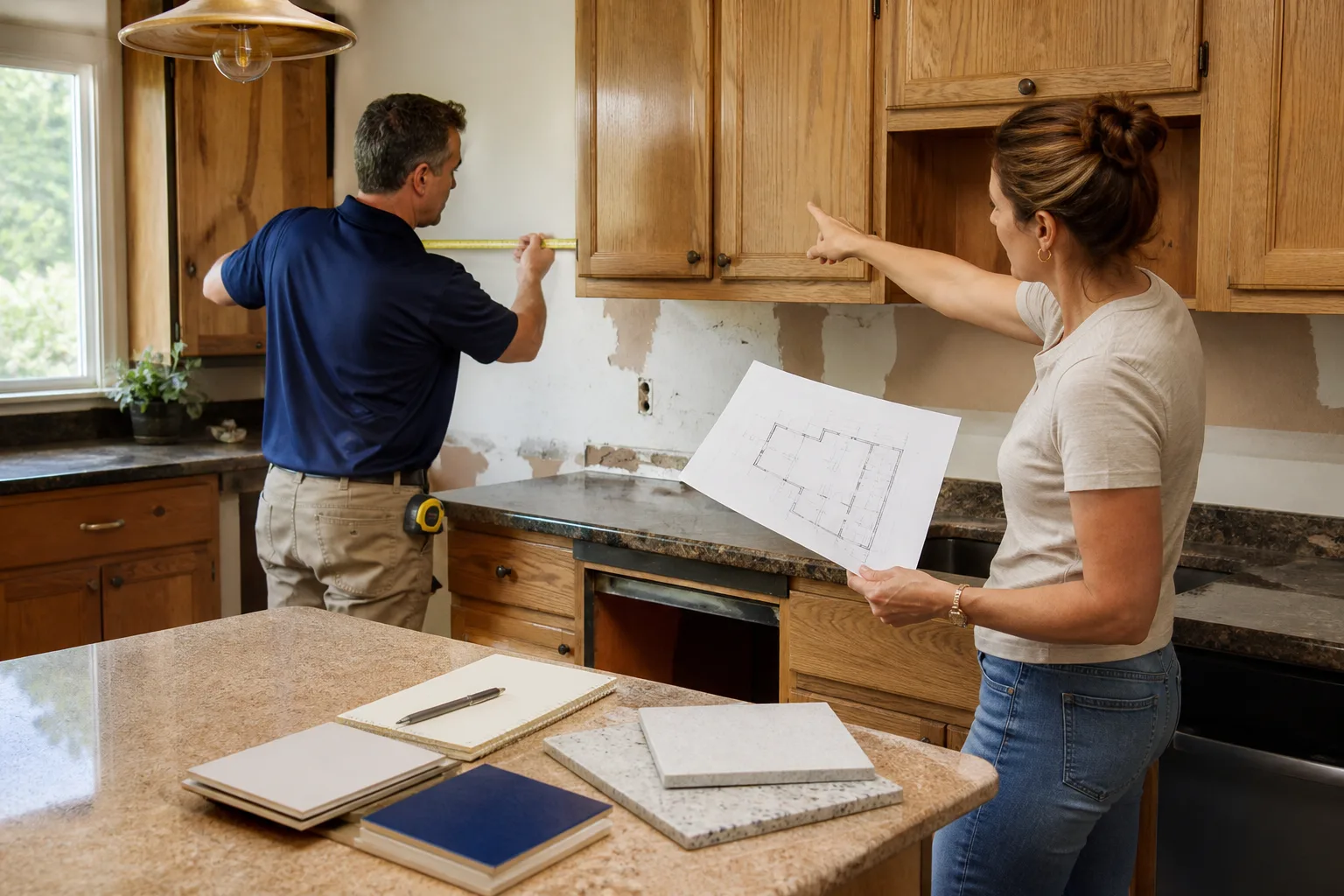
- Kitchen remodeling
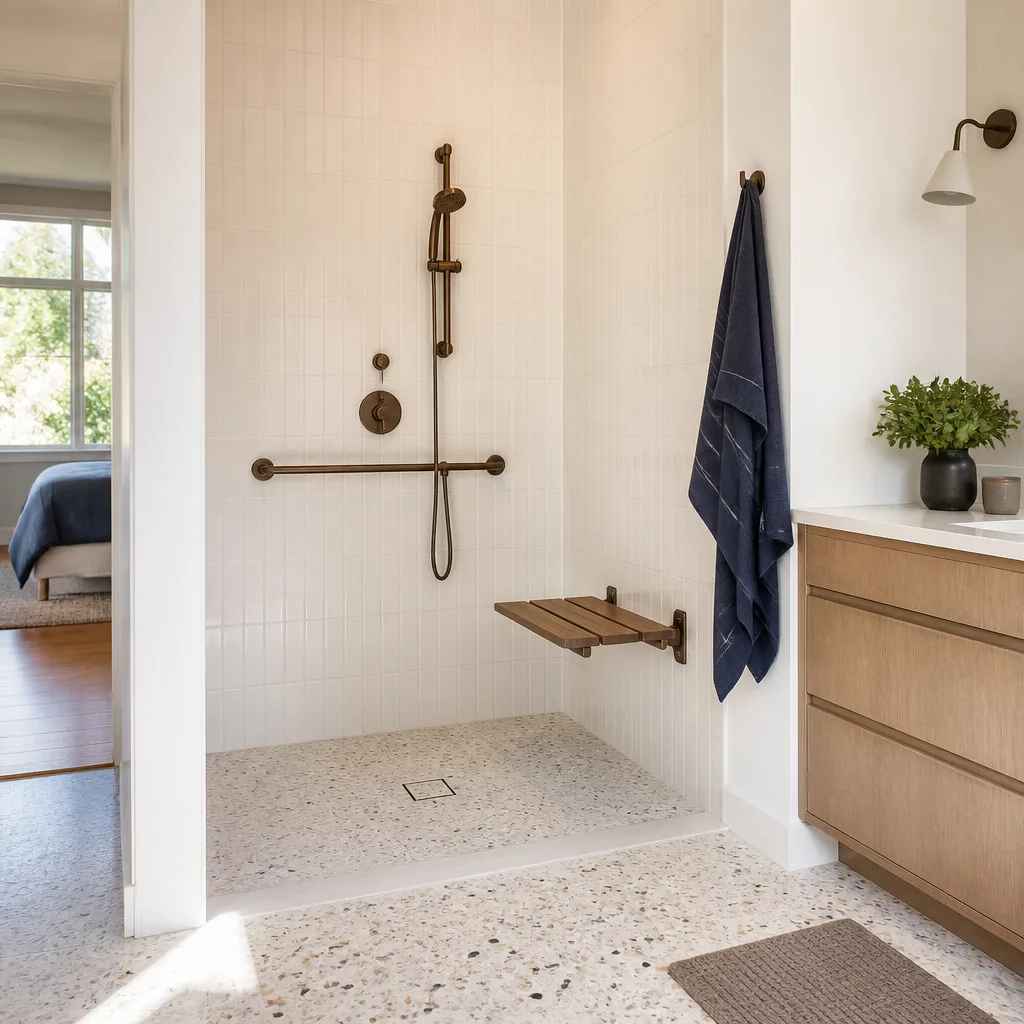
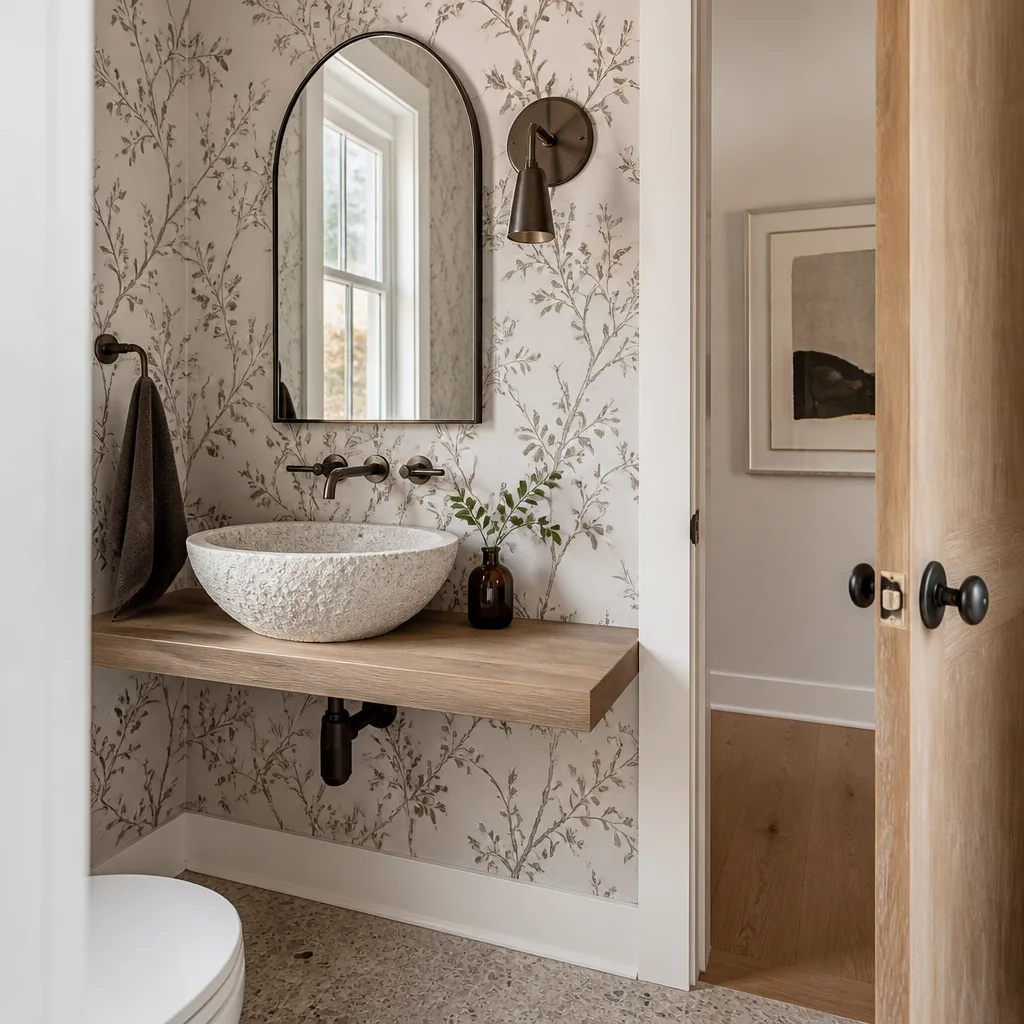
- Bathroom remodeling
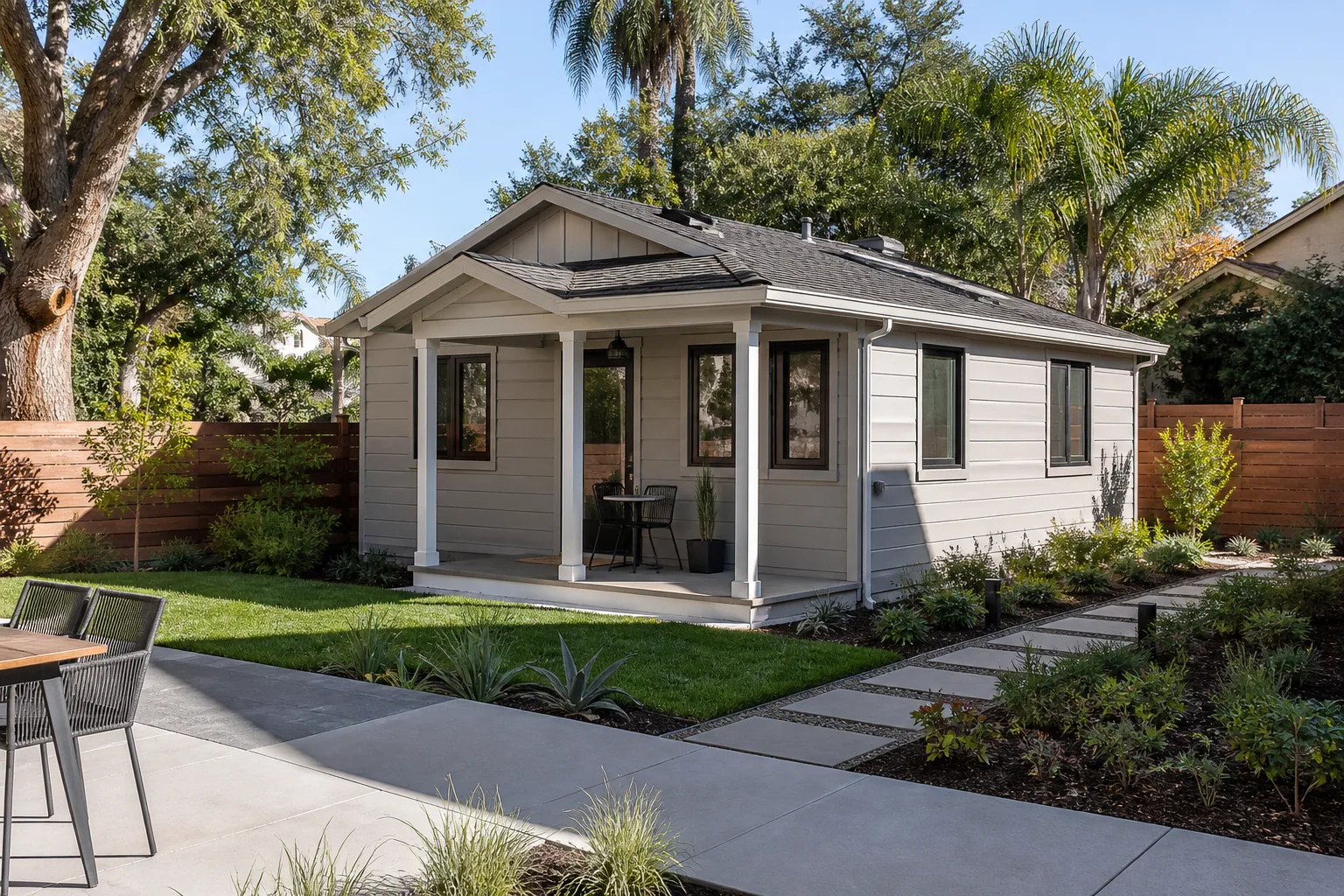
- Home additions & ADU
- Roofing
- Windows & doors
- Driveway & pavers
- Fence
Signs Your Quikrete Kitchen Remodeling Is Failing
- Hollow-sounding floor tile. Tap across the kitchen floor with a screwdriver handle. A dead, hollow note means the Quikrete substrate has separated from the tile above it, usually from moisture migration or a cure that happened too fast in dry desert air.
- Cracks that return after patching. A crack that reappears in the same line within weeks is a substrate movement problem, not a grout problem. Patching the grout just hides it until the next thermal cycle pulls it open again.
- Countertop edges that rock or flex. If a countertop edge gives slightly under hand pressure, the underlayment beneath it has failed or was never properly bonded. This one gets worse quietly and then fails all at once.
- White, chalky residue along the wall joint or floor edge. Efflorescence is mineral salt pushed to the surface by moisture moving through the Quikrete material. In Enterprise, it often shows up after a monsoon season drives humidity into a kitchen wall.
- Loose or lifting floor patches. A patch that lifts at the edge was likely applied over a dirty or damp surface, or the mix was too dry. It’s a small failure now and a trip hazard within a year.
See the difference
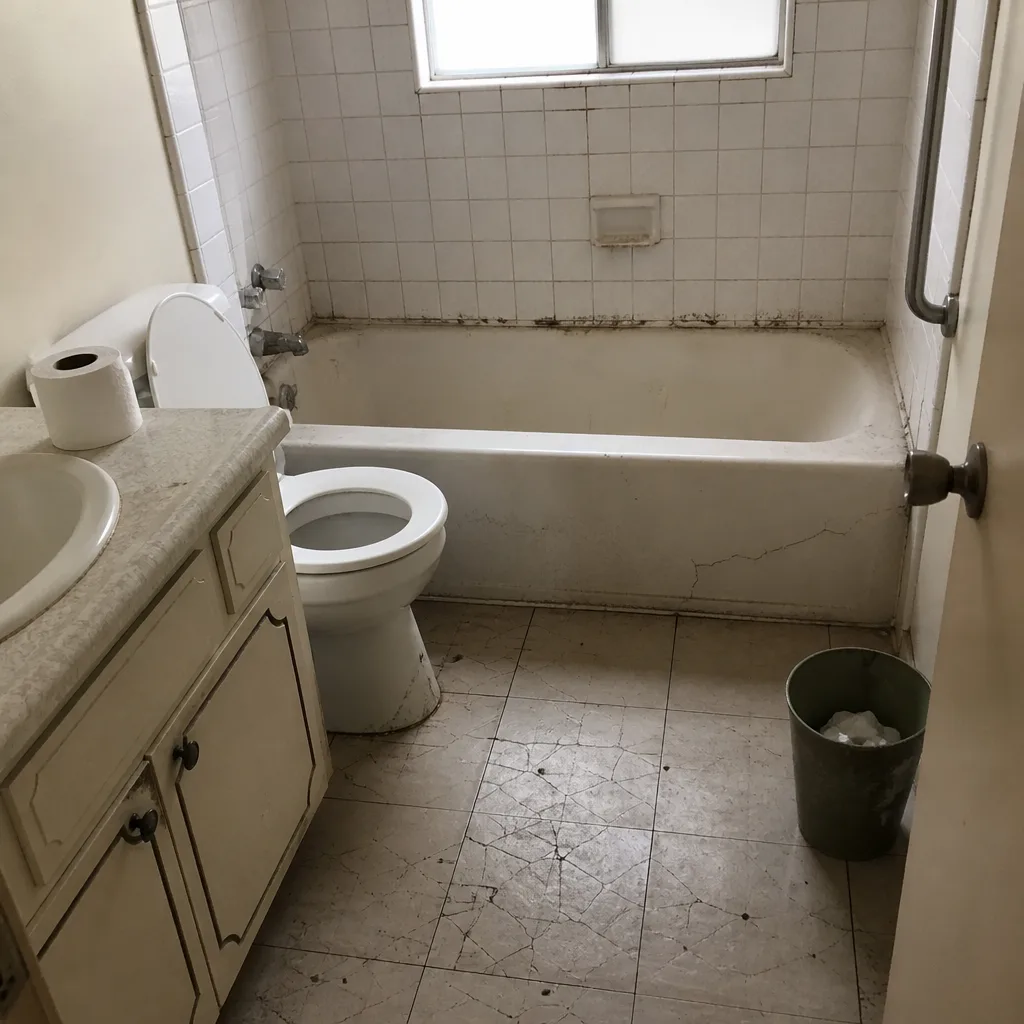 Before
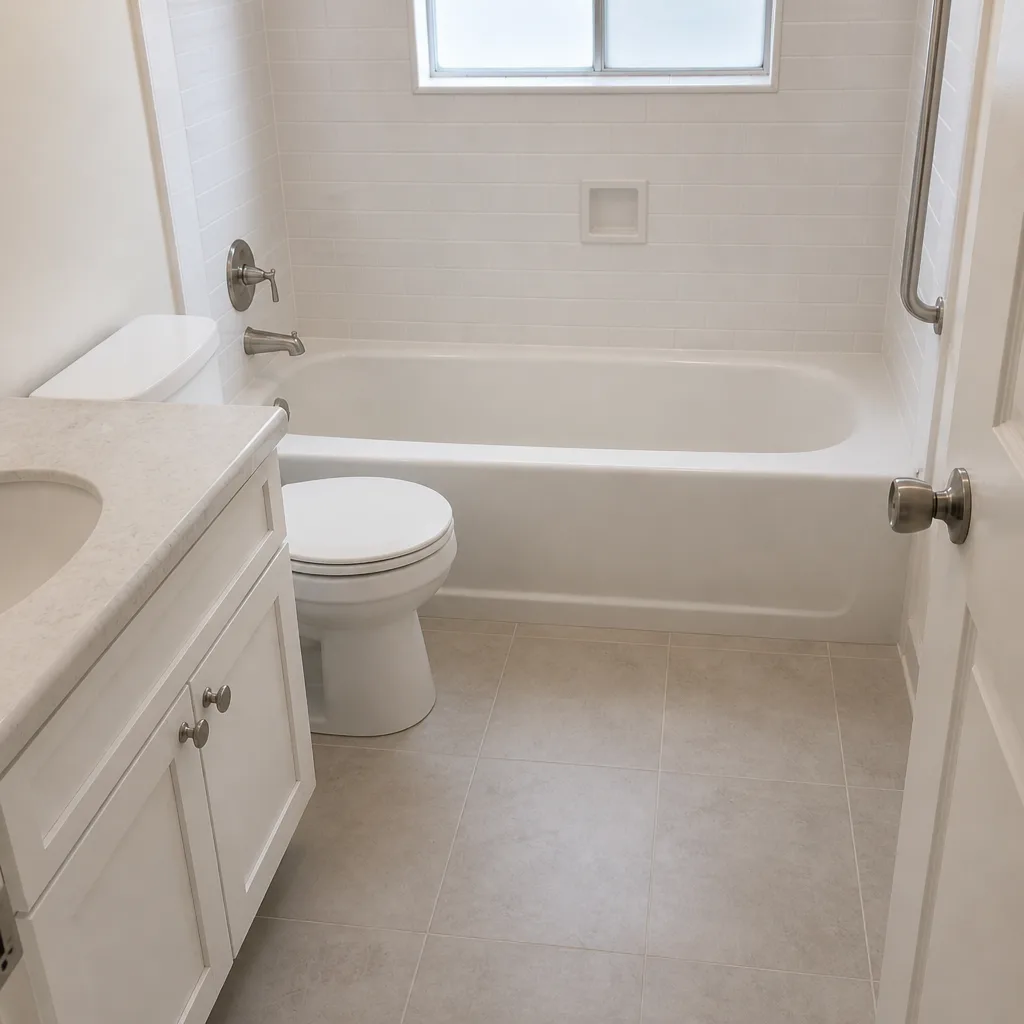 After
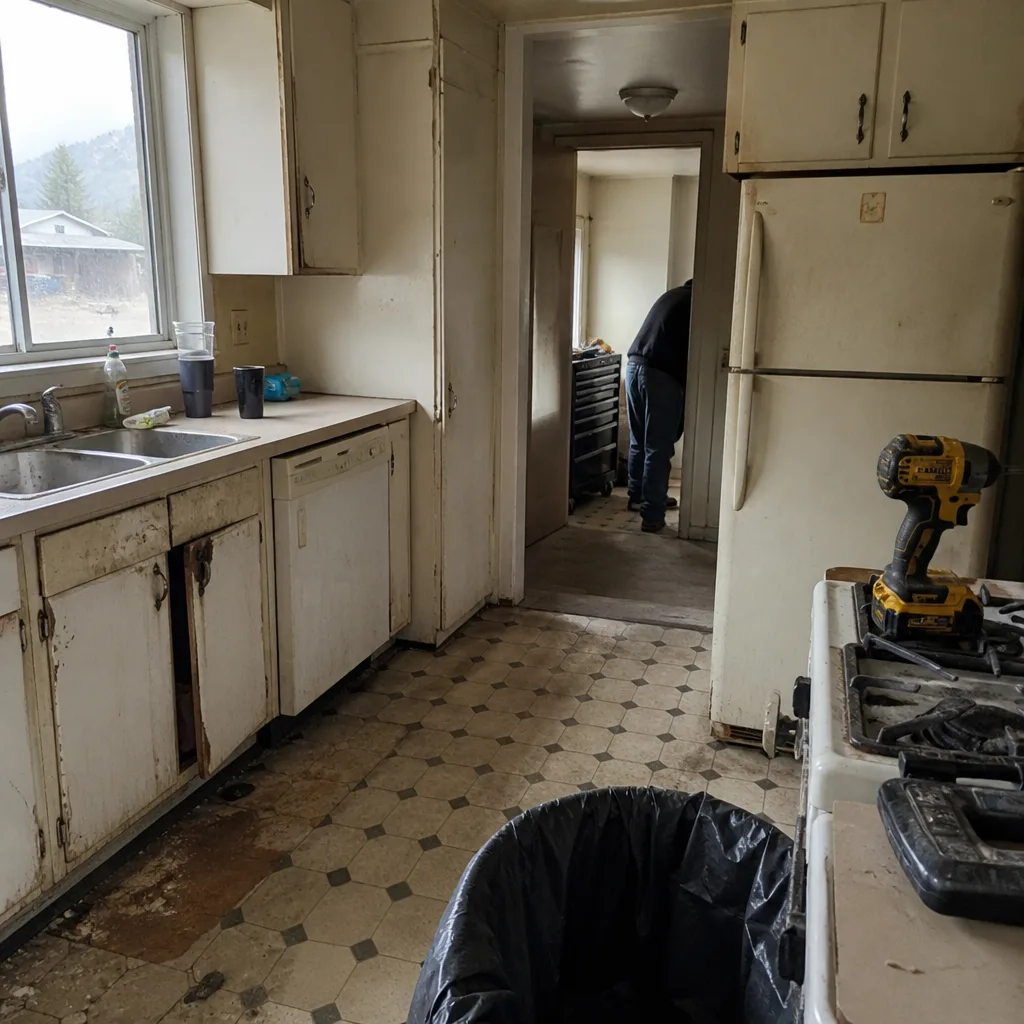 Before
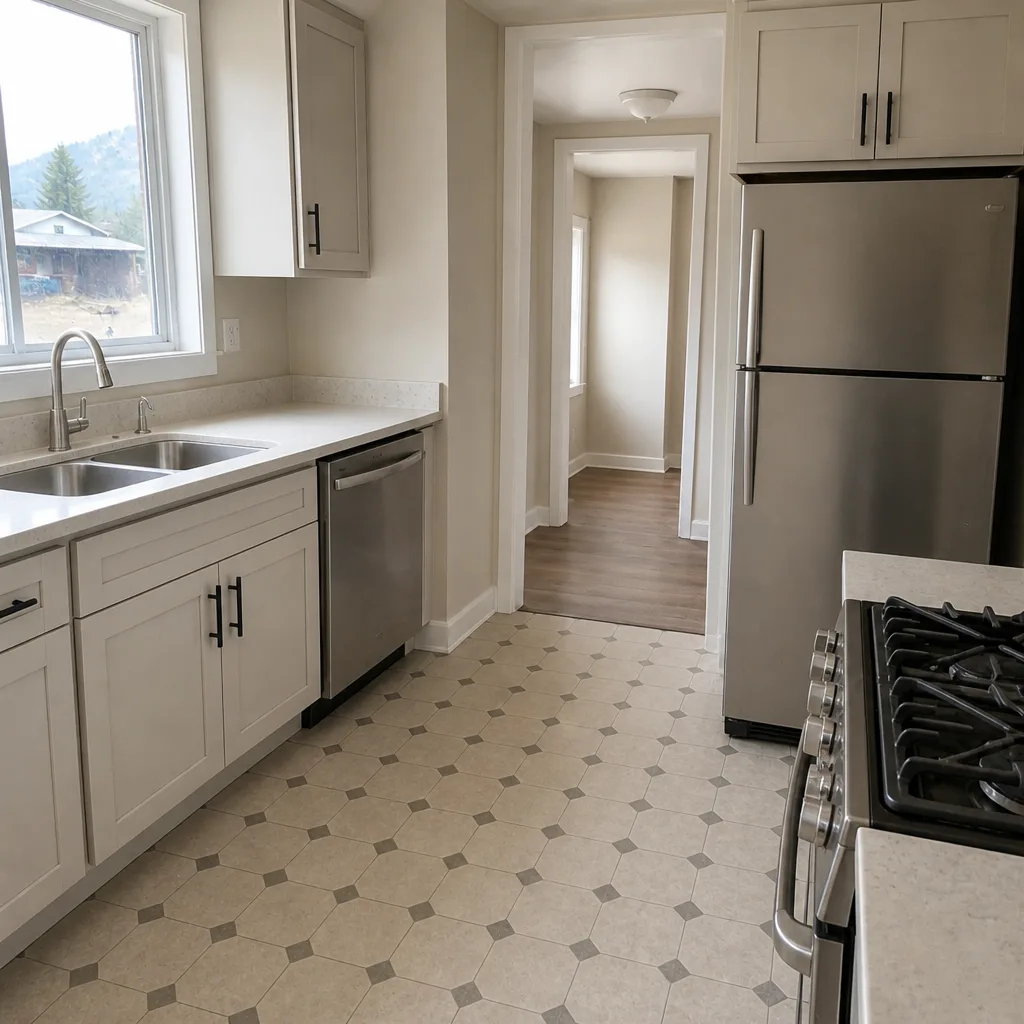 After
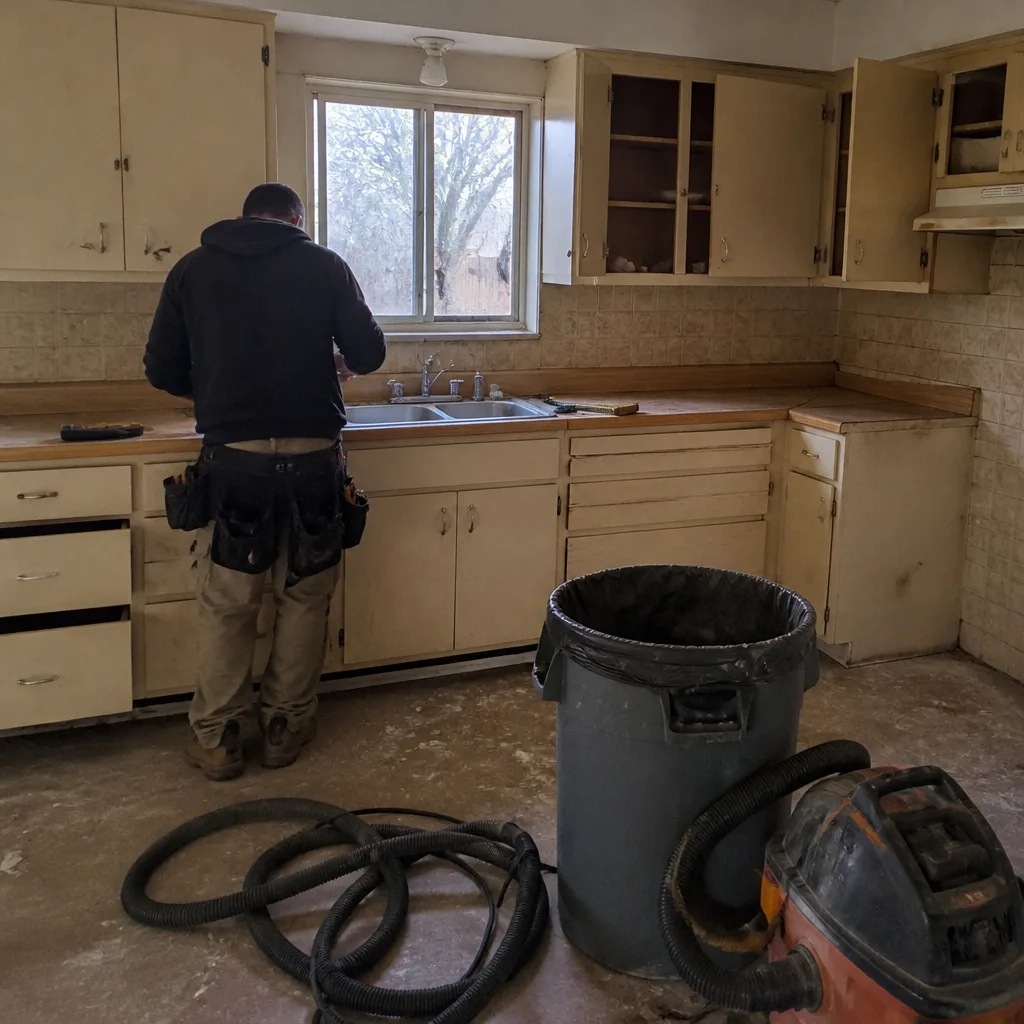 Before
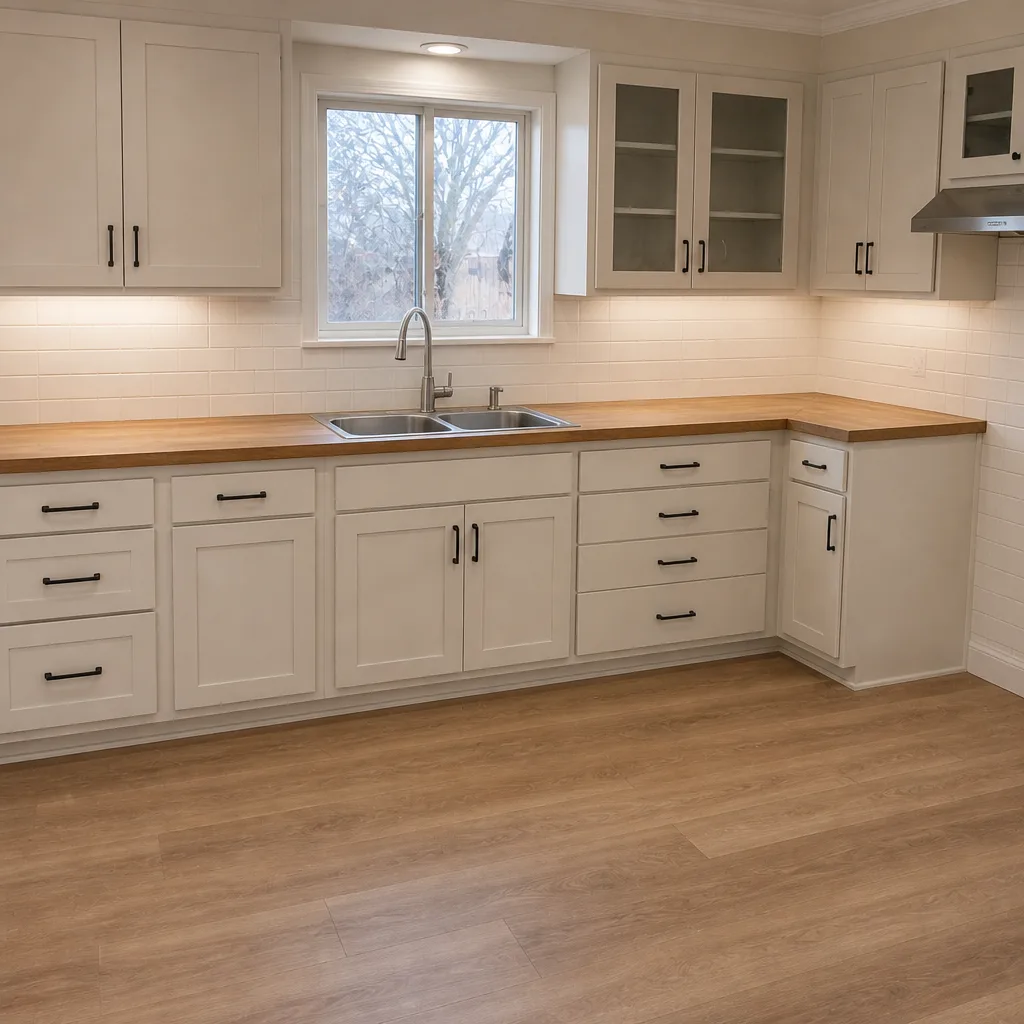 After
Replacement Cost & What’s Included

Here’s where the numbers sit for Enterprise kitchens. These are installed ranges and include material, labor, surface prep, and cleanup.
| Scope | Installed Range |
|---|---|
| Small kitchen remodel (Quikrete substrate repair plus finish) | $9,000 – $20,000 |
| Full kitchen remodel | $14,000 – $45,000 |
| Cabinet installation | $4,000 – $13,000 |
| Countertop installation | $2,000 – $6,500 |
| Backsplash installation | $800 – $2,500 |
| Kitchen island installation | $3,000 – $10,000 |
What drives the range: square footage, how much existing material has to come out, whether the slab needs leveling, and which finish you choose. For a straight material swap under existing tile, a small repair sits at the low end. A full rebuild where the floor, walls, and cabinet bases all get reset lands near the top. We give a written price before any work begins on every project, with line items for material and labor, so you can see exactly what the Quikrete portion costs. The completed work carries a 365-Day Done Right Promise.
DIY or Call Us?
Some things you can check safely yourself. Tapping for hollow tile, photographing a crack and watching whether it widens over a week, and reading the label on a leftover bag are all reasonable. Measure the crack width and note whether the floor feels soft underfoot.
Where DIY goes wrong is in the removal and re-installation. Pulling a bonded tile assembly off a Quikrete substrate without damaging the layer below, judging whether a slab needs grinding or a self-leveler, and getting a mix ratio right in Enterprise’s dry heat are all places a first attempt fails. A mix that cures too fast in low humidity loses bond strength, and you won’t know it until the tile pops a season later. If a countertop or cabinet base is involved, the failure can drop weight you don’t want near your hands or feet. We handle the substrate work with crews who’ve done it before. Call (844) 797-6157 and we’ll take a look.
FAQs

A properly prepped and bonded repair typically lasts 10 to 15 years before normal wear shows, though a poorly bonded patch can fail in one or two seasons. Enterprise heat and dry air stress materials more than most climates, so surface prep and mix consistency matter more than the product label. Call (844) 797-6157 for an exact quote on your repair.
Often yes, if the failure is localized and the surrounding material is still bonded. A single hollow tile or a hairline crack can usually be spot-repaired without pulling the whole floor. Once cracks form a grid or water has been getting under the surface, replacement is the more honest answer. We’ll tell you which one your kitchen needs. Call (844) 797-6157 for a free estimate.
A localized patch is typically a one-day visit with a cure window before finish goes back on. A full substrate rebuild from removal through tile or countertop reset usually runs several days, depending on square footage and whether cabinets come out. We schedule the work from a written scope so there are no mid-job surprises. Call (844) 797-6157 to get your timeline.
We match the existing product family and spec it for your surface, depth, and finish rather than guessing at whatever’s closest on the shelf. That means checking the label of leftover material, or measuring the installed depth and profile when the bag is gone. We don’t stock materials on trucks or claim a local warehouse; we source per job. Our technicians have up to 22 years of experience, and you’ll know your crew member’s name and photo before the visit under The Threshold Standard.
If your kitchen is showing any of the symptoms above, give us a call at (844) 797-6157 to schedule your free estimate. We’ll come out, identify what’s failing underneath the surface, and hand you a written price before any work starts. For cabinet, countertop, or surface work alongside the repair, we also install specification-grade lines including KraftMaid, Cambria, and Silestone. A live person answers every call, around the clock.
Written by the team at Mason Remodeling Enterprise, serving Enterprise and nearby areas.