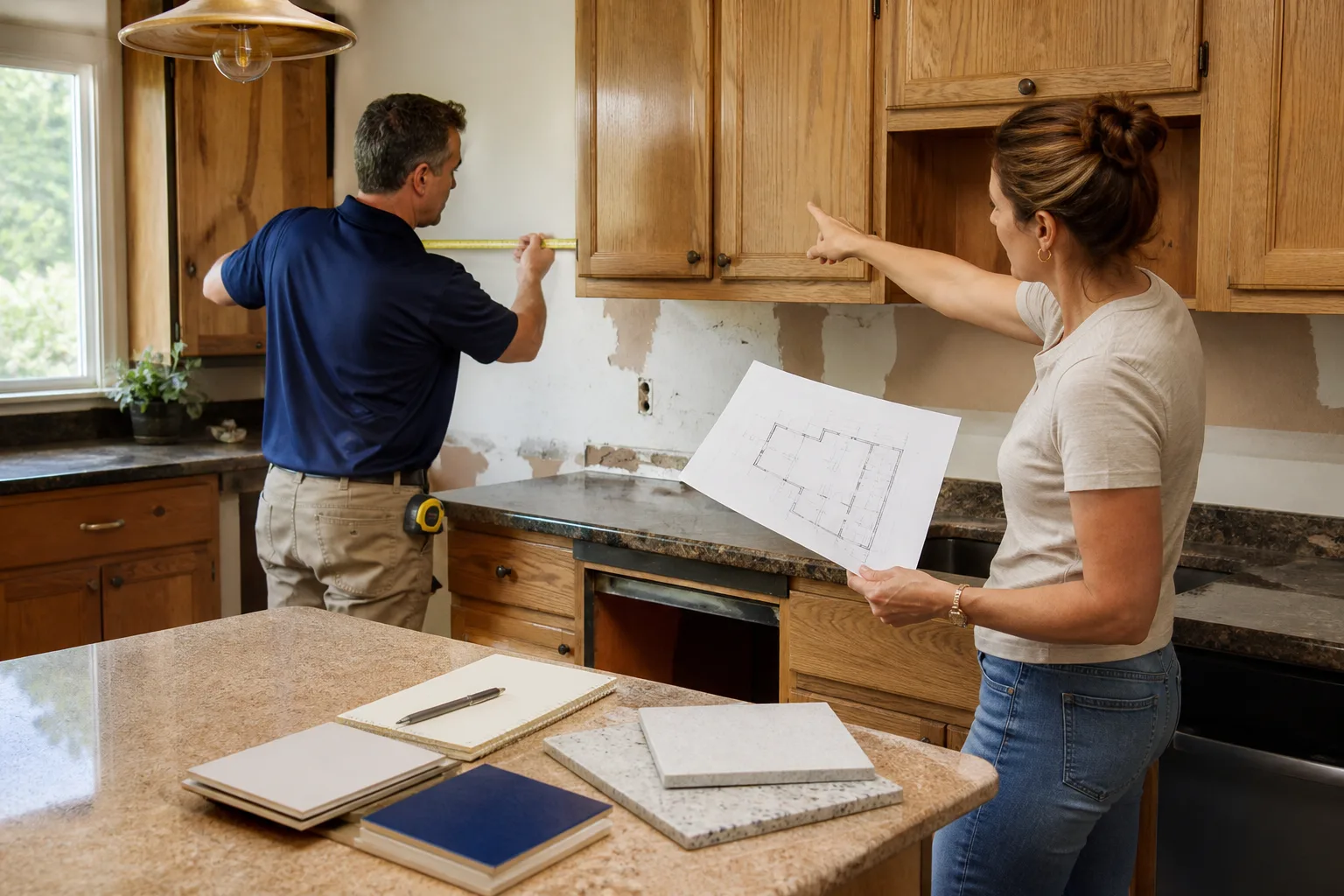








Free written scope consultation - allowances, timeline, and change-order rules on paper before a single trade is scheduled
Styles & brands we work with
- Kitchen remodeling
- Bathroom remodeling
- Home additions & ADU
- Roofing
- Windows & doors
- Driveway & pavers
- Fence
See the difference
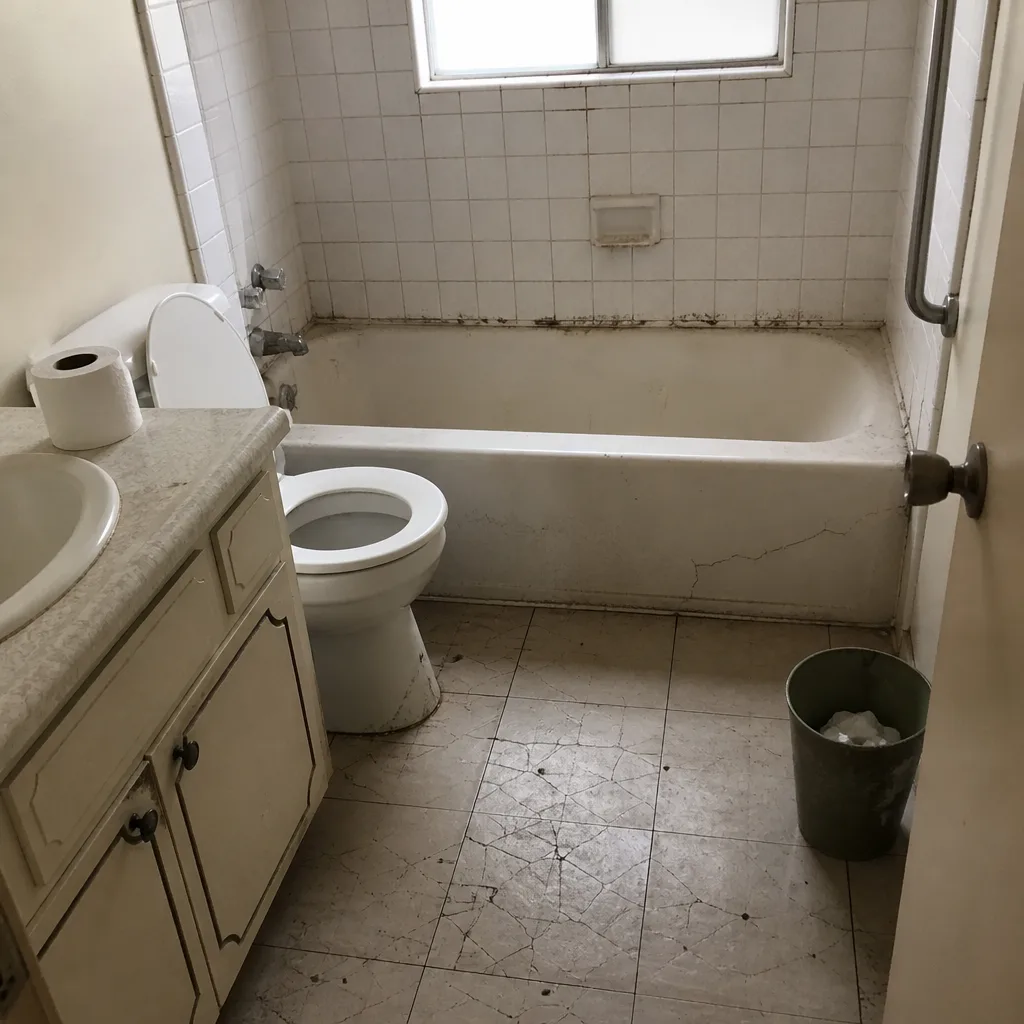 Before
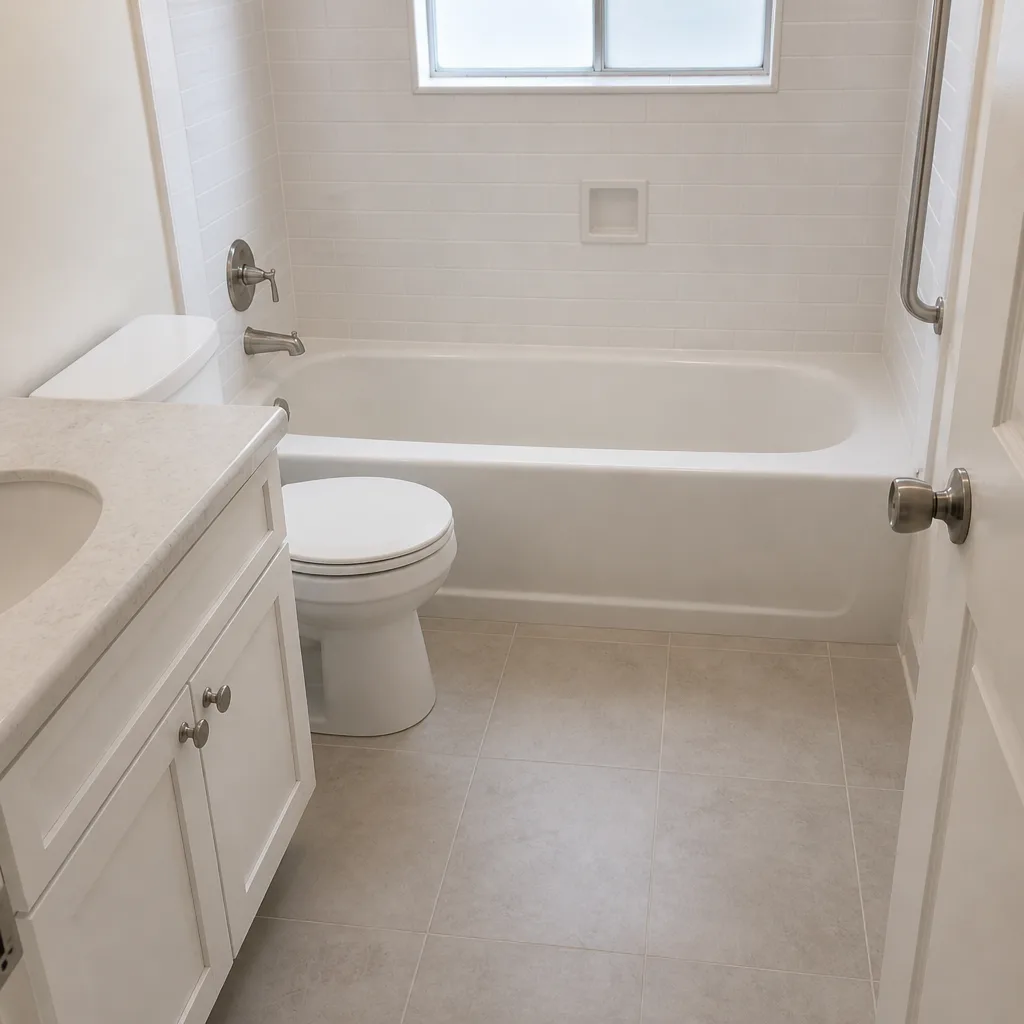 After
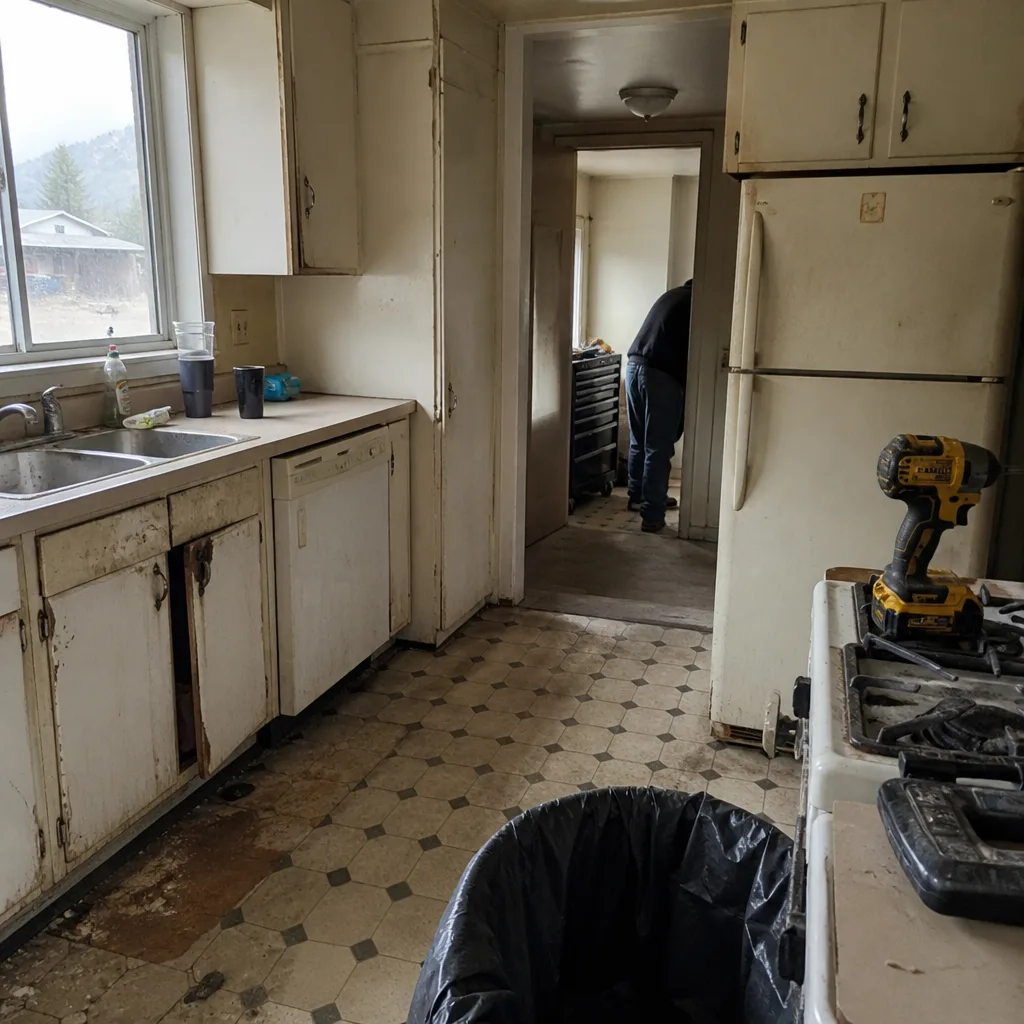 Before
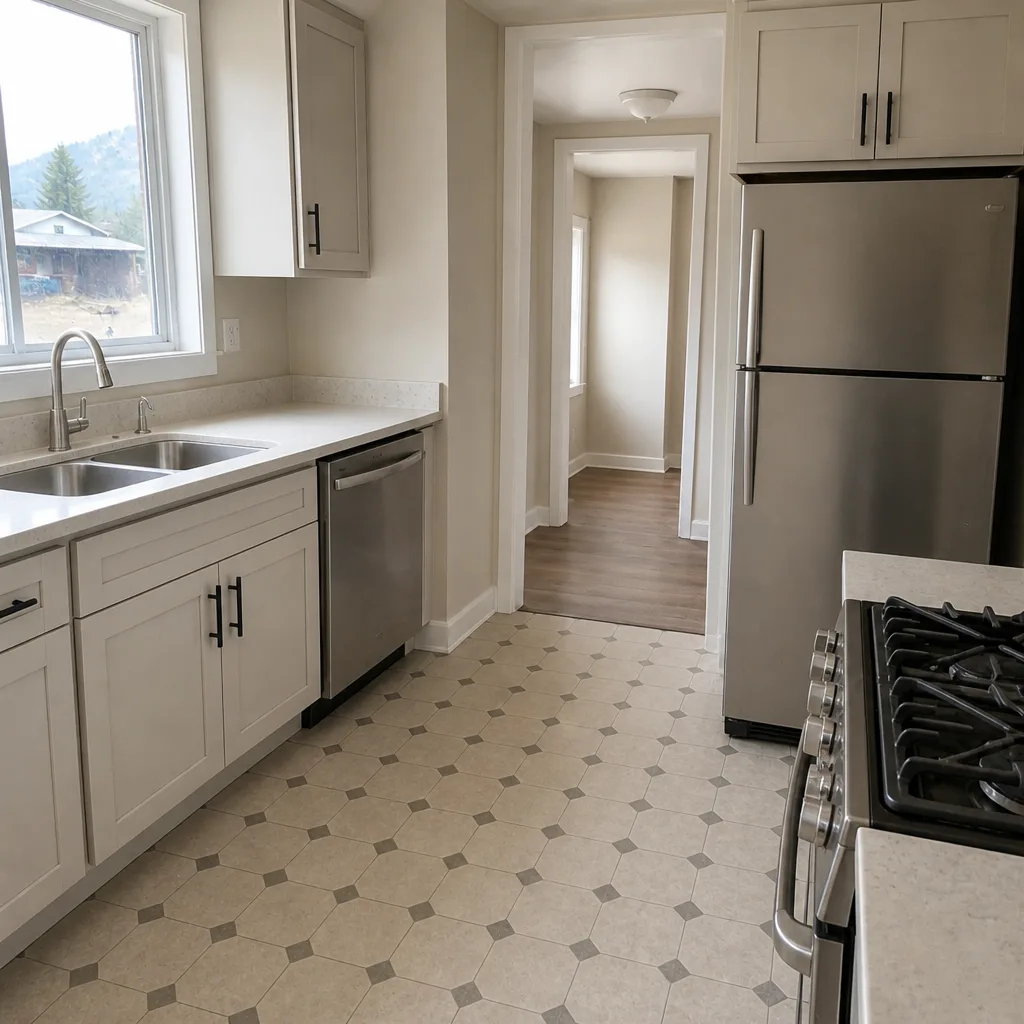 After
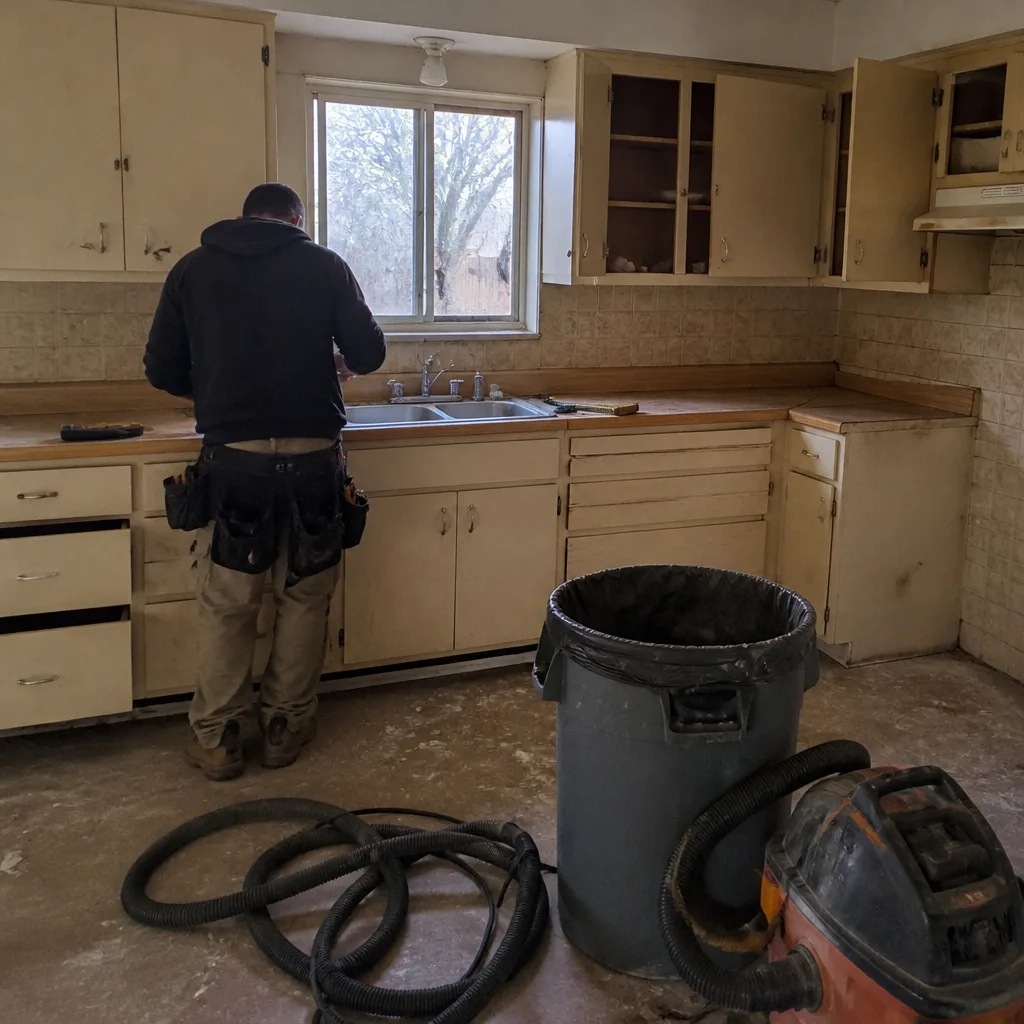 Before
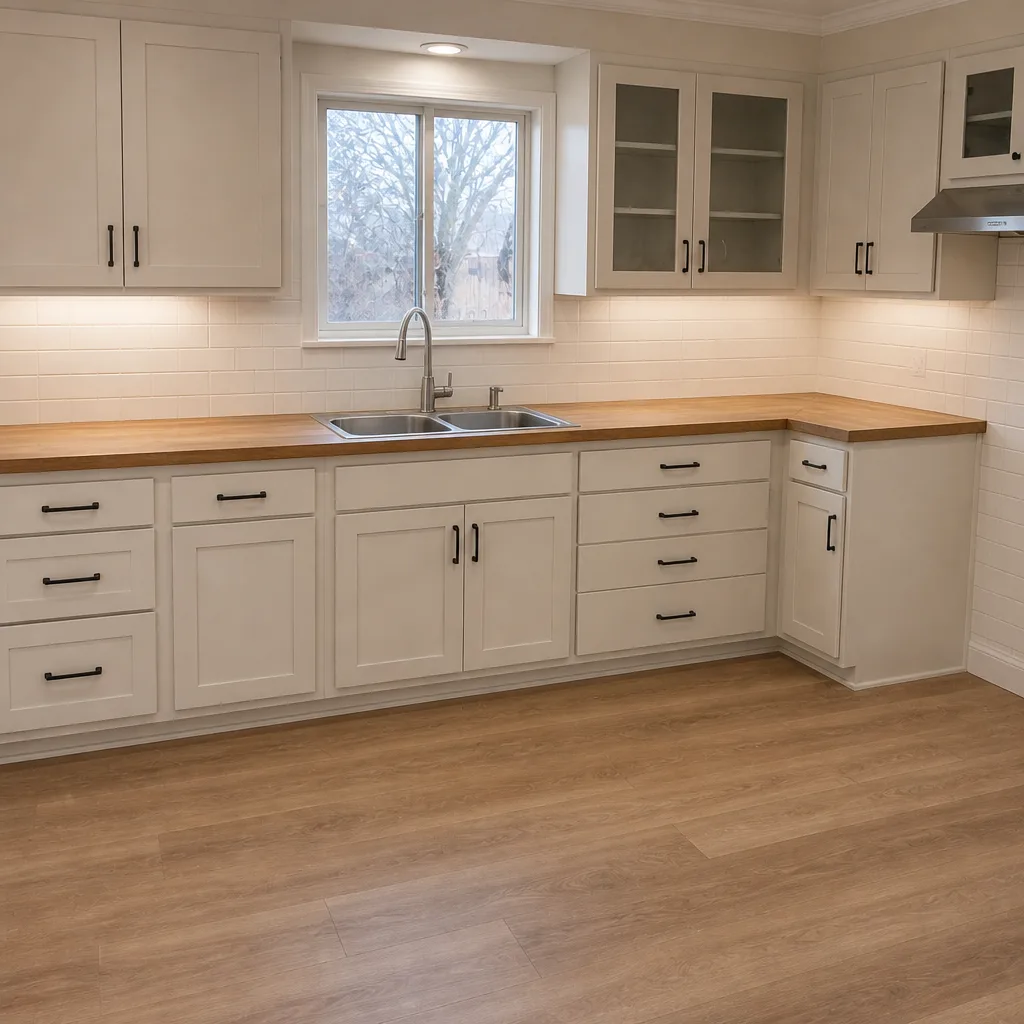 After
What Does a General Contractor Do in Enterprise, NV?
A general contractor turns a pile of separate trades into one finished project: they pull the permits, schedule the electricians and plumbers and tile setters in the right order, hold the work to current Clark County code, and give you one written price and one point of responsibility if something goes wrong. In Enterprise, NV, that job has a specific shape. Almost every project here is a 25-to-35-year-old production home being brought up to today’s standards, which means the contractor you hire needs to know exactly which shortcuts the original builders took and how to correct them without exploding your budget. Mason Remodeling Enterprise handles that work daily; for a free, written estimate, call (844) 797-6157.
That last part is what separates a real general contractor from a helpful handyman with a phone full of subcontractor numbers. Read on, and you’ll know what you’re actually paying for, what the local quirks are, and how to tell a good GC from a risky one before you sign anything.
What a GC Does in a Production-Built Community Like Enterprise
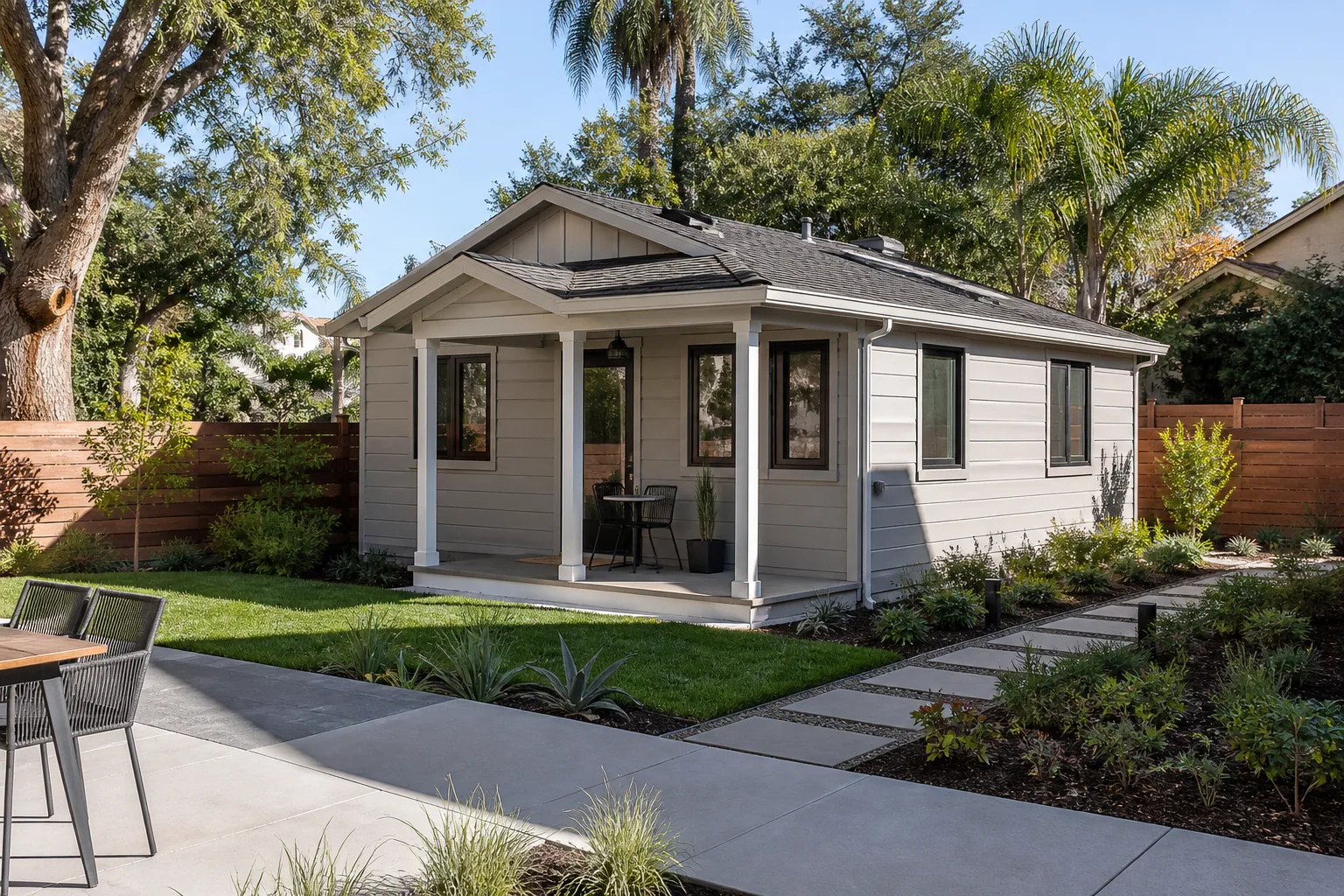
Enterprise fills in as a master-planned bedroom community of Las Vegas, built mostly in the 1990s and 2000s. That history matters. The housing stock is overwhelmingly two-story stucco-on-frame tract homes, plus newer mid-rise and apartment construction along the 215 and Blue Diamond corridors. The original windows are builder-grade, the tile roofs are hitting their expected lifespan, and the 1990s plumbing is now at the age where re-piping is routine rather than exotic.
So a general contractor here spends most of their energy on translation: reading what the original production builder actually installed, then mapping that to what current code, current products, and current desert-performance standards require. It’s less about tearing out historic plaster and more about fixing a 1999 electrical panel and a single-pane window wall that no longer makes sense in a 105°F summer.
They manage the permit and code-upgrade chain
When you remodel a 1990s Enterprise home, the moment you open a wall or pull a permit, certain upgrades are triggered whether you planned for them or not. A good GC anticipates these and prices them in writing instead of surprising you at inspection:
- GFCI protection in kitchens, baths, garages, and exterior circuits
- Smoke and CO detector placement brought up to current residential code
- Egress window sizing in any bedroom affected by the scope
- Weatherproofing and thermal performance around any openings you touch
Every one of those is a line item, and every one is something homeowners rarely anticipate. A GC’s job is to name them up front. When you see a written price with those items already listed, you’re looking at a contractor who knows the local inspection desk.
They coordinate the trades around desert scheduling
In a wet climate, weather delays come from rain. In Enterprise, they come from heat. Summer highs routinely run above 105°F, and exterior work in that range means early-morning windows for anything on the roof or the stucco. Concrete and stucco cure times shift with very low humidity. A general contractor sequences the subs so the roofers aren’t standing over a wet slab, the electricians aren’t waiting on framing, and no trade is twiddling their thumbs because someone scheduled them a day early.
This is also where first-hand experience shows. Our technicians bring up to 22 years of experience to scheduling, and they’ve learned the valley’s rhythms: pour early, cure patient, schedule exterior crews before the sun gets mean.
The Subcontractor Question: Why Hiring a GC Saves You Headaches
Plenty of homeowners assume they’ll save money by hiring the plumber, the electrician, and the tile setter themselves. Sometimes that works. Often it means you’ve accidentally become the general contractor, and you’ve absorbed every bit of coordination risk the GC was there to prevent.
Here’s what that looks like in practice: if the tile setter shows up before the plumber has finished the rough-in, the tile setter either waits (and charges you) or installs over an incomplete substrate (and the problem surfaces six months later). If the electrician’s rough-in fails inspection, everyone downstream is frozen until it’s fixed, and the schedule rebook for a plumber who’s now two weeks out. That’s the invisible cost of going it alone.
What to look for in a general contractor (comparison)
| Signal | What a strong GC shows you | What to walk away from |
|---|---|---|
| Pricing | Written price before any work starts, in plain terms | Verbal estimate that grows on the final invoice |
| Crew | Background-checked, identity-verified crew introduced by name and photo before arrival | Unknown people at the door with a clipboard |
| Guarantee | 365-Day Done Right Promise, written with clear terms | “We stand behind our work” with nothing in writing |
| Communication | Live person answers the phone any hour of any day | Voicemail loops and a callback that never comes |
| Code knowledge | Names the triggered upgrades on a 1990s home before the permit is pulled | “We’ll find out at inspection” |
We hold to the Threshold Standard on every job: every crew member is background-checked, identity-verified, arrives in a clean marked uniform, shows a photo ID badge at the door, and is introduced to you by name and photo before the visit. A live person answers every call, 24 hours a day, 7 days a week, holidays included. That’s not a courtesy; it’s the line between a contractor you trust and one you regret.

Site Conditions and the Written Price: A Caliche Story
One Enterprise quirk contractors from wetter, soil-based markets routinely miss: caliche. That hard layer under much of the valley often needs chemical treatment or pre-drilling before grading, and local inspectors expect it to be addressed in grading plans. Budget for it early, or it becomes a change order later.
Which is why a reliable written price on an excavation or addition scope starts with a site-condition assessment, not a photo estimate. A photo tells you how big the project is. A site visit tells you what’s under the dirt. A GC who prices from a photo is guessing; a GC who prices from a walk-through is quoting. Mason Remodeling Enterprise delivers a written price before a single tool is unpacked, on every project, every time.
What does a general contractor charge, and what does it cover?
For Enterprise homeowner planning, here are typical market ranges for the projects a GC manages. These are ballpark ranges, not bids, and final cost depends on scope, materials, and site conditions:
| Project | Typical Enterprise range |
|---|---|
| Kitchen remodel | $14,000-$45,000 |
| Small kitchen remodel | $9,000-$20,000 |
| Bathroom remodel | $9,000-$28,000 |
| Walk-in shower installation | $4,500-$12,000 |
| Window replacement | $4,500-$15,000 |
| Roof replacement | $8,000-$20,000 |
| Home addition | $45,000-$130,000 |
| Garage conversion | $30,000-$80,000 |
Product choices move these numbers. A kitchen with Kohler fixtures and a Blanco sink lands differently than one with builder-grade hardware, and a cabinet package from KraftMaid or Wellborn runs a different price point than stock unit boxes. That’s why a written price, listing the actual selected products, matters more than a clever sales pitch.
FAQs
A general contractor manages the whole job: pulling permits, coordinating every subcontractor’s schedule, holding the work to code, ordering and checking materials, handling inspections, and keeping you informed. They’re the single person accountable if the plumber, electrician, and tile setter don’t line up. That accountability is what you’re paying for, not just the trade labor.
For anything that touches permits, multiple trades, or code upgrades, yes. A single-trade job like a countertop swap usually doesn’t need one. But a kitchen or bath remodel in a 1990s Enterprise home almost always triggers electrical and plumbing upgrades, and that’s where coordination risk climbs fast. Call (844) 797-6157 for a free written estimate and a straight answer.
With Mason Remodeling Enterprise, you get the technician’s name and photo before the visit, plus a photo ID badge at the door and a clean marked uniform. Every crew member is background-checked and identity-verified under the Threshold Standard. And a live person answers every call, any hour, so you’re never chasing an update. Call (844) 797-6157 to schedule.
Our 365-Day Done Right Promise means if the work isn’t right within a year of completion, Mason Remodeling Enterprise makes it right at no cost to you. If a repair or installation fails, we send the crew back for a free second visit, no dispute process and no conditions. The terms are written plainly on every project, including what’s covered and for how long. Call (844) 797-6157 with questions.
If you’d rather have it looked at, Mason Remodeling Enterprise offers a no-pressure assessment in Enterprise. Call (844) 797-6157 for a free estimate, and you’ll get a written price before any work starts, plus a clear rundown of every upgrade your 1990s home will trigger. For more on our approach, see our home.
Written by the team at Mason Remodeling Enterprise, serving Enterprise, NV.