
Last updated November 17, 2026








Free written scope consultation - allowances, timeline, and change-order rules on paper before a single trade is scheduled
Construction Warning Signs: An Enterprise Homeowner’s Reference Guide
The gap between a $400 stucco repair and a $12,000 water intrusion remediation is often just one monsoon season, and the warning sign that separates them is a hairline crack pattern most homeowners walk past every day. In Enterprise, where desert sun hits one side of a house and monsoon rain hits the other, construction problems announce themselves early and quietly. This guide is a field reference for reading those signals while they’re still cheap to fix. We’ll cover what stucco cracks are telling you, how flat roofs fail here, which interior clues mean the exterior is already breached, and why caliche soil moves the way it does.
Styles & brands we work with
- Kitchen remodeling
- Bathroom remodeling
- Home additions & ADU
- Roofing
- Windows & doors
- Driveway & pavers
- Fence
Quick Answer
Most construction problems in Enterprise show up as small, readable signals 6 to 18 months before they become expensive: hairline stucco cracks that follow a specific pattern, water ponding on a flat roof past 48 hours, paint bubbling near baseboards, doors that suddenly stick, or attic duct seams failing in desert heat. Catching them in that early window usually means a repair in the hundreds of dollars rather than the thousands.
Table of Contents
- Stucco Crack Patterns: Which Ones Matter
- Flat Roof Warning Signs in Enterprise
- Interior Signs the Problem Is Already Behind the Wall
- Foundation Signals in Caliche-Layer Desert Soil
- HVAC and Ductwork Problems That Are Really Construction Problems
- The Enterprise Seasonal Inspection Calendar
- Common Mistakes to Avoid
- When to Call a Professional
Stucco Crack Patterns: Which Ones Matter
Stucco is the outer skin on most Enterprise homes, and it talks. The question is learning its language. Not every crack is a problem, and the ones that are tend to follow recognizable shapes. Here’s the working dictionary we use when we walk a property.
- Hairline cracks under 1/16 inch, straight or spidering randomly: normal curing and thermal movement. Cosmetic. Watch them, don’t panic.
- Diagonal cracks from the corner of a window or door opening: stress concentration at the opening, often from settling. Worth a look if they widen.
- Horizontal cracks running the length of a wall, especially near the top: a sign of movement behind the lath. This is the one homeowners walk past.
- Stair-step cracks following a mortar joint: movement in the wall assembly. Needs evaluation.
- Cracks with staining, efflorescence (white powder), or soft stucco beside them: moisture is already behind the skin. These are the ones that turn into five-figure repairs.
The pattern that matters most in Enterprise is a horizontal crack combined with a rust-colored stain or white efflorescence. That combination says water is getting behind the stucco, and with our monsoon cycles, it’s usually getting in at a window flashing or roof-to-wall transition rather than through the field of the wall itself. Repairing the stucco without fixing the flashing just paints over the problem. Our general contractor in Enterprise team handles the flashing and the skin together for exactly this reason.
Flat Roof Warning Signs in Enterprise
Many Enterprise homes sit under low-slope or flat roof sections over patios, additions, and garage tie-ins. Flat roofs fail differently than pitched ones, and the clues are on the surface, not the ceiling.
Ponding water. After a monsoon, a flat roof should shed water within 48 hours. If water stands on the membrane longer than that, the roof pitch is insufficient or the drains and scuppers are clogged. Standing water is the single biggest driver of membrane failure here.
Membrane bubbling or blisters. Tiny domes you can press and feel give under your thumb mean air or moisture trapped under the membrane. Blisters spread in our summer heat.
Seam separation. Check the lapped seams and the flashings where the flat section meets a wall. A curling edge is where water enters first.
Drain and scupper clogging. Desert dust, palm debris, and monsoon grit fill drains fast. A clogged scupper turns a fine roof into a pond.
If you notice any of these, get it looked at before the next monsoon season, not during. When we replace roof sections, we use specification-grade materials like GAF and CertainTeed systems and put the price in writing before any work starts, so you can compare against a patching quote honestly.
Interior Signs the Problem Is Already Behind the Wall
When an exterior problem has already crossed the wall, the inside of the house tells you. These are the clues that skip the handyman and go straight to a contractor with a moisture meter.
- Paint bubbling or blistering along the top of a wall near a ceiling or window. That’s water pushing from behind the drywall. The bubble is the exit, not the entry.
- Baseboard separation. If baseboard pulls away from the wall along one run, the drywall or the framing behind it is swelling or shifting.
- Door frame racking. A door that suddenly sticks in summer and frees in winter can be thermal, but a door that racks in one corner all year suggests the frame is out of square and the structure has moved.
- Musty smell in one room after rain. Smell precedes visible damage by months. Trust your nose.
- Dark rings on drywall or ceiling. Water pooling on the back of the board. Get a moisture reading before you paint over it.
The interior signs and the stucco cracks belong together. If you see paint bubbling on a wall, walk outside and look at the same elevation of the house. The stucco crack that lines up with that bubble is the entry point, and that’s your repair plan in one sentence.
Foundation Signals in Caliche-Layer Desert Soil
Enterprise sits on desert ground with caliche, that cemented mineral layer under the topsoil. Caliche behaves nothing like the expansive clay of Texas or the coastal soils you read about in national foundation content. It’s stiff and relatively stable when dry, then it can soften under prolonged moisture. That combination produces a specific set of foundation clues. We’d rather help you read them than hand you a checklist of generic crack advice.
- Cracks at the corners of the slab or along the perimeter, especially if new: movement. Track the width over two seasons.
- Doors and windows that bind in one part of the house only: localized settlement, not weather.
- A gap or step where two floor finishes meet: the slab has moved under one of them.
- Cracks that recur after repair: the movement is ongoing. Cosmetic patching will not fix it.
- Standing water or soil erosion near the foundation line: water pooling against the slab is the fastest way to soften caliche under it.
What you want is not a repair to the visible crack, but a diagnosis of why the slab moved. That is where a written scope and a moisture investigation matter more than a quick patch. Our Mason Remodeling Enterprise home page lays out how we approach whole-home assessments before a single repair gets quoted.
HVAC and Ductwork Problems That Are Really Construction Problems
In our climate, the worst construction defects hide in the attic. Ducts run through spaces that hit 150°F in summer. A poor seal at a duct boot, a missing tape joint at a flex duct collar, or an improperly sealed attic hatch isn’t an HVAC failure. It’s a construction problem showing up as a comfort problem.
Here’s what to look for without getting into the attic yourself:
- Rooms that never cool evenly, especially ones over a garage or addition.
- A humidity spike in the summer that doesn’t match the outdoor air.
- Dust streaks on ceiling vents.
- Higher-than-expected cooling bills in the same square footage.
If two or more of those line up, a professional air-balance and duct-seal check beats replacing the equipment. Our technicians have up to 22 years of experience and can read a duct run as quickly as a wall crack. If you’re planning a remodel anyway, the kitchen remodeling in Enterprise and bathroom remodeling in Enterprise teams seal and route ducts correctly as part of the job, so you’re not paying twice.
The Enterprise Seasonal Inspection Calendar
What you check and when matters almost as much as what you’re looking for. Here’s the calendar we recommend to homeowners in Enterprise.
- Spring (before monsoon): Walk the roof edges and flat sections. Clear debris off drains. Look at stucco around window and door openings. Check attic for any sign of water.
- Late summer (after monsoon): Look for new stucco cracks, especially the horizontal or stained ones. Check ceiling and wall paint near exterior walls for bubbling. Look at baseboards along the west or south exposure.
- Fall: Look for doors and windows that have started to stick. Inspect foundation perimeter for pooling or erosion. Check caulking around the exterior.
- Winter: Low sun angle makes shadows and cracks visible. This is the best month to photograph and measure any crack widths for tracking.
Two hours of checking twice a year is how you keep your repair window in the hundreds of dollars instead of the five figures.
Common Mistakes to Avoid
- Caulking over a horizontal stucco crack. It looks fixed, but water is still getting in. Fix the flashing entry point, not the visible seam.
- Patching a foundation crack without a moisture diagnosis. Caliche responds to how water drains around the house, not to the crack itself.
- Treating a duct problem as an equipment problem. Replacing a condenser for an attic seal issue costs ten times as much for zero improvement.
- Skipping the pre-monsoon inspection. Most of the worst roof and stucco failures we see were visible one monsoon earlier.
- Accepting a verbal estimate. A written scope with line items is the only way to compare two quotes honestly. We never start work without a written price.
- Opening the door to an unidentified crew. Before you let anyone onto your property, they should arrive in a marked uniform, show a photo ID badge at the door, and have been introduced by name and photo before the visit. We call that our Threshold Standard, and it’s how every job we run begins.
- Hiring the first person who calls a crack “nothing to worry about.” A confident dismissal without a moisture reading is a guess, not a diagnosis.
When to Call a Professional
Call a professional when you see a crack that combines width with staining or efflorescence, when water ponds on a flat roof more than 48 hours after rain, when paint bubbles near a baseboard or ceiling line, when a door racks in one corner all year, or when a slab crack reappears after repair. Those five signals are the point where a moisture meter and a written scope save you real money. If you’re in Enterprise, we make that easy: Mason Remodeling Enterprise offers free estimates in Enterprise, and you can call (844) 797-6157 to schedule a walk-through. You’ll get a written price before any work starts, and our 365-Day Done Right Promise covers the finished work for a full year.
Frequently Asked Questions
Hairline stucco cracks that go horizontal rather than diagonal, ponding on low-slope roof sections past 48 hours, paint bubbling near baseboards or ceilings, doors that rack in one corner, and uneven cooling that points to unsealed attic ductwork. Each of these is a readable signal well before it becomes an expensive repair.
Cosmetic cracks are hairline, random, and dry. The ones that matter run horizontally, follow a mortar joint, or come with staining or white powder. If you see any of those three, get a moisture reading before repairing the stucco. Call (844) 797-6157 for an exact quote, and estimates are free.
An early stucco repair with flashing work usually lands in the hundreds of dollars, while water intrusion remediation after a monsoon season can run five figures. The gap is the whole point of catching the crack early. Call us for a written estimate and we’ll price the repair with a fixed scope and no change orders.
Not with us. We deliver a written price before any work begins on every project, no exceptions. If the scope truly changes because a hidden condition turns up once the wall is open, we talk to you about it and get approval in writing before proceeding.
Yes. Structural repairs, additions, and remodels that trigger permit review are pulled and inspected by us as part of the project. We would rather permit properly and inspect once than fix a repair two seasons later.
Every crew member is identity-verified, and you receive the technician’s name and photo before the visit. They arrive in a marked uniform and show a photo ID badge at the door. If anyone knocks and can’t match the name, photo, and badge you were given, don’t let them in, and call us to confirm.
The Bottom Line
Most construction damage in Enterprise shows up as a small, readable signal a full season before it gets expensive: a horizontal stucco crack with staining, ponding water that doesn’t drain, a bubble of paint behind a baseboard, a door that racks, a duct that hisses in the attic. Read them early, get a written diagnosis, and price the repair honestly. The written price before work starts, the background-checked crew introduced by name and photo, and the 365-Day Done Right Promise are how we make sure your early catch stays an early catch.
Ready to get a written estimate? Call (844) 797-6157 to schedule your free estimate. A live person answers every call, every day.
Written by the team at Mason Remodeling Enterprise.
See the difference
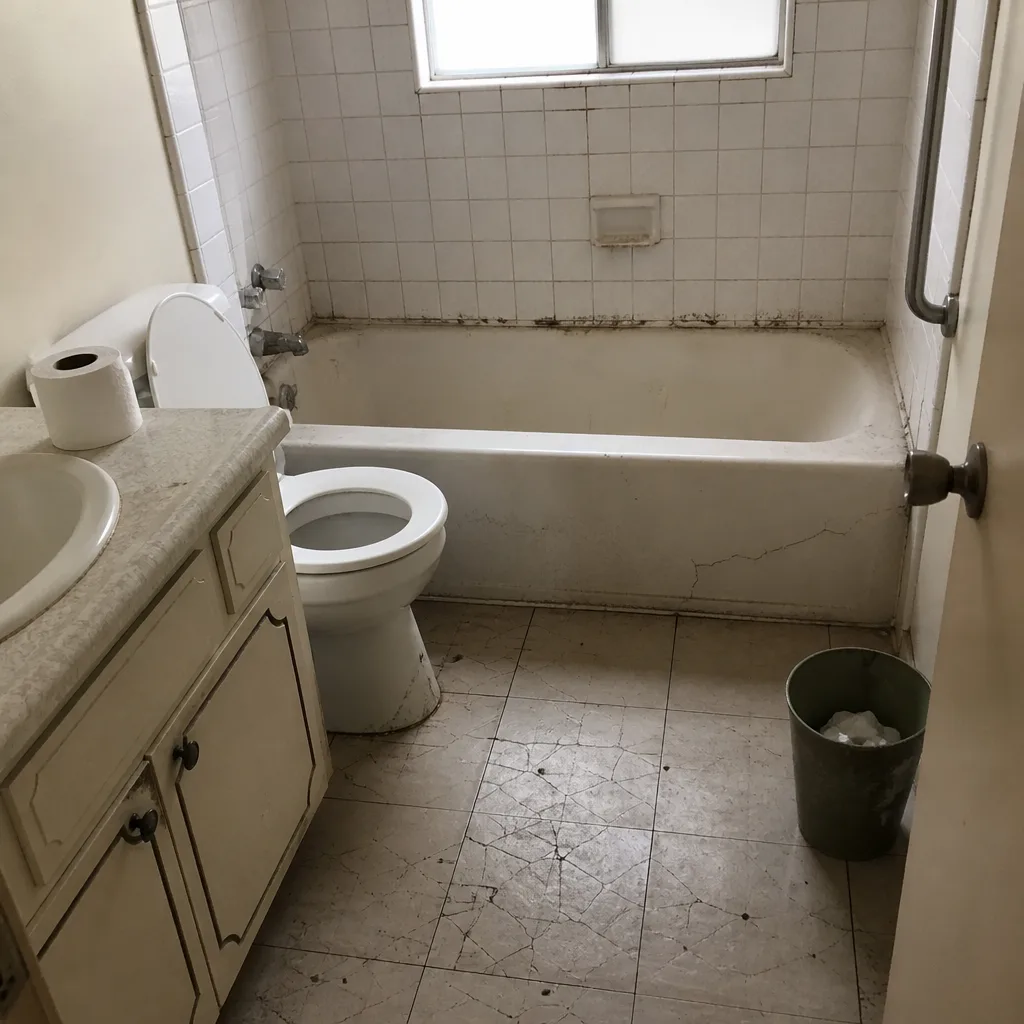 Before
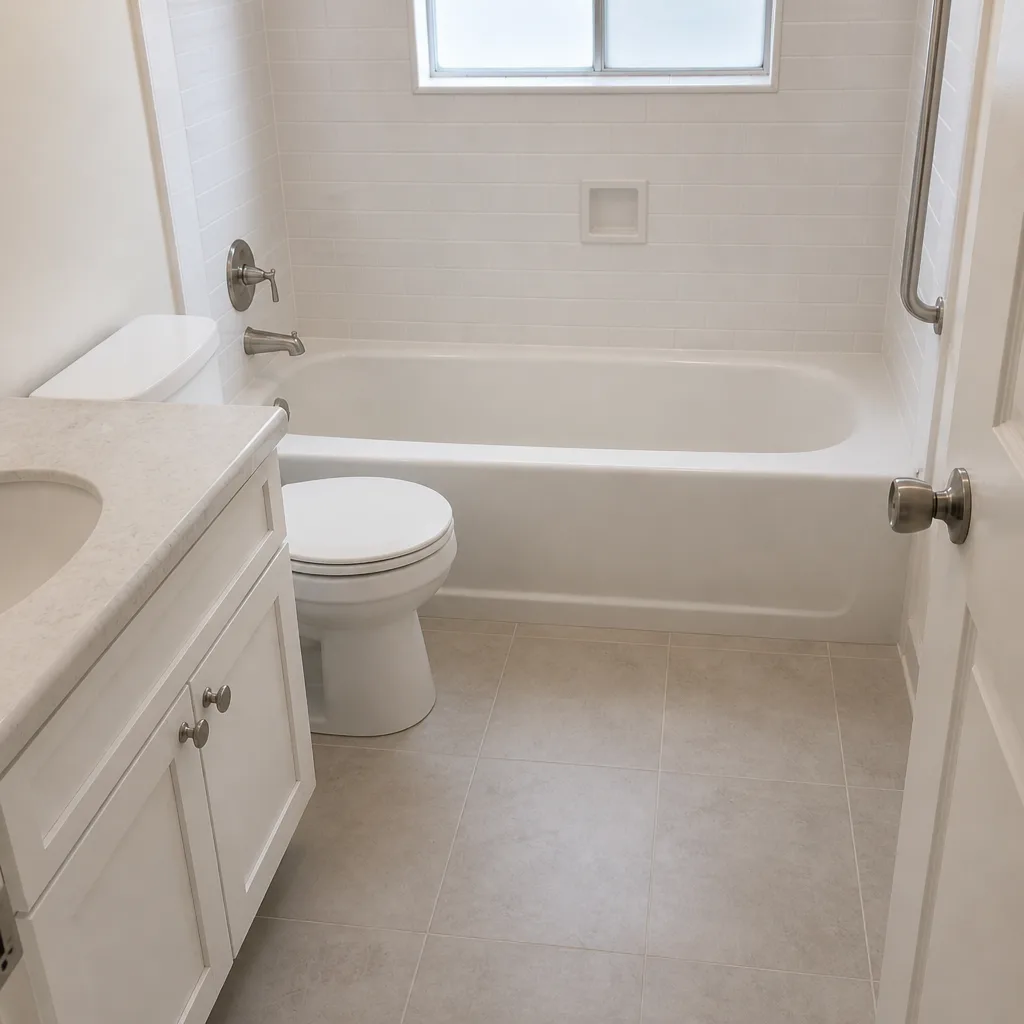 After
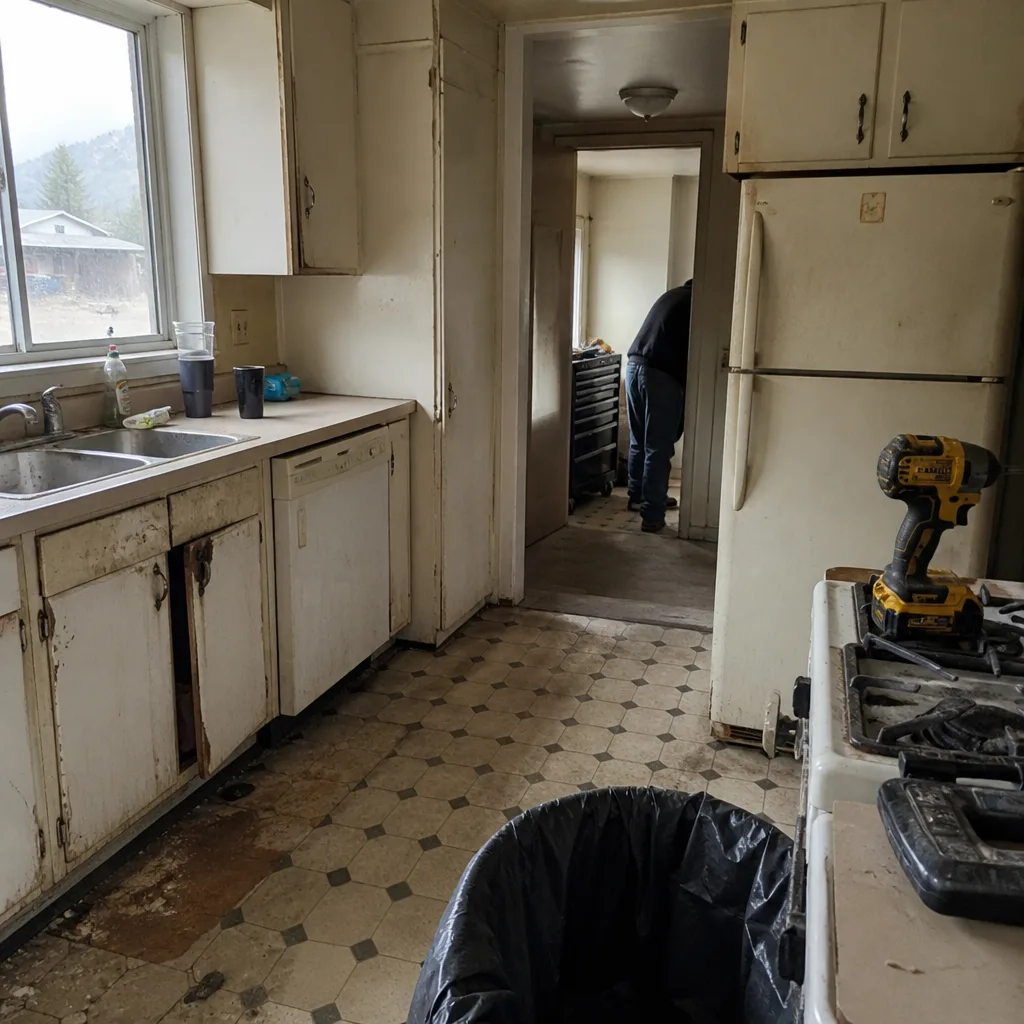 Before
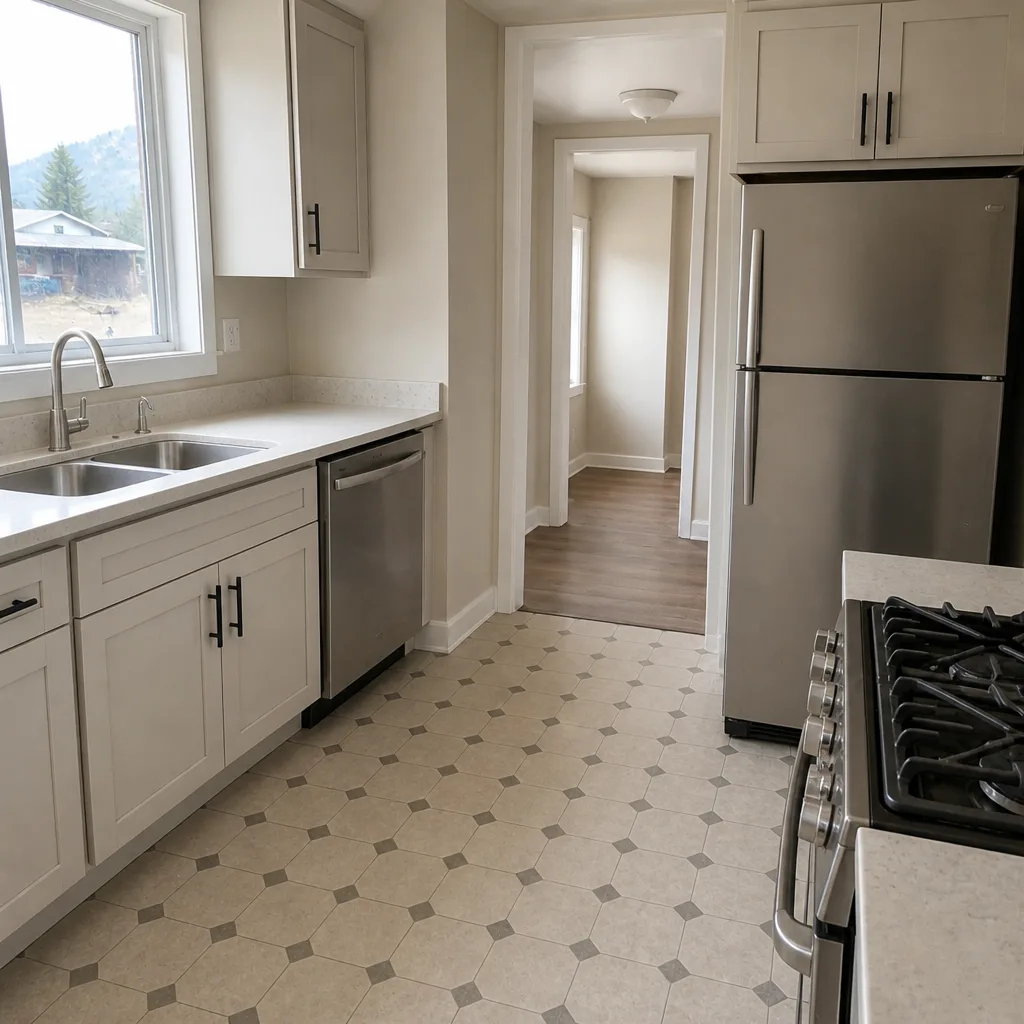 After
 Before
 After