Last updated November 17, 2026







Free written scope consultation - allowances, timeline, and change-order rules on paper before a single trade is scheduled
DIY vs Professional General Contractor: What’s Safe to Do Yourself
Nevada homeowners lose insurance claims every year on work that was done correctly, but done without a permit. The issue was never quality. It was documentation. A beautifully tiled shower that never appears in a county record becomes an uninsured shower the moment a supply line fails and the adjuster asks for the permit number. That gap between “it looks great” and “it’s on file” is where most DIY regret actually lives, and it’s the line we want to draw clearly here. This guide separates the projects that genuinely save you money from the ones that quietly create a legal and financial problem, with Enterprise-specific rules on Clark County permits and insurance.
Quick Answer
Painting, cosmetic hardware swaps, landscaping, and careful demolition are safe to do yourself and can save real money. Anything that touches structural framing, electrical beyond a fixture swap, plumbing beyond a faucet or toilet, or gas lines is where you should stop and hire a licensed contractor. In Nevada, unpermitted work on those systems can void part of your homeowner’s insurance coverage and create a disclosure problem when you sell, so the decision is less about skill and more about paperwork and liability.
Styles & brands we work with
- Kitchen remodeling
- Bathroom remodeling
- Home additions & ADU
- Roofing
- Windows & doors
- Driveway & pavers
- Fence
Table of Contents
- Which Projects Require a Licensed Contractor in Nevada?
- How Unpermitted DIY Work Affects Your Homeowner’s Insurance
- The Projects That Are Genuinely Safe to DIY
- Can You Pull Your Own Permit as an Owner-Builder in Clark County?
- The Four-System Decision Matrix
- What Enterprise Homes Face That Other Areas Don’t
- Common Mistakes to Avoid
- When to Call a Professional
Which Projects Require a Licensed Contractor in Nevada?
Nevada draws a harder line than many homeowners expect. The Nevada State Contractors Board regulates who can legally perform construction work for compensation, and Clark County adds its own permit and inspection requirements on top. The short version: if the work requires a building, electrical, plumbing, or mechanical permit, it needs a licensed contractor, or in limited cases a homeowner working on their own primary residence under an owner-builder permit.
These categories almost always require a licensed contractor with the correct license classification in Enterprise and the rest of Clark County:
- Structural changes – removing or modifying load-bearing walls, adding beams, framing new openings, foundation repair.
- Electrical work beyond a device swap – new circuits, panel upgrades, adding outlets, running wire inside walls, anything that touches the service panel.
- Plumbing beyond a fixture – moving supply or drain lines, replacing a water heater, re-piping, anything inside a wall.
- Gas line work of any kind – this is a licensed-plumber task with no safe DIY version.
- Roof replacement and structural roof repair – permits, inspections, and steep-slope fall risk all apply.
- Room additions, garage conversions, and any change to the building envelope or square footage.
When a contractor takes on work in this category, they should be pulling the permit in their name and scheduling inspections. Our technicians have up to 22 years of experience, and the one thing that experience teaches is that the inspection is the part that protects you. Look for a crew that treats the permit as standard, not as an upsell. If you’re planning a larger project, the General Contractor in Enterprise page walks through how scoping and permitting work on a full job.
How Unpermitted DIY Work Affects Your Homeowner’s Insurance
Here’s the part most DIY guides skip. Your homeowner’s policy covers sudden and accidental damage, but it also assumes the home was built and modified to code. When an adjuster investigates a claim, they routinely pull the county’s permit history for the address. If a finished basement, an added bathroom, or a rewired kitchen shows no permit and no inspection, the insurer has grounds to deny the portion of the claim tied to that work, or to argue the damage stems from an unpermitted, non-compliant condition.
What insurers and adjusters actually check after a claim:
- Permit history for the specific address, matched against the type of loss.
- Whether the failed component was installed to current code and inspected.
- Disclosure records from the last sale, to see if unpermitted work was flagged.
- Contractor license status, if a contractor performed the work.
- Whether the damage is “sudden and accidental” or a slow, foreseeable failure tied to an unpermitted install.
We’ve seen correct work get excluded from a claim purely on paperwork. The installation was fine for years. The documentation was never there. That’s a painful way to learn the difference between a remodeling project and an insured remodeling project.
The Projects That Are Genuinely Safe to DIY
Not everything needs a contractor, and pretending otherwise wastes your money. These jobs are safe to take on yourself in an Enterprise home, and they save real dollars:
- Interior painting. Prep, tape, prime, two coats. A 12×14 room runs $80 to $200 in materials versus $600 to $1,200 to have it painted. No permit, no code issue, low risk.
- Cosmetic hardware swaps. Cabinet pulls, door handles, towel bars, shower heads, and faucet cartridges. Turn the water off at the angle stop first. A faucet cartridge runs $15 to $30 in parts versus $120 to $250 installed.
- Landscaping and hardscape refresh. Mulch, gravel, planting beds, and replacing a few pavers. Note that a paver patio or retaining wall over 4 feet can trigger a permit and structural considerations, so check before you dig. For hardscape materials, brands like Unilock and Techo-Bloc are what local suppliers stock.
- Demolition with caveats. Pulling old cabinets, tile, and flooring is fine, if you confirm what’s behind the wall first. Never cut a wall until you know it isn’t load-bearing and doesn’t hide a gas line, water line, or main electrical run.
- Tile backsplash in a dry area. A kitchen backsplash away from the range is a fair DIY job. Shower tile is not, because waterproofing failures hide for a year and then rot the framing.
These projects are where DIY genuinely pays. Know the boundary and the math works in your favor.
Can You Pull Your Own Permit as an Owner-Builder in Clark County?
Yes, with real limits. Clark County allows a homeowner to pull an owner-builder permit to do work on their own primary residence, but that permit comes with conditions that surprise people. The owner-builder exemption is meant for a homeowner doing the work themselves, not a homeowner hiring unlicensed labor to do it under their name. If you pull the permit and then pay someone to do the work, you’ve created a licensing problem, and the contractor was never licensed to be there.
What owner-builder does and doesn’t get you in Clark County:
- Gets you: the ability to legally perform permitted work on your own occupied, primary home, with inspections along the way.
- Doesn’t get you: the right to hire unlicensed subs under your permit, a way around engineering for structural changes, or coverage if the work later fails and you can’t show a licensed installer.
- Doesn’t remove the inspection requirement. The county still inspects, and a failed inspection means rework before you can proceed.
- Doesn’t cover rental or investment property. If it isn’t your primary residence, the owner-builder path is off the table.
For a serious project, the permit is the easy part. The inspection history that follows is what protects your home and your insurance claim years later.
The Four-System Decision Matrix
When you’re staring at a project and unsure whether to call someone, run it through these four systems. If the work touches any of them, it’s a licensed- contractor job in Enterprise and across Clark County.
- Electrical. Anything beyond swapping a light fixture or an outlet that’s already wired. New circuits, panel work, and anything inside a wall are licensed electrician territory. Panel and wiring work is a genuine shock and fire hazard.
- Plumbing. Supply and drain lines that run inside walls, water heater replacement, and any gas line. A slow leak behind a wall does thousands in damage before you see it.
- Structural. Load-bearing walls, beams, foundations, and roof framing. This is where a wrong call can compromise the whole house, not just one room.
- Gas. Any gas line, appliance connection, or venting change. There is no safe DIY version of gas work. Ever.
If a project touches two or more of these systems, it’s a general contractor project, not a weekend job. That’s when scoping, sequencing, and inspections matter. A full scope of work for a project like this looks like a coordinated build, not a series of DIY steps. If that’s where you land, our Bathroom Remodeling in Enterprise service shows how these systems get handled together.
What Enterprise Homes Face That Other Areas Don’t
Enterprise has its own quirks that make the DIY calculus different. The desert climate and the age of much of the housing stock here combine to create failure patterns we see again and again. Slab-on-grade construction is common across the area, which means plumbing runs under the slab and a small leak can go undetected until it damages flooring or settles the foundation. That’s not a DIY repair, and it rarely announces itself.
The other Enterprise-specific factor is sun and heat on exterior materials. Decks, fences, and exterior paint degrade faster here than in cooler climates, and hardware and roofing fasteners loosen or corrode at a faster rate. That means DIY exterior fixes often look fine for two summers and then fail in a way that becomes a water intrusion problem. When we’re called to a home near the 215 or in the older neighborhoods off Sunset, the pattern is consistent: a small unpermitted addition or a DIY shower pan from years back, now failing, and the homeowner discovering the permit history gap at the worst possible moment. Climate doesn’t care about paperwork, but your insurer does.
Common Mistakes to Avoid
- Pulling a permit and then hiring unlicensed help. The permit is in your name, but the work was done by someone who wasn’t licensed to do it. If it fails, the liability is yours and the insurance claim gets complicated.
- Skipping the permit to “save time.” In Clark County the inspection is quick and the permit is cheap. The years of exposure on an unpermitted addition are not.
- Assuming the shower waterproofing is fine because the tile looks good. Waterproofing is under the tile. We see failures years after a DIY install, and by then the framing is affected.
- Cutting into a wall without knowing what’s inside. Load-bearing walls, gas lines, and main electrical runs don’t announce themselves. A 10-minute check with a stud finder and a call to the county is worth it.
- Moving a gas appliance connection yourself. This is the single most dangerous electrical or plumbing task a homeowner can attempt. There is no safe DIY version.
- Forgetting that rental and investment property doesn’t qualify for owner-builder. If it isn’t your primary residence, the rules change and the permit has to go through a licensed contractor.
- Assuming the insurer won’t check. Adjusters pull permit history on most substantial claims. The absence of a permit is a document in itself.
When to Call a Professional
Call a licensed contractor when the project touches electrical beyond a fixture, plumbing inside a wall or under a slab, any gas line, structural framing, roof replacement, or any change to your home’s footprint. Call when you need a permit that isn’t owner-builder eligible, when the work is for a rental property, or when a DIY job has already started and you’re in over your head. Also call when a prior owner’s DIY work is failing and you need to know whether the disclosure and permit history will hold up. Mason Remodeling Enterprise offers free estimates in Enterprise. We deliver a written price before any work starts, and every crew member is identity-verified with a name, photo, and photo ID badge at the door. Call (844) 797-6157 to schedule yours.
See the difference
 Before
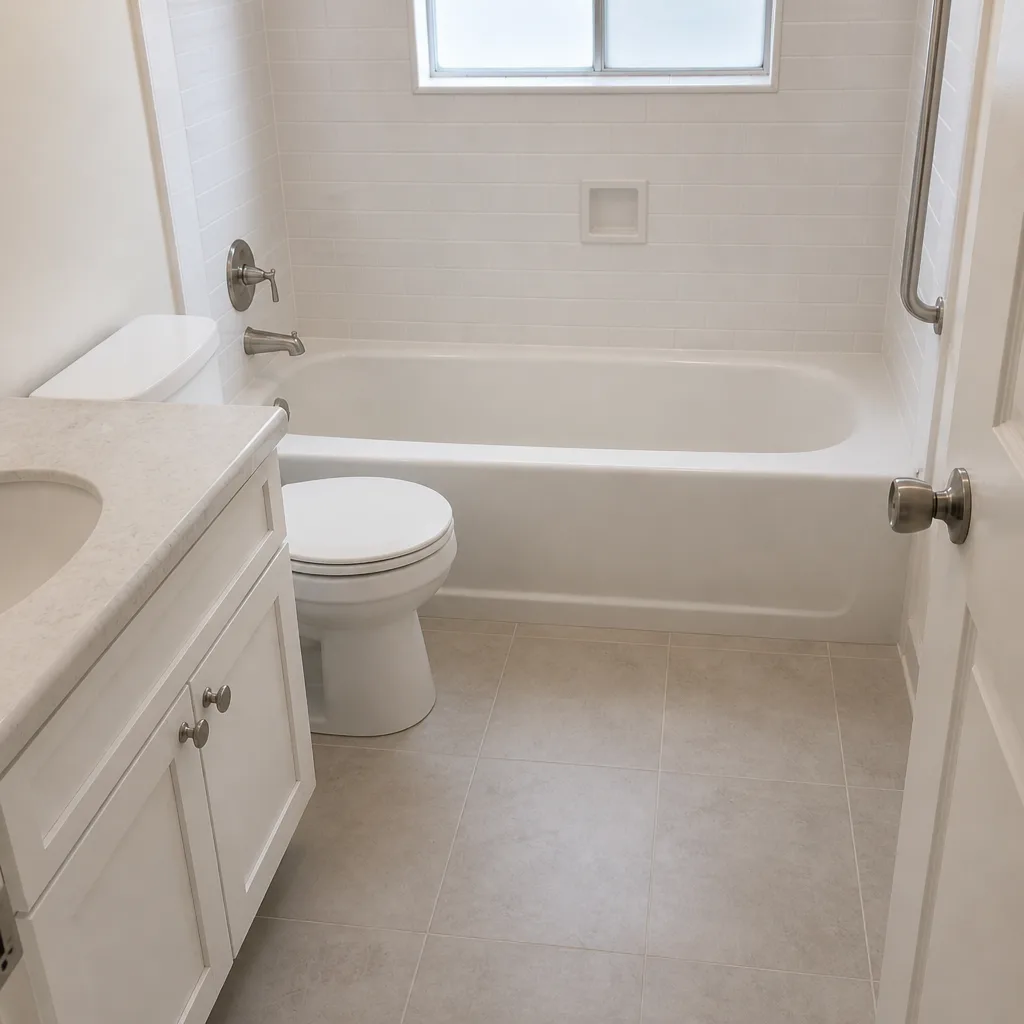 After
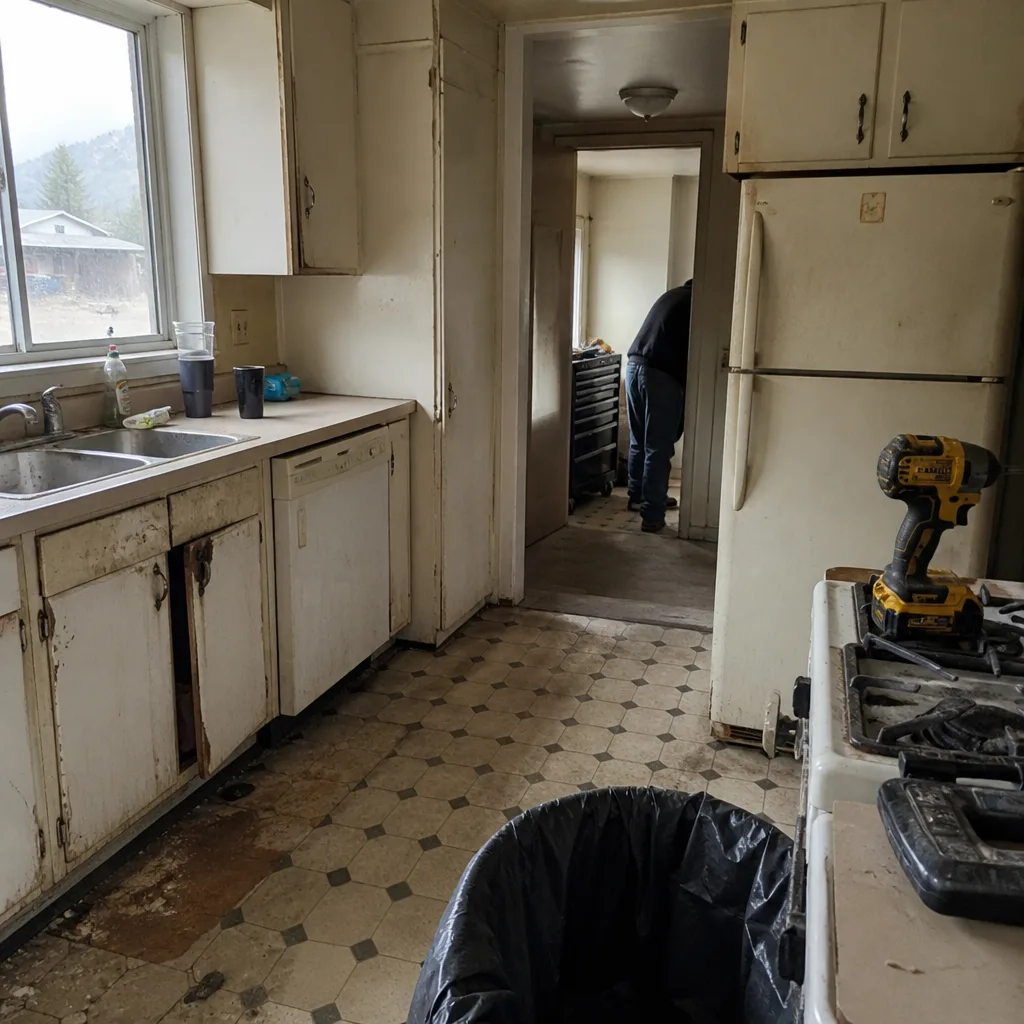 Before
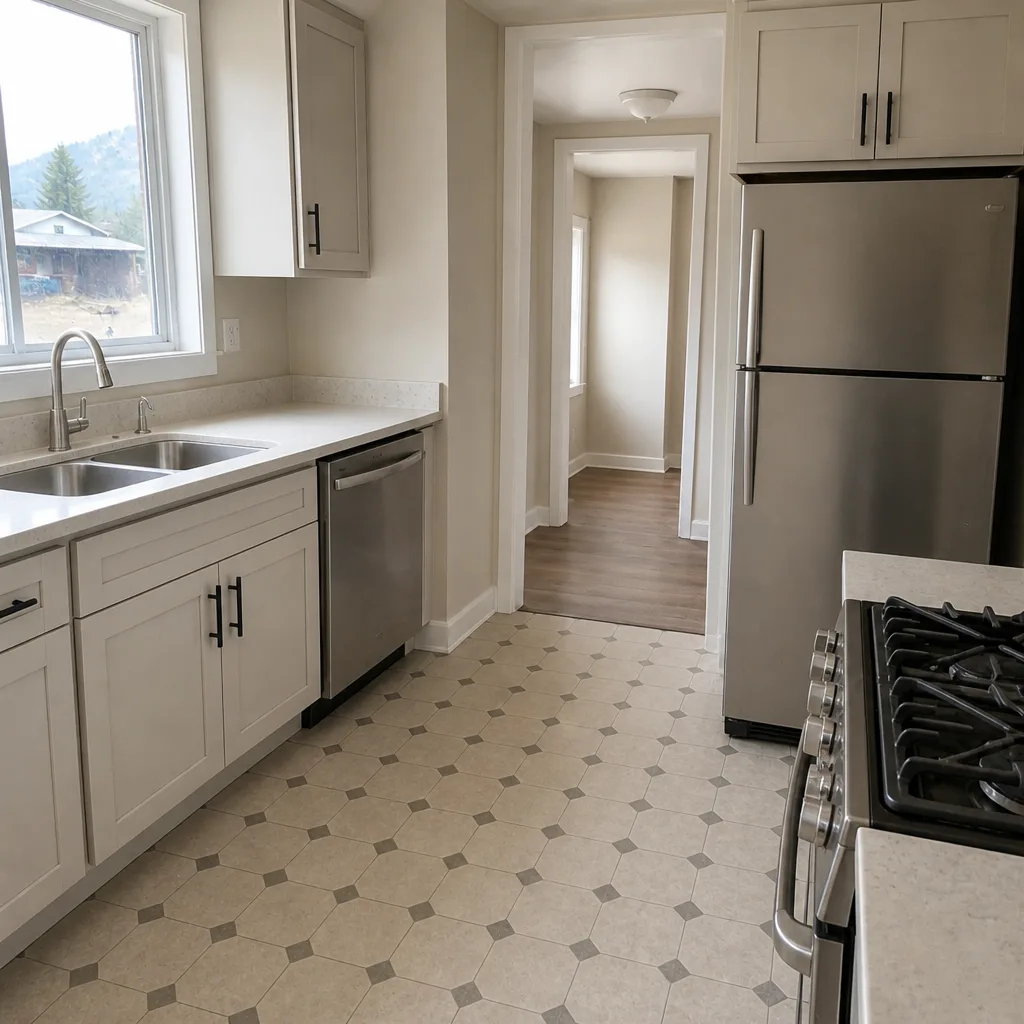 After
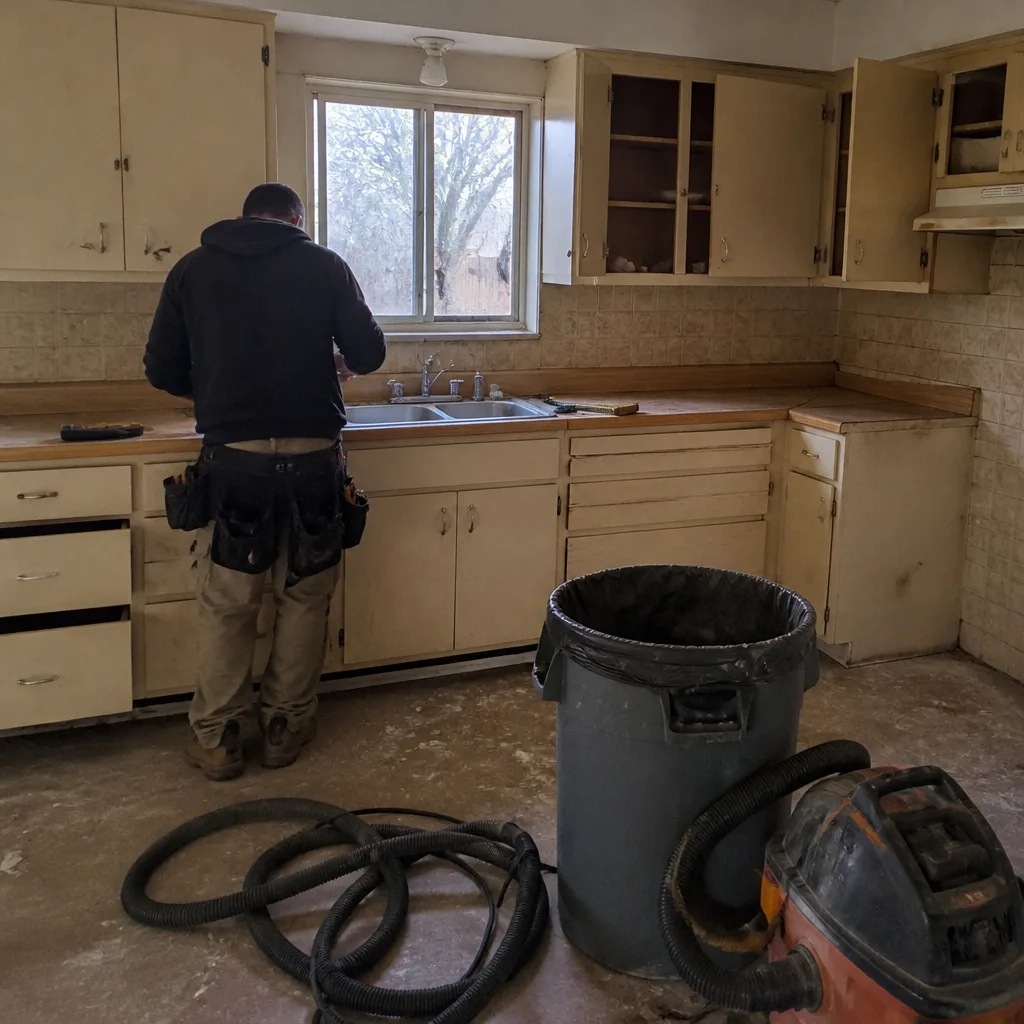 Before
 After
Frequently Asked Questions

Yes, if the remodel touches plumbing, electrical, or structural work, which most bathroom remodels do. Shower valve replacement, moving a drain, adding a circuit for a heated floor, and any framing change all require a licensed contractor and a permit in Clark County. Cosmetic updates like paint, a new vanity top, and hardware swaps don’t require a license. When you’re ready to scope a full remodel, our Bathroom Remodeling in Enterprise page covers how we handle permits and inspections. Call (844) 797-6157 for a free estimate.
Often not, or not fully. If a claim is tied to unpermitted, non-compliant work, the insurer can deny the portion of the claim connected to that work or dispute the cause. The coverage gap exists even when the installation itself looked fine for years. The most common outcome we see is a homeowner who loses part of a claim on work that was done correctly but never inspected.
You can, under the owner-builder exemption, but only for work on your own primary residence, and only if you’re doing the work yourself. You cannot pull the permit and then pay unlicensed labor to perform the work. Rental and investment properties don’t qualify. For any project with structural, electrical, or plumbing scope, the permit should go through a licensed contractor.
Interior painting, cosmetic hardware and fixture swaps, landscaping refresh, and controlled demolition of non-structural elements. These save real money with no permit or insurance exposure. A painted room runs $80 to $200 in materials versus $600 to $1,200 installed, and a faucet cartridge swap saves $100 or more. The savings are real when the work stays on the cosmetic side of the line.
You usually can’t tell for certain from the surface, which is why this is the one demo question you should never guess on. A structural engineer or a licensed general contractor can confirm it before you touch anything. Cutting a load-bearing wall can compromise the whole house, and the repair is far more expensive than the check. Call (844) 797-6157 if you’re unsure.
Yes. Every project starts with a free estimate and a written price before any work begins. Our technicians have up to 22 years of experience, and every crew member is background-checked and introduced to you by name and photo before the visit through The Threshold Standard. Work is backed by our 365-Day Done Right Promise, and a live person answers the phone around the clock. Call (844) 797-6157.
The Bottom Line
The DIY-versus-hire decision isn’t really about how handy you are. It’s about permit exposure, insurance liability, and what happens to your homeowner’s policy when unpermitted work surfaces during a claim. Paint, cosmetic swaps, landscaping, and careful demo are safe and worth doing yourself. Electrical, plumbing, gas, and structural work belong to a licensed contractor, and in Clark County the owner-builder path has real limits. If a project touches those four systems, stop and call. A written price and a permit history are the cheap insurance that DIY never provides.
To get a written price before any work starts, with a crew verified by name and photo and backed by our 365-Day Done Right Promise, call Mason Remodeling Enterprise at (844) 797-6157 for a free estimate in Enterprise. Start with our Mason Remodeling Enterprise home page to see how we work, and explore Kitchen Remodeling in Enterprise for projects that cross the licensed-contractor line.
Written by the team at Mason Remodeling Enterprise.