
Last updated November 17, 2026



Free written scope consultation - allowances, timeline, and change-order rules on paper before a single trade is scheduled
DIY vs Professional Kitchen Remodeling: What’s Safe to Do Yourself
Painting your kitchen cabinets yourself is smart. Moving a gas line six inches to fit your new range yourself is a decision that could follow you for the life of your homeowner’s policy. That’s the sharp line most remodeling advice glosses over, and it matters more in a kitchen than any other room because plumbing, electrical, and gas converge in a single small space. In Enterprise, we’ve watched homeowners handle paint and tile like pros, then get stuck when a permit inspection flagged work they didn’t even know required one. This guide maps exactly where the DIY boundary sits, what Nevada law requires, and how to save money without putting your insurance coverage at risk.
Quick Answer
Safe DIY kitchen tasks include demolition, painting cabinets and walls, installing hardware and pulls, hanging open shelves, and grouting tile you or a pro already set. Unsafe and often illegal-to-self-perform tasks include any gas line work, electrical panel or new-circuit wiring, and moving plumbing that requires a permit – these need a licensed trade contractor in Nevada. Everything in between, like cabinet installation or backsplash layout, depends on your actual skill and whether an inspection will follow the work.
Styles & brands we work with
- Kitchen remodeling
- Bathroom remodeling
- Home additions & ADU
- Roofing
- Windows & doors
- Driveway & pavers
- Fence
Table of Contents
- Where Nevada Law Draws the Line
- How Insurance Adjusters View DIY Kitchen Work
- What’s Genuinely Safe to Do Yourself
- Cabinet Painting vs. Replacement: The Real Math
- The Three-Question Skills Test
- Coordinating DIY Labor With a Professional Crew
- Common Mistakes to Avoid
- When to Call a Professional
Where Nevada Law Draws the Line on DIY Kitchen Work
Nevada is strict about who can legally perform certain trades, and a kitchen concentrates all three regulated trades in one room. The state requires licensed contractors for gas piping, for electrical work beyond simple fixture swaps, and for plumbing alterations that involve moving supply or drain lines. This isn’t a formality you can skip by watching enough videos. Unpermitted and unlicensed work can be ordered removed and redone at your expense, and Enterprise-area inspectors do check.
The tasks that require a licensed trade contractor in Nevada include:
- Gas line work of any kind. Extending a gas line to a new range location, converting from electric to gas cooking, or capping an old line requires a licensed plumber or gas fitter and a permit in most jurisdictions. This is also the single most dangerous DIY decision in a kitchen.
- Electrical panel work. Adding a dedicated 240-volt circuit for a new range, upgrading service to support a larger kitchen load, or replacing breakers inside the panel all require a licensed electrician.
- New circuit wiring. Adding outlets, running a dedicated circuit for a dishwasher or disposal, or installing under-cabinet lighting tied into new wiring needs a licensed electrician and often a permit.
- Permitted plumbing moves. Relocating a sink, moving a dishwasher supply, or rerouting a drain requires a licensed plumber and inspection.
What you can legally do varies by jurisdiction, but simple fixture replacement (swapping a faucet on existing supply lines), painting, cabinet hardware, and finish work generally fall outside permit requirements. When in doubt, call your local building department before you start – a five-minute phone call beats a failed inspection. Our general contractor in Enterprise team pulls permits and manages inspections on every project as standard, which is one reason homeowners hand off the regulated trades entirely.
Here’s the part many homeowners miss: even the tasks you’re allowed to do yourself can trigger an inspection if they’re part of a larger permitted project. If the electrician is pulling a permit for new kitchen circuits, the inspector will look at the whole scope of work, including what you did by hand. Hands-on work doesn’t exempt the rest of the kitchen.
How Insurance Adjusters View DIY Kitchen Work After a Loss
This is the section that changes people’s minds. If a supply line fails and floods your kitchen, or a wire you ran causes a fire, your insurance adjuster will ask two questions: was the work permitted, and who performed it? An unpermitted modification – meaning work done without the required permit or inspection – gives your insurer grounds to reduce or deny a claim. That’s not a scare tactic; it’s standard policy language.
What “unpermitted modification” means for your claim depends on the policy and the loss, but the practical outcomes look like this:
- The insurer investigates the cause and origin of the loss. If the failure traces to unpermitted work, coverage for that portion can be excluded.
- Even covered losses can be reimbursed at reduced value when the damaged work wasn’t to code, because code-compliant replacement is what the policy covers.
- A denied claim can raise future premiums or make the home harder to insure, and disclosed unpermitted work must often be corrected or disclosed at sale.
In our experience working across Enterprise, we’ve seen adjusters request permit records and inspection sign-offs before approving kitchen water-damage claims. The homeowner who paid a licensed plumber $400 to move a drain has a paper trail; the homeowner who did it themselves has a difficult conversation. That asymmetry is worth pricing before you pick up a wrench. If you’re already mid-project and unsure whether you crossed the line, our team at Mason Remodeling Enterprise can walk the kitchen with you and tell you honestly what needs to be redone and permitted.
What’s Genuinely Safe to Do Yourself (and Actually Saves Real Money)
Plenty of kitchen work is homeowner labor and worth doing. The key is choosing tasks that don’t touch regulated systems and that a crew won’t have to redo. Here’s where DIY is genuinely additive.
- Demolition. Pulling cabinets, removing old countertops, tearing out flooring, and hauling debris saves the most labor dollars per hour. Turn off water and power first, and know which wall might hide a surprise.
- Cabinet painting and wall painting. This is the highest-value DIY task in a cosmetic kitchen refresh. A careful paint job on solid cabinet boxes can transform a kitchen for a fraction of replacement cost.
- Cabinet hardware and pulls. Drilling for new pulls requires a jig and patience, but it’s a Saturday job that changes the look immediately.
- Tile grouting. If a pro sets the tile, many homeowners grout it themselves. It’s low-risk, and a pro can inspect the grout lines before sealing.
- Open shelving and finishing touches. Installing shelving (anchored into studs), hanging a range hood cover that’s already wired, and mounting backsplash trim are finish tasks that don’t touch code.
Demo is the one to get right because it’s where surprises live. In Enterprise kitchens, we regularly find old shutoff valves that won’t close and wiring that predates current code. Have a plan for what you’ll do if you open a wall and find something you didn’t expect. Modern prefab and modular approaches – Dvele and Boxabl both build kitchens with tighter tolerances than site-built work – actually reward careful staging, so knowing your demo sequence before the crew arrives saves days.
Cabinet Painting vs. Cabinet Replacement: A Real Cost-and-Outcome Comparison
This is the decision where DIY pays off most clearly. Painting existing cabinets is the single best cosmetic return in a kitchen, and it’s the one major task a careful homeowner can do well. Replacement is a different financial animal, and the math tells the story.
- DIY cabinet painting: Materials typically run $150 to $400 depending on cabinet count and paint quality. Expect 15 to 25 hours of your own labor. The result looks best on solid wood or quality MDF boxes with doors in good condition. Durability is 5 to 8 years if prepped correctly with deglossing, a bonding primer, and a quality cabinet-grade enamel.
- Professional cabinet painting: Typically $2,500 to $6,000 in the Enterprise market for a full kitchen, with sprayed finish and a multi-year warranty. Prep quality separates a two-year paint job from an eight-year one.
- Cabinet replacement: Specification-grade cabinetry from lines like KraftMaid or Wellborn typically runs $8,000 to $20,000 or more installed, depending on layout and door style. The result is new boxes, new hinges, and new storage, not just a new color.
The honest read: if your cabinet boxes are sound and the layout works, DIY painting is a smart financial move with real savings. If doors are warped, boxes are water-damaged, or you want a different footprint, painting is lipstick on a failing structure and replacement (or refacing) is the better spend. Our kitchen remodeling in Enterprise team helps homeowners decide between painting and replacement using a single walk-through, and we give you a written price on either path before any work starts. Finishes from Cover and Boxabl-grade manufacturing show what clean lines look like when tolerances are tight – a useful benchmark when judging your own painting result.
The Three-Question Skills Test to Run Before Self-Installing Anything
Before you decide to hang, wire, set, or install something, run this honest test. It’s the fastest way to separate confidence from competence.
- Have you done this exact task before, start to finish, on your own? Watching it on video isn’t the same as having done it. If the honest answer is no, treat this as a learning task, not a savings task, and budget the time and possible redo.
- Can you see, and fix, the failure mode? Setting tile at a drain, hanging a heavy cabinet, or leveling a countertop has a specific failure mode. If you can’t describe what goes wrong and how you’d catch it before it becomes expensive, hire the work.
- Will this task be inspected, insured, or impact a sale? If a permit, insurance claim, or future home inspection will look at this work, a licensed pro is the right call even if you could technically do it.
Answer all three with a confident yes and DIY makes sense. Answer any with a no and the cost of a professional is smaller than the cost of the redo. We’ve seen homeowners nail projects they’d done before and regret the ones they attempted blind. The test isn’t about doubting yourself; it’s about matching the task to your actual experience. Our technicians have up to 22 years of experience, and even they don’t take on a trade outside their own when the work is inspected.
Coordinating DIY Labor With a Professional Crew Without Slowing Anyone Down
The sweet spot on a hybrid kitchen project is hiring the regulated and high-risk trades while doing the paint, demo, and finish work yourself. The catch is sequencing – done poorly, DIY labor stalls a crew that’s already been paid for the day. Here’s how we keep hybrid projects on schedule for Enterprise homeowners.
- Do demo before the team arrives. Have cabinets out, debris gone, and water and power shut off before day one so the crew starts on the real work immediately.
- Get the permit and inspection schedule in writing. The trade work has a fixed sequence. Know which days need an inspector present so your painting doesn’t block a required inspection.
- Confirm every crew member by name and photo before they arrive. With Mason Remodeling Enterprise, you receive the technician’s name and photo ahead of the visit and a photo ID badge at the door, per The Threshold Standard – so you know exactly who’s in your home while you’re also managing your own work.
- Save painting and grouting for after the messy trades. Paint after the electrician and plumber finish, not before. Grout once the tile setter has cleared the floor.
- Agree on the finish-line date. Your work hours and the crew’s inspection dates must align. A written schedule is the difference between a smooth hybrid and a stalled one.
One more scheduling reality in Enterprise: summer heat drives up drying times for paint, grout, and sealant. A cabinet finish that dries cleanly in April may need an extra day of cure time in July, so build slack into your painting window.
Common Mistakes to Avoid
- Doing gas work yourself to save money. This is the decision with the highest potential cost of all, and it can affect your insurance coverage on a fire or leak claim. Even a small range move needs a licensed gas fitter and a permit.
- Skipping permits because a job looks small. A single moved outlet or drain line that isn’t permitted can become an unpermitted modification in an insurance claim. Pull the permit or don’t do the work.
- Painting cabinets without proper prep. Painting over grease and old finish causes peeling within a year. Degloss, prime with a bonding primer, and use cabinet-grade enamel for a finish that lasts.
- Buying cabinets or appliances before layout is final. In Enterprise kitchens, we regularly see a new range that won’t fit the opening because the measurement was taken before the countertop thickness was accounted for. Finalize layout first, then buy.
- Tearing out walls without knowing what’s behind them. In older Enterprise homes, you may open a wall and find outdated wiring or a shutoff valve that won’t close. Have a plan for surprises before demo day.
- Underestimating drying and cure time in summer heat. Our dry climate speeds some products and slows others; rushing paint or grout curing causes failures that a pro would have scheduled around.
- Letting DIY work block an inspection. If your painting or staging is scheduled during a required inspection window, the whole project waits. Coordinate the sequence with the crew’s dates.
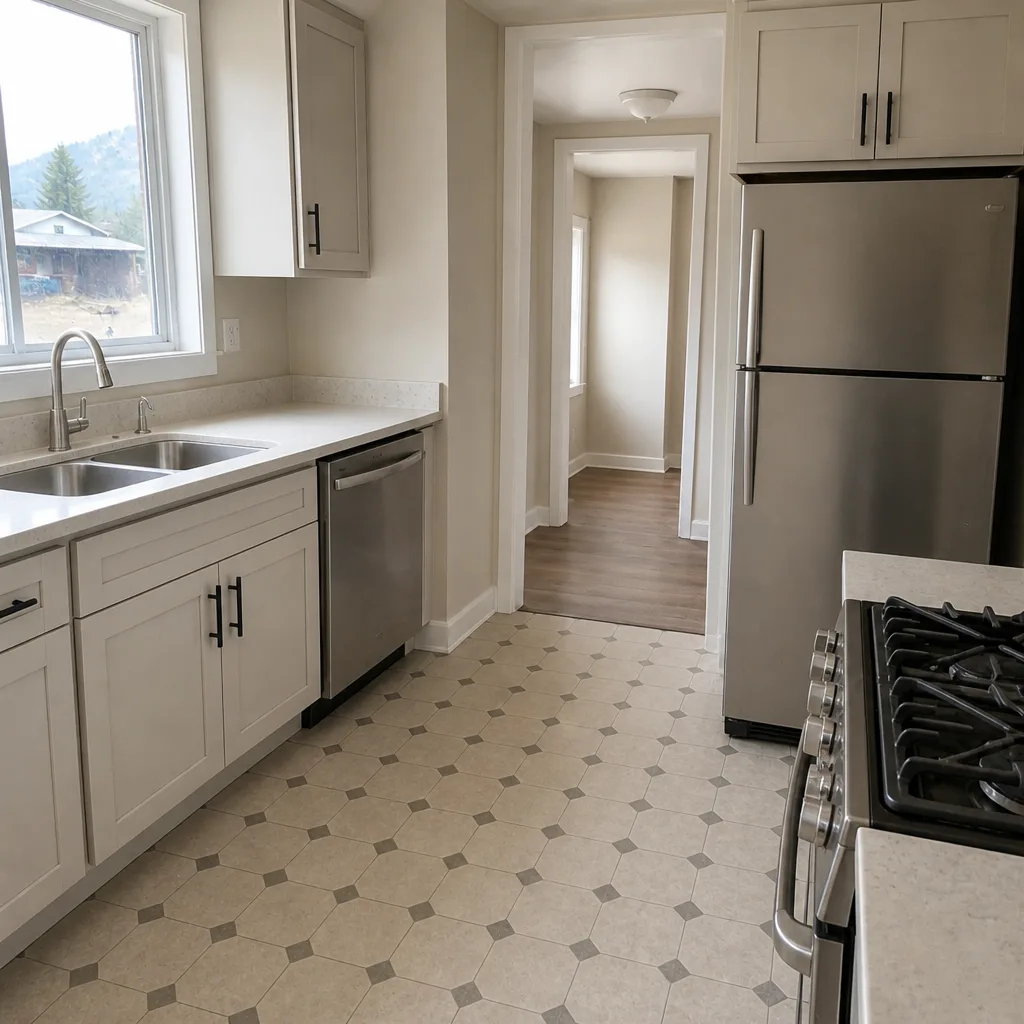
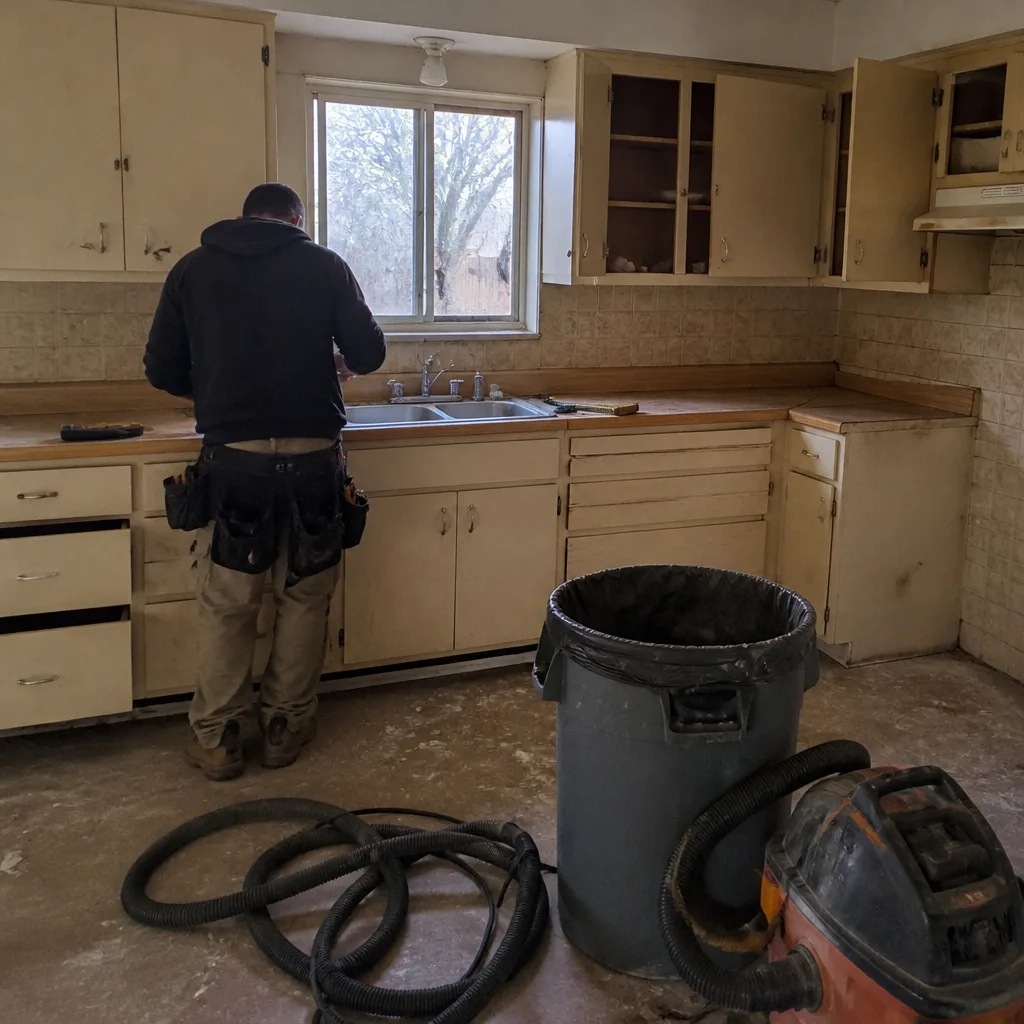
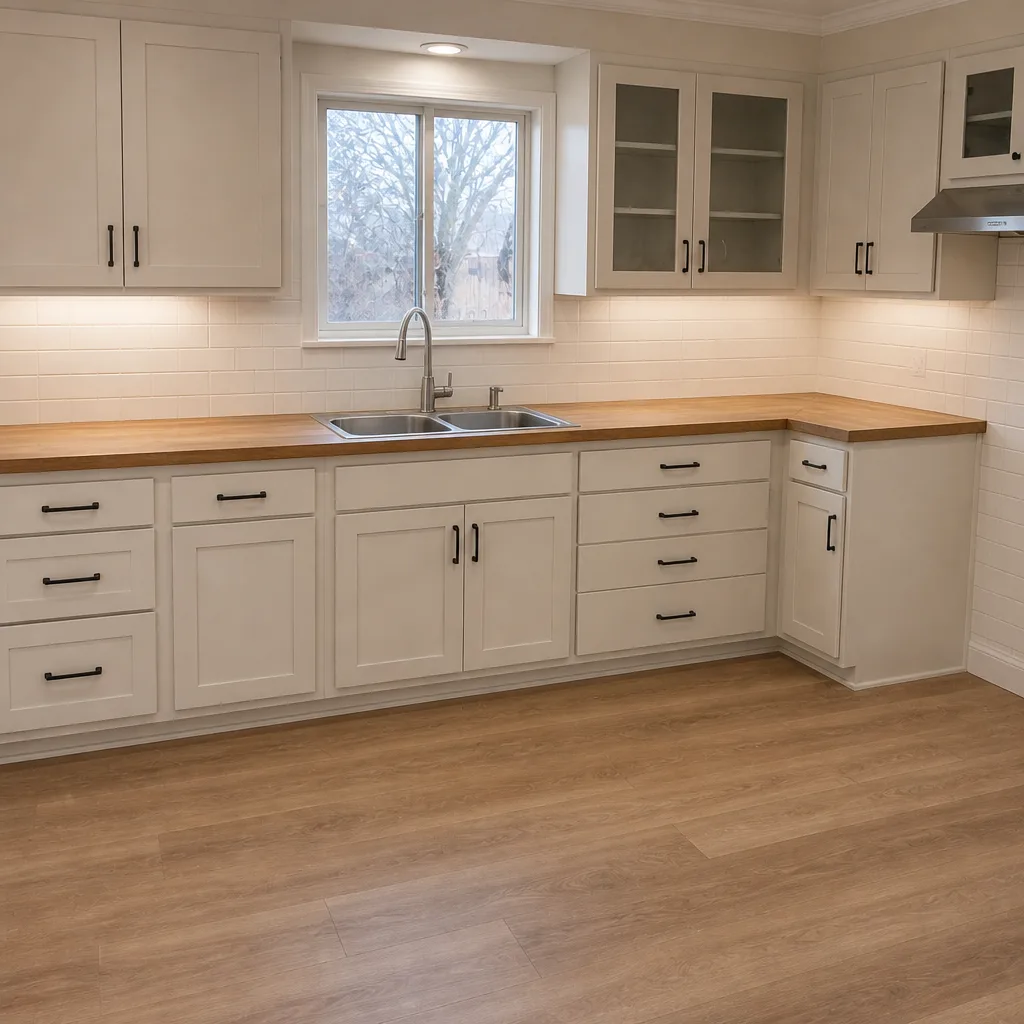
See the difference
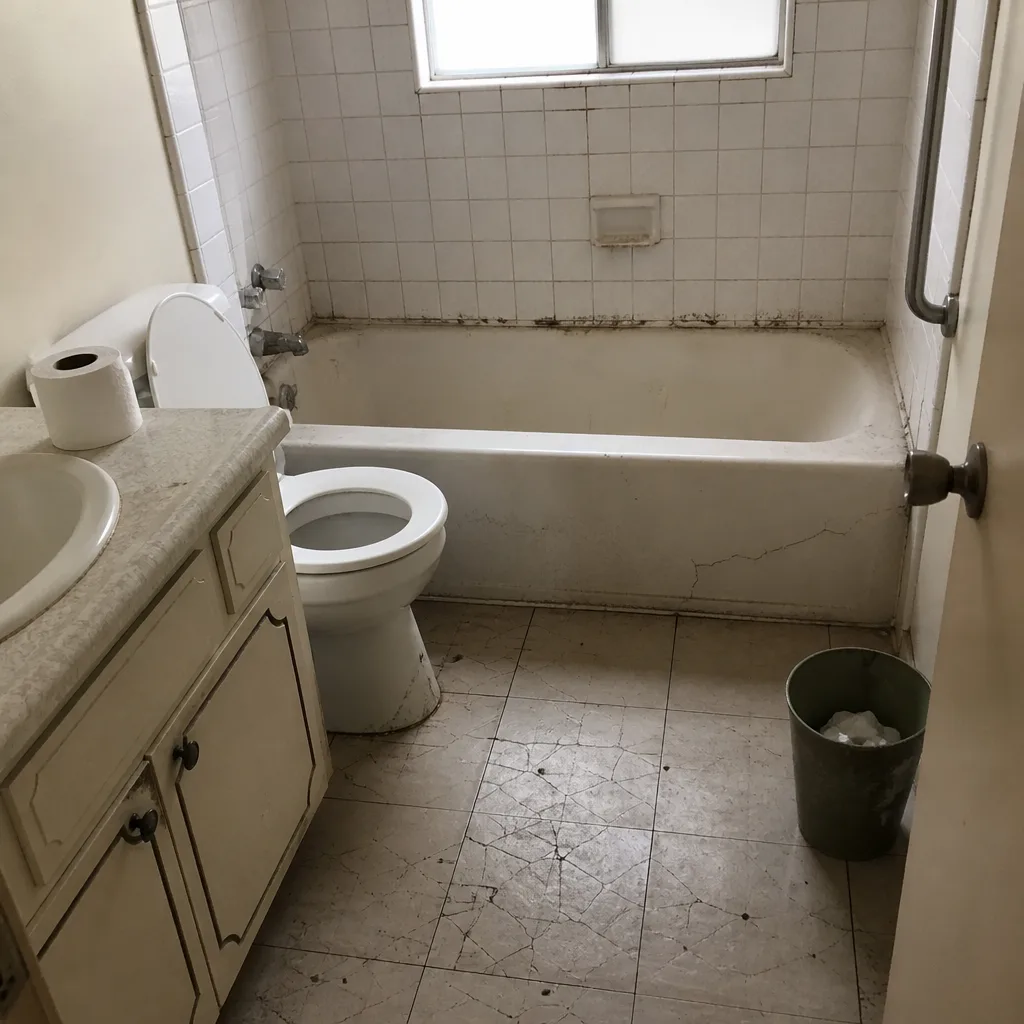 Before
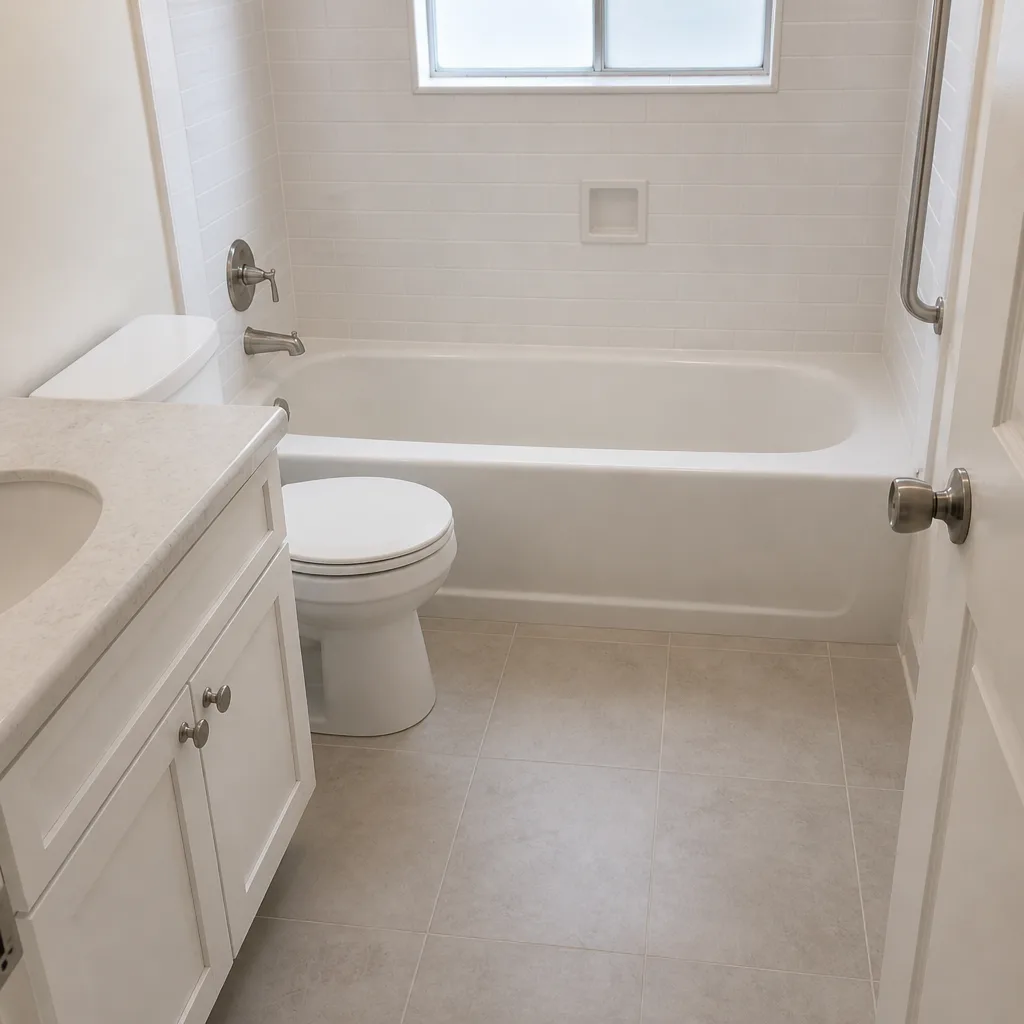 After
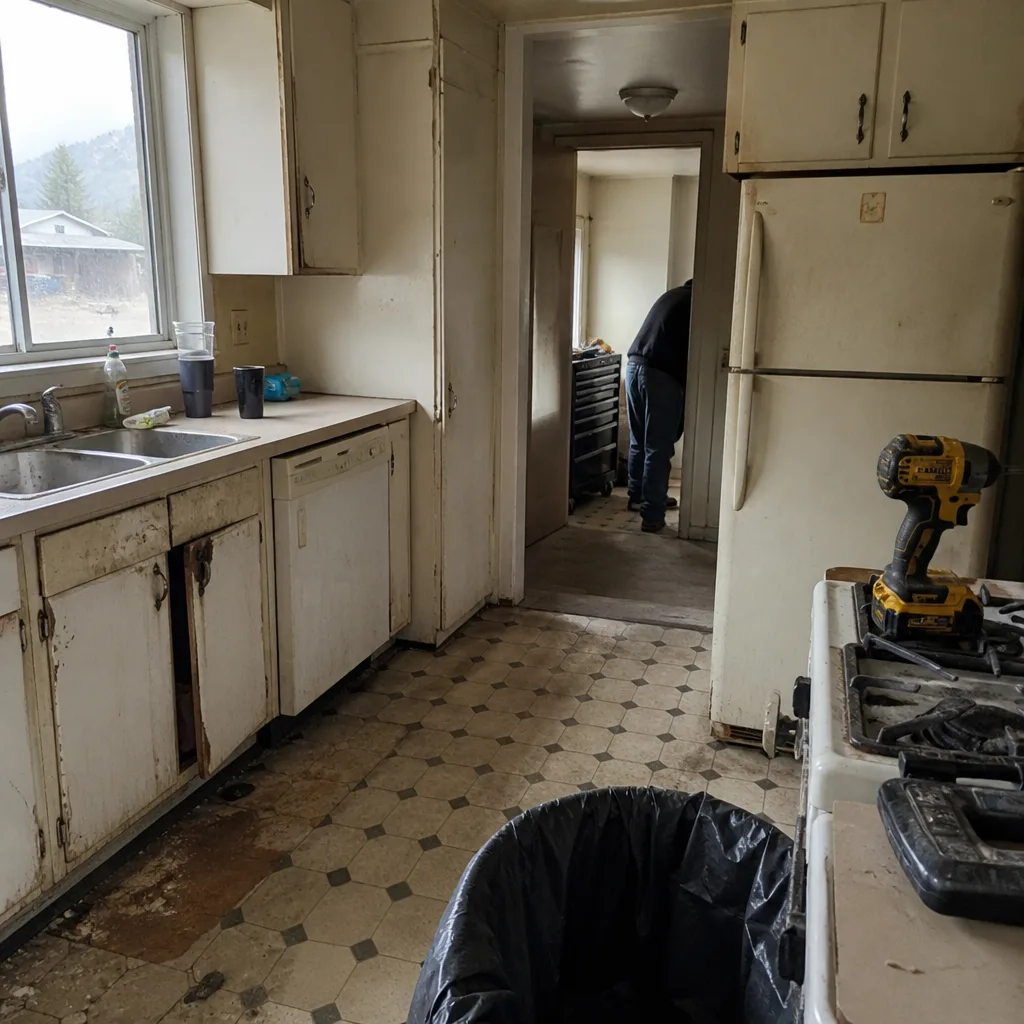 Before
 After
 Before
 After
When to Call a Professional
Call a licensed pro the moment a task touches gas, the electrical panel, new circuits, or plumbing that moves. Call one too for structural changes, cabinet installation that has to be square and level, and any work that will face an inspection. If a permit is required, the pro is the path of least resistance and the safest insurance record. In Enterprise, our free estimate covers a full walk-through so you know exactly which parts of your kitchen fall into DIY territory and which don’t – often homeowners keep three tasks for themselves and hand off the rest. Mason Remodeling Enterprise offers free estimates in Enterprise and delivers a written price before any work starts. Call (844) 797-6157. For bathroom-side projects, our bathroom remodeling in Enterprise team applies the same DIY line – tile grouting is fine, drain moves are not.
Frequently Asked Questions

No. Nevada requires a licensed gas fitter or plumber to perform gas line work, and a permit is usually required. Beyond the legal side, a DIY gas leak or fire can jeopardize your homeowner’s insurance coverage, so this is the one task to hand off without exception. Call (844) 797-6157 for a free estimate that includes the licensed trade work.
Not automatically, but unpermitted modifications can reduce or deny a claim if a loss traces back to the work. Adjusters often ask for permit records and inspection sign-offs after a water or fire loss, and work done without them is where problems start. Keep your coverage intact by permitting the regulated work and hiring licensed trades. Call (844) 797-6157 for a straight read on what needs a permit.
Usually yes. DIY cabinet painting typically costs $150 to $400 in materials versus $2,500 to $6,000 or more professionally, and it’s the best cosmetic return in a kitchen if the boxes are sound. Prep quality decides whether the finish lasts years or peels within one. If you want a sprayed, warranty-backed finish, our team can price that alongside your options – estimates are free at (844) 797-6157.
Expect licensed trade work in Enterprise to run roughly $400 to $1,200 for a typical gas line move, $600 to $2,500 for added electrical circuits, and $1,500 to $5,000 for permitted plumbing relocation, depending on scope. These are ranges, not quotes, since every kitchen is different. Call (844) 797-6157 for written line-item pricing before any work starts.
We handle the permits and inspections as part of the project when we’re doing the work. That’s not an optional add-on – it’s part of how we operate, and it protects you on insurance and resale down the road. Call (844) 797-6157 to schedule a free estimate and we’ll walk through the permit scope with you.
The fix is to get it inspected, permitted, or corrected by a licensed pro before a claim or a sale forces the issue. It’s usually far cheaper to address now than after a loss or during escrow. We can assess the work and tell you honestly what needs to be redone and permitted. Call (844) 797-6157 for a free estimate.
The Bottom Line
The DIY line in a kitchen is sharp, and it runs along gas, electrical, and plumbing. Painting cabinets, demo, hardware, and grouting are smart savings that turn a cosmetic refresh into a real transformation. Anything that moves a gas line, touches the panel, adds a circuit, or relocates a drain belongs in licensed hands – not because it’s harder, but because an unpermitted modification can follow you through an insurance claim and a future sale. Do the tasks that don’t need a permit and don’t touch regulated systems. Hand off the rest with a written price in hand. That split keeps your kitchen beautiful and your coverage intact.
Ready to map your own DIY line? Mason Remodeling Enterprise offers free estimates and a written price before any work starts, backed by the 365-Day Done Right Promise. Call (844) 797-6157 to schedule your free estimate today.
Written by the team at Mason Remodeling Enterprise.