Last updated November 17, 2026








Free written scope consultation - allowances, timeline, and change-order rules on paper before a single trade is scheduled
General Contractor Troubleshooting: Common Problems and How to Fix Them
The most expensive general contractor mistake isn’t hiring the wrong contractor. It’s staying with the wrong contractor three weeks longer than you should have, because you didn’t know what normal actually looks like. Most homeowners don’t quit a bad remodel on day four; they quit on week nine, after three draws are already paid and the drywall has been sitting against a wall in the garage. In our experience working across Enterprise, the problems that ruin a project are usually visible long before they become legal fights. This guide teaches you to read the warning pattern early: how to benchmark progress week by week, how to document a dispute without torching the relationship, what a work stoppage means legally in Nevada, and how to escalate to the state board when you have to. Mention Enterprise once.
Quick Answer
To fix a general contractor problem, identify which category you’re in first: schedule slips, quality defects, communication blackouts, permits, or money and liens. Each has a different playbook. Schedule slips get a written milestone reset, quality defects get a punch list and an inspection hold, permit problems get a records check at the county, and payment or lien disputes get lien releases before every check. Escalate to the Nevada State Contractors Board only after you’ve documented the issue in writing. Most projects are fixable if you catch the pattern two weeks earlier than you’d otherwise notice it.
Styles & brands we work with
- Kitchen remodeling
- Bathroom remodeling
- Home additions & ADU
- Roofing
- Windows & doors
- Driveway & pavers
- Fence
Table of Contents
- The Week-by-Week Progress Benchmark
- How to Read a Stalled Project Before It Becomes a Crisis
- How to Document a Dispute in Writing
- What “Work Stoppage” Legally Means in Nevada
- Subcontractor Liens vs. Contractor Liens
- Permit Problems: How to Check and Correct Them
- How to Escalate to the Nevada State Contractors Board
- Common Mistakes to Avoid
The Week-by-Week Progress Benchmark
You cannot tell if a renovation is behind schedule unless you know what “on schedule” looks like for your exact scope. Contractors often say “we’re on track” as a reflex. Here’s a benchmark for a typical kitchen or bathroom remodel in Enterprise to help you sanity-check progress without pretending you need to supervise the trades.
Weeks 1-2: Demolition and Rough-In
- Demo completed within 2-4 days for a bathroom, 4-6 for a kitchen.
- Framing adjustments, plumbing rough, and electrical rough underway.
- First inspection scheduled or passed by end of week two for permitted work.
Weeks 3-4: Insulation, Drywall, and Approvals
- Rough inspections passed (plumbing, electrical, mechanical).
- Insulation installed, drywall hung and taped.
- If you see Week 4 with no drywall and no inspection log, the project is slipping.
Weeks 5-6: Tile, Cabinets, and Finish Starts
- Waterproofing and tile in wet areas (we specify Schluter systems, which add one day of curing).
- Cabinet boxes set, template for counters taken by end of week five or six.
Weeks 7-8: Countertops, Fixtures, Paint, Punch
- Countertops installed, plumbing fixtures trimmed in, paint touch-up, final inspection.
If you’re two weeks past any of these milestones with no written explanation, ask for a written schedule reset (more on that below). The pattern to watch in Enterprise homes is February through April: frozen-ground delays turn into April permit backlogs at the county, and suddenly week 3 becomes week 6 with no trade on site. Mason Remodeling Enterprise home customers get this benchmark in writing at kickoff.
How to Read a Stalled Project Before It Becomes a Crisis
A slowdown is normal. A pattern of slowdowns is a warning. Here’s how to tell them apart before you’re writing a fifth check against no work in the ground.
One week of delay: Material backorder, weather, or a single trade rescheduling. Normal. Ask for a revised date.
Two weeks of delay with no written update: Early warning. Ask directly: “What milestone are we on, and what’s the new completion date?” Put the question in email, not text.
Three weeks with no crew on site, no written explanation, and repeated “next Monday” promises: Red flag. Start documenting.
Three weeks with a new draw request but no visible progress: Stop paying. We’ll get to legal specifics shortly.
The four warning patterns
- Vanishing communication: Calls go to voicemail, texts go unanswered for 48+ hours when you were getting same-day replies a month ago.
- Draw requests outrunning work: The next check is requested while previous stage materials sit unopened.
- New people, no introduction: Unfamiliar workers appear with no notice and no name from the GC. That’s a signal you’ve lost control of the sub list.
- Vague answers on inspection status: “It’s fine” is not a permit status. You should hear “passed electrical rough on March 14, next inspection is drywall on the 22nd.”
If you’re seeing two of these four, don’t fire anyone yet. Move to writing. The guide below is how.
How to Document a Dispute in Writing
Most homeowner-contractor disputes get worse because the homeowner escalates verbally. Raised voice, angry text, “I’m calling my lawyer” – all of that makes the contractor defensive and costs you leverage. Written documentation is quieter and far more effective. Here’s the sequence we recommend, whether you’re in the middle of a project or just worried about one.
Step 1: Send a neutral “status request” email
No accusations. Just facts. “As of [date], the tile installation has not started and our signed schedule lists it for [date]. Can you confirm the new start date and what’s causing the change?” Copy it to the GC’s office address and your own records.
Step 2: Log everything chronologically
Keep one document: date, what was promised, what happened, what evidence you have (photos, texts, receipts, inspection records). Screenshot conversations. Note what days no one was on site.
Step 3: Convert phone agreements to email
After any phone call about schedule or money, send a short recap: “Confirming our call today – you’ll have the tile crew on site by [date] and the draw request will wait until tile is complete. Reply if I have that wrong.” If they don’t reply, the silence is documentation too.
Step 4: Issue a formal notice of concern – not a termination letter
A one-page letter that names the specific failures, requests a remediation plan in writing within 5-7 business days, and states that if the plan doesn’t arrive you’ll seek other remedies. It doesn’t need a lawyer’s letterhead to be effective. It’s the paper trail that matters.
The warning that should trigger a phone call to us instead of an email to your attorney: if the GC has stopped responding and won’t commit to a plan in writing, that’s a good time to get a second set of eyes on the situation. Our General Contractor in Enterprise team can review permits, schedule, and draw history for free.
What “Work Stoppage” Legally Means in Nevada
A work stoppage is when construction on a project halts entirely, either because the contractor walked off, because you directed them to stop, or because a legal or regulatory action froze the job. It matters because stopping work changes your rights around payment, liens, and termination. Nevada doesn’t use the phrase casually and neither should you.
Three scenarios that count as stoppage
- Voluntary walk-off: The GC’s crew stops showing up with no notice and no written explanation.
- Owner-directed stop: You tell the contractor in writing to stop work pending resolution of a defect, permit, or payment dispute. This is the scenario where you must be careful – see the withholding rule.
- Regulatory or legal stop: A stop-work order from the county building department, a court injunction, or a contractor board action.
Withholding draw payments in Nevada
You generally have the right to withhold a draw when work tied to that draw is not complete, is defective, or is not permitted. What you can’t do is withhold a draw for reasons unrelated to that stage while expecting the contractor to continue at full speed. Keep the withholding tied to a specific, documented milestone, and state in writing exactly what will release the funds.
If the stoppage lasts more than 10-14 days and the contractor hasn’t produced a written remediation plan, that’s usually when you start talking to a construction attorney. Not before. But not later either.
Subcontractor Liens vs. Contractor Liens
A lien is a legal claim against your property filed by someone who wasn’t paid for work or materials. There are two flavors and they behave differently.
The contractor lien
Filed by the general contractor who has a direct contract with you. If your GC finishes the job, you pay in full, and the GC files a lien anyway, that’s typically a defective lien and you can fight it. But if you withheld payment improperly, the lien may stick.
The subcontractor lien
Filed by someone the GC hired – a plumber, an electrician, a cabinet installer, a supplier. This is the one homeowners miss. You can pay the GC in full and still get a lien from a sub who never got paid. That’s why the rule below matters.
Get lien releases before every check
- Before each draw, request a conditional lien release for the amount you’re paying.
- After the check clears, request an unconditional lien release confirming payment received for that stage.
- Before the final check, request final unconditional lien releases from the GC and any subcontractors or suppliers who served a preliminary notice.
If your GC pushes back on lien releases, that’s a signal about their cash position. In our Kitchen Remodeling in Enterprise projects, releases are part of the standard package; customers shouldn’t have to ask. Never write a final check without them, no matter how small the job was. The fact that you’ve never heard of a lien in your neighborhood doesn’t mean the subs on your job have been paid.
Permit Problems: How to Check and Correct Them
Permit problems are the quietest failure in remodeling because they don’t show up until you try to sell the house, refinance, or make an insurance claim. In Enterprise, most structural, electrical, plumbing, and mechanical work requires a permit through Clark County. If your contractor told you it “doesn’t need one,” check before you accept that answer.
How to verify permits on your job
- Ask your GC for the permit number in writing. If they can’t produce one, there isn’t one.
- Look up the permit on the county’s online portal. You should see a permit number, address, scope, and current inspection status.
- Match the scope to what’s actually being built. A permit that lists “bathroom remodel – cosmetic” is not covering a sauna build in the garage.
How to fix a missing or expired permit
You can still pull the permit after work is done in most cases – it’s called an after-the-fact or “as-built” permit. It costs more, requires more inspection access (walls may be opened), and can add 3-6 weeks to your timeline. It’s still cheaper than an unpermitted structure at resale. If your contractor walked off before finishing permitted work, contact the county directly; you don’t need the original GC’s permission to close out an inspection you’re inheriting.
If the permit situation is unclear or you’re inheriting someone else’s half-built project, our Bathroom Remodeling in Enterprise team can pull the records and give you an honest read on what needs to happen. Permits are one of the most common reasons we get called into an Enterprise home – often because a homeowner’s neighbor had the same issue a year earlier and never mentioned it.
How to Escalate to the Nevada State Contractors Board
The Nevada State Contractors Board (NSCB) is the state agency that licenses contractors and investigates complaints. It’s a real option, but it’s not fast and it’s not a shortcut. Knowing what the process actually does – and doesn’t – deliver will save you months.
What the NSCB can do
- Investigate whether the contractor violated licensing laws or workmanship standards.
- Order the contractor to correct defective work or refund money.
- Suspend or revoke a license in serious cases.
- Use your complaint history toward disciplinary action against the contractor.
What it can’t do
- Force the contractor to finish a job on a schedule you want.
- Guarantee you money back – recovery depends on the contractor’s willingness and ability to pay.
- Substitute for civil court in large disputes.
- Move faster than a few months, no matter how clear-cut your complaint looks.
The escalation sequence
- Complete the written documentation phase first (see the section above). The board will ask for it.
- File the complaint online through the NSCB with supporting documents, photos, contract, and evidence of payments.
- Participate in the mediation/inspection process. Usually a board investigator reviews the site.
- Wait. The typical timeline is measured in months, not weeks. Use the waiting period to gather a second contractor’s written opinion on the defect and remediation cost.
Filing with the board works best when workmanship is clearly defective, the contractor is licensed, and the dollar amount is meaningful. It’s less useful for schedule-only complaints. If you’d rather get a professional read on your situation before filing, our team at Mason Remodeling Enterprise can look at the job and tell you honestly whether the issue is a forensics question or a legal one. Call (844) 797-6157.
Common Mistakes to Avoid
- Paying a draw without a lien release. The fastest way to get stuck with a sub lien on a job you paid in full is to skip the release. It’s a five-minute ask before each check.
- Firing a GC in a text message. Verbal and text firings create a “he said/she said” record. Terminate in writing, with the reasons and the date clearly stated. This matters especially in Nevada where the board treats written documentation as the record.
- Letting the permit “get handled later.” In Enterprise, unpermitted bathroom or kitchen work becomes a resale headache 5 years from now. Verify permits from day one, not at final walkthrough.
- Assuming silence means progress. If your contractor hasn’t texted in 72 hours and no one’s on site, something is wrong. Ask for a written status.
- Waiting three weeks too long to ask for a schedule reset. Verbal “we’ll be back Monday” promises don’t survive contact with reality. Get every revised date in writing.
- Assuming “we’re fully insured” without paperwork. Ask for a current certificate of insurance with your address listed before demo starts. Homeowners often discover insurance problems only after a claim.
- Skipping a final inspection because “we’re in a hurry.” A passed final inspection is your proof the permit is closed. Skip it, and the county will still be waiting on you six years from now.
See the difference
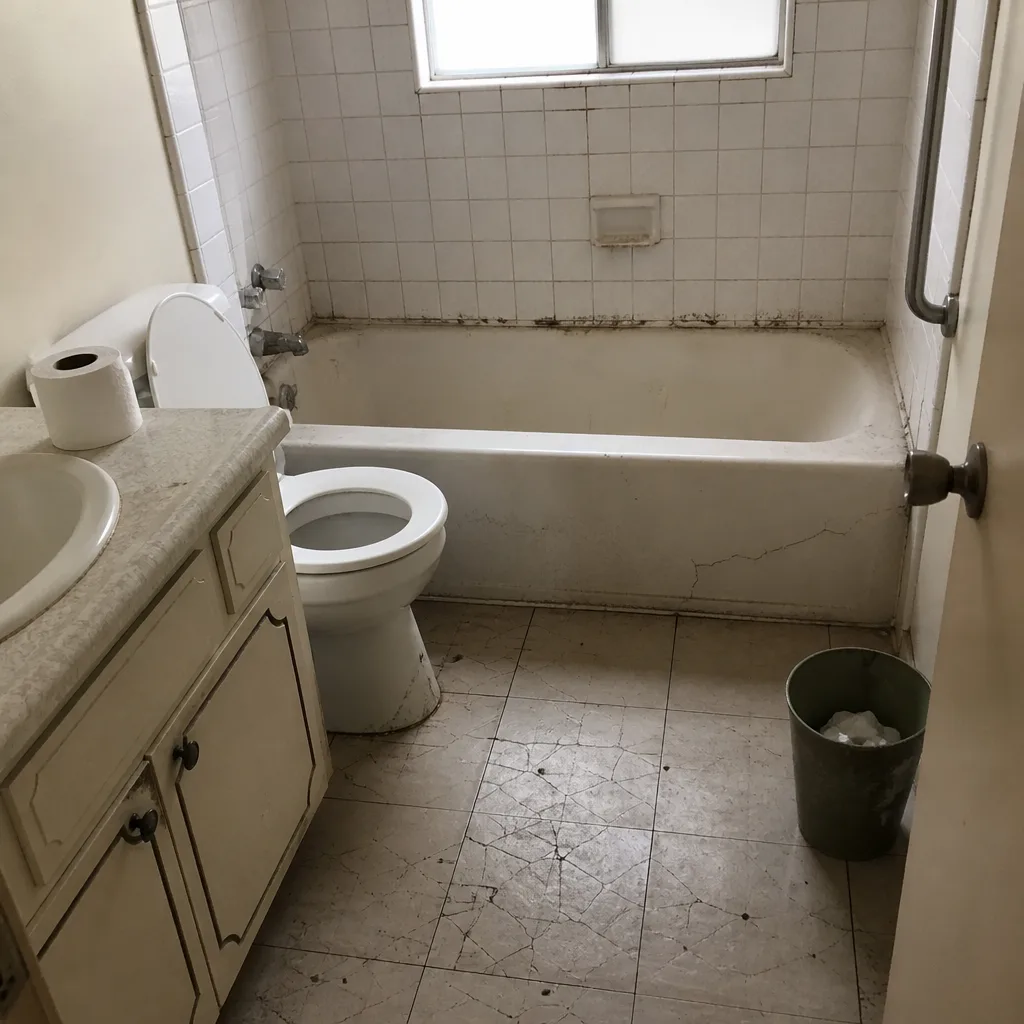 Before
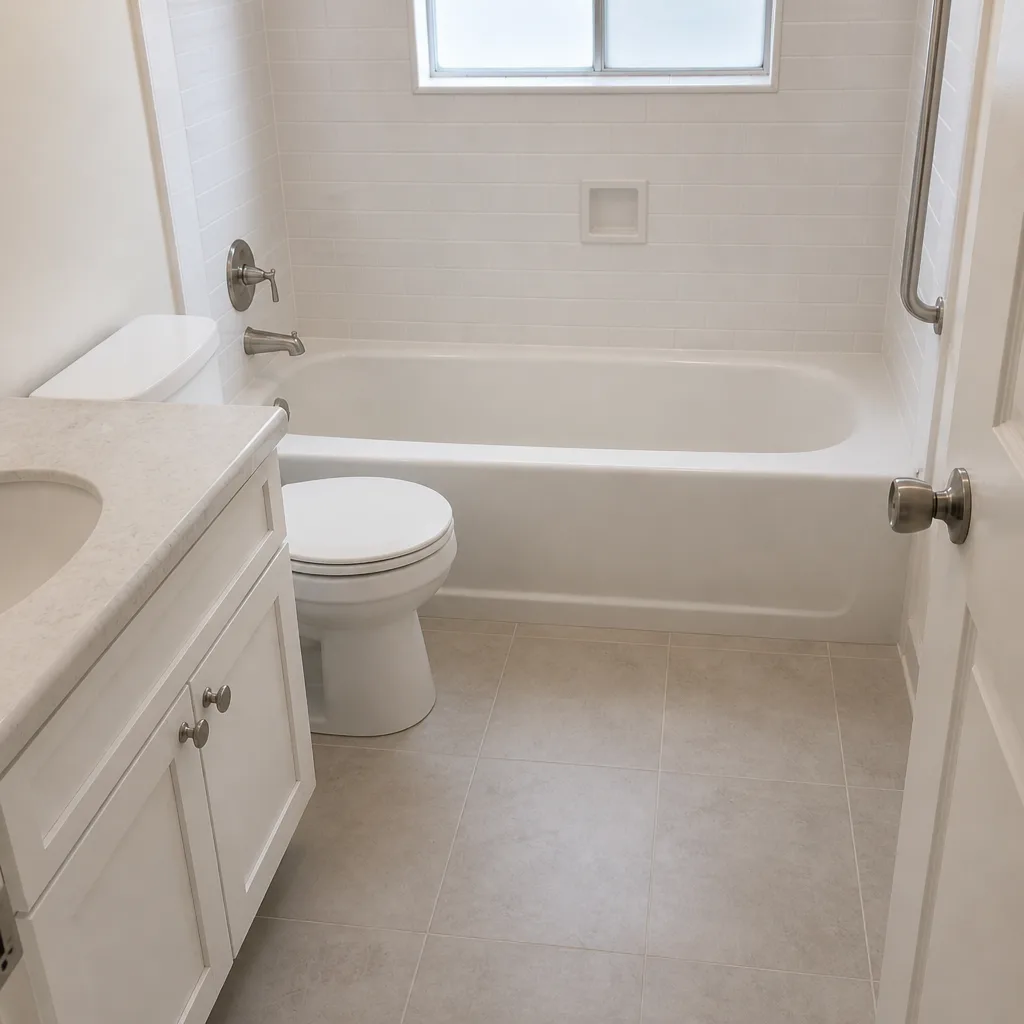 After
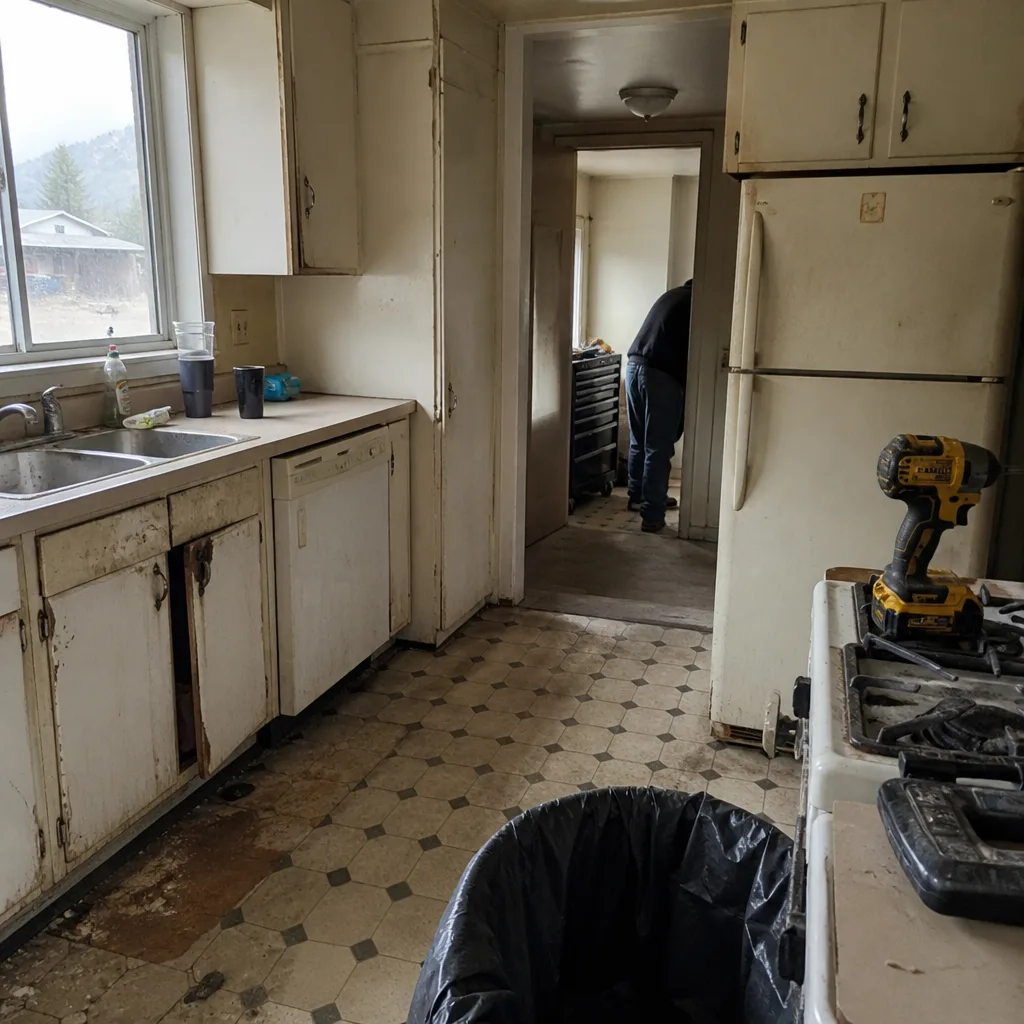 Before
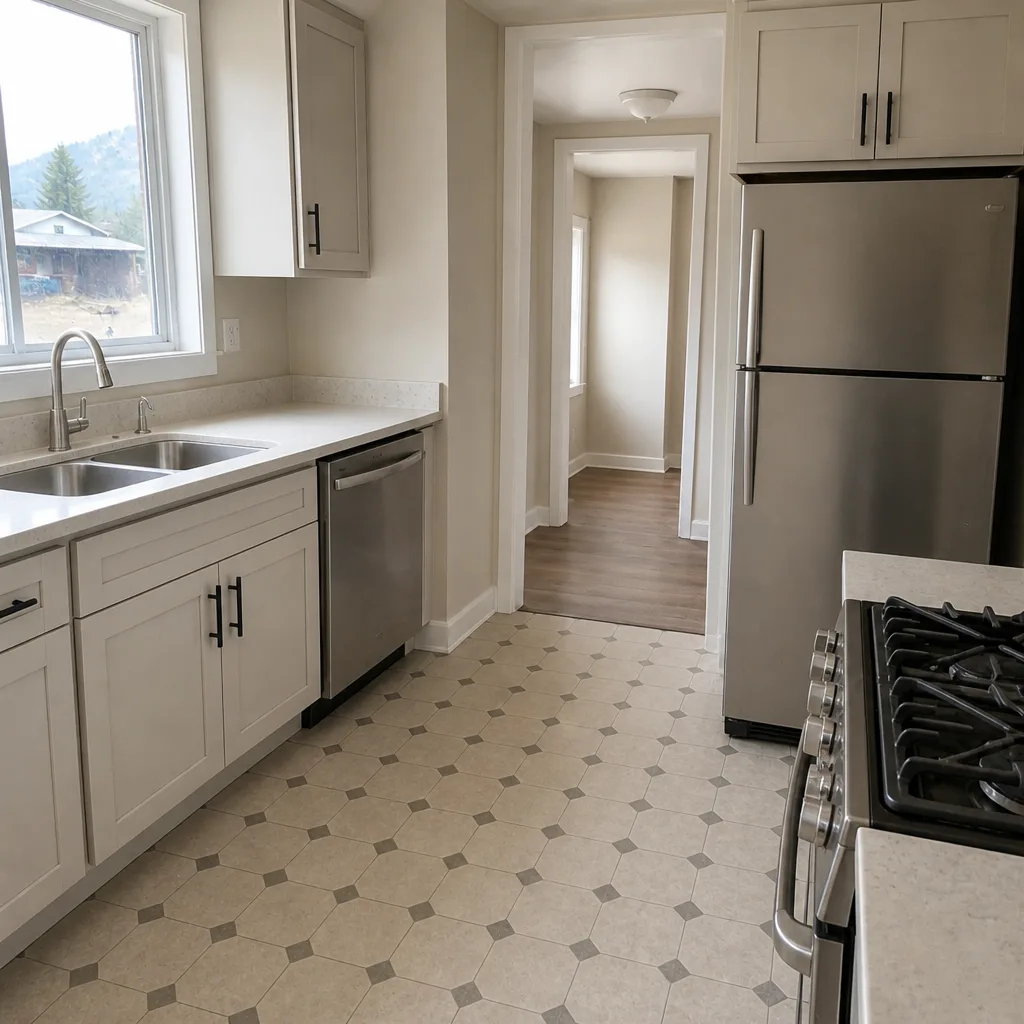 After
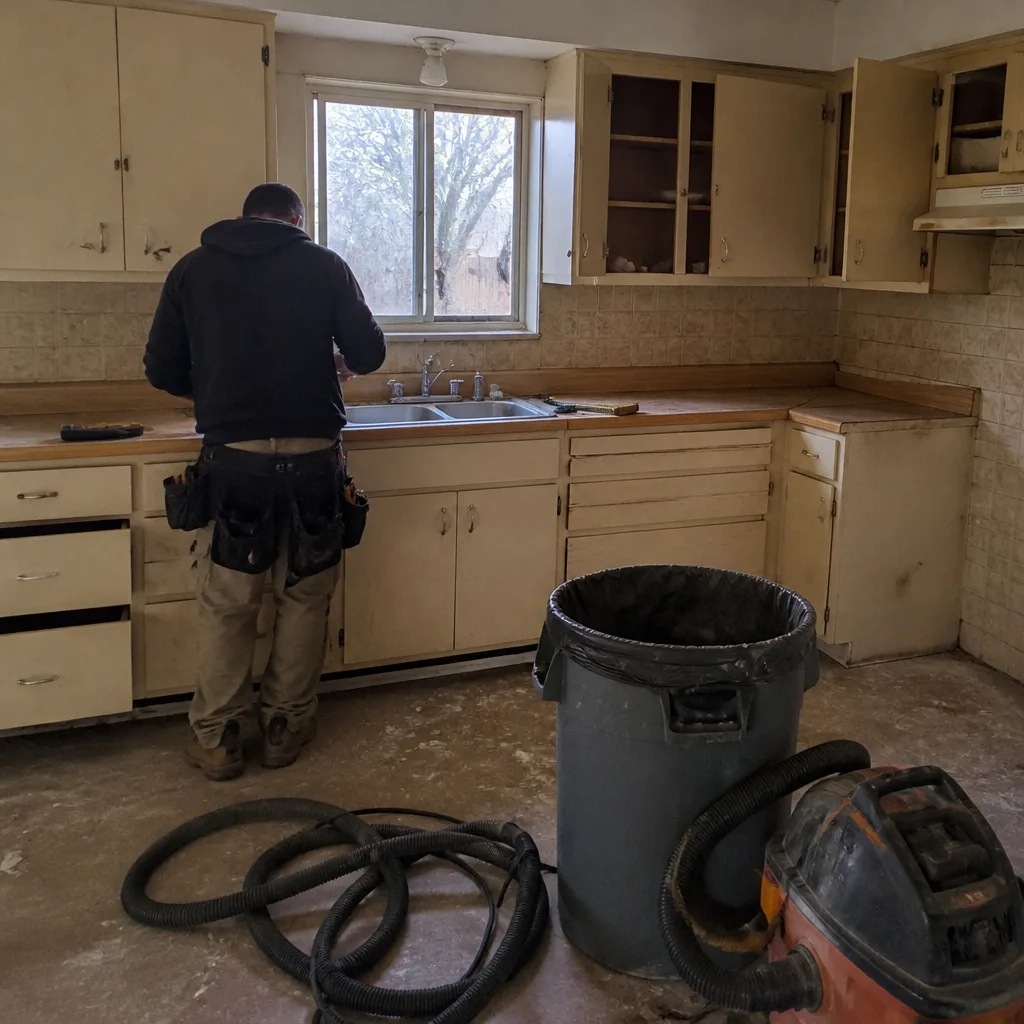 Before
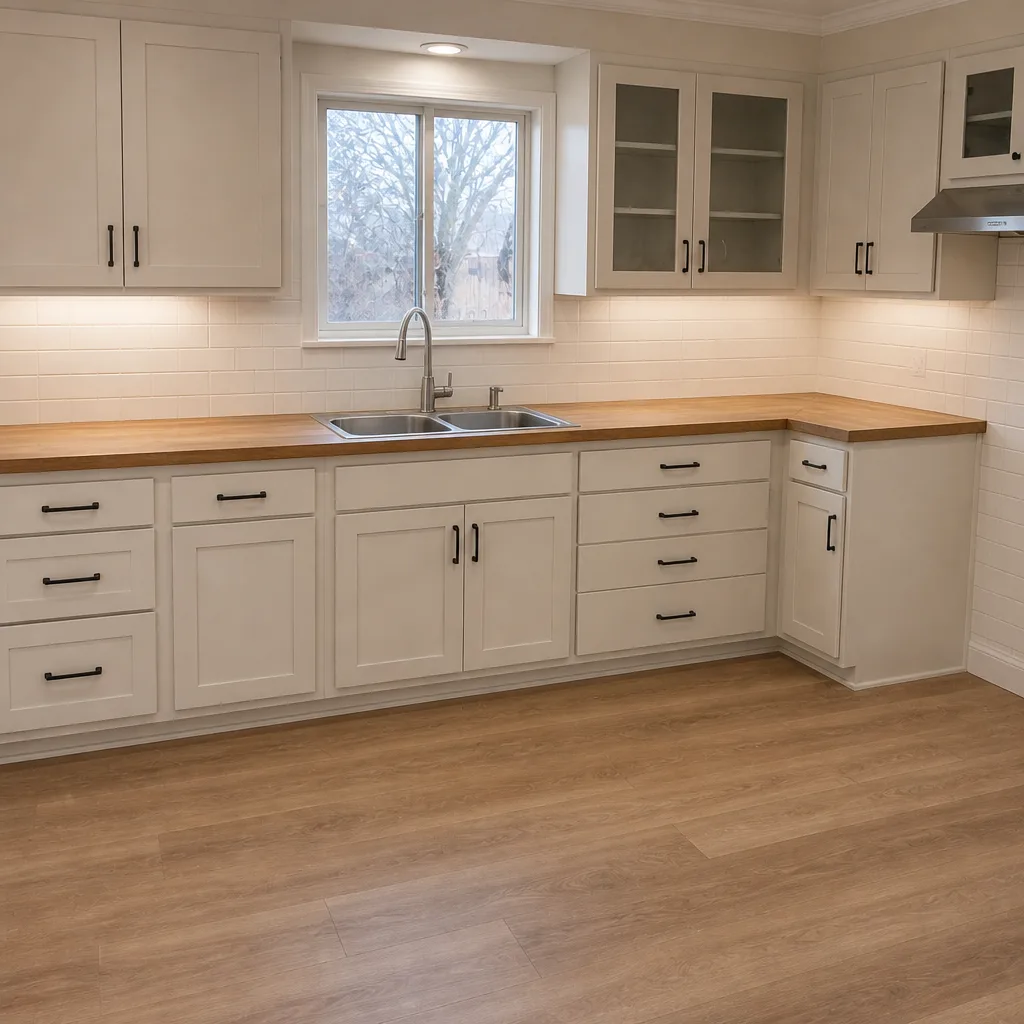 After
When to Call a Professional
Call a professional general contractor when the project has moved past the stage where you can self-navigate it. That means: multiple weeks of unexplained delay, a permit that was never pulled, a lien notice against your property, a contractor who has stopped responding, or a finished job with defects you don’t know how to scope. It also means smaller triggers – like a bathroom suddenly needing new subfloor, or a walkthrough where a dozen small issues aren’t getting addressed. You don’t need to be in a legal dispute to get a second opinion. You just need to be unsure of what “done right” looks like on your project. Mason Remodeling Enterprise offers free estimates in Enterprise – call (844) 797-6157 to schedule one. Our technicians have up to 22 years of experience and can walk through what you’re seeing without pressure to sign anything.
Frequently Asked Questions
It depends on whether you’re paying for a diagnosis, a remediation, or a legal opinion. A second-opinion walkthrough is typically free. Fixing defective work mid-project usually runs between 8% and 20% of the original scope depending on what needs to come out. Legal opinions start higher, and there’s no shortcut around that cost – call (844) 797-6157 for a no-cost estimate on the fix itself.
Yes, when the work tied to that draw isn’t complete, is defective, or isn’t permitted. You cannot withhold a draw for unrelated reasons while expecting full-speed work. Put the reason in writing: “Withholding draw 3 pending tile inspection on [date].” Call (844) 797-6157 if you want a contractor’s read on whether the withhold is justified before you send it.
You can usually still pull them after the fact, usually called an as-built permit. It costs more, requires more inspection access, and adds weeks to your timeline. Start with the county’s building department and get the record before assuming the worst. Our Enterprise team handles this regularly and can tell you what the county will actually require.
You request a conditional release before each payment and an unconditional release after the check clears. Get final unconditional releases from the GC and any subs who sent a preliminary notice before the final payment. Never write the last check without them.
Typically several months from filing to resolution. The board investigates, may inspect the site, and may order correction or refund – but the timeline is measured in quarters, not weeks. The best use of that time is gathering a second contractor’s written opinion while the case is pending. Call (844) 797-6157 if you want help assembling that opinion.
In some cases, yes – we’ll walk the job and tell you honestly whether finishing someone else’s work makes sense or whether a reset is the better call. That decision depends on permits, structural work already done, and what’s been paid. The free estimate starts there. Call (844) 797-6157 to schedule.
The Bottom Line

Most “bad luck” remodels are patterns that were visible weeks before they turned into problems. Benchmark your project against realistic milestones, put every schedule change and payment in writing, get lien releases before every check, verify permits from day one, and escalate to the Nevada State Contractors Board only after you’ve built a paper trail. Staying with the wrong contractor a week too long is expensive. Staying three weeks too long is a legal problem, not a customer service one. Catching the pattern on week two is what saves a project.
If you’re in the middle of a project in Enterprise that has slipped past “normal” and you’re not sure what to do next, start with a free second-opinion estimate. Our team provides a written price before any work starts, a 365-Day Done Right Promise on every completed project, and a crew introduced to you by name and photo before anyone reaches the door. Call (844) 797-6157 to schedule your free estimate.
Written by the team at Mason Remodeling Enterprise.