Last updated November 17, 2026








Free written scope consultation - allowances, timeline, and change-order rules on paper before a single trade is scheduled
General Contractor Warning Signs Every Homeowner Should Know
Nevada’s Contractors Board logs hundreds of complaints against contractors every year. When you read through them, a pattern shows up fast: the homeowners almost all describe the same early moment, somewhere near the start of the project, when something felt wrong and they talked themselves out of it. A price that didn’t make sense. A name they couldn’t get straight. A contract with a suspiciously wide open price line. This guide exists to front-load the instinct most people only develop after they’ve been burned once. We’ll walk through the contract language that gives a contractor room to raise your price, the deposit rules Nevada actually enforces, how to verify a license in about ten minutes, and the communication patterns that predict an abandoned job. If you’re hiring over the next few months in Enterprise, this is the reading to do before you sign.
Quick Answer
The clearest signs of a bad general contractor are a large upfront deposit request, a contract with open-ended price and timeline language, a license or bond you can’t verify through the state, and a GC who can’t name or introduce the people who will work in your home. Sloppy paperwork is often the first visible symptom of a job that will go sideways. If you catch two or more of these before signing, slow down and verify everything in writing instead of letting a start date push you into a decision.
Styles & brands we work with
- Kitchen remodeling
- Bathroom remodeling
- Home additions & ADU
- Roofing
- Windows & doors
- Driveway & pavers
- Fence
Table of Contents
- The Contract Language That Gives a Contractor an Escape Hatch
- Why a Big Upfront Deposit Is a Legal Red Flag in Nevada
- How to Check a Contractor’s License, Bond, and Insurance in Under Ten Minutes
- The Crew Accountability Gap: Who Is Actually in Your Home?
- Reading Payment Schedules, Lien Waivers, and Change Orders
- Going Quiet: The Communication Pattern That Predicts Abandonment
- Red Flags at the Door: What a Legit Crew Looks Like
The Contract Language That Gives a Contractor an Escape Hatch
A bad contract is written to protect the contractor, not the job. The tell is usually a clause that sounds reasonable on the first read and leaves the price or schedule open on the second. Before you sign anything, read for these specific phrases. You don’t need to be a lawyer to spot them, you just need to slow down and ask what each one means in real dollars and real weeks.
- “Estimates are subject to change based on field conditions.” Some field-condition language is normal, especially in older homes where walls hide surprises. The problem is when the clause has no cap, no approval process, and no requirement that you sign off on the increase before work continues.
- “Additional costs may apply.” This phrase without a stated dollar amount or a written change-order process is a blank check. Ask for a change-order procedure in the contract that says how a price change gets approved, in writing, before the work happens.
- “Time is of the essence, subject to available materials and scheduling.” This negates the deadline in the first half of the sentence. A real completion timeline names a start date, a substantial-completion date, and what happens if the job runs long.
- “Contractor reserves the right to substitute materials of equal or greater value.” Substitution is common for out-of-stock items, but the language should name the brands and lines you expect. When you’re paying for Therma-Tru entry doors or Barrette outdoor structures, the contract should say so rather than letting a cheaper substitute slide in under the “equal value” umbrella.
- “Owner is responsible for permits and inspections.” In almost every residential remodel, the contractor who performs the work should pull the permit. Shifting that duty to you can mean delays, failed inspections, and a project your insurance company won’t cover.
In our experience, the good contracts read longer, not shorter. They name the exact scope, list the brands and product lines you’ll see, spell out the change-order process, and state the completion date in days from a written start date. If a contract feels breezy, ask for it in writing the way you’d want it. The contractor who answers calmly and adds the detail is the one you want. The one who pushes back is telling you something.
Why a Big Upfront Deposit Is a Legal Red Flag in Nevada
Nevada caps the deposit a residential contractor can collect before starting work. The general rule is a small percentage of the total job, roughly 10%, with exceptions for specific long-lead materials that have to be pre-ordered. A general contractor asking for 30% or 40% up front, with the money going into their general account rather than to a specific material supplier, is telling you the cash flow is already tight. That’s a job that can stall the moment your money is spent on a different project. You can confirm the current cap on the Nevada State Contractors Board site before you sign.
Here’s what a normal deposit structure looks like on a residential remodel:
- Small mobilization deposit at signing, within the state’s cap, held against the first phase of work.
- Direct material pre-order payments for long-lead items, paid to the supplier or held in a documented escrow, not handed over as cash.
- Progress payments tied to completed and inspected phases, not calendar dates.
- Final payment held back until punch list walk-through, final inspection, and your sign-off.
If the schedule on the page looks upside-down, with most of the money due in the first two weeks, don’t sign. It costs you nothing to walk away and call someone else. Mason Remodeling Enterprise delivers a written price before any work starts, and that written price is the whole reason we can point to a client and say, “Read the contract, then read what we sent you.” If the numbers don’t match the schedule, you should ask why.
How to Check a Contractor’s License, Bond, and Insurance in Under Ten Minutes
You can verify any Nevada contractor in about ten minutes if you know where to look. Every licensed GC in this state is listed with the Nevada State Contractors Board, and the verification is free. Here’s the exact path:
- Go to the Nevada State Contractors Board license search. The site lets you search by license number, business name, or the name of the individual qualifying the license. Enter the license number printed on the contractor’s business card and contract.
- Confirm the license classification matches the work. Residential remodeling is a specific classification. A general engineering license doesn’t cover your kitchen rebuild, and a handyman license doesn’t cover structural work.
- Check the license status is “active” and not “suspended.” A suspended license with a fresh-looking business card is the single biggest warning sign we see, and it’s the reason we tell anyone calling us to check the website first.
- Look for the bond amount. Nevada requires residential contractors to carry a surety bond, which is the pool of money a homeowner can claim against if the work is unfinished or defective. The database shows the bond on file.
- Ask for the certificate of insurance directly. Do not accept a copy the contractor printed themselves; request the certificate from the insurance agent or in the database. General liability and workers’ comp should both be current and name the correct legal entity.
- Verify the legal business name matches the contract. If the license is under “Smith Construction LLC” and the contract is signed by “Smith Home Improvements,” you have a gap. Insist the contracting entity on the license is the entity on the contract.
That’s the entire check, and none of it requires a subscription. If a contractor gets defensive when you ask for the license number, that’s the answer. A licensed, bonded, insured contractor will hand you the number before you finish the question. In Enterprise, this matters in a real way: newer construction in the area means more homes with active manufacturer warranties and builder relationships, and a permit pulled under the wrong entity can void coverage you didn’t know you had.
The Crew Accountability Gap: Who Is Actually in Your Home?
Ask a general contractor a direct question: “Who specifically will be in my house next Tuesday, and what are their names?” If the answer is a shrug or “the crew” or “our guys,” you’ve found the gap that leads to most of the horror stories we hear from homeowners. On a remodel that runs six to ten weeks, dozens of tradespeople walk through your kitchen and bath. A GC who can’t name them by week one is running a rolling roster of whoever is available, not a managed crew. That’s how you end up with an unvetted subcontractor alone in your home with your family, or a crew that changes every three days and never quite finishes the punch list.
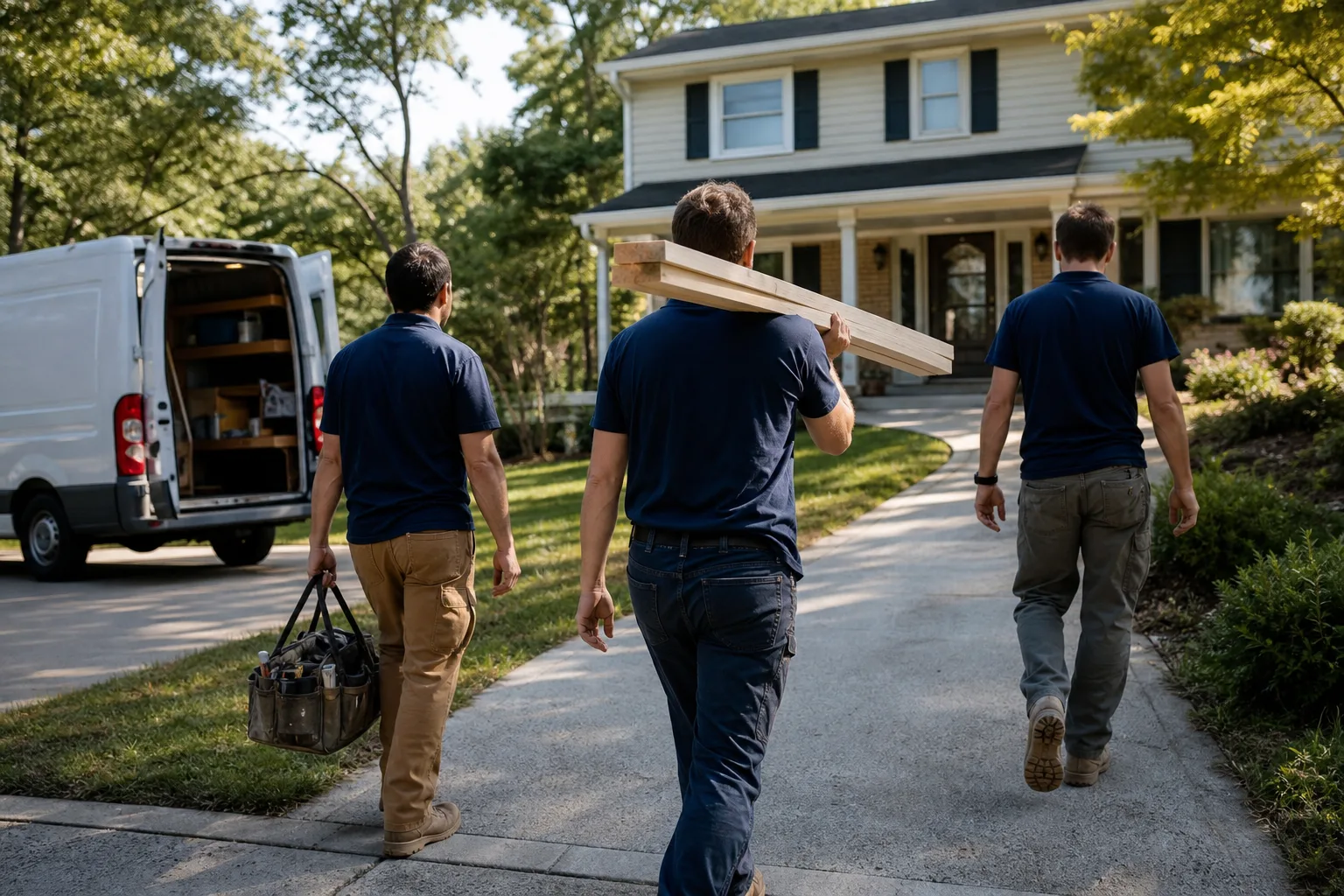
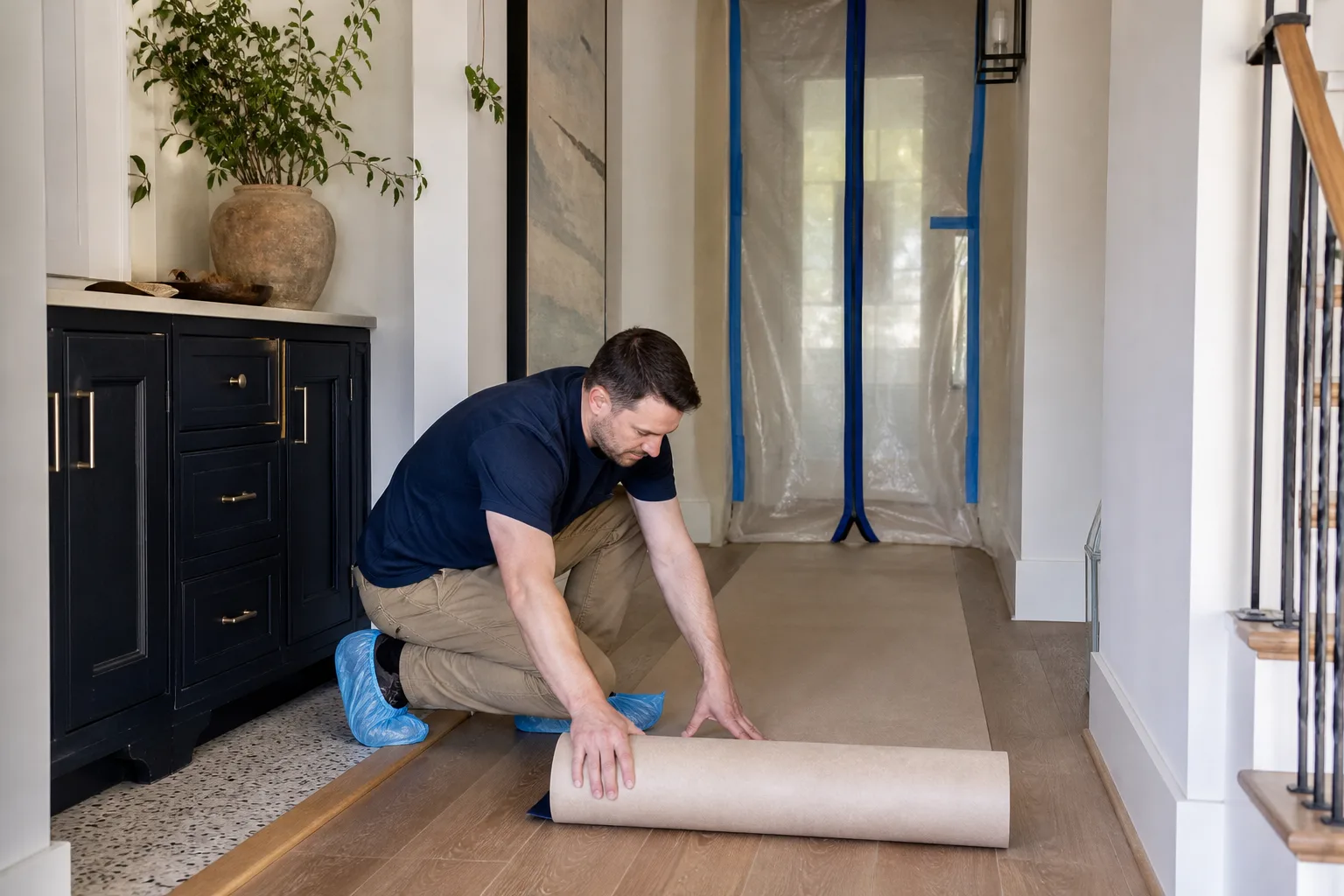
At Mason Remodeling Enterprise, we lead every crew-related conversation with three facts: who is coming, how you’ll recognize them, and what backs their work. Through The Threshold Standard, every member of every crew is background-checked, identity-verified, and arrives in a clean marked uniform. You receive the technician’s name and photo before the visit, and they show a photo ID badge at the door on arrival. That process is the reason we can promise you a named person at your door and not a mystery.
The questions to ask any contractor before signing:
- Will you give me the name and photo of each crew member before they arrive?
- Are your subcontractors licensed, bonded, and background-checked through the same process as your own crews?
- Who is on site on day one, and who supervises them?
- What is the protocol if a crew member arrives without identification?
- Who do I call, by name or role, if something feels wrong while the crew is on site?
Our technicians have up to 22 years of experience. That experience is worth very little to you if the person with 22 years isn’t the one showing up. Accountability is the whole point. If the answer to any question above is vague, you’re allowed to say no.
Reading Payment Schedules, Lien Waivers, and Change Orders
A payment schedule should look like the actual job, not like a wish list. Each line should name a specific completed phase, a dollar amount, and a deliverable you can walk through and confirm. Vague schedules (“week 1 deposit, week 4 draw, final on completion”) are where cost overruns start. On every project we won’t start until there’s a written payment schedule matched to phases, and no phase gets paid until it’s done and inspected.
Two documents protect you on the payment side and most homeowners have never heard of them:
- Conditional lien waiver. Signed by each subcontractor each time they get paid. It says the sub has been paid for the work completed and waives their right to put a mechanic’s lien on your house for that phase. If your GC never collects lien waivers, you can pay them fully and still end up with a lien filed by the electrician. Twenty minutes of paperwork prevents a six-figure legal mess.
- Change order. A small written document that says what’s changing, what the new price is, and what the new schedule looks like, signed by you before the work happens. If your GC makes a verbal promise to fix something for “no extra charge” and never writes it down, it’s not a promise. It’s a conversation.
Ask any contractor to see a sample payment schedule and a sample change order before signing. The response tells you whether they’re running a business or winging it. When a contractor admits to a written price in the first meeting and hands you the payment schedule on the same call, that’s the contractor you can rely on when the job runs into the unexpected. Mason Remodeling Enterprise does this on every project, no exceptions, because the alternative is asking homeowners to trust a verbal estimate and hope for the best.
Going Quiet: The Communication Pattern That Predicts Abandonment
Abandoned jobs don’t go silent on day one. They go silent in recognizable stages, and you can catch it early if you know what to look for. In our experience walking into half-finished jobs, the pattern looks like this:
- Week one: Communication is sparkling. Calls are answered. The crew is on time. The GC personally walks the property every day. This is the honeymoon, and it tells you nothing yet.
- Week two: A text message replaces the phone call. The start of a new phase gets “pushed a few days.” The reason is a supplier issue, another crew, or weather. Plausible but unspecific.
- Week three: You’re the one reaching out. Calls go to voicemail. Promised return calls don’t happen. A crew that was supposed to arrive Thursday doesn’t show, and nobody texts to say why. The GC who answered your 9 a.m. call on week one is suddenly “on a jobsite.”
- Week four onward: Communication stops or gets defensive. The invoice for the next phase arrives before the phase is done. The story shifts from “we’re on it” to “these things take time.”
The moment to act is week three, not week six. Send written notice by email that you’re invoking the communication clause in the contract, request a written schedule update within a defined window, and document the missed days. If the GC can’t respond in writing within a few days, the abandonment has already started. You can file a complaint with the Nevada State Contractors Board and, in some cases, make a claim against their bond. Both paths require the paper trail you create in week three, not the one you try to reconstruct in week eight.
The reason we make this the centerpiece of how Mason Remodeling Enterprise answers the phone is simple: a live person, every day, including weekends and holidays. No call trees. No waiting until Monday. And we deliver the written price before the first tool comes out of the box, so there’s never a week three where the number changes and the schedule disappears into a voicemail. Communication isn’t a favor a good contractor does for you. It’s the job.
Red Flags at the Door: What a Legit Crew Looks Like
You’re going to be home for this project. The crew is going to see your kitchen, your kids, your routine, your pets. The moment the crew arrives is when the accountability gap turns into a real safety question, especially for homeowners who are home alone during the day, parents with young children, and older adults. The verification should already have happened before the visit, so let’s look at what a legitimate crew shows you at the door.
- A photo ID badge, presented without asking. Every crew member on your project should show you a badge with their name and face. Ours are issued through The Threshold Standard and arrive with a clean marked uniform.
- A named lead on site. One person on the crew is responsible for the day, knows the scope, and can answer questions about what’s happening in your home. If the crew is “just here to work” and nobody is the lead, that’s the gap.
- Branded materials and packaging. When windows, doors, or outdoor structures arrive, the crates and boxes should match the brands specified in your contract. If you wrote Mr-Glass or ViewLux into the scope, those names should appear on the label, not a no-name substitute.
- A phone number you can call in real time. Not a voicemail box that only gets checked in the evening. A live person, during the workday, who can reach the crew lead if something goes wrong.
- No unannounced substitutions. If the crew shows up with a different material or different sub, they should be able to explain why in writing and show you the change order before any of it goes in the wall.
Read the labels and the badges. You don’t have to be suspicious to walk through this list. You just have to pay attention, and you’re allowed to expect a contractor who has already thought of it for you. This is one place where the general contractor in Enterprise you choose either knows the protocol or doesn’t. There’s no middle ground.
Common Mistakes to Avoid
- Signing a contract the same day it’s presented. Nevada gives you room to read; use it. Take the contract home, read the fine print, and ask a friend to look at it with you. In Enterprise, where we see a lot of newer builds and active neighborhood projects, the pressure to “start Monday” comes from the contractor’s schedule, not yours.
- Paying a deposit before you verify the license. The Nevada State Contractors Board search takes minutes, and it’s free. Deposits paid to a suspended license are the hardest money to recover.
- Accepting a verbal change order because the price sounds fine. In our experience, most cost blowups start as a verbal promise from a friendly crew lead. Get it in writing before a single screw goes in.
- Hiring on price alone. A bid that comes in 25% below the other two is not a good deal, it’s a bid that will find the difference in change orders or stall when their cash runs out. Ask for the line-item breakdown and read what they left out.
- Ignoring the “old friend of a friend” recommendation. Referrals are great, but the same license check applies. Ask for the license number, verify it, and ask to see a certificate of insurance before any crew arrives.
- Skipping lien waivers. Paying the GC in full without collecting lien waivers from each sub can leave you owing a second time. It’s the single most common cost surprise on a remodeled home.
- Staying silent in week three. Every abandoned job we’ve walked into had a moment in the third week where the homeowner noticed the silence and didn’t act. If the communication changes, the paper trail should start immediately.
See the difference
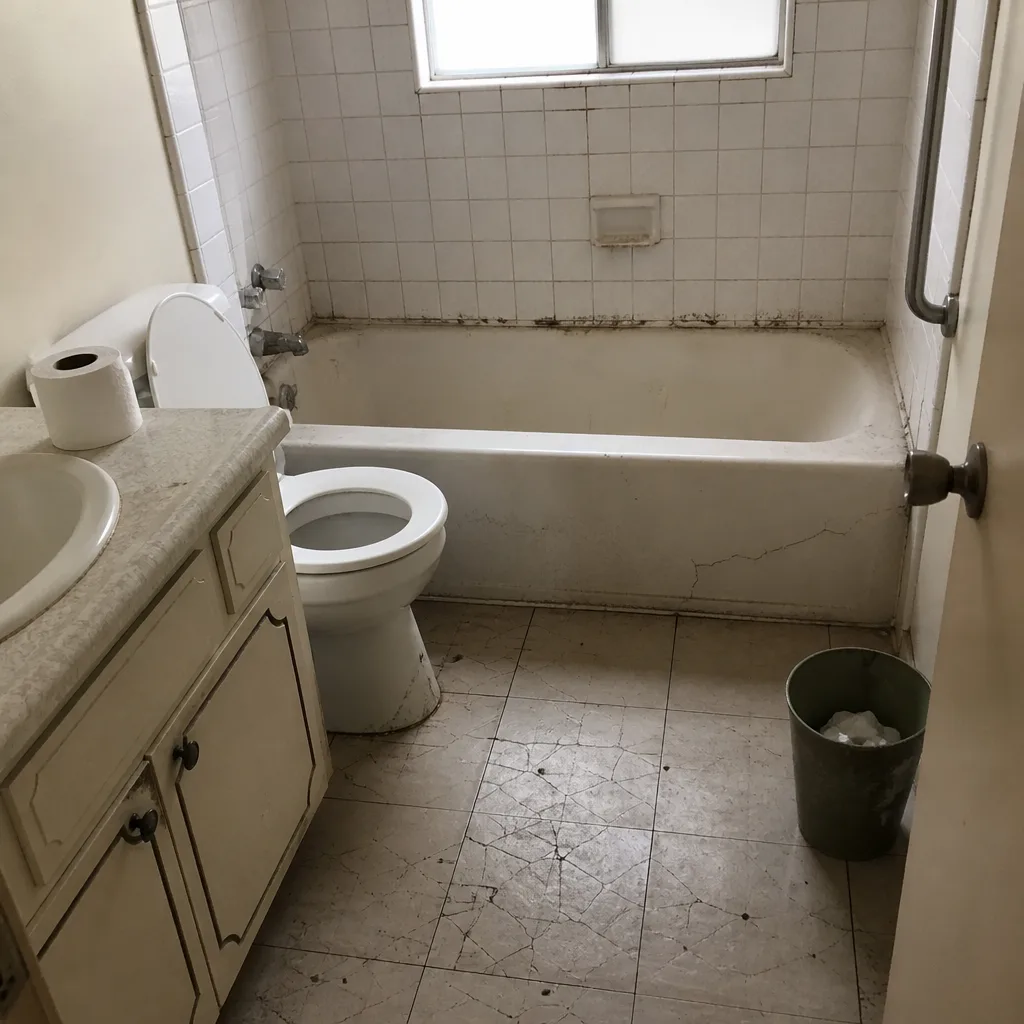 Before
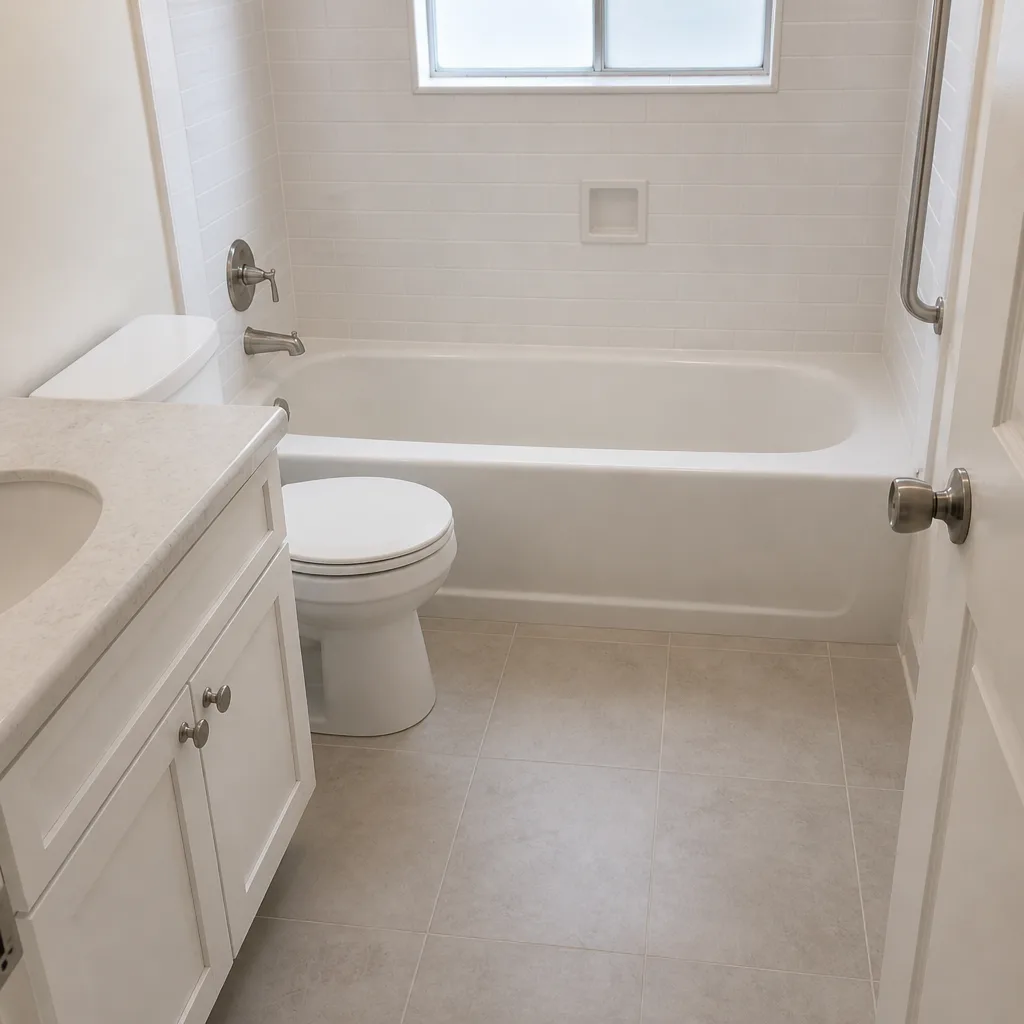 After
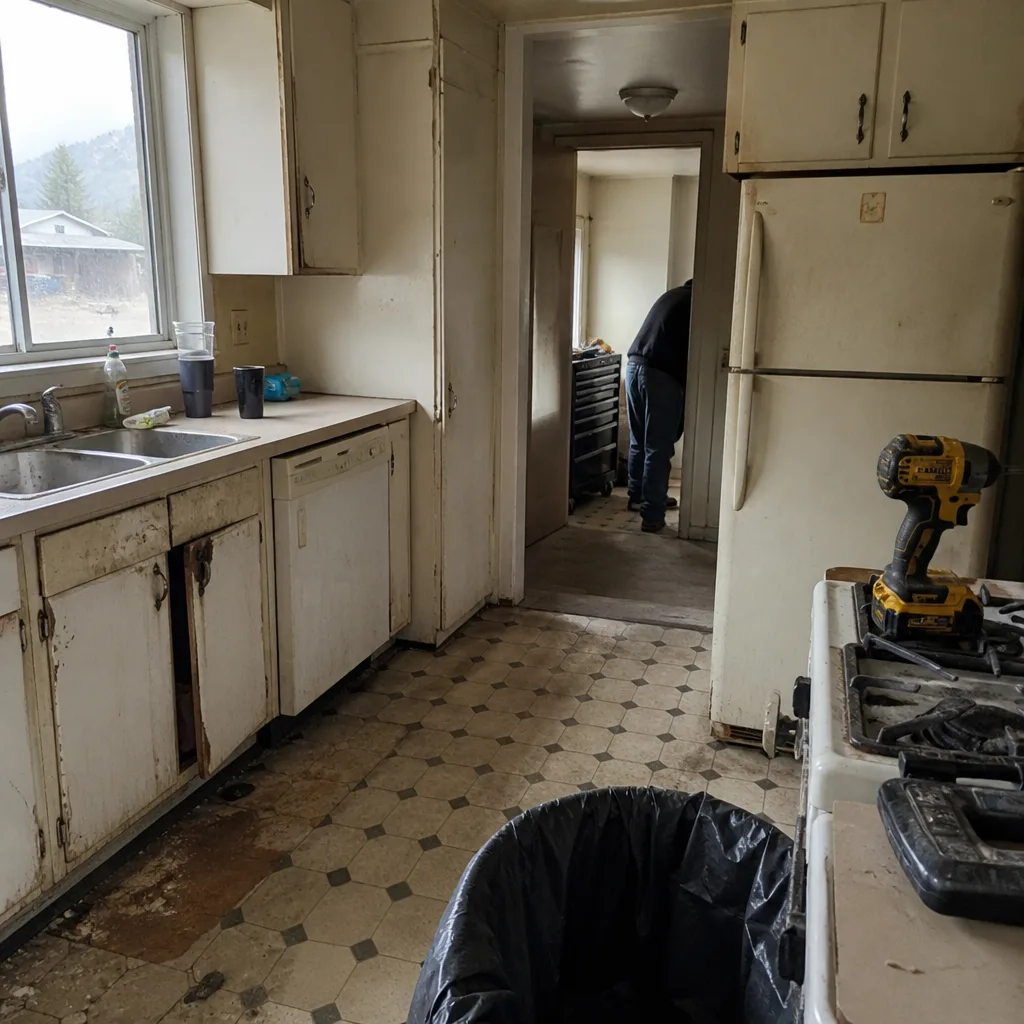 Before
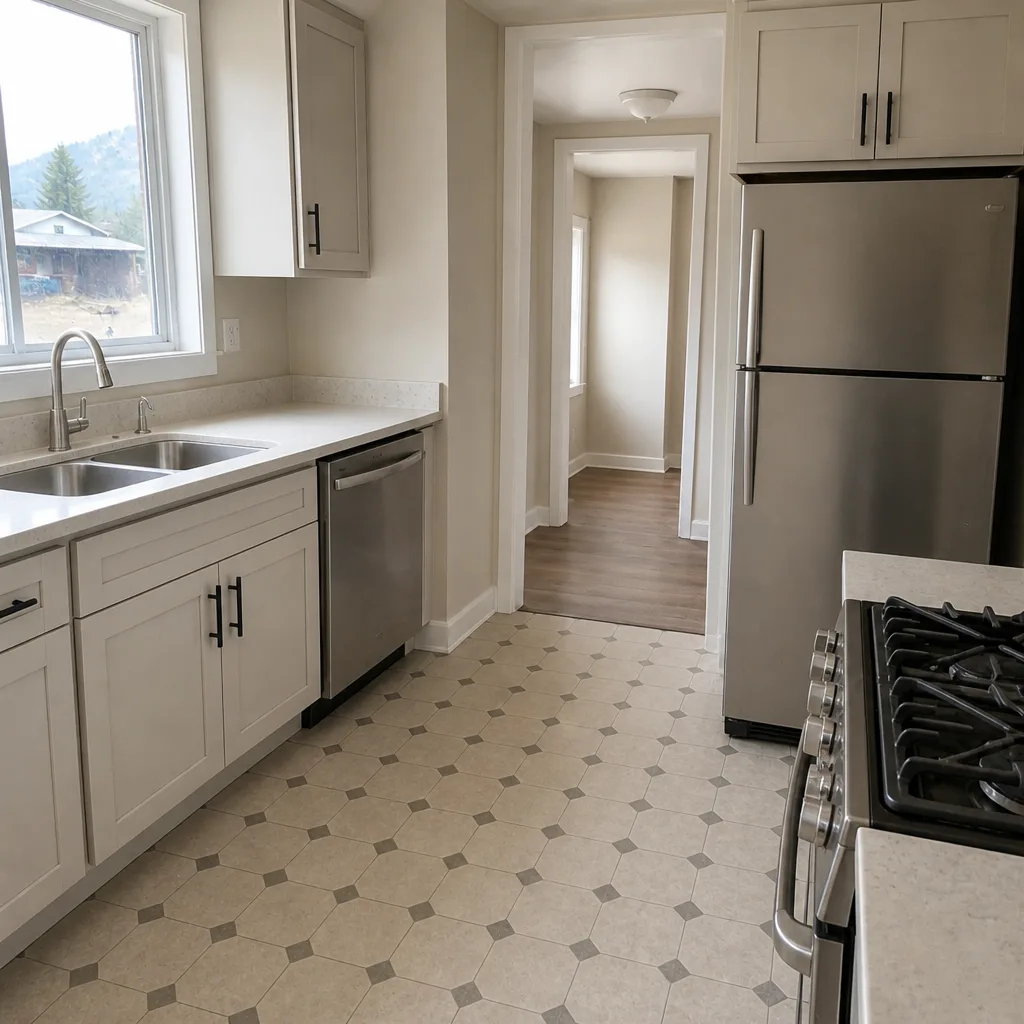 After
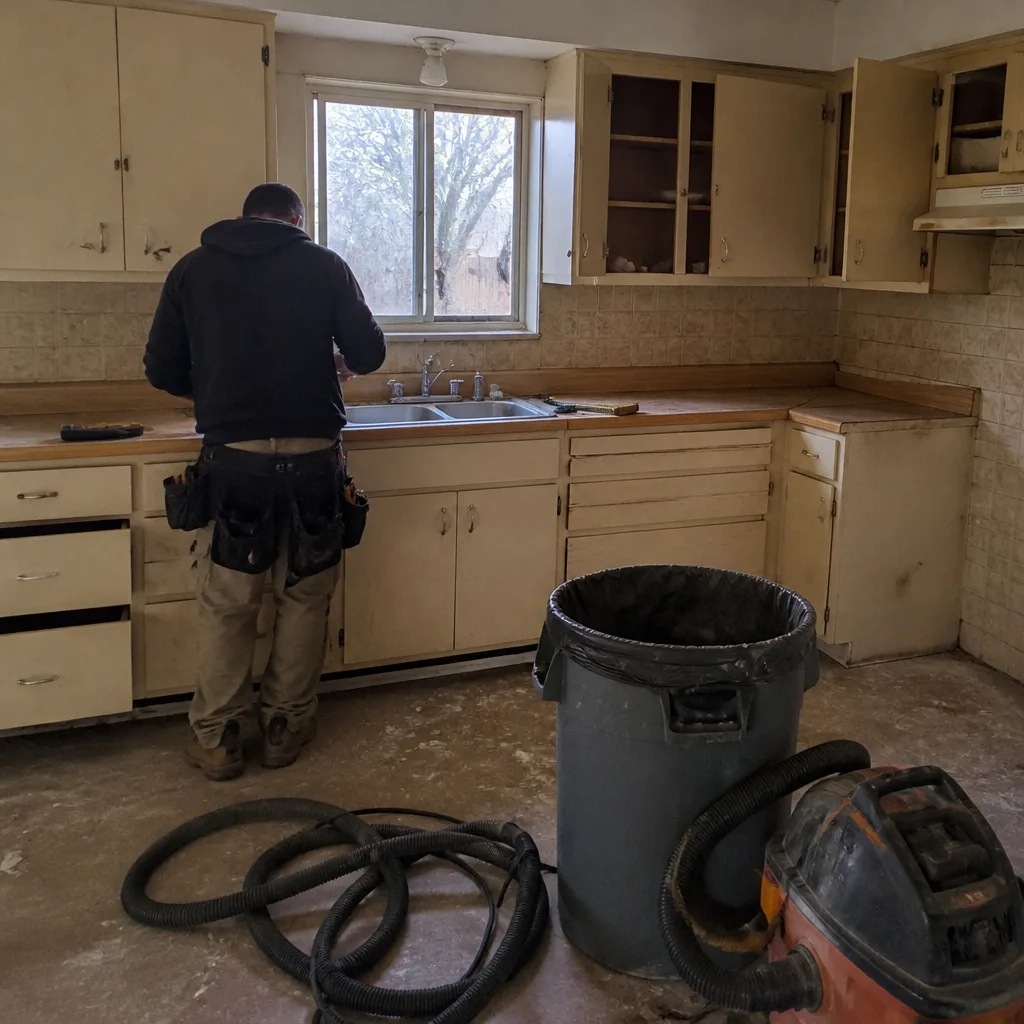 Before
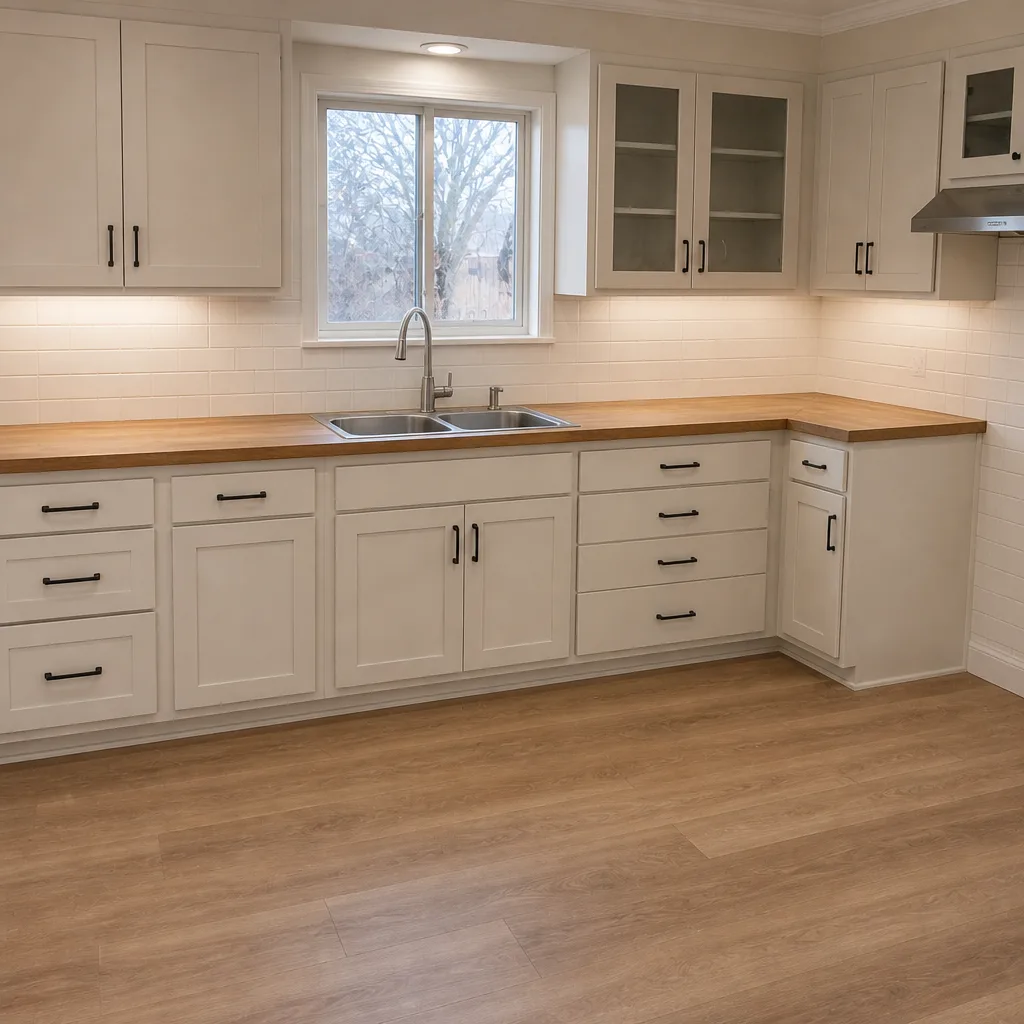 After
When to Call a Professional
Call a licensed general contractor when the work touches structure, electrical, plumbing, gas, roofing, or anything that has to pass a municipal inspection. That’s not a marketing line; it’s an insurance and safety fact. If a project scares you at all, that’s the moment to bring in a professional and not the moment to test a handyman’s reach. It’s also the moment to slow down and verify. Mason Remodeling Enterprise offers free estimates in Enterprise, and every estimate comes as a written price delivered before any work starts. If you’ve already had an experience that felt wrong, call us for a second opinion on the scope and we’ll walk the numbers with you. Call (844) 797-6157 to schedule a free estimate. Our technicians have up to 22 years of experience, and our crews are introduced to you by name and photo before they arrive.
If you’re planning a multi-phase project, start with the kitchen remodeling in Enterprise and bathroom remodeling in Enterprise pages so the scopes are clear before you sit down with anyone. The tighter the scope, the easier it is to spot a bad bid.
Frequently Asked Questions

The biggest single warning sign is a demand for a large upfront deposit beyond a small mobilization amount and specific material pre-orders. In Nevada, deposit rules cap what a contractor can collect at signing, so a request that skips straight to 30% or 40% is telling you about their cash flow. Pair that with a contract containing open-ended price language, and don’t sign. Call us at (844) 797-6157 if you want a second set of eyes on the paperwork before you commit; estimates are free.
Use the Nevada State Contractors Board license search on the state website and type in the license number printed on the contractor’s card or contract. Confirm the license is active, classified for the work you’re hiring (residential remodeling is a specific classification), and matches the legal entity on the contract. Ask for the certificate of insurance directly from the insurance agent, not a printed copy. If the license is suspended or the entity doesn’t match, you have your answer. Call (844) 797-6157 for an exact quote on a verified project, and we’ll show you the license firsthand.
The Nevada cap on residential deposits is a small percentage of the total job, roughly 10%, with exceptions for direct material pre-orders for long-lead items. Anything past that needs a written explanation identifying exactly what material or phase the money is going toward, along with documentation of the payment to the supplier. If a contractor can’t say where your deposit goes, walk away. Call (844) 797-6157 to compare a written price with a verified payment schedule; estimates are free.
A typical hall bathroom runs three to five weeks; a mid-size kitchen runs six to ten weeks depending on cabinet lead times and inspection scheduling. The number that matters isn’t the range, it’s whether your contract names a start date and a substantial-completion date and says what happens when the date slips. If a contractor gives you a range but won’t commit to a date, ask why before signing. Call (844) 797-6157 for a written schedule matched to a written price.
No, the person performing the work should pull the permit. Shifting the permit to you creates a mismatch between the permit holder and the licensed professional, which can cause inspection problems, insurance gaps, and warranty issues down the line. If a contractor asks you to pull the permit, ask why in writing. Call (844) 797-6157 for a free estimate that includes the permit process in the scope.
Send a written notice by email within 24 hours of the second missed communication, and request a written schedule update within a short window. Document the dates and missed days carefully. If the response is vague or nothing comes back, file a complaint with the Nevada State Contractors Board and explore a bond claim. Our 365-Day Done Right Promise and a live person on the phone exist because we’ve seen how many jobs go sideways at exactly this point. Call (844) 797-6157 and we’ll walk you through a second-opinion estimate; there’s no charge.
The Bottom Line
The warning signs of a bad general contractor are learnable, and you don’t have to get burned first to see them. Read the contract for open-ended price and timeline language. Refuse any deposit over the state cap unless it’s a documented material pre-order. Verify the license, bond, and insurance on the Nevada State Contractors Board site in under ten minutes. Ask the GC to name every crew member by name and photo before they arrive. Collect lien waivers and written change orders on every phase. Watch the communication in week one, two, and three; act in week three, not week eight. For any remodel in Enterprise, get a Mason Remodeling Enterprise written price first, and hold every contractor to the same standard.
Ready to start with a written price and a crew you’ve already met by name and photo? Call (844) 797-6157 to schedule your free estimate. A live person answers, every day of the year, and Mason Remodeling Enterprise stands behind every project with the 365-Day Done Right Promise: if something isn’t right within a year of completion, we make it right at no cost to you.
Written by the team at Mason Remodeling Enterprise.