Last updated November 17, 2026






Free written scope consultation - allowances, timeline, and change-order rules on paper before a single trade is scheduled
Home Remodeling Warning Signs Every Homeowner Should Know
Here’s the pattern we’ve watched play out more times than we can count: the contractor who pushes hardest to skip the written estimate turns out to be the same one who hands over a surprise bill at completion. By then the cabinets are hung and the tile is set, and your leverage is gone. The warning signs were there in the first conversation – you just weren’t looking for them. This guide teaches you to read contractor behavior, not just credentials, before money changes hands. We’re Mason Remodeling Enterprise, and we’ve sat across the table from enough homeowners mid-disaster to know the red flags always show up early.
Quick Answer
The biggest home remodeling warning signs are a contractor who resists putting a price in writing, a bid that lands far below every other quote, a crew whose faces change every week, and vague answers about permits and insurance. A legitimate remodeler gives you a written price, a clear timeline, verifiable documents, and consistent people before any work starts. If any of those are missing, walk away – no matter how good the sales pitch sounds.
Styles & brands we work with
- Kitchen remodeling
- Bathroom remodeling
- Home additions & ADU
- Roofing
- Windows & doors
- Driveway & pavers
- Fence
Table of Contents
- The Exact Phrases to Listen for During the Bid Conversation
- Why a Bid 20% Under Everyone Else Is a Warning, Not a Win
- The Five Documents You Should See Before Demo Day
- How to Spot Subcontractor Churn Before It Costs You
- What “We’ll Figure It Out as We Go” Actually Costs
- Permits, Codes, and the Desert Climate Factor
- What a Trustworthy Remodeler Looks Like Instead
The Exact Phrases to Listen for During the Bid Conversation
Contractor behavior in the first meeting tells you almost everything. Pay attention to what comes out of their mouth, not what’s on their truck. These phrases sound harmless. They’re not. In our experience, each one is a preview of a problem that shows up later.
- “We don’t need a written estimate – I’ll give you a ballpark and we’ll settle up at the end.” A verbal number is not a price. It’s a starting point that grows. The moment a contractor refuses to put it in writing, you’ve lost control of the budget.
- “We can pull the permits after we get started.” Permits come first. Pulling them late means work gets torn out or inspected after the fact, and you eat the delay and the cost.
- “Don’t worry about the contract, this is a handshake kind of job.” Handshakes don’t hold up when a wall gets opened and something unexpected is behind it. Every project we take on gets a written price before a single tool is unpacked, and that protects the homeowner as much as us.
- “We’re giving you the friend price – just don’t tell anyone.” Discount urgency is a pressure tactic. It’s designed to stop you from comparing bids.
- “That’s just how it is in this business.” Said about timelines, mess, or surprise charges. It’s a way of lowering your standards before the work begins.
None of these are dealbreakers on their own. Said together, in one conversation, they’re a pattern. And patterns repeat. If you’re already deep into a project and hearing these from a crew, the general contractor in Enterprise page is a good place to understand what a properly run job should look like from day one.
Why a Bid 20% Under Everyone Else Is a Warning, Not a Win
A quote that comes in dramatically below the others isn’t a bargain. It’s a bid that’s missing something – and the missing piece is almost always cost you’ll pay later. Here’s how to do the math instead of trusting your gut.
Get at least three written bids for the same scope. If two land at, say, $48,000 and $52,000 and one lands at $38,000, that gap isn’t savings. It’s roughly $12,000 of work that isn’t in the number. Common places it hides:
- Excluded materials (labor-only bids that leave you sourcing and paying for cabinetry, tile, and fixtures separately)
- No permit fees, no dumpster, no cleanup
- Subcontractor labor treated as your problem to coordinate
- Change orders waiting to be triggered the moment drywall comes down
A fair bid is transparent about what’s included and what’s excluded. Ask every contractor to list exclusions in writing. The one who can’t, or who dodges the question, is showing you exactly how the final invoice will read. Specifying real products – a Cambria quartz countertop by name, for instance, instead of “quartz” – forces the bid to carry a real material cost, which closes the gap between the low bid and reality. For a room-by-room look at what a fair range should be, our kitchen remodeling in Enterprise guide breaks down real line items.
The Five Documents You Should See Before Demo Day
Every legitimate contractor produces a paper trail before work begins. If any of these are missing or “coming later,” stop. Here’s the checklist we think every homeowner should hold in hand.
- A written, line-item price. Materials, labor, permits, and contingency broken out. Not a single lump sum on a napkin.
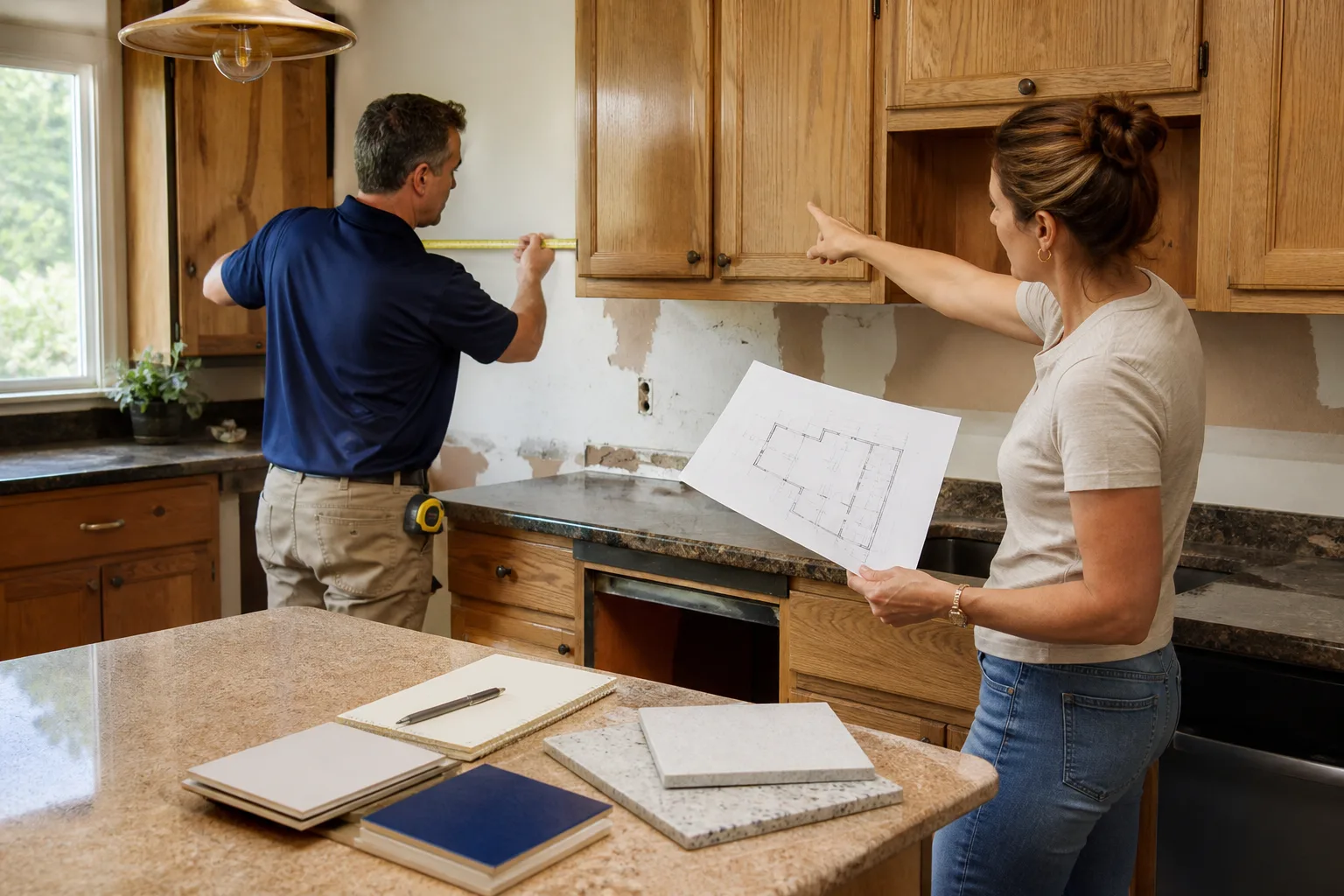
- A detailed scope of work. Exactly what gets built, what stays, and what’s excluded. This is the document that prevents “we never agreed to that.”
- Proof of insurance and bonding. Ask to see the certificate. An uninsured worker injured on your property can create a liability problem that follows you, not them.
- The permit record. The permit number and the inspection schedule, in writing, before demolition. In Enterprise, unpermitted work can complicate a future sale.
- A written warranty with stated terms. What’s covered, what’s excluded, and for how long. “Backed by our guarantee” is not a term – “365 days from the completion date” is.
Ask for all five at the bid stage. A contractor who has them ready is organized. One who promises to send them “once we get going” is telling you the paperwork isn’t a habit.
How to Spot Subcontractor Churn Before It Costs You
Watch the faces. A crew that changes week to week is a quality and liability problem wearing a hard hat. When different people show up, nobody owns the details – the tile that doesn’t line up with the plumbing, the outlet that ends up buried behind a cabinet.
How to catch churn early:
- Ask, in plain language, who your point of contact will be for the whole job. If the answer is “whoever’s on site,” that’s churn.
- Notice whether the same lead person is present from the walkthrough through the final inspection.
- Ask how new crew members are vetted. You’re letting strangers into your home – you’re entitled to know how they were checked.
This is why we run every crew member through identity verification and hand the homeowner a name and photo before anyone reaches the door – we call it The Threshold Standard, and it exists precisely because churn is a risk to both quality and safety. If you’re planning a bathroom project and want to know what a consistent crew looks like, the bathroom remodeling in Enterprise page walks through it step by step.
What “We’ll Figure It Out as We Go” Actually Costs
“We’ll figure it out as we go” is the most expensive sentence in remodeling. It converts your fixed budget into an open tab, and change orders are how that tab gets paid. On a typical kitchen or bath, the run-up from verbal add-ons can reach 15% to 25% of the original bid – and it always arrives as a surprise at the end.
Here’s how to price that risk before you sign:
- Ask for a written contingency line. A real budget has one – a set percentage – rather than an open-ended promise to “work it out.”
- Require every change to be priced in writing before the work is done, not after.
- Confirm who absorbs the cost if the wall behind the tile has old water damage. If the answer is you, budget for it now.
The pattern behind “we’ll figure it out” is a contractor who doesn’t want a scope, because a scope limits what they can charge. When the price is written and fixed before work starts, surprise invoices have nowhere to hide. That’s the standard we hold on every project – a written price, every time, never as a favor.
Permits, Codes, and the Desert Climate Factor
In Enterprise, remodeling isn’t just about aesthetics – it’s about building for a hot, dry climate where the wrong choices fail fast. A contractor who waves off permits is usually one who doesn’t know the local code and doesn’t want to learn it. That silence costs you later.
Specific things to press on in Enterprise:
- Moisture and waterproofing. Bathrooms need a properly installed waterproof membrane – not a painted-on shortcut that fails in two summers. Ask what product goes under the tile.
- Insulation and thermal performance. A poorly insulated west-facing wall turns a room into an oven. Ask what’s going in the walls, not just on them.
- Permits for structural and plumbing changes. Anything moving a wall or a drain needs a permit and an inspection. No exceptions.
The right materials matter here too – Kohler and Moen fixtures chosen for the climate and installed to spec outlast the cheapest option that fails mid-slab. A contractor who can name what’s going in and why is a contractor who respects the job. Ours carry up to 22 years of experience, and it shows in questions like these getting answered properly.
What a Trustworthy Remodeler Looks Like Instead
Spotting red flags is easier once you know the green ones. A good remodeler behaves the opposite of everything above, and the behavior is consistent from bid to inspection.
- They hand you a written price before work starts – as a standard step.
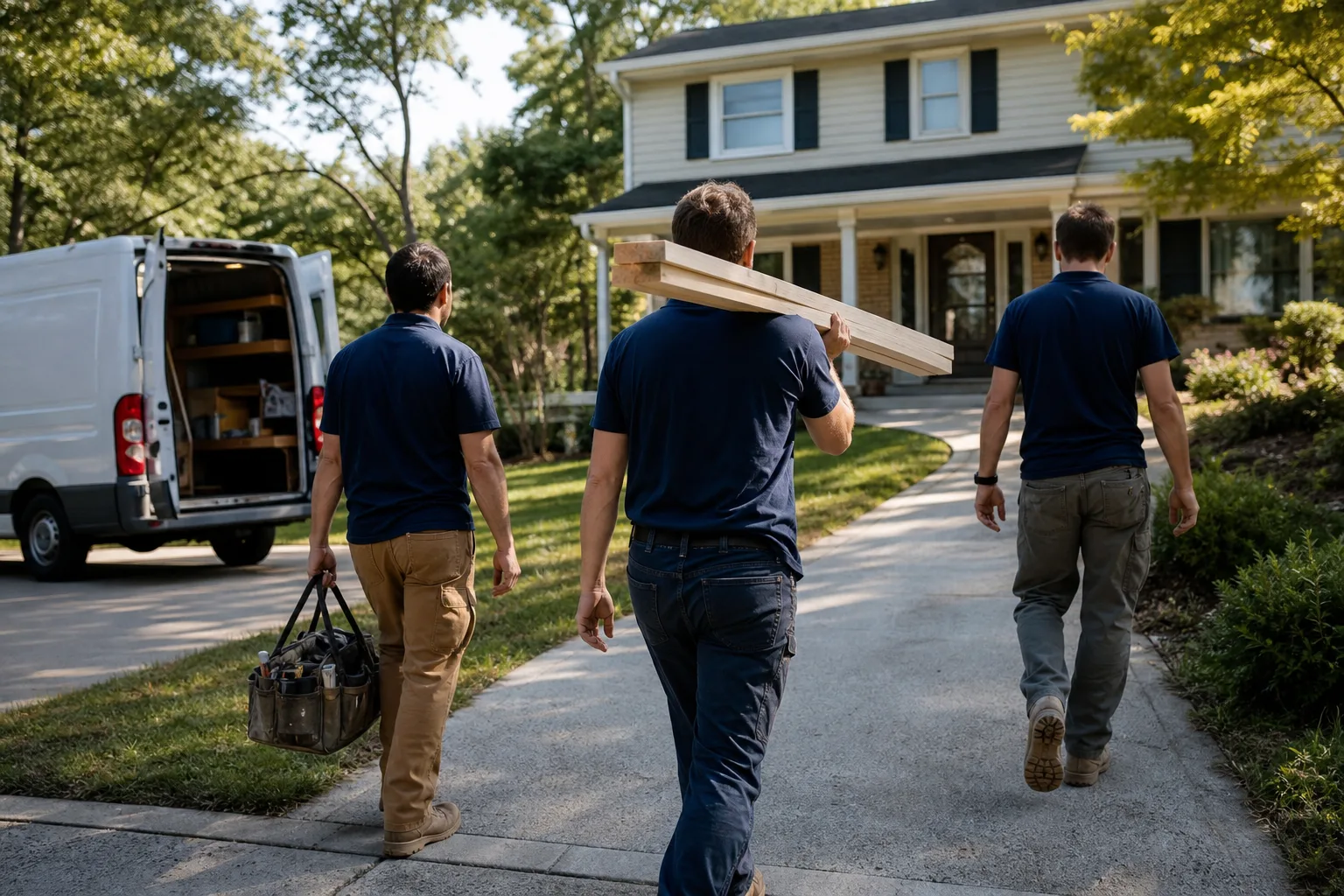
- They introduce every crew member by name and photo before arrival, with a photo ID badge at the door.
- They answer the phone and a live person picks up – not a call tree.
- They put the guarantee in writing, with stated terms and a free return visit if a repair or installation fails.
- They name the products – “Caesarstone quartz,” “Silestone,” not just “quartz.”
These aren’t perks. They’re the baseline of a crew that respects your home and your money equally. If a contractor can’t show them, that’s the warning sign.
Common Mistakes to Avoid
- Picking on price alone. The lowest bid is almost always the one with the most exclusions. Compare scope, not just the total.
- Skipping the contract to save a week. A week saved at the start often costs a month of disputes at the end.
- Assuming the crew will handle permits. Ask. In Enterprise, get the permit number in writing before demo day.
- Ignoring churn. New faces every week mean nobody owns the details – and nobody’s accountable when something goes wrong.
- Accepting verbal change orders. If it isn’t written and priced, it isn’t agreed.
- Letting a crew inside without knowing who they are. You’d want a name and photo before a stranger walks through your door – hold a contractor to that.
- Believing “we’ll figure it out.” A fixed written price is the only thing that protects you from a growing tab.
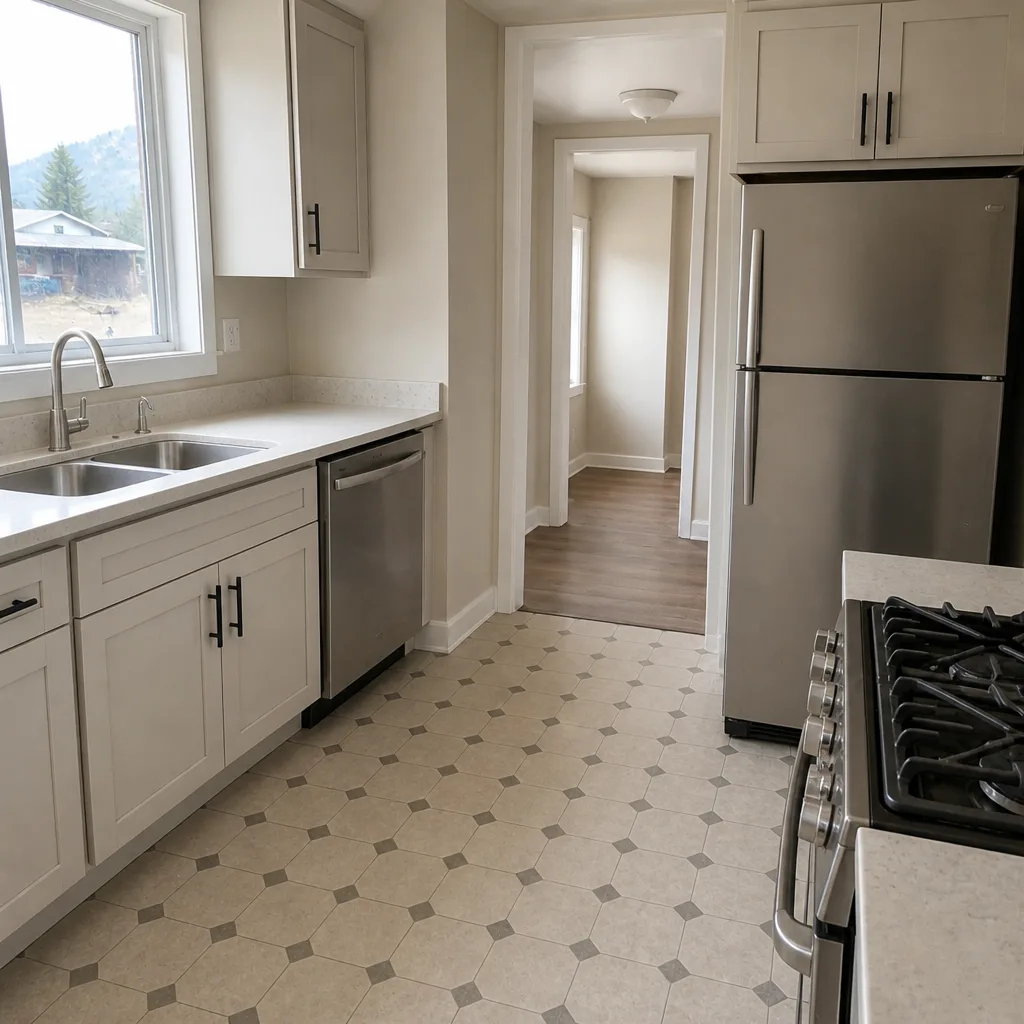
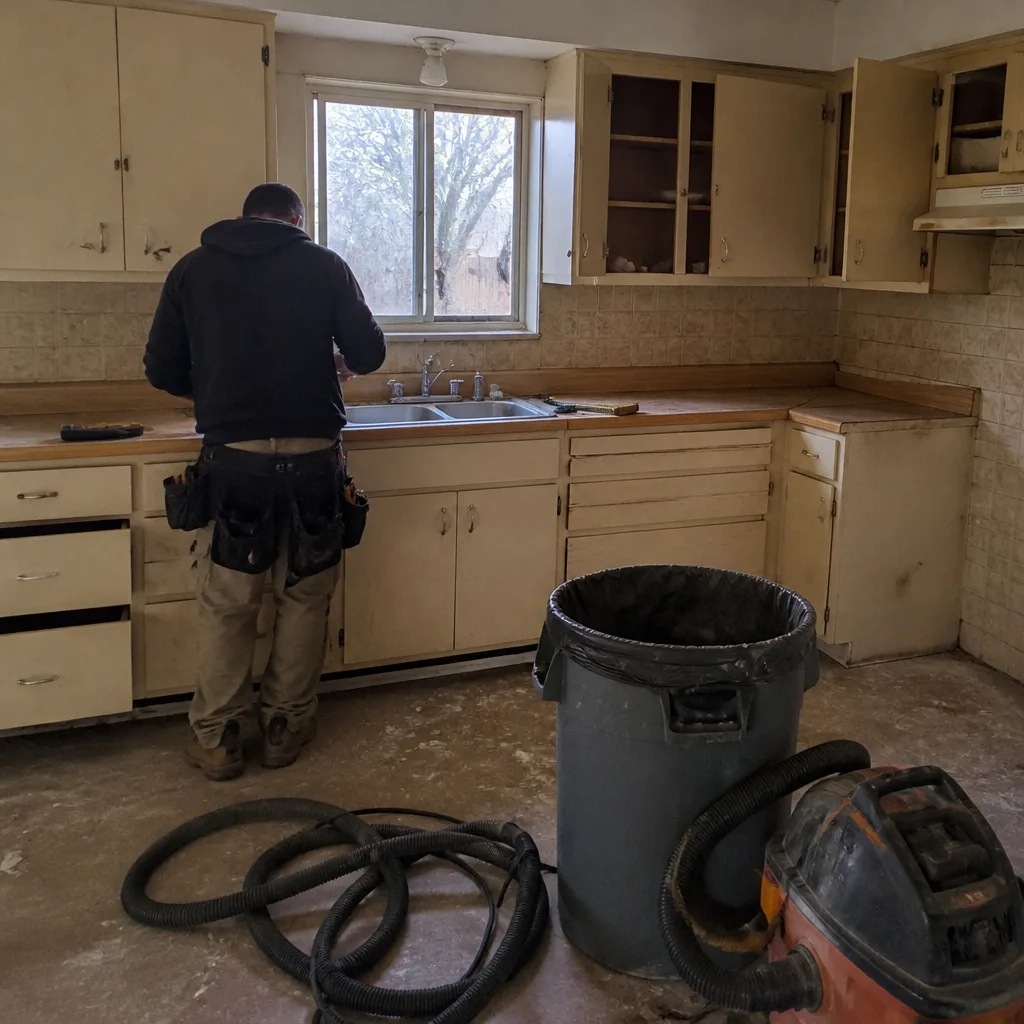
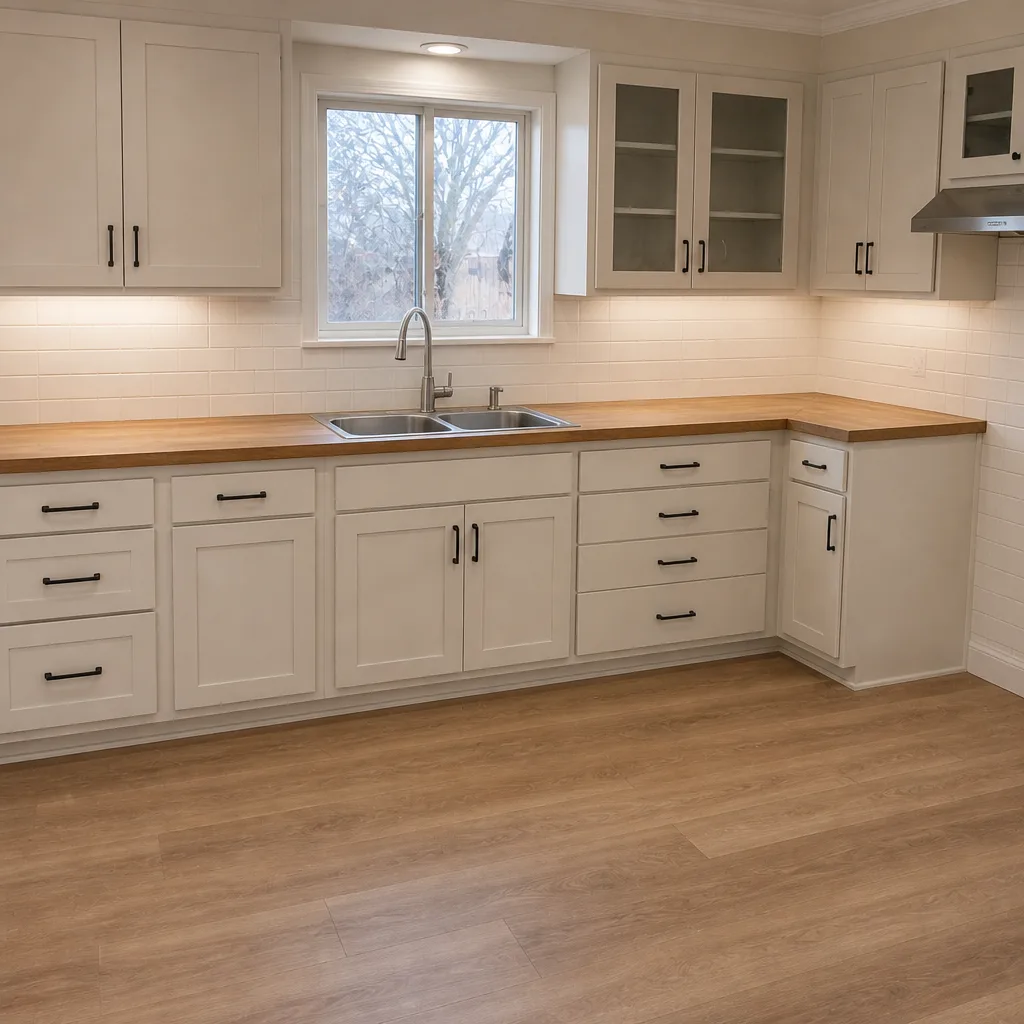
See the difference
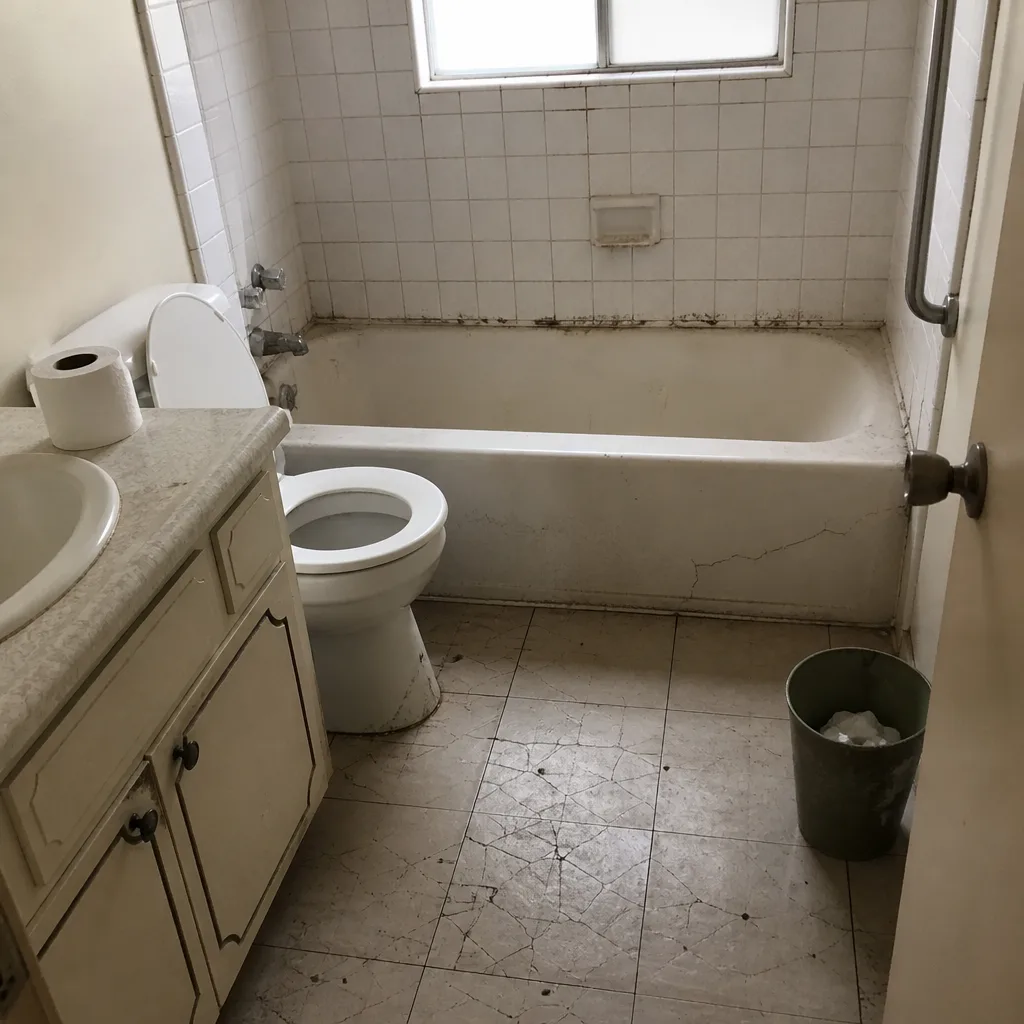 Before
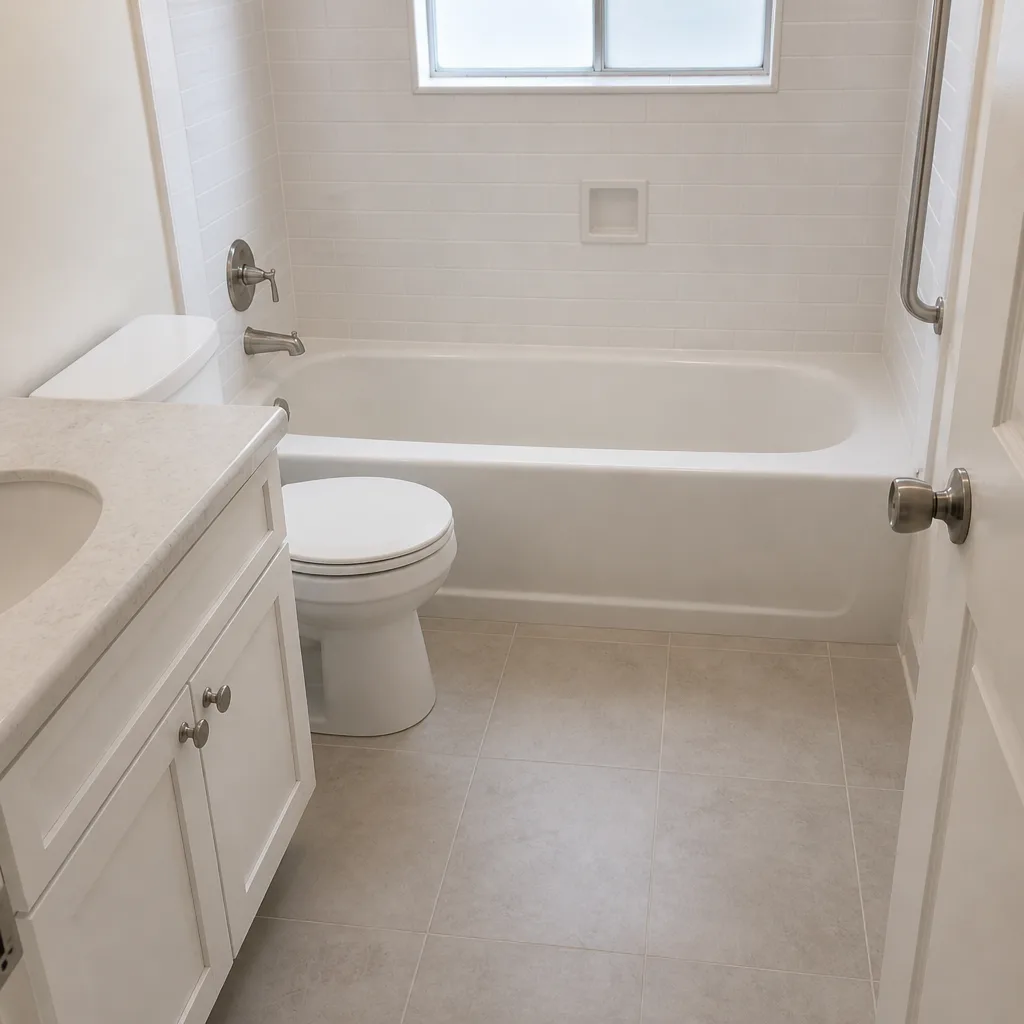 After
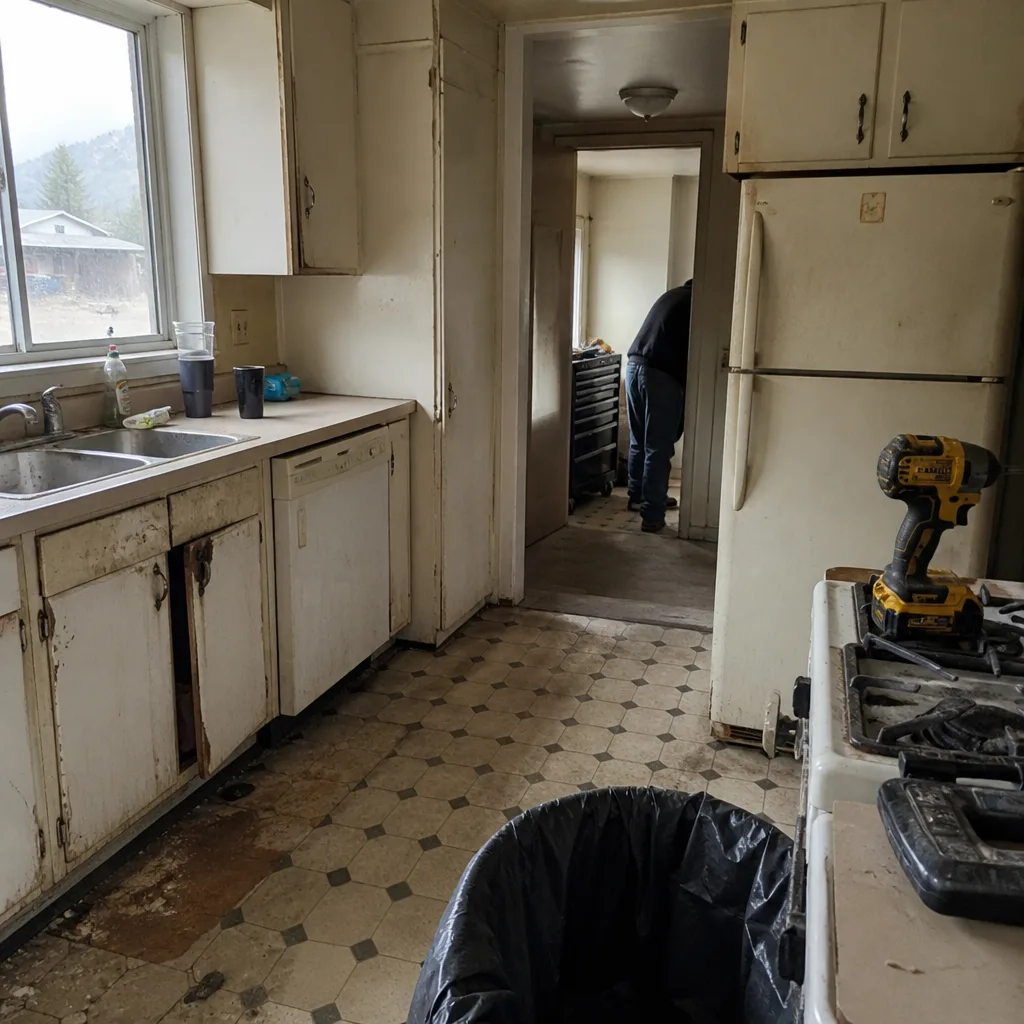 Before
 After
 Before
 After
When to Call a Professional
Call a professional if your current contractor won’t put the price in writing, if the crew has changed faces three weeks running, or if you’re mid-project and the change orders are piling up without documentation. Those are all problems that get worse, not better, if you wait. The right time to bring in a second set of eyes is before the walls close, not after. Mason Remodeling Enterprise offers free estimates in Enterprise – call (844) 797-6157 and a live person will pick up, day or night. If you’re starting fresh, our Mason Remodeling Enterprise home walks through how we run every job from first walkthrough to final inspection.
Frequently Asked Questions

No written line-item price. A contractor who resists putting the full price and scope in writing is showing you how the final invoice will grow. Ask for a written, line-item price before you sign anything – estimates are free.
Usually, yes. A gap that large means work or materials are missing from the number. Ask the low bidder to list every exclusion in writing; if they can’t, that’s your answer. Call (844) 797-6157 for an exact, line-item comparison.
Yes, for anything involving plumbing, electrical, or structural changes. Unpermitted work can surface as a problem during a future sale or inspection. A legitimate contractor pulls the permit first and shows you the number.
A changing crew means inconsistent oversight and unclear accountability. Details get missed, and nobody owns the final result. We address it by verifying every crew member by name and photo before they reach your door.
With a written, fixed price and a defined contingency, no surprises. The price only changes if you approve a written change order first. Call (844) 797-6157 for an exact quote – estimates are free.
It should state what’s covered, what’s excluded, and exactly how long coverage lasts – for example, “365 days from the completion date.” Vague reassurance isn’t a guarantee. Ask for the finish date and the coverage terms in writing.
The Bottom Line
Remodeling warning signs are almost always visible before the contract is signed, not after the first disaster. The contractor who resists a written price, undercuts every other bid, changes crews weekly, and answers “we’ll figure it out” is the same one who hands you a surprise invoice at the end. Read behavior, not credentials. Insist on a written line-item price, verifiable documents, consistent named crew, and a guarantee with stated terms. If any of those are missing, walk away. When you’re ready to start a project the right way – with a free estimate and a written price before work begins – call Mason Remodeling Enterprise at (844) 797-6157. A live person answers every call, every day.
Written by the team at Mason Remodeling Enterprise.