Last updated November 17, 2026







Free written scope consultation - allowances, timeline, and change-order rules on paper before a single trade is scheduled
DIY vs Professional Bathroom Remodeling: What’s Safe to Do Yourself
Painting a bathroom yourself saves money with zero risk. Moving a drain two feet without a permit can cost you a buyer at closing. That’s the actual stakes of this decision, and it has very little to do with whether you’re handy. It’s about which tasks carry hidden liability and permit consequences when they’re done without a license. This guide draws the line for Enterprise homeowners: what’s legally yours to do, what Nevada code says belongs to a licensed trade, and how to run a hybrid project that saves real money without creating a problem you’ll answer for years later.
Quick Answer
Cosmetic work – paint, caulk, grout, hardware, vanity swapping, mirror and accessory installation – is generally safe and often legal to DIY in Clark County. Anything that touches the building’s plumbing, electrical, or structural framing, or that requires a permit, belongs to a licensed trade. The dividing line isn’t skill; it’s permits and liability. If a task needs an inspection, self-performing it means you own the risk at resale and at claim time.
Styles & brands we work with
- Kitchen remodeling
- Bathroom remodeling
- Home additions & ADU
- Roofing
- Windows & doors
- Driveway & pavers
- Fence
Table of Contents
- Where the Legal Line Actually Sits in Enterprise
- Task-by-Task: DIY, Licensed, or Possible But Unwise
- The Permit Trigger Points in Nevada Bathroom Work
- How Unpermitted Work Affects Insurance and Resale
- Hybrid Projects: How to Split the Work and Save
- Three Questions to Ask Before You Self-Perform Any Trade
- Common Mistakes to Avoid
- When to Call a Professional
Where the Legal Line Actually Sits in Enterprise
Most homeowners think the DIY question is about capability. It’s mostly about liability. Nevada’s contractor licensing rules mean that work requiring a permit needs a licensed contractor to pull it – and in Clark County, that’s where the real cost of a mistake hides. A bathroom that looks perfect but has an unpermitted drain move can stop a sale cold months or years after the work was done.
Here’s the practical framing we use with homeowners in Enterprise: the trades divide into three buckets, not two.
- Cosmetic – paint, caulk, grout refresh, towel bars, mirrors, shelving, swapping a vanity top where the plumbing connections don’t move, changing a showerhead. No permit, no inspection, minimal liability.
- Licensed trade – anything that alters supply or drain lines, adds or relocates an outlet or circuit near water, or moves walls or framing. These need permits and licensed trades.
- Possible but inadvisable – a category most guides skip. You can physically demolish a tub surround, install a tile floor, or re-set a toilet. Nothing legally stops you. But the failure modes are expensive, slow to show up, and often invisible until a neighbor’s ceiling stains.
Climate plays a role in Enterprise specifically. Dry desert air and hard water work tile and grout harder than they’d work in a humid climate – we see grout cracking and caulk failure sooner than homeowners expect, and a DIY waterproofing shortcut that would last five years in a wet climate can fail in three here. That’s part of why the tile layer belongs to a professional, even when the demo in front of it doesn’t.
If you want the full picture of what a properly permitted remodel looks like end to end, our Bathroom Remodeling in Enterprise page walks through the process.
Task-by-Task: DIY, Licensed, or Possible But Unwise
Here’s the reference table we hand to homeowners at the start of a project. Treat it as a starting point, not a legal opinion – Clark County code and your HOA may place further limits, and they occasionally do.
| Task | Legal status (Clark County) | Practical recommendation |
|---|---|---|
| Painting walls, trim, ceiling | DIY permitted | Do it. Highest savings, lowest risk. |
| Re-caulking tub and shower seams | DIY permitted | Do it annually. Cheap and important. |
| Swapping light fixtures (same location) | Typically DIY, no permit | Fine if you’re confident with the breaker off. |
| Replacing a vanity top with no plumbing move | DIY permitted | Possible. Easy to get the drain connection wrong. |
| Installing a new floor over existing subfloor | DIY permitted (check HOA) | Possible. Subfloor moisture and level are the traps. |
| Demolishing tile, tub, and vanity | DIY permitted | Great hybrid task. Protect adjacent rooms first. |
| Moving a drain or supply line | Licensed plumber, permit required | Do not self-perform. This is the liability line. |
| Adding or relocating an outlet | Licensed electrician, permit required | Do not self-perform. Insurance will find it. |
| Moving a wall, widening a doorway | Licensed contractor, permit + inspection | Never self-perform. May be load-bearing. |
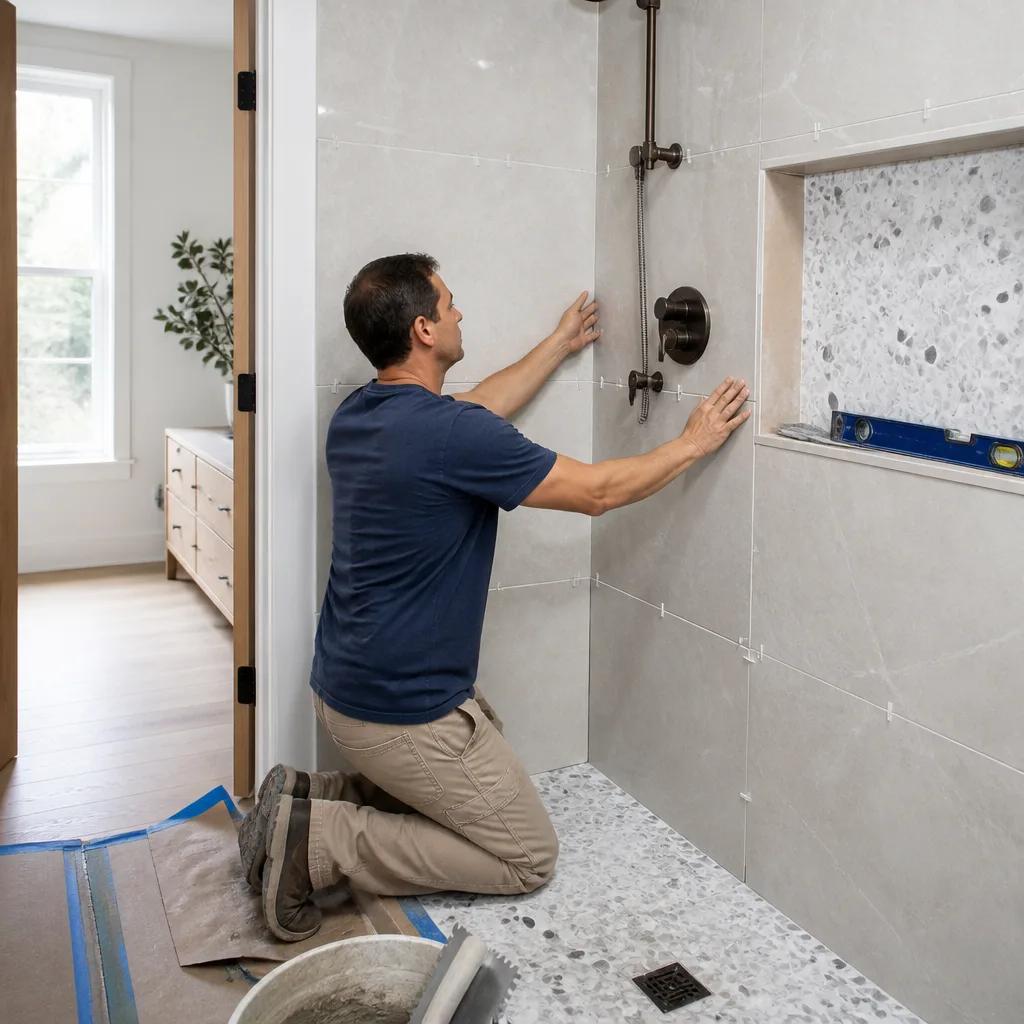
| Waterproofing a shower and setting tile | No statutory bar, but inadvisable | Hire it. Failure is hidden until it’s expensive. |
| Replacing a shower valve | Licensed plumber, permit | Do not self-perform. Water damage risk. |
Two rows cause the most disputes in Enterprise. The shower waterproofing row, because homeowners reasonably assume tile-setting is “just finishing work,” and the drain-move row, because a drain two feet from where it started looks trivial and isn’t. If you remember one thing: the tile layer looks cosmetic and isn’t; the drain looks structural and is.
The Permit Trigger Points in Nevada Bathroom Work
Permits are the part of this decision homeowners get wrong most often – not out of dishonesty, but because no one told them where the line is. Here’s the practical rule: cosmetic work is not permitted work; anything that moves, adds, or alters a system is.
The specific trigger points in a Nevada bathroom:
- Any change to the plumbing rough-in – moving a drain, relocating a toilet, adding a sink, or changing a shower valve. This requires a plumbing permit and an inspection.
- Any electrical change beyond a straight fixture swap – new outlets, added circuits, moving a light switch, or adding a heated floor or fan. Electrical permit required.
- Any wall change – even a small one, because interior walls in some Enterprise homes are structural and you can’t tell by looking.
- Adding a shower where none existed, or converting a tub to a walk-in shower. New waterproofing, drain, and valve all come with permits.
- Enlarging or moving a window or vent, since it changes the envelope.
What doesn’t trigger a permit: paint, tile replacement (if the substrate and plumbing stay put), vanity replacement, mirror change, and appliance swaps. That’s the zone where DIY genuinely pays.
Clark County inspections also have a local rhythm worth knowing. Enterprise sits in the county’s unincorporated area, and review timelines for a basic bathroom permit run longer than for a straight replacement. If you’re waiting on a permit, the clock starts when the application is complete, which is why a contractor who pulls it on day one has a real, measurable advantage over one who starts demo first. If you want to see how we sequence this on a project, our General Contractor in Enterprise page covers permits and inspections in more detail.
How Unpermitted Work Affects Insurance and Resale
This is the section most DIY guides ignore, and it’s the most expensive one.
When you file a homeowner’s claim for a failed shower or a burst supply line, the adjuster asks one question first: was the work permitted? If the answer is no, the claim can be denied outright – not because the adjuster is unfair, but because the policy typically excludes work not done in accordance with code. This is a real, common outcome. We’ve seen it happen to homeowners in Enterprise more than once.
Resale is the longer shadow. Nevada’s seller disclosure form asks whether work was done without required permits. Answering truthfully can reduce your buyer pool; answering untruthfully is worse. A buyer’s inspector will often find the missing permit on a title search or permit search, and the deal can collapse or renegotiate at the last minute – a stress point at the exact moment you thought you were done.
None of this is about fear. It’s about the fact that a bathroom’s value in Enterprise is partly in the paperwork, not just the finish. A permitted remodel is a documented improvement; an unpermitted one is a mystery a buyer has to solve.
The remedy, when DIY has already happened, is straightforward: a licensed contractor can often review the work, correct what’s necessary, and pull the permit retroactively. It’s more expensive than doing it right once, but it keeps the sale and the claim intact.
Hybrid Projects: How to Split the Work and Save
Hybrid projects are where the real savings live – not “do everything yourself or hand it all over” but “do the right half yourself.” Here’s the split that works well:
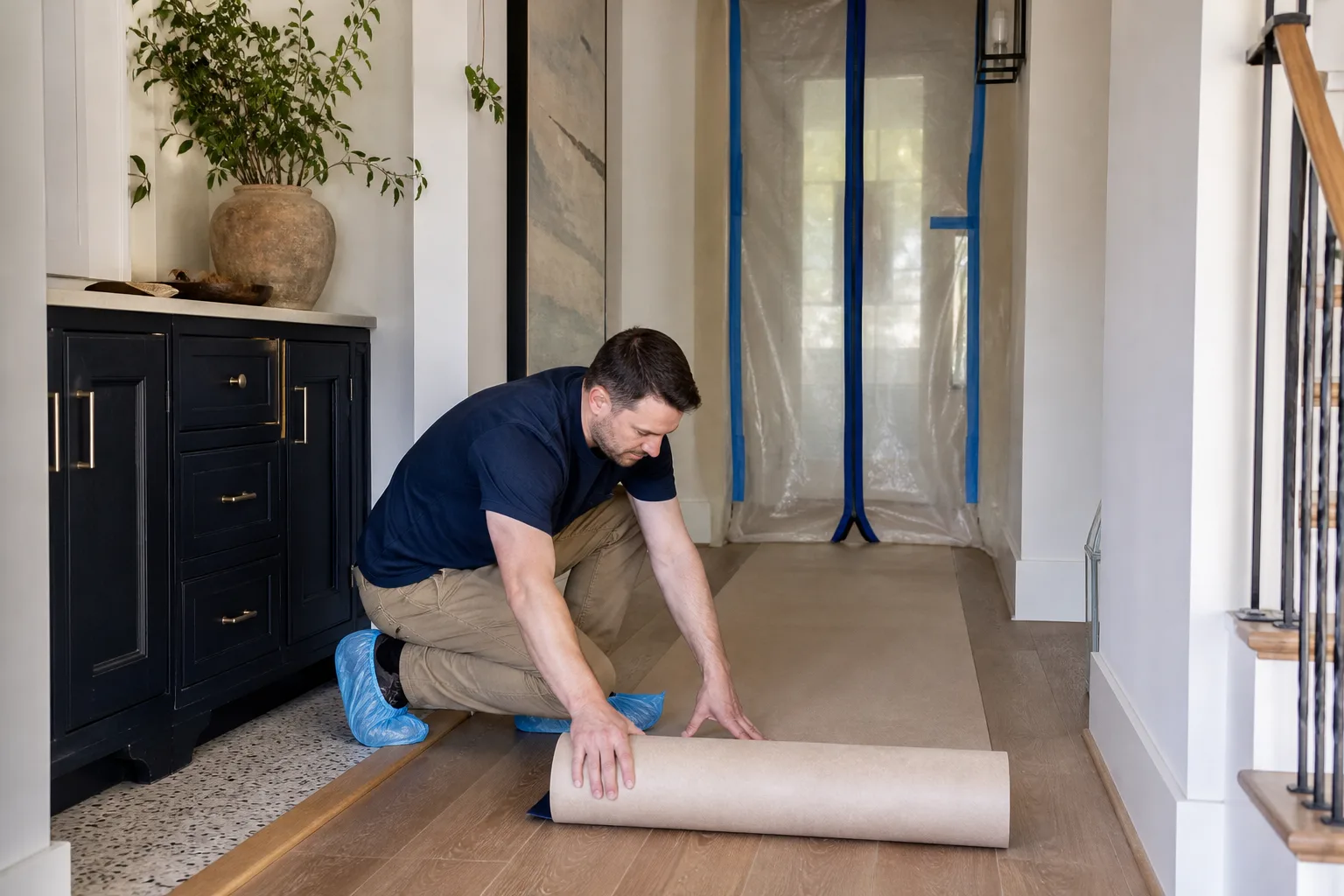
- You demo. Pulling out old tile, a tub, or a vanity is usually DIY-permissible and saves significant labor cost, as long as you protect surrounding rooms and don’t cut into plumbing or framing.
- You paint and finish. Paint is the biggest return per hour on the whole project. Same for caulk and grout refresh, if you do it right.
- You install the vanity and mirror once the plumber has set the rough-in and the electrician has wired the outlet. Timing matters: the vanity waits on the rough-in, never the other way around.
- You handle the tile removal and subfloor prep, then hand the waterproofing and tile-setting to a pro.
- You don’t touch plumbing, electrical, structural, waterproofing, or shower valve work.
This works in practice because the professional is doing the high-skill, permit-needed work and you’re doing the high-effort, low-liability work. Both sides win. Your cost drops, the permit stays clean, and the parts that fail invisibly – waterproofing, rough-in – are handled by someone who’s done hundreds of them.
For the material side, we source specification-grade product from established manufacturers: KraftMaid and Wellborn cabinetry, Cambria and Silestone surfaces, Kohler, Moen, Toto, and Grohe fixtures. Those are the same names you can buy yourself at retail, but the professional channel is vetted, and the warranty support is different.
If you’re considering a full home upgrade at the same time, our Kitchen Remodeling in Enterprise page shows how the same split works on a kitchen project.
Three Questions to Ask Before You Self-Perform Any Trade
Before you decide a task is yours, answer these three honestly. If the answer to any is “no” or “maybe,” hand it off.
- Can I walk through exactly how this fails, and how I’d catch it if it did? If the answer is “it fails and I wouldn’t know for years,” the task is not yours. Shower waterproofing fails this question almost every time.
- Can I stand behind this work in a resale inspection, in writing? If the buyer’s inspector asks for the permit and documentation and you can’t produce it, the savings evaporate. This is where the true cost lives.
- Do I have the right tool, in good condition, and the time to do the job carefully on a schedule that doesn’t rush me? Half of DIY tile failures are not about skill – they’re about rushing a project on a deadline.
If you can answer all three with confidence for a given task, do it. If not, that’s the task to hand off. This is the most honest way to decide, and it will keep you on the right side of the line in Enterprise.
One more note on safety: if the task involves the electrical panel, gas lines, or the roof of the house, stop. These are genuinely dangerous, and no cost savings justify the risk. A licensed professional is the only correct answer, every time.
Common Mistakes to Avoid
- Skipping the permit to “save time.” In Enterprise, this is the single most expensive shortcut on the list. It converts a cosmetic project into a resale problem, and it can void the insurance claim that follows.
- Self-performing waterproofing because “tile is just finishing work.” In a desert climate, the dry air hides the evidence of a bad waterproofing job for two to three years. By the time it shows, the fix is a full tear-out.
- Hiring a handyman for permitted work. If a task needs a permit, it needs a licensed trade. A handyman who offers to “do it under the table” is transferring the liability to you.
- Starting demo before the contractor has pulled the permit. You’ll be holding a half-demolished bathroom while the county reviews your application. Sequence matters.
- Choosing material on price alone. A $30 vanity faucet from a big-box shelf versus a Moen or Kohler piece is a five-year difference, not a five-dollar one. We see this bite homeowners in Enterprise regularly.
- Forgotten waterproofing on a shower bench or niche edge. These are the two most common failure points in a DIY bathroom, and both are invisible until they aren’t.
- Not documenting the work. Photos, invoices, and permits are worth real money at resale. A finished bathroom with no paper trail is worth less than one with it.
When to Call a Professional
Call a professional when the work crosses into plumbing, electrical, structural, waterproofing, or shower valve territory – or when a permit is required and you don’t want to own the paperwork. Also call when the job is bigger than one person can realistically do well, when the timeline is tight, or when you’re selling in the next few years and the documentation matters.
At Mason Remodeling Enterprise, we’ve built a process around the fact that homeowners take this decision seriously: a written price before any work starts, every crew member identity-verified through The Threshold Standard and introduced by name and photo before arrival, and a 365-Day Done Right Promise that covers the work for a full year. If something we installed fails, we return at no cost. Our technicians have up to 22 years of experience, and every project is covered by a written guarantee with clearly stated terms. We’re part of the Threshold Group family of home-service companies, and each Mason Remodeling location is independently owned and operated.
Free estimates for bathroom remodeling in Enterprise are available at (844) 797-6157. A live person answers at any hour, including weekends.
See the difference
 Before
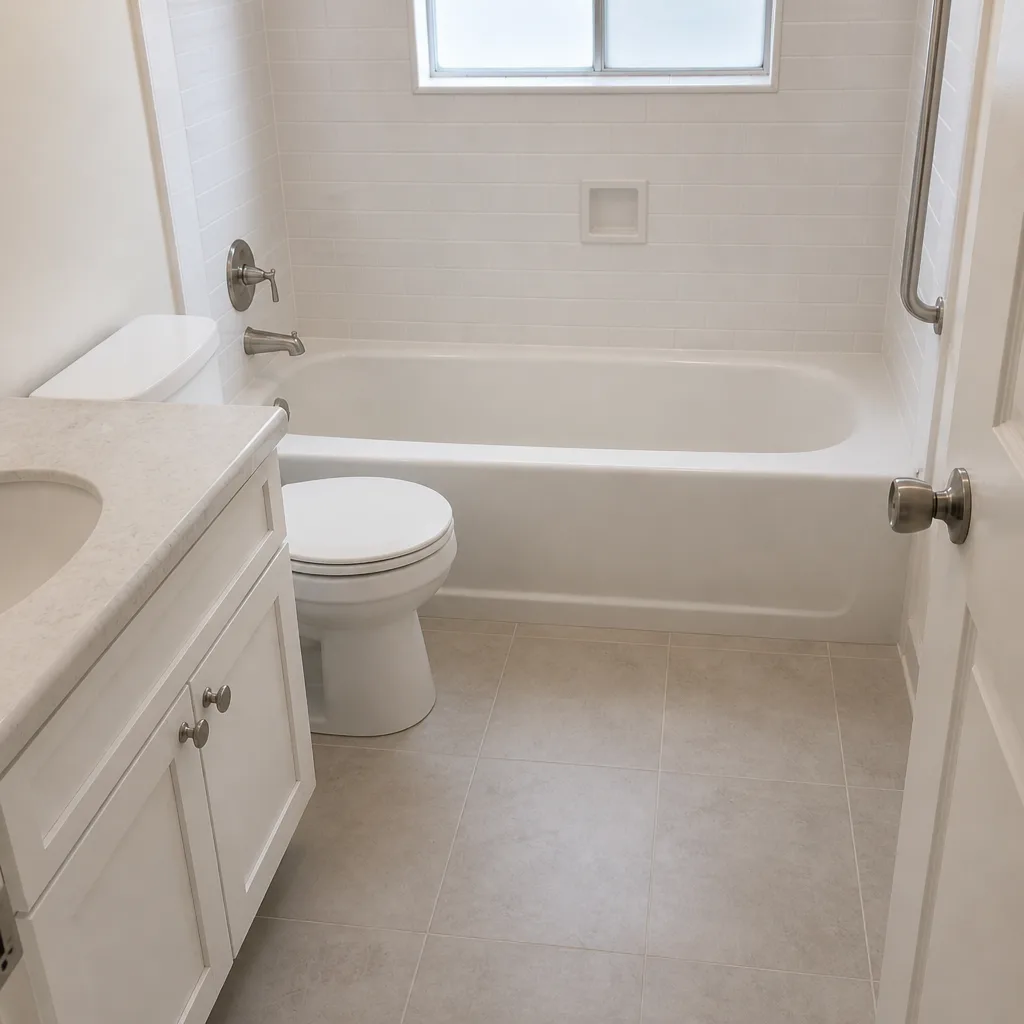 After
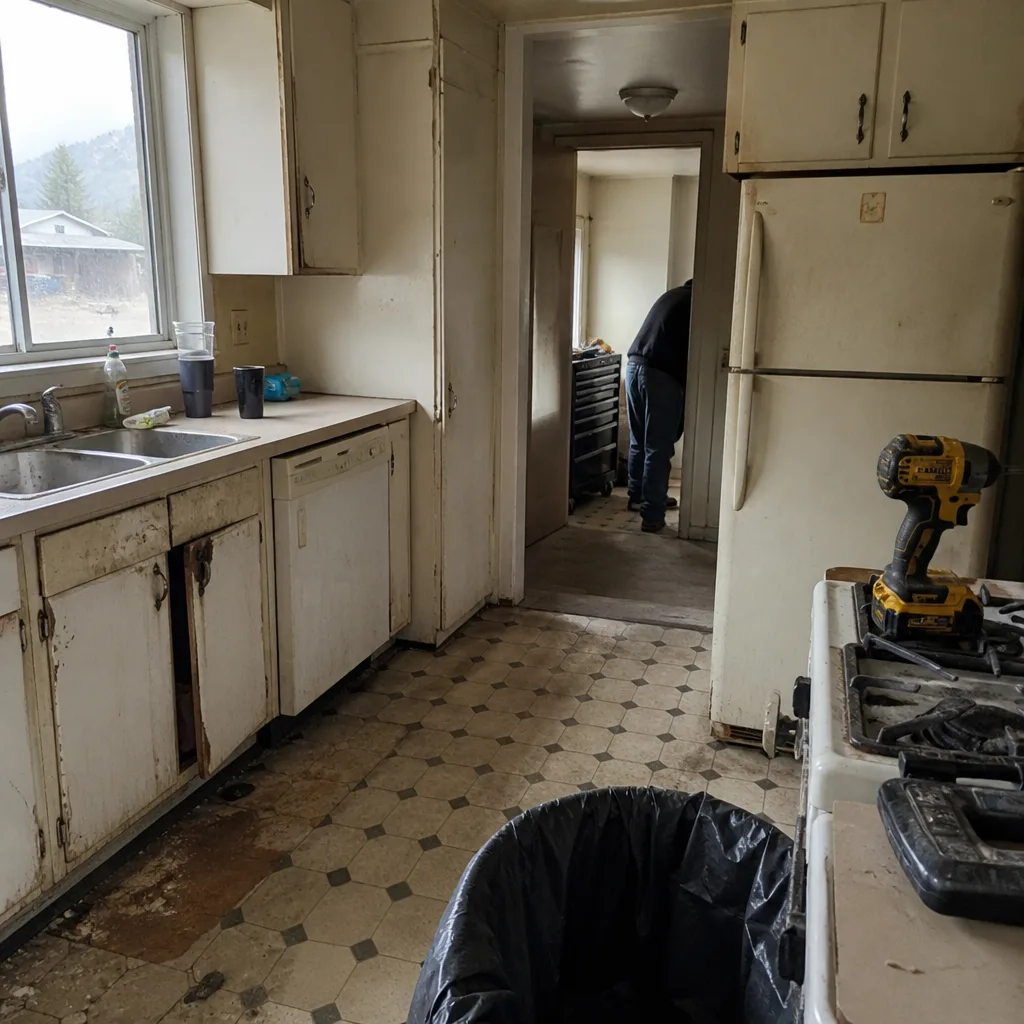 Before
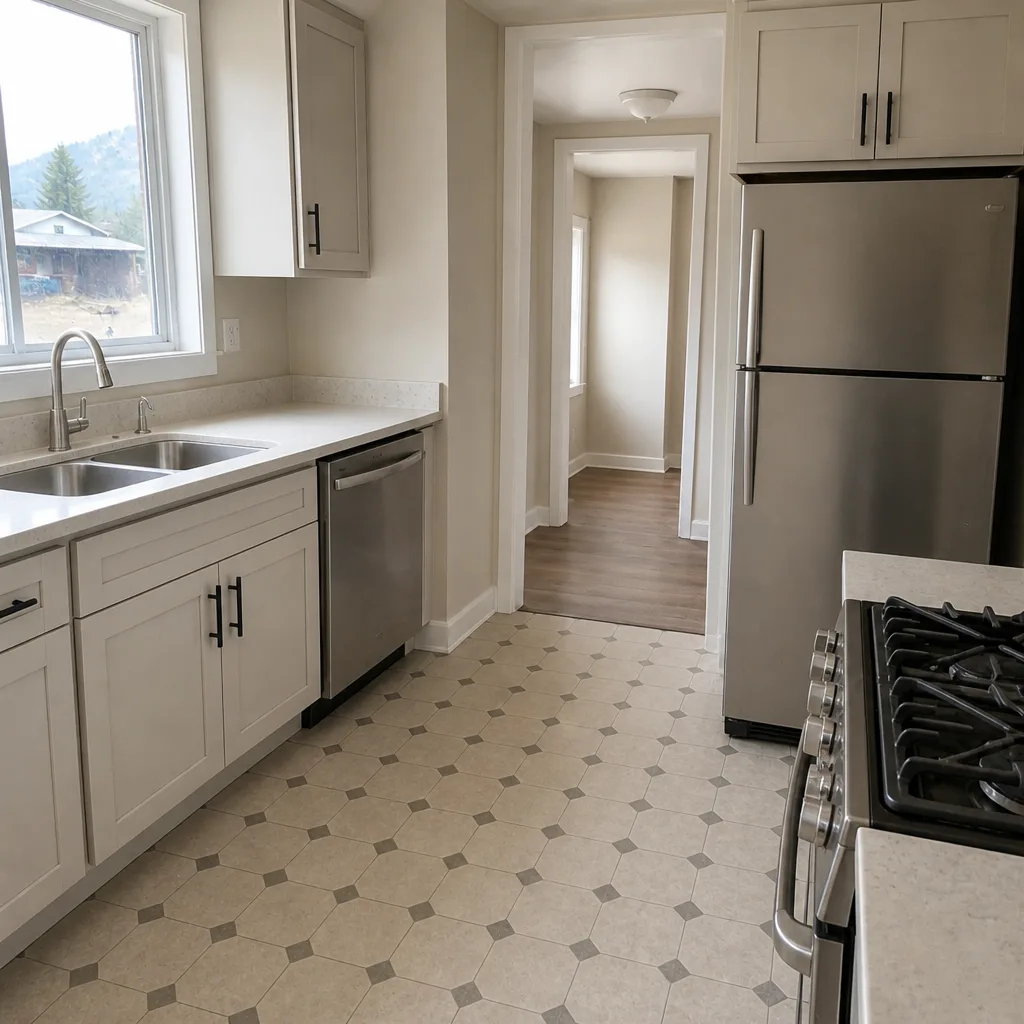 After
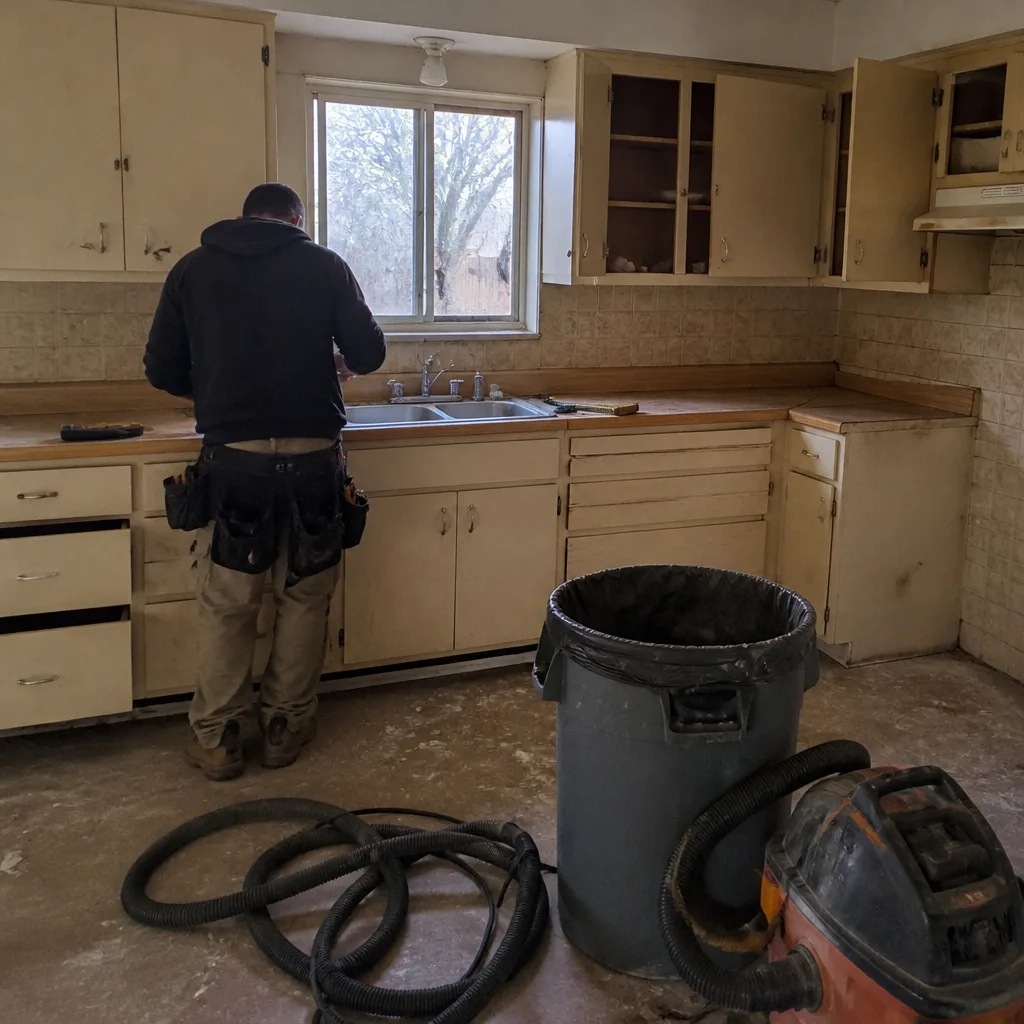 Before
 After
Frequently Asked Questions
Yes, if the work involves plumbing, electrical, structural changes, or new waterproofing for a shower. Cosmetic work like paint, tile over existing substrate, and fixture swaps typically does not require a permit. If you’re adding an outlet, moving a drain, or opening a wall, pull a permit before work starts.
Yes. Demolition of tile, tub, and vanity is typically DIY-permissible in Clark County, and it’s one of the best savings opportunities on the project. Protect surrounding rooms, cut power to the bathroom at the breaker, and don’t open walls or plumbing you don’t plan to repair. Call (844) 797-6157 if you’d like a written price for the professional half.
Nevada’s seller disclosure requires you to disclose unpermitted work, and buyers can find the missing permit through a title or permit search. The sale can be delayed or renegotiated, and insurance may refuse to cover damage from unpermitted work. A licensed contractor can often correct and pull the permit retroactively.
It frequently does. Many policies exclude damage caused by work not done to code, and adjusters ask about permits early in the claim process. This is the cost most homeowners don’t see when they decide to skip the permit.
Homeowners who complete demo, paint, and finish work on their own and hire out plumbing, electrical, and tile can save a meaningful portion of total project cost. The exact figure depends on bathroom size and the finish materials chosen; a written line-item estimate is how you see the split clearly. Call (844) 797-6157 for a free estimate in Enterprise.
Yes. Every project we take on pulls the required permits and passes county inspection. The written price you receive before work begins includes the permit and inspection process, and there are no surprise invoices after the fact.
The Bottom Line
The DIY-versus-professional question isn’t about skill. It’s about which tasks carry hidden liability and permit consequences when done without a license. In Enterprise, that means cosmetic work is yours to own, plumbing and electrical and structural work belongs to a licensed trade, and the tile-and-waterproofing layer is possible but inadvisable because it fails invisibly and expensively in this climate. Hybrid projects – you demo and paint, the professional handles the rough-in and tile – are where the real savings live. Answer the three skill questions honestly, pull the permit when required, and keep a paper trail. That’s the whole decision, made cleanly.
If you’d like a written price before any work starts, with materials, permits, and crew verification spelled out, call Mason Remodeling Enterprise at (844) 797-6157 for a free estimate. Live person, any hour. Start with our Mason Remodeling Enterprise home page for the full picture of how we work.
Written by the team at Mason Remodeling Enterprise.