Last updated November 17, 2026






Free written scope consultation - allowances, timeline, and change-order rules on paper before a single trade is scheduled
Home Remodeling Maintenance Schedule: What to Do and When
The grout you paid to have professionally set can fail within 18 months. Not because it was installed wrong, but because nobody told you it needed sealing at the six-month mark. We see this pattern repeatedly in Enterprise: homeowners invest in a beautiful bathroom or kitchen, then treat it like it’s finished and forget it. A newly remodeled home is actually in its most fragile phase during the first year. Materials cure, wood shifts, caulk stretches, and paint settles. This guide gives you a post-remodel maintenance calendar built around what was just installed in your Enterprise home, with the specific inspection points, material windows, and documentation habits that protect both your investment and your warranty.
Quick Answer
After a remodel, inspect your home at 30, 90, 180, and 365 days. Check caulk lines, grout, cabinet hardware, door alignment, and flooring transitions at each interval. In Enterprise’s dry climate, seal grout at six months and re-caulk wet areas annually. Photograph everything at completion and keep receipts for any maintenance, because most written contractor warranties require you to document and maintain the work to keep coverage valid.
Styles & brands we work with
- Kitchen remodeling
- Bathroom remodeling
- Home additions & ADU
- Roofing
- Windows & doors
- Driveway & pavers
- Fence
Table of Contents
- The First-Year Post-Remodel Checklist
- Material-Specific Maintenance Windows
- How Nevada’s Dry Heat and Dust Accelerate Wear
- What Your Written Warranty Actually Requires From You
- How to Document Your Remodel at Completion
- The Seasonal Calendar for Enterprise Homes
- Common Mistakes to Avoid
- When to Call a Professional
The First-Year Post-Remodel Checklist
A freshly finished project looks settled, but it isn’t. The first twelve months are when materials find their final position and small issues surface that are easy to fix early and expensive to fix late. Here’s the inspection rhythm we recommend to every Enterprise homeowner after a remodel wraps up.
- Day 30: Walk every caulk line in bathrooms and kitchens. Press gently along the seam where tile meets tub or counter. Any separation, bubbling, or soft spot gets noted and photographed. Check that all cabinet doors and drawers close flush and that handles are tight.
- Day 90: Look at grout lines for hairline cracks, especially on floors and shower walls. Test every interior door to see if it still latches smoothly. Check the transition strips where new flooring meets old flooring in adjoining rooms. Walk the perimeter of the room and listen for squeaks or hollow sounds underfoot.
- Day 180: This is the sealing checkpoint. Grout in wet areas needs sealer in Enterprise’s dry climate around the six-month mark, not the twelve-month mark common in humid regions. Re-caulk any seams that have pulled. Look at painted surfaces around windows and doors for hairline checking.
- Day 365: Do a full re-walk of every surface. Compare against your completion photos. If anything has failed, you’re still inside most year-long workmanship guarantees, including our 365-Day Done Right Promise. Report it in writing with photos.
If you had a bathroom remodeling in Enterprise done, pay extra attention to the shower pan and the seams around the valve trim during the 30 and 90-day checks. Those are the two spots where water finds its way behind tile if anything shifts.
Material-Specific Maintenance Windows
Different materials age on different clocks. Treating them all the same means you either reseal too often and waste money, or you wait too long and void your warranty. Here’s what we’ve learned from projects across Enterprise about when each surface needs its first attention.
- Caulk (bathrooms and kitchens): First inspection at 30 days, first re-caulk typically at 12 to 18 months in wet areas. In Enterprise’s low humidity, caulk dries fast and shrinks, so watch it earlier than you’d expect.
- Grout (showers, floors, backsplash): Seal at six months. Reseal every 12 to 18 months for floors and every 12 months for showers. Epoxy grout lasts longer but still needs a yearly check for pinholes.
- Painted cabinets: Touch up chips at the 90-day mark while paint is still fresh-matching. Cure takes about 30 days for a full hard set, so avoid harsh cleaners for the first month.
- New hardwood or engineered flooring: Check for gapping at 90 days as wood acclimates to Enterprise’s dry air. Expect some seasonal gapping in winter and closing in summer. That’s normal. Gaps larger than a credit card width warrant a call.
- Tile: First check for hollow sounds and lippage at 60 to 90 days. Properly installed tile doesn’t move, so any looseness is worth flagging under warranty.
- Countertops: Quartz and natural stone surfaces don’t need sealing if factory-sealed, but seams can show hairline shrinkage at 6 to 12 months and should be re-epoxied by a pro.
If your remodel included window replacement, note that CWS and ES Windows units often need the exterior sealant checked at the six-month mark to keep dust and heat out. A quick walk around the frame with a flashlight will show any gaps.
How Nevada’s Dry Heat and Dust Accelerate Wear
An Enterprise home ages differently than one in Seattle or Atlanta, and your maintenance calendar has to reflect that. Two forces drive almost every premature failure we see here: low humidity and airborne dust.
Low humidity pulls moisture out of caulk faster than manufacturers’ national timelines assume, which is why we tell Enterprise homeowners to reseal grout at six months instead of twelve. Caulk shrinks, cracks, and loses adhesion sooner. Painted wood trim checks and cracks earlier. Engineered flooring acclimates to a much drier baseline than the manufacturer’s “average U.S. home” spec sheet. None of this is a defect. It’s physics.
Dust is the second factor. Enterprise sits downwind of open desert, and the fine particulate that settles on horizontal surfaces works its way into window tracks, cabinet hinges, and sliding door rails. Left alone, it abrades finishes and grinds joints. A simple monthly wipe-down of tracks, hinges, and drawer glides prevents most of the damage.
What to do differently in Enterprise:
- Add a humidifier or check indoor humidity seasonally. Aim for 30 to 50 percent to slow wood and grout movement.
- Clean window tracks every month. Dust buildup is the number one cause of failed sliding glass door operation we see in Enterprise homes.
- Seal exterior caulk every 12 months on the sunny side of the house. UV exposure in southern Nevada is intense.
- Run your HVAC filter change every 60 days during dusty season, not every 90.
- Inspect the roof and any new fascia annually. GAF and CertainTeed shingles hold up well here, but the attachment points and flashing deserve a look each spring.
If your project included a general contractor in Enterprise scope with roofing, exterior paint, or hardscaping, factor those surfaces into your yearly cool-season walk. Spring, before the heat sets in, is the right window.
What Your Written Warranty Actually Requires From You
A written warranty is a two-way agreement. It protects you against workmanship failures, but only if you hold up your side. In our experience, most voided claims come down to homeowner maintenance gaps, not contractor mistakes. That’s why we spell out the terms in writing: what’s covered, what’s excluded, and for how long. A 365-Day Done Right Promise, for example, runs 365 days from the completion date. After that window closes, workmanship issues fall outside standard coverage.
What a written contractor warranty usually expects from you:
- Documentation. Keep your completion photos, your line-item written price, and any maintenance receipts.
- Timely reporting. Report issues when they appear, not at the end of the warranty period. Small caulk failures turn into water damage if left.
- No third-party alterations. If you hire someone else to re-caulk or re-tile the area under warranty, coverage on that area typically ends.
- Reasonable maintenance. Sealing grout, replacing caulk, and keeping surfaces clean is your end of the deal.
- Proper use. Slamming doors, harsh cleaners, and using a shower pan as a step don’t count as workmanship failures.
Ask for the warranty in writing at the start of the project, not the end. The best contractors give it. Mason Remodeling Enterprise delivers a written guarantee on every project as standard, with coverage terms stated plainly rather than buried in a flyer. If a repair or installation fails, we come back free of charge, no dispute process, no conditions. That’s why we tell every Enterprise homeowner: protect that agreement by holding up your half with a maintenance log and clear photos.
How to Document Your Remodel at Completion
Completion day is the single best moment to protect yourself. Everything is clean, new, and photographed cheaply. Twelve months later, you won’t remember whether that crack in the grout was there on day one or showed up in month five. Document now.
- Photograph every room from four corners. Wide shots tell the story. Get natural light, no glare.
- Close-up every seam. Caulk lines, grout lines, countertop seams, cabinet-to-wall joints, floor transitions. These are the surfaces you’ll compare later.
- Photograph every product label. The inside of the cabinet door showing the brand (KraftMaid or Wellborn), the underside of the countertop, the fixture boxes (Kohler, Moen, Toto, Grohe). This matters for future repair parts.
- Save your written price and warranty document. Put them in one folder, physical and digital. Drop a copy in cloud storage.
- Record a slow video walk-through. Narrate the date and the project scope. A 3-minute video is worth a thousand words if you ever need to make a claim.
- Keep a maintenance logbook. Date every re-caulk, every grout seal, every filter change, and every touch-up. Photograph each entry.
If your project used materials from partners like ECO Window Systems or Mr-Glass, note the brand and model in the logbook too. Warranty support pathways vary by manufacturer, and having the model number handy saves days of back-and-forth if a window fails.
The Seasonal Calendar for Enterprise Homes
Timing maintenance to the seasons makes it manageable. Here’s the calendar we suggest to Enterprise homeowners we work with, based on the specific pressures of our climate.
- Spring (March-May): Exterior walk. Check roof flashing, exterior caulk, window frames, and fascia. Interior: check doors and windows for winter movement. Wipe all window tracks and door hinges.
- Summer (June-August): Interior focus. AC runs constantly, humidity drops to desert-low. Watch caulk and grout for shrinkage. Test shower doors and valves. Clean and reseal any wet-area grout due for its annual seal.
- Fall (September-November): Prep for winter temperature swings. Check weatherstripping. Inspect cabinet finishes for sun fading on the west side of the kitchen. Re-caulk anything loose before winter.
- Winter (December-February): Cool-season walk. Interior wood expands slightly. Check hardwood for gapping. Re-touch painted trim. Deep-clean hard surfaces with manufacturer-approved cleaners only.
If you’re planning a kitchen remodeling in Enterprise, build the seasonal calendar into your first year immediately. Kitchens see more water, heat, and daily wear than any other room and benefit most from a disciplined maintenance rhythm.
Common Mistakes to Avoid
- Skipping the 30-day inspection. Most early caulk and grout issues are invisible by month four. Caught in the first month, they’re a five-minute fix. Caught in month eight, they’re a water-damage repair.
- Resealing grout on a national timeline. The “every 12 months” advice you see online is written for humid climates. Enterprise’s dry heat means six months, not twelve. Waiting the national average voids most sealant manufacturer coverage.
- Using bleach or vinegar on new tile and stone. Both eat through sealer in Enterprise faster than anywhere else because the sealant is already drying out. Use pH-neutral cleaners only.
- Hiring unverified crews for follow-up work. The re-caulk job done by an unvetted handyman can void your main warranty. Use the original contractor or a verified one. Ask for a name and photo before the visit.
- Not photographing completion day. Without baseline photos, every warranty claim turns into a “was it there before?” argument. The camera in your phone is your strongest warranty tool.
- Ignoring dust in window tracks and cabinet hardware. In Enterprise, dust works into every sliding surface. A monthly wipe-down is the single cheapest maintenance habit we can recommend.
- Assuming the 365-day warranty covers wear items. Workmanship coverage doesn’t cover a caulk joint you never maintained, or a grout line you scrubbed with vinegar. Read the terms, do the maintenance, keep the receipts.
When to Call a Professional
Some maintenance tasks are yours. Others need a trained eye and a written warranty behind the fix. Call a professional when any of the following happens after your remodel in Enterprise:
- Water is pooling or wicking behind tile in a shower or tub surround
- Grout has cracked along more than two floor tiles, or a tile sounds hollow
- Any cabinet door or drawer has begun to sag or separate from its hinge or slide
- Flooring has gapped more than a credit card’s width and stayed that way past the seasonal change
- Exterior caulk or flashing has separated anywhere near a new window, roof edge, or door
- You’ve noticed a new smell or discoloration, especially near flooring transitions or cabinet bases
Mason Remodeling Enterprise offers free estimates in Enterprise, so an inspection doesn’t cost you anything to start. We bring a written line-item price before any work begins, we verify every crew member under The Threshold Standard (background-checked, name and photo sent to you before the visit, photo ID badge at the door), and we back every completed project with the 365-Day Done Right Promise. Our technicians have up to 22 years of experience. Call (844) 797-6157 to schedule your free estimate.
See the difference
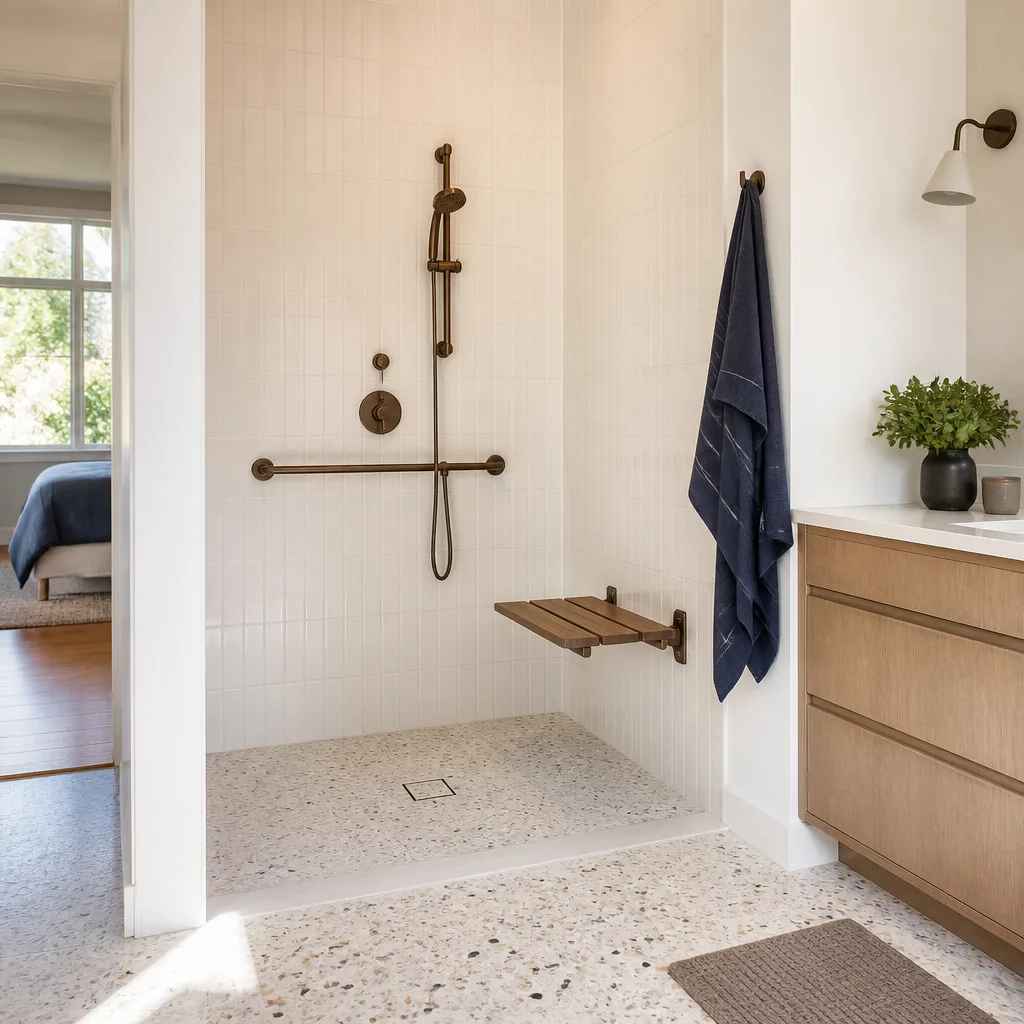
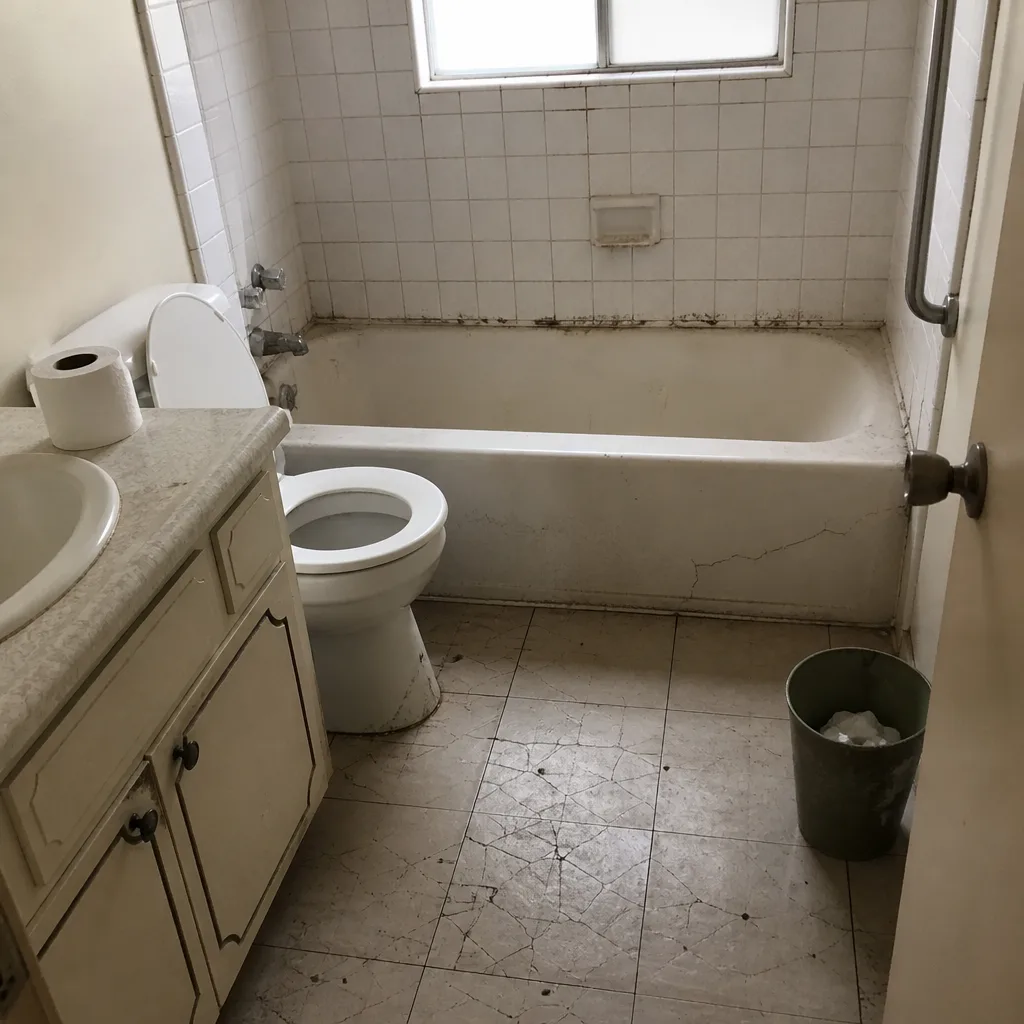 Before
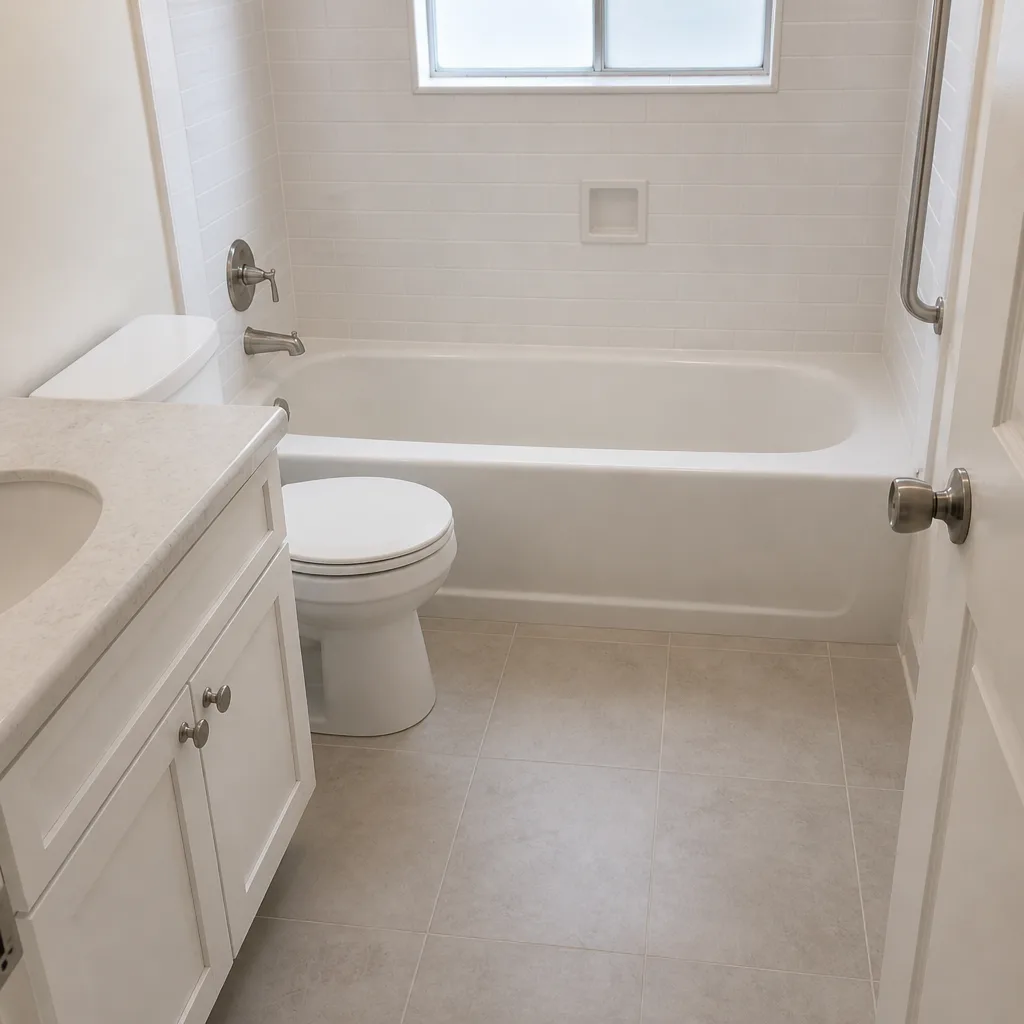 After
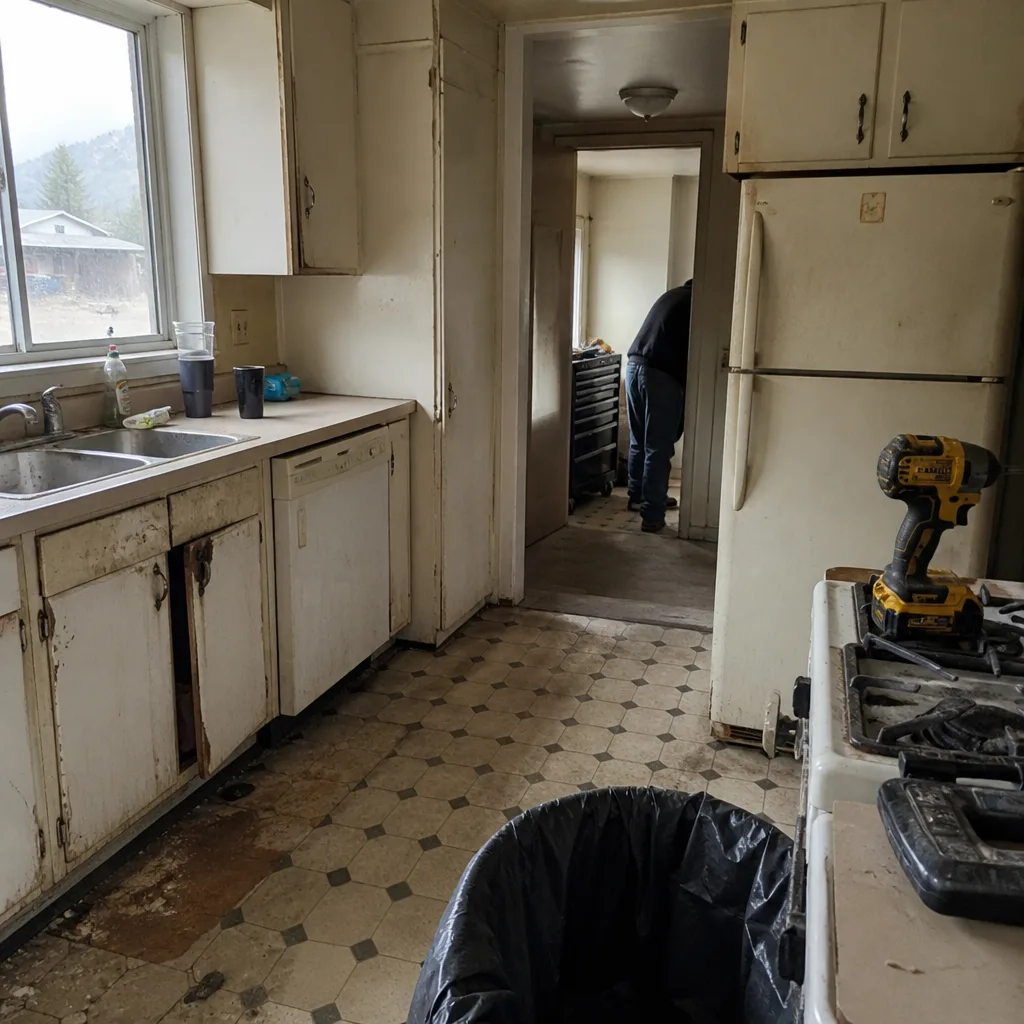 Before
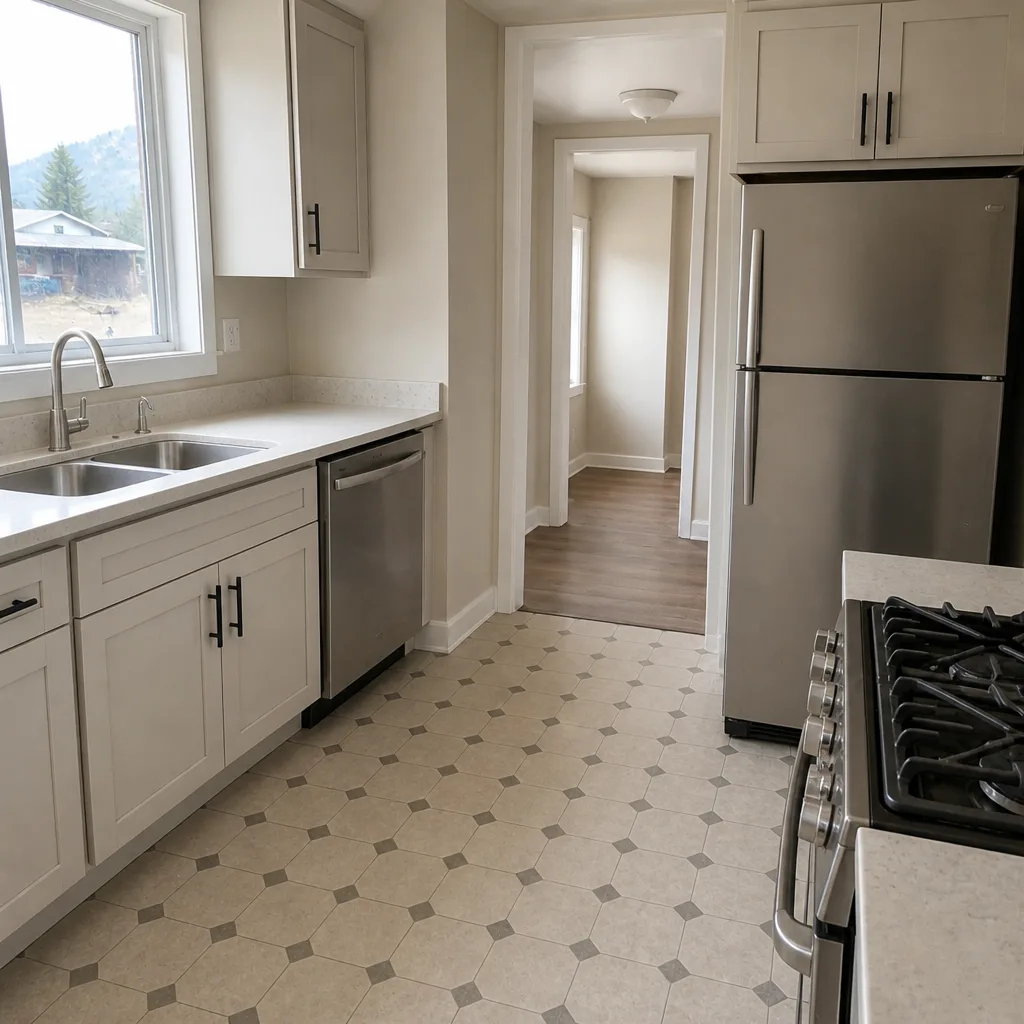 After
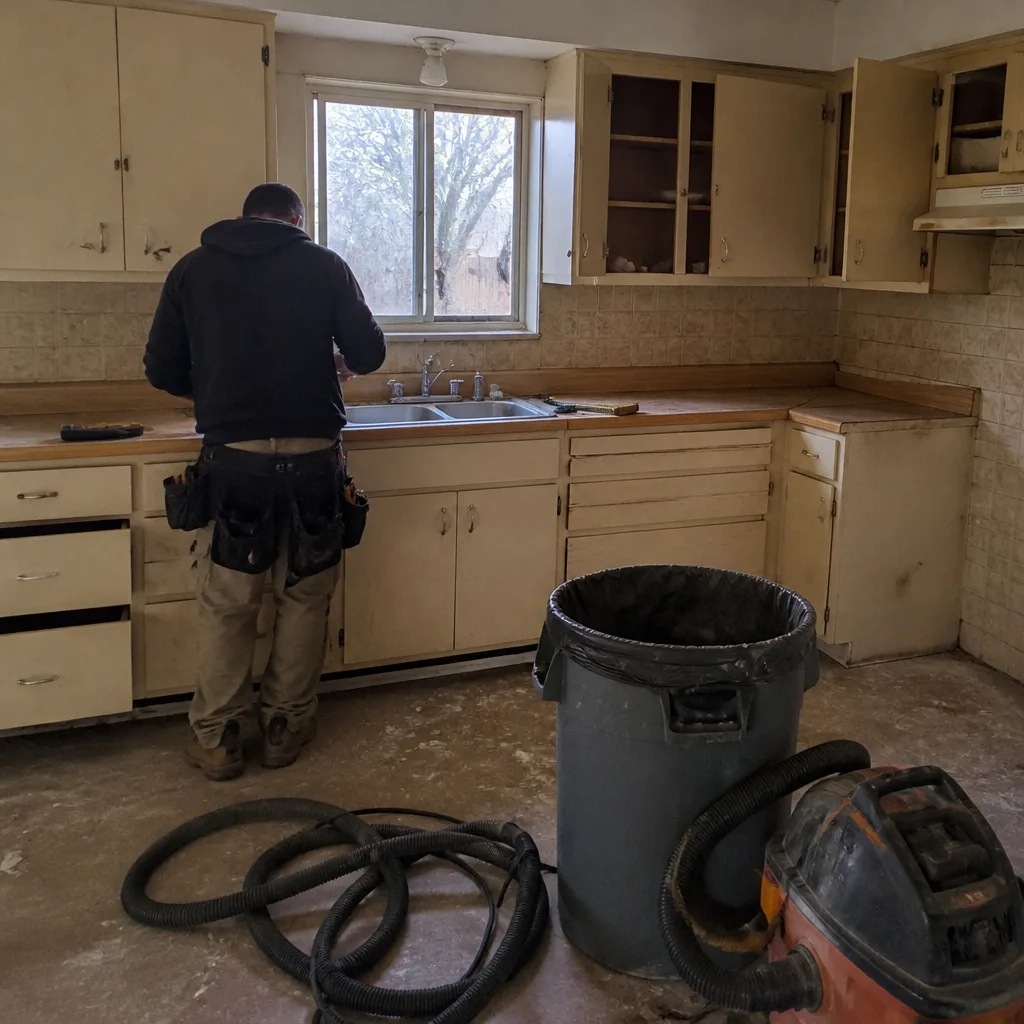 Before
 After
Frequently Asked Questions

Wait six months in Enterprise, not the twelve months you’ll read on most national maintenance sites. Low humidity here pulls moisture out of grout and sealer faster than humid climates do, which shortens the effective seal life. If you want a second opinion before sealing, call (844) 797-6157 for a free estimate. We inspect at no charge.
Yes, in almost every case. A written warranty from a reputable contractor covers workmanship, but it expects you to maintain caulk and grout, report issues promptly, and avoid third-party alterations on warrantied surfaces. Keep a logbook and photos. When the maintenance is documented, a claim is straightforward. Call (844) 797-6157 if you’re unsure whether something is covered.
Expect roughly $185 to $420 for a bathroom re-caulk and grout reseal done properly, depending on the size of the wet areas and whether the shower pan needs attention. That’s far cheaper than the water-damage repair that follows neglect. Call (844) 797-6157 for an exact written price. Estimates are free.
Every seam material meets another surface: caulk lines, grout lines, countertop joints, flooring transitions. These are the exact spots where the first problems show up, and the exact spots where a baseline photo becomes valuable evidence for any warranty claim. Include product labels and a slow walk-through video on your completion day.
Not on our projects. Mason Remodeling Enterprise delivers a written line-item price before any work begins, on every project. That price is the price. If a scope change is needed mid-project, it’s agreed in writing first. Call (844) 797-6157 for your free estimate and a written quote.
It depends on the scope. Cosmetic maintenance like caulk, grout, and paint doesn’t need permits. Anything touching structural, plumbing, or electrical systems does, and pulling them properly is part of doing the job right in Enterprise. Ask before the work starts and get it in writing. To schedule an inspection and get a written scope, call (844) 797-6157.
The Bottom Line
A recently remodeled home isn’t finished. It’s in a twelve-month settling window where caulk, grout, paint, and flooring all find their final position, and Enterprise’s dry heat and dust compress the timeline. Inspect at 30, 90, 180, and 365 days. Seal grout at six months. Re-caulk annually. Photograph everything on completion day and keep a logbook so your warranty stays intact. Do your part and a good contractor does theirs. That’s what a written guarantee is for. If anything looks off, get it inspected early. Early is cheap. Late is not.
Ready to protect your remodel? Visit the Mason Remodeling Enterprise home page or browse our bathroom remodeling and kitchen remodeling services for more detail. For a free estimate with a written price delivered before any work starts, call (844) 797-6157. A live person answers every call, 24 hours a day, seven days a week.
Written by the team at Mason Remodeling Enterprise.