Last updated November 17, 2026





Free written scope consultation - allowances, timeline, and change-order rules on paper before a single trade is scheduled
Choosing the Right Construction Brand: A Buyer’s Guide for Enterprise
Any contractor can print a professional logo, wrap a truck, and build a review page that looks flawless. None of that tells you who will actually stand in your kitchen at 7 a.m. The real difference between construction brands is what a company puts in writing before the first tool comes out: a fixed price with line items, a verified crew you can identify by name and photo, and a guarantee with a stated end date. This guide gives Enterprise homeowners the exact questions that separate working systems from marketing, and it covers the three documents every credible remodeler should hand you before work begins.
Quick Answer
The right construction brand for an Enterprise project is the one that can show you three things in writing before work starts: a fixed line-item price, the identity of every person entering your home, and a workmanship guarantee with clearly stated coverage terms. Brand reputation matters far less than whether those systems exist and whether you can verify them. If a company can’t produce all three documents, keep looking.
Styles & brands we work with
- Kitchen remodeling
- Bathroom remodeling
- Home additions & ADU
- Roofing
- Windows & doors
- Driveway & pavers
- Fence
Table of Contents
- The Three Documents That Define a Real Construction Brand
- How to Evaluate a Company’s Subcontractor Policy
- What “Verified” Actually Means Operationally
- Cross-Referencing License, Insurance, and Complaint Records
- Workmanship Warranty vs. Manufacturer Warranty
- Why Specification-Grade Materials Signal a Serious Operation
- Reading a Remodeling Quote in Enterprise’s Market
- Common Mistakes to Avoid
The Three Documents That Define a Real Construction Brand
Before a single tool is unpacked, a credible Enterprise remodeling company should be able to hand you three documents. Each one closes a specific gap where homeowners lose money or control.
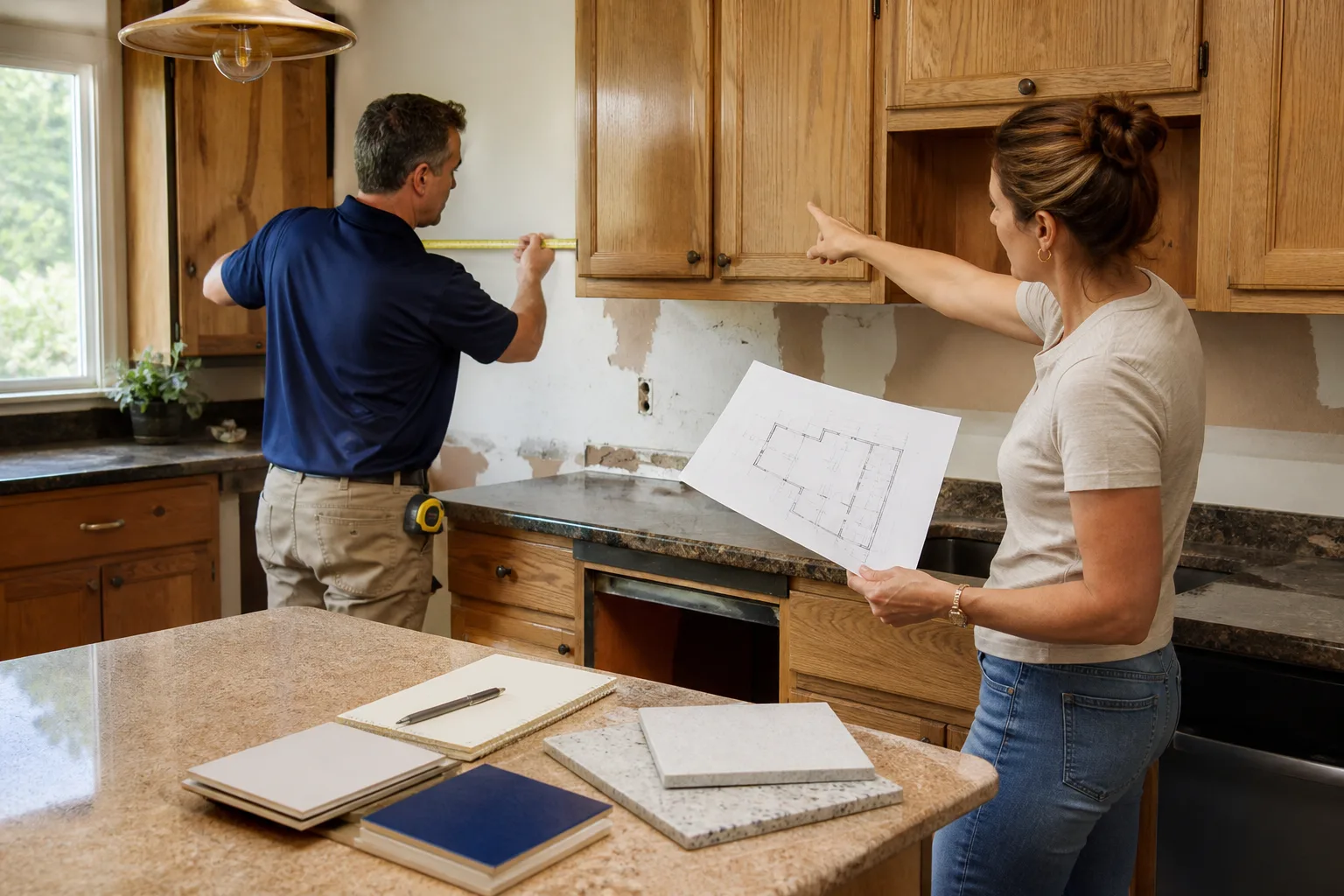
1. A written price. Not a verbal estimate, not a ballpark texted the night before. A fixed scope with line items: demo, framing, cabinetry, countertops, tile, fixtures, permits, labor. When a price is only verbal, the final invoice is where disagreements start, and the homeowner almost always has the weaker position.
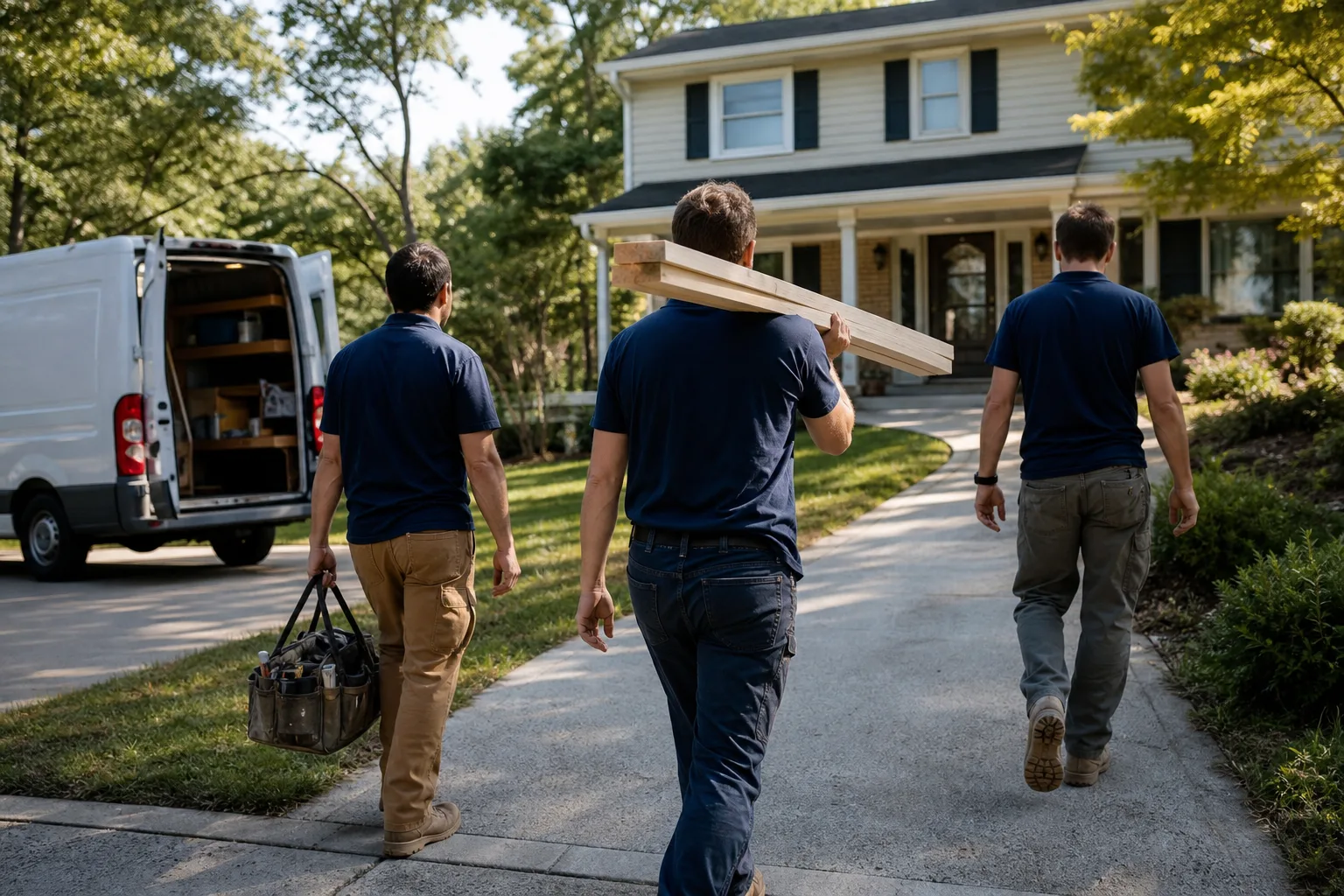
2. Crew identification. Every crew member should be identity-verified before arrival, and you should receive the technician’s name and photo before the visit. On the day of, a photo ID badge at the door confirms the person matches. This matters more in a market where homeowners are frequently home alone, managing young children, or older adults who treat opening the door as a real safety decision, not a formality.
3. A written workmanship guarantee. Coverage terms stated plainly: what’s covered, what’s excluded, and for how long. “Backed by our guarantee” is not a document. “365 days from the completion date” is.
If any of these three is missing, that absence tells you something specific. No written price means the final number is negotiable, and not in your favor. No crew verification means you’re trusting a logo instead of a system. No written guarantee means a callback two years from now is a favor, not an obligation. At Mason Remodeling, we deliver a written price on every project before any work starts, and every completed project carries a written guarantee with stated terms. When you compare Enterprise companies, ask for all three documents and read them before you sign anything.
How to Evaluate a Company’s Subcontractor Policy
This is the question most homeowners never think to ask, and it’s the one that breaks projects. A remodeler might background-check its own employees thoroughly, then hand your bathroom rough-in to an unvetted subcontractor who was booked on a marketplace app. The standards you were sold don’t automatically transfer to the sub.
The fix is simple: ask the question directly and in writing. Here’s how to run that conversation:
- Ask whether subcontractors are used at all. Some companies do everything with direct employees. Others use subs for specialty trades like electrical, plumbing, and tile. Neither answer is automatically wrong; what matters is what happens next.
- Ask whether subs are held to the same verification standard. If employees are background-checked and identity-verified, subs should be too. A company that verifies one tier and not the other is running two standards.
- Ask who introduces the sub by name and photo before the visit. The homeowner should know who is coming before they ring the doorbell, whether that person is a direct employee or a sub.
- Get it in writing. A sentence in the contract specifying that all trades on your project, including subcontractors, are subject to the same crew-verification process.
Under The Threshold Standard, every technician is background-checked, identity-verified, arrives in a clean marked uniform, shows a photo ID badge at the door, and is introduced to the homeowner by name and photo before the visit. That standard applies across the project, and it’s the kind of specific, named process you should look for. Our technicians have up to 22 years of experience, and every crew member who reaches an Enterprise door has gone through the same checkpoints.
What “Verified” Actually Means Operationally
“Verified” gets stamped on everything these days. A badge on a website is not a process. A real verification program has named checkpoints you can describe back to someone else, and the specific steps are what make it worth trusting.
Here’s what a working quality-control mechanism looks like when you break it down into checkpoints:
- Identity verification before scheduling. The company confirms who the technician is before they are assigned to your job.
- Background check on file. Not a promise to run one eventually; a completed check attached to that person’s record.
- Pre-visit introduction. The homeowner receives the technician’s name and photo before the visit, so they know exactly who is coming.
- Uniform and photo ID badge on arrival. The person at the door matches the photo, wears a clean uniform, and can present a badge.
- Same standard across the project. Applies to everyone who enters the home, including any trade working under the company’s name.
Mason Remodeling is part of the Threshold Group family of home-service companies, and The Threshold Standard is the named process behind that verification system. It’s not a badge added to a webpage; it’s a set of checkpoints that every crew member clears before a homeowner opens the door. When you ask an Enterprise company how its verification works, listen for specifics. If the answer is “all our people are vetted,” ask what that means, step by step, and who confirms it. If the company can’t describe the process, it doesn’t have one.
Cross-Referencing License, Insurance, and Complaint Records in One Sitting
Nevada puts a lot of this information in public records, and you can check a company’s standing in one sitting without any special knowledge. The key is knowing what each record tells you.
Nevada State Contractors Board license. Search the license number and confirm three things: the license is active, the classification matches the work you’re hiring for (remodeling and general contracting carry different classifications), and the business name on the license matches the name on your contract. A license that’s active under a different business name is a warning sign.
Certificate of insurance. Ask for a current certificate of insurance and confirm it covers general liability and workers’ compensation. Read the dates. An expired certificate is the same as no certificate. If a company can’t produce one quickly, that’s your answer.
Complaint history. Check both the licensing board and the Better Business Bureau. Read the substance of any complaints, not just the letter grade. A single resolved complaint about scheduling can be noise. A pattern of complaints about scope changes or billing disputes is a signal, and it’s a signal you can verify before signing.
- Search the license number on the state board site and confirm active status and classification.
- Request a current certificate of insurance and read the coverage dates.
- Check licensing board complaint records for the business name.
- Check BBB records and read actual complaint details, not just the rating.
- Confirm the names match across the license, the insurance, and the contract you’re about to sign.
Do this before the estimate visit, so the conversation starts from facts. It takes maybe twenty minutes, and it will save you from the worst version of a remodeling surprise. Mason Remodeling Enterprise follows Threshold Verified standards on every job, and we’re glad to walk through exactly what those standards require.
Workmanship Warranty vs. Manufacturer Warranty: Which One Protects You?
These two warranties cover different things, and homeowners routinely assume the manufacturer’s warranty backs the installation. It usually doesn’t.
A manufacturer warranty covers defects in the product itself. A faulty cabinet door hinge, a countertop slab with a flaw, a window that arrives with a bad seal. It does not cover how the product was installed. If the tile fails because the waterproofing behind it was wrong, the tile manufacturer will point to installation and decline the claim.
A workmanship warranty covers the installation, the labor, and the assembly of the finished system. That’s where most failures actually happen: grout cracking, a shower pan that leaks after two years, a cabinet run out of level. The workmanship warranty is the document that protects you when something fails long after the installer packed up.
So when a company says “fully warranted,” ask which warranty you’re getting and what it covers. For a workmanship warranty, the key terms are the start date, the coverage period, the exclusion list, and what happens if the company needs to come back. At Mason Remodeling, every completed project is covered by a written guarantee with clearly stated terms, including a 365-Day Done Right Promise: if the work isn’t right within a year of completion, we make it right at no cost to you. A free return visit is provided at no charge if a repair or installation fails. Those terms belong in writing on your contract, not just on a website.
Why Specification-Grade Materials Signal a Serious Operation
The materials a company can access tell you something about how it operates. Specification-grade means products built for professional installation, not the builder-grade tier sold in a big-box aisle. The difference shows up in how long things last, how well they fit, and how easily they can be serviced.
On a bathroom remodel, the waterproofing layer behind the tile, the valve body inside the wall, and the trim finish at the floor edge are where the quality of the product matters most. A professional-grade partnership gives a homeowner access to lines like Kohler, Moen, Toto, and Grohe fixtures, Cambria, Silestone, and Caesarstone surfaces, and KraftMaid and Wellborn cabinetry. On exterior work, GAF, CertainTeed, and Owens Corning are the roofing standards; Belgard, Unilock, and Techo-Bloc set the bar for hardscaping.
When you’re pricing a replacement or a new build, ask whether the product specified is the exact model you saw in the showroom, and whether the company can show the specification sheet. A bathroom remodeling project in Enterprise that specifies a real valve body and a proper waterproofing membrane will cost a little more up front and far less over the following decade. Our general contracting work follows the same logic: the line-item quote names the exact product, and the crew installs the product named.
Reading a Remodeling Quote in Enterprise’s Market
Enterprise is desert country, and the climate changes what a home project actually involves. Summer heat and strong wind events punish exterior seals, and the dry air means interior finish choices matter differently than they would in a humid climate. When you read a quote, those realities should show up in the line items.
For a bathroom or kitchen project, look for these things in the estimate:
- Permits listed as a line item. A quote that leaves permits off is either going to add them later or skip them. Both are problems.
- Demo and disposal. Hauling away old cabinetry, tile, and fixtures costs real money, and it’s often where a low bid hides the missing work.
- Waterproofing specified by product name. A bathroom quote that says “tile” without naming a waterproofing membrane is incomplete.
- Fixture and cabinet model numbers. Specification-grade materials come with model numbers; builder-grade substitutions come with vague language.
- A stated guarantee section. The workmanship warranty should appear in the contract, not just the pitch.
If you want a starting point on scope and what a project involves, our pages on Bathroom Remodeling in Enterprise and Kitchen Remodeling in Enterprise break down what’s typical. For larger or structural work, the General Contractor in Enterprise page covers permit and inspection basics. The point of a written quote is that it lets you compare apples to apples, and a quote that’s missing whole scopes is not a lower price; it’s an incomplete one.
Common Mistakes to Avoid
- Accepting a verbal estimate. A number spoken in your kitchen is not a commitment, and it has a strange way of growing once the materials are ordered. Insist on a fixed written price with line items before anything starts.
- Not asking about subcontractor vetting. The crew you met at the estimate may not be the crew that shows up. Ask whether subs are held to the same background-check and identity standard as direct employees, and get the answer in writing.
- Reading a warranty as one thing. Manufacturer warranties cover products, not installation, and most real failures are installation failures. Get the workmanship warranty terms in writing with a stated coverage period.
- Skipping the license and insurance check. Twenty minutes on the state board site and a look at the insurance certificate will catch more problems than any interview question. Confirm the names on the license, insurance, and contract all match.
- Choosing on price alone. The lowest bid is often the quote that left out demo, permits, or waterproofing, and those costs come back with interest. Compare line by line, not just bottom line to bottom line.
- Ignoring the climate in finish choices. In Enterprise, exterior trim and sealants take a beating from heat and wind. Ask what products the company specifies for desert conditions and why.
- Not asking who opens the door. If you don’t know the name and face of the person arriving, you’ve accepted a stranger by default. A real brand introduces every technician before the visit.
See the difference
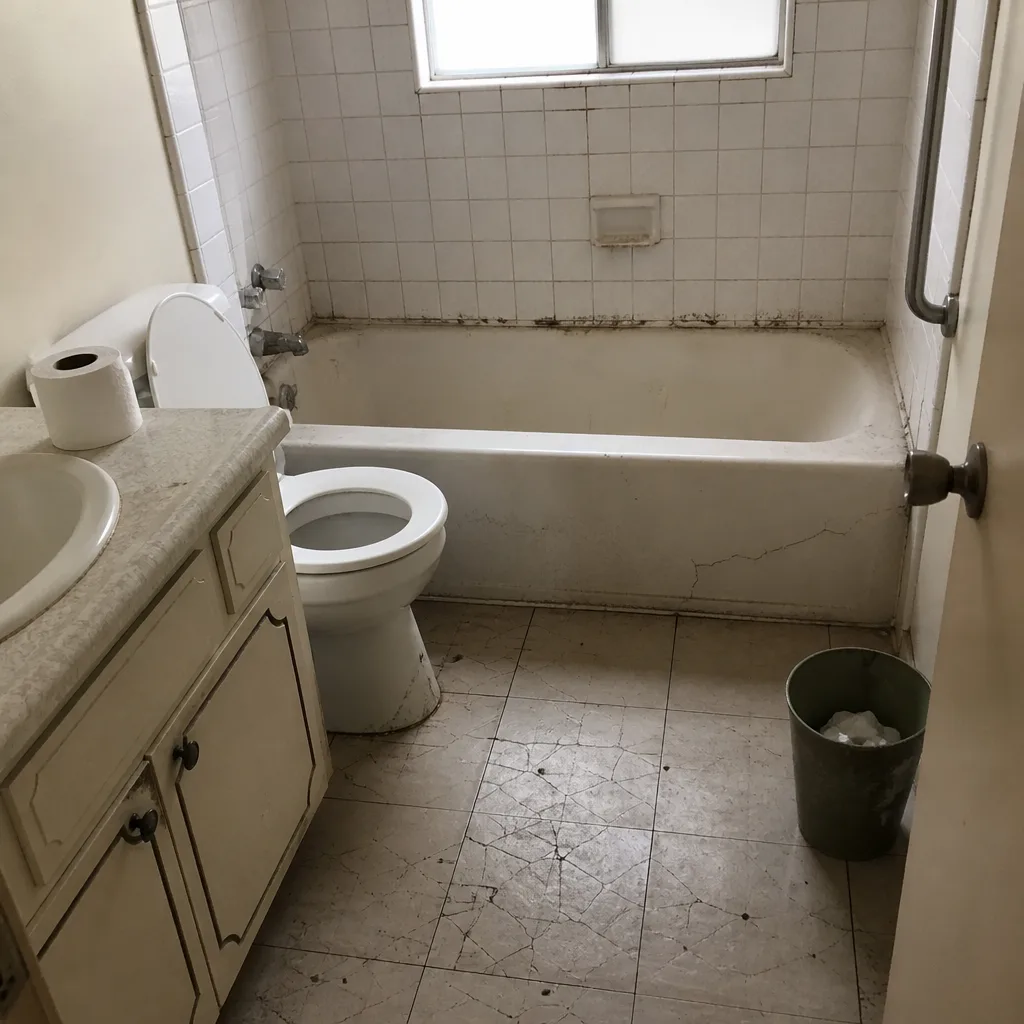 Before
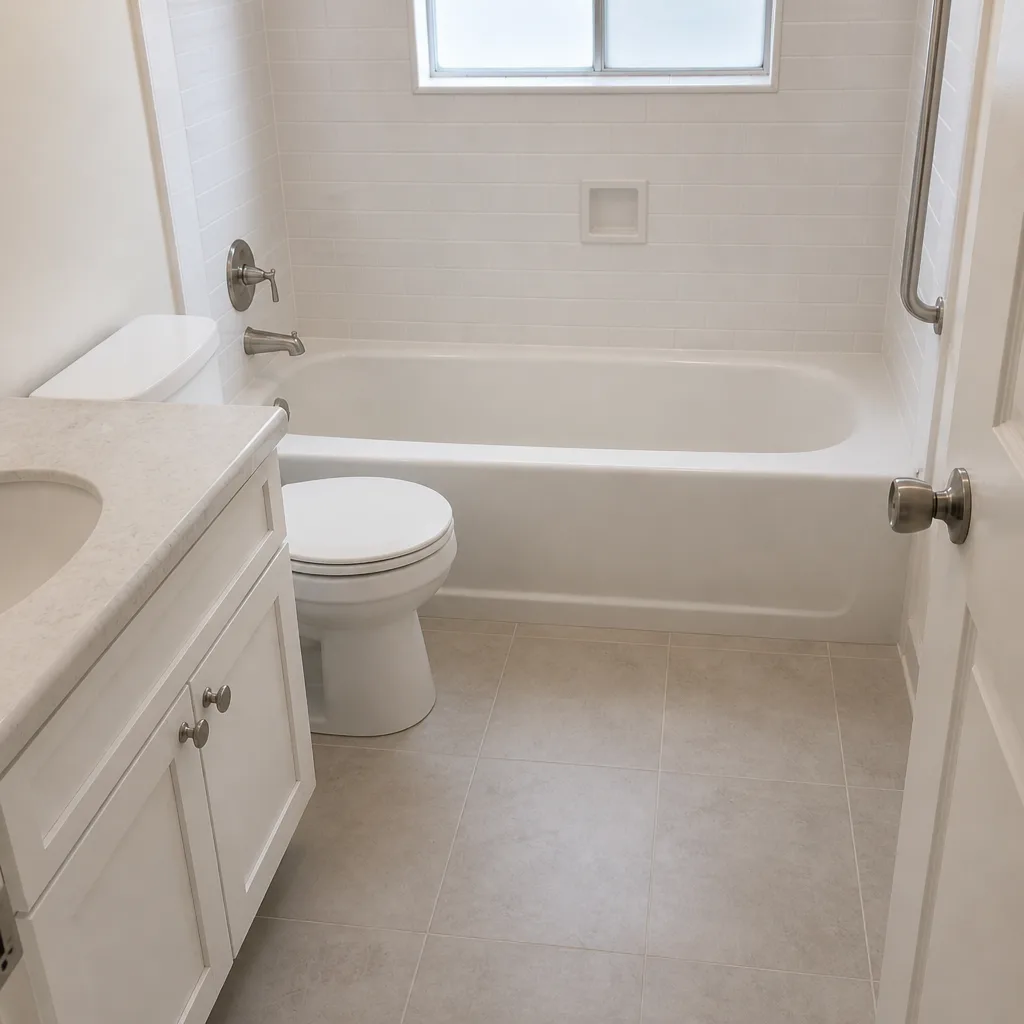 After
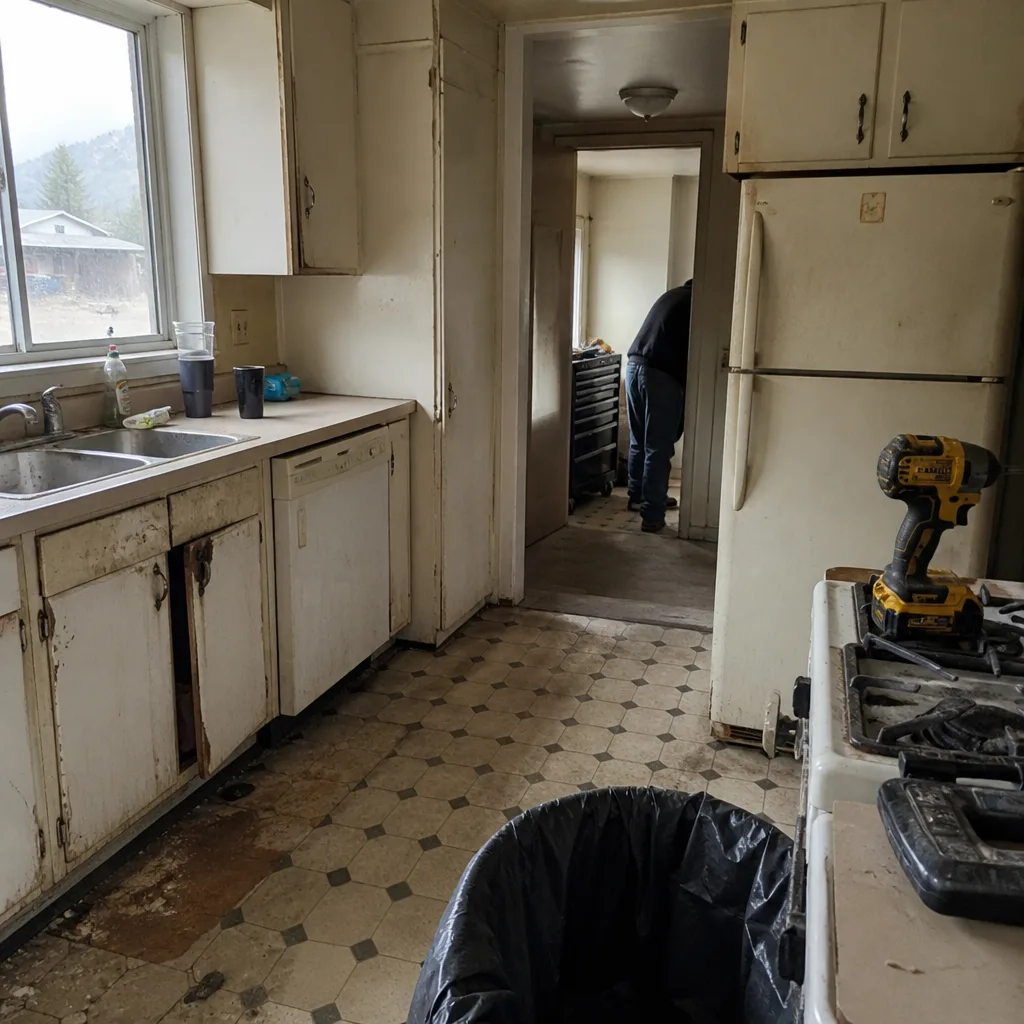 Before
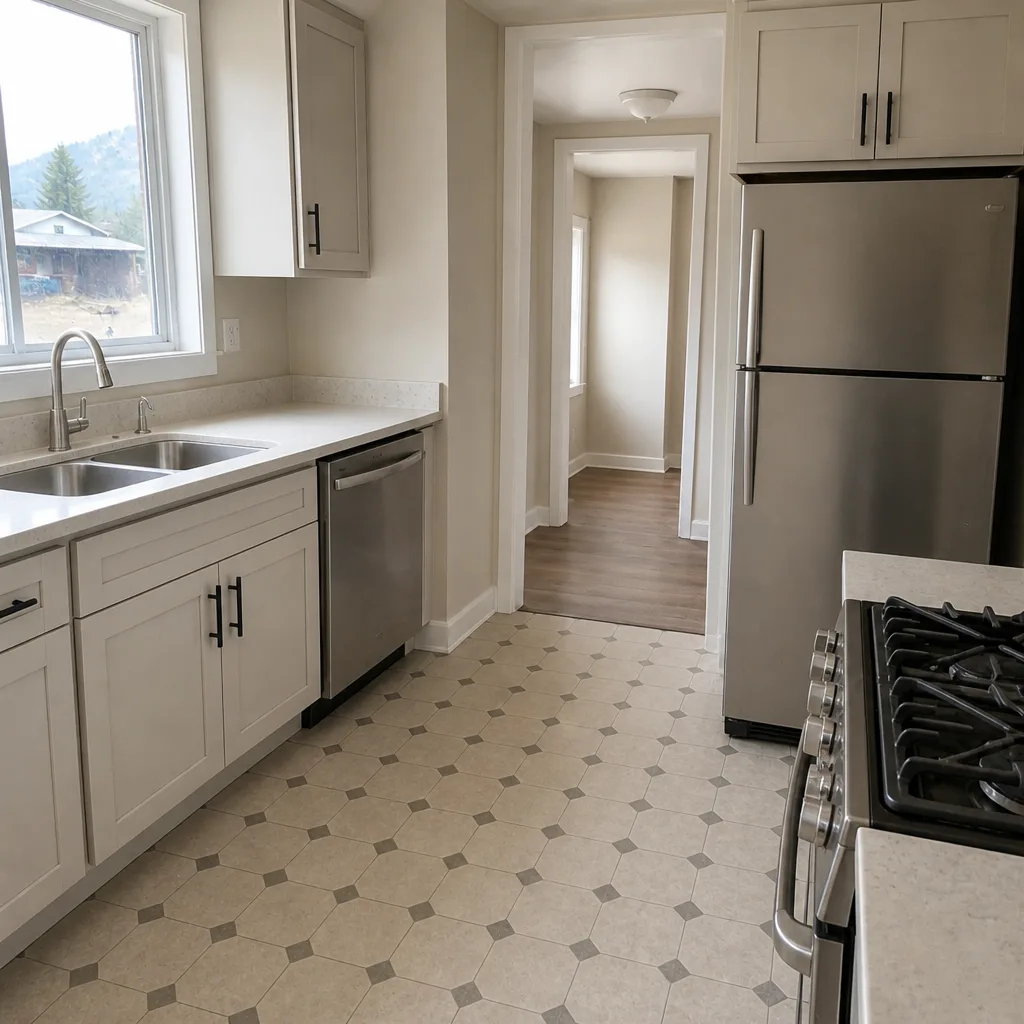 After
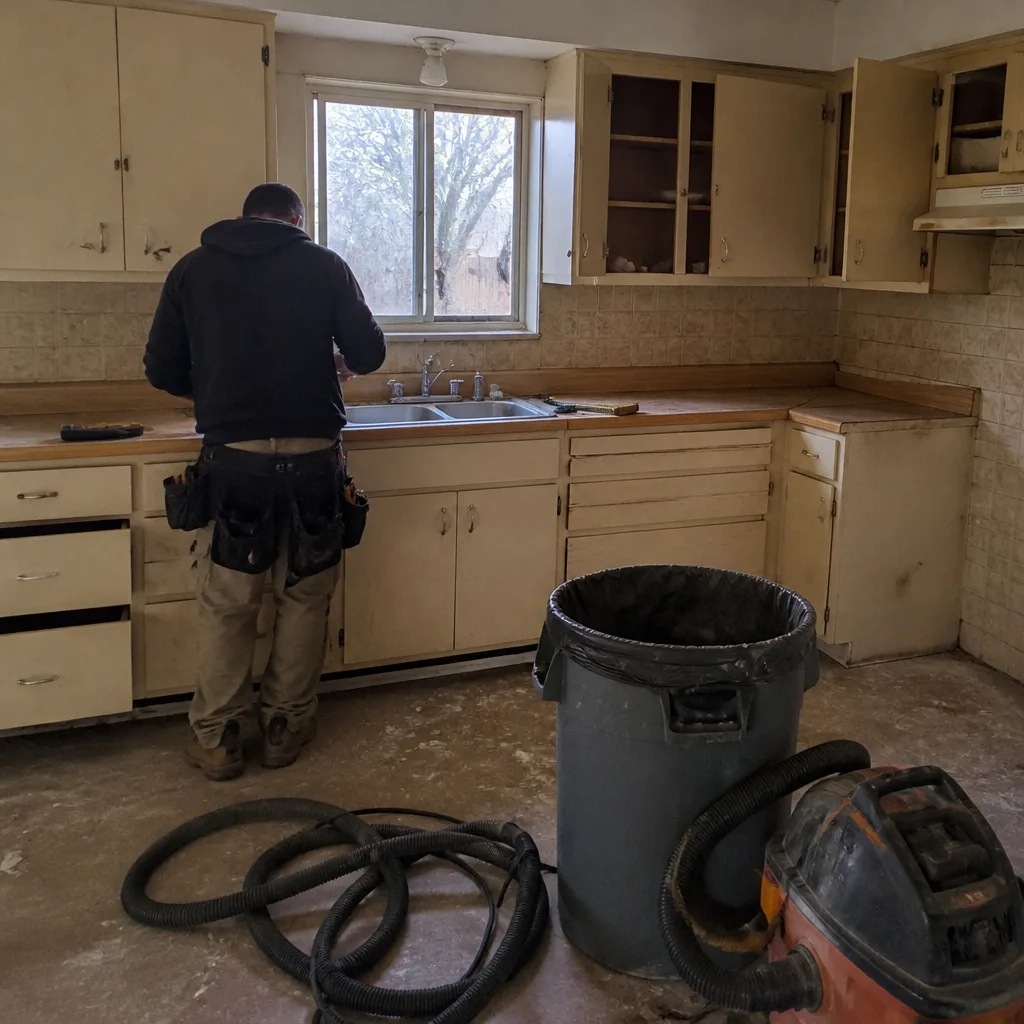 Before
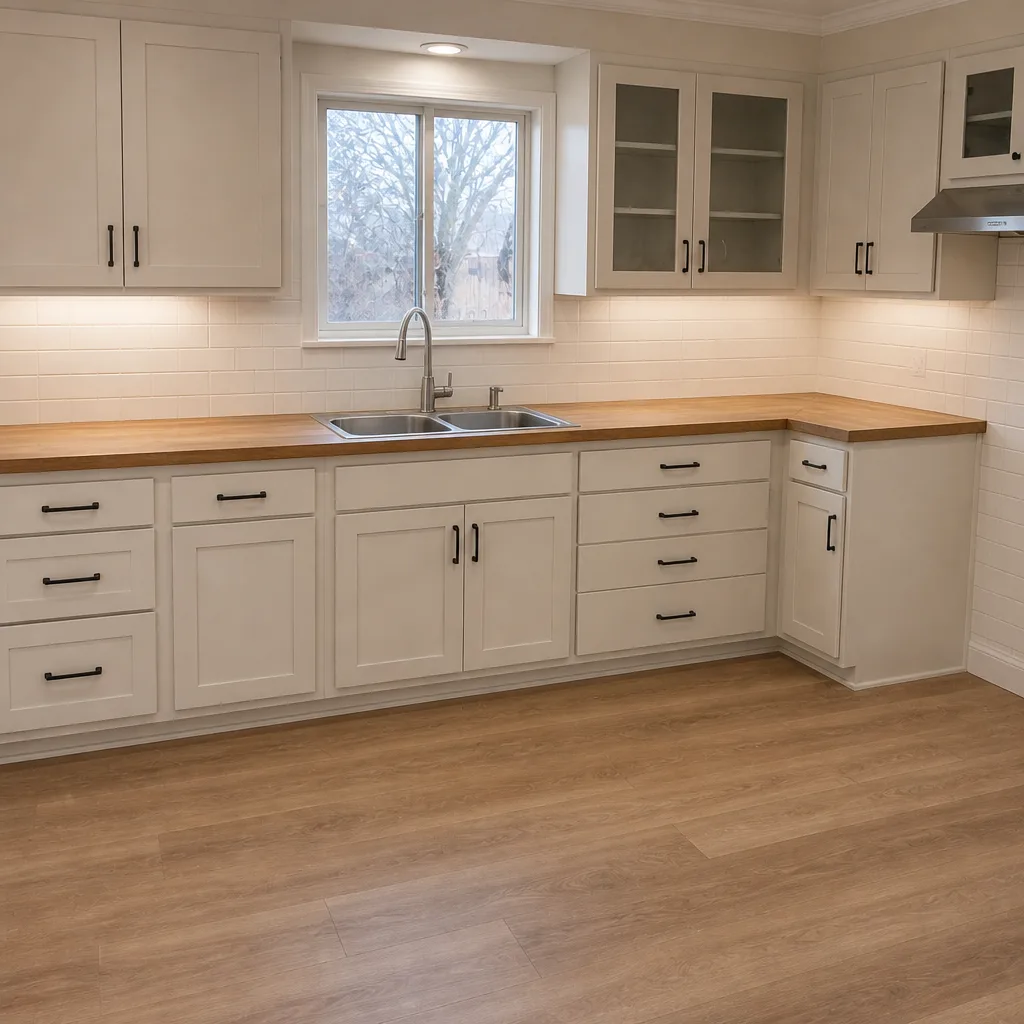 After
When to Call a Professional
Some work is worth doing yourself. Replacing a light fixture or painting a bedroom qualifies. The moment a project moves into permits, structural work, gas lines, or electrical panel changes, a trained professional needs to be involved, because the failure modes are serious and the code requirements in Enterprise are specific. Call a pro if your project involves moving walls, adding a bathroom or kitchen circuit, changing out a water heater or gas appliance, replacing a roof, or handling any work that requires an inspection to close out. Call us at Mason Remodeling Enterprise for a free estimate at (844) 797-6157. Our technicians have up to 22 years of experience, the price comes in writing before work starts, and the guarantee covers a full year after completion.
Frequently Asked Questions
Ask for three documents before you sign anything: a written line-item price, the name and photo of every crew member who will enter your home, and a written workmanship guarantee with a stated coverage period. Then ask whether subcontractors are held to the same verification standard. A company that can produce all three is running a system; one that can’t is relying on its logo.
Search the license number on the Nevada State Contractors Board site and confirm the license is active and the classification matches your work. Then request a current certificate of insurance and read the coverage dates. Check licensing board and Better Business Bureau complaint records for the business name, and confirm the name on the license, the insurance, and your contract all match. Call (844) 797-6157 if you’d like us to walk you through what our own paperwork shows.
They should be, and you should get that answer in writing. The standard under The Threshold Standard applies to every technician on the project, not just direct employees. Ask the company to specify in the contract that all trades, including subcontractors, go through the same background check and identity verification. If a company can’t put that in writing, the standard probably doesn’t extend to its subs.
A workmanship guarantee covers the installation and labor, not the products themselves. That’s the warranty that protects you when a shower pan leaks or a cabinet run settles two years after installation, because most real failures are installation failures. Our 365-Day Done Right Promise covers the first year after completion, and terms are stated in writing with exclusions listed. Call (844) 797-6157 for the exact coverage terms on your project.
It depends on scope, size, and the materials specified, which is why a fixed written price matters more than a generic range. Every Mason Remodeling project gets a line-item quote before work begins, so you can see demo, permits, cabinetry, surfaces, and fixtures separately. Call (844) 797-6157 and we’ll set up a free estimate for your specific project.
With a written, fixed line-item quote, yes, unless you request a change to the scope yourself. The problems start when a company quotes a verbal estimate and then bills surprises at the end. We deliver a written price before any work starts on every project, and that’s standard, not an upgrade. Call (844) 797-6157 for a written estimate in Enterprise.
The Bottom Line
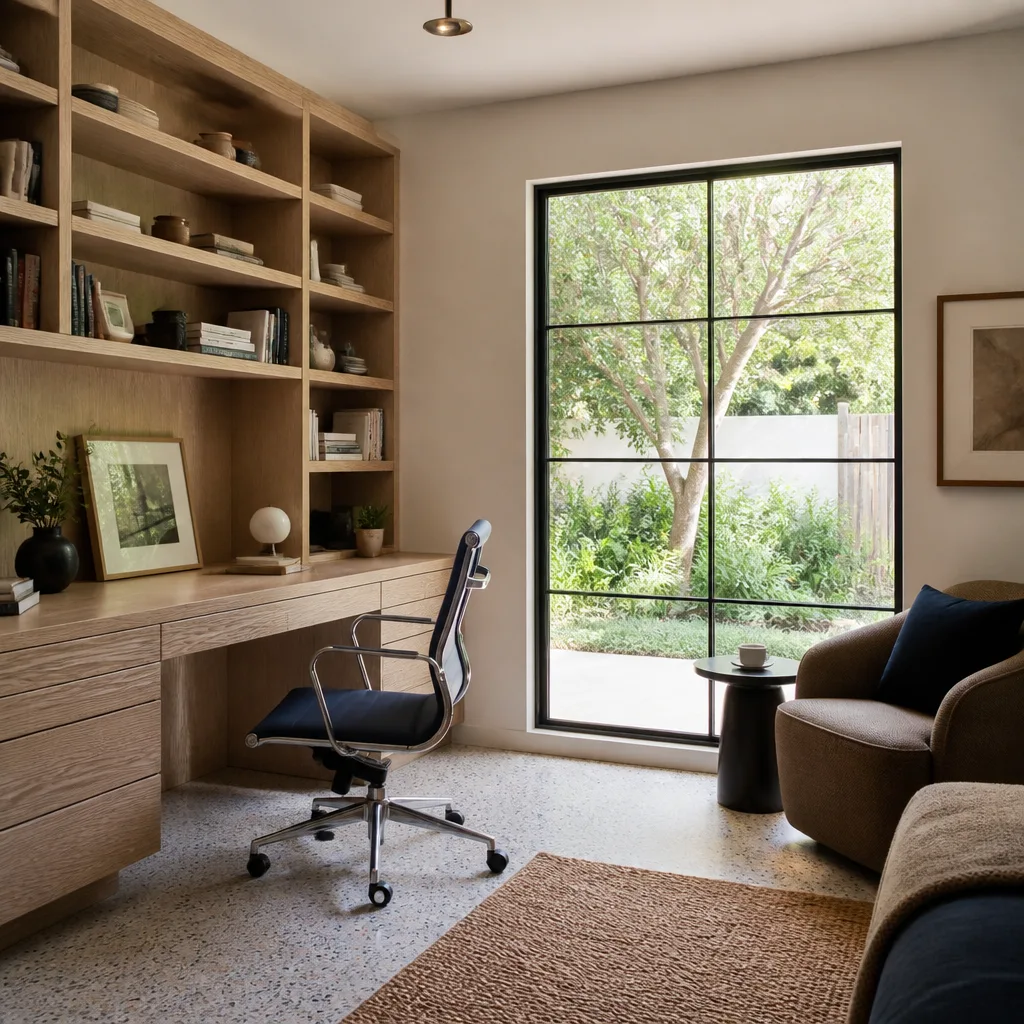
Brand in construction is not the logo on the truck. It’s the systems behind it: a written price before work starts, a crew you can identify by name and photo, and a guarantee with a stated end date. Those three documents are what protect you when something goes wrong, and they’re the fastest way to separate a real operation from a marketing page. Run the license and insurance check, ask about subcontractor vetting, and read the warranty terms. If you’d like a free estimate with all three documents in hand, call Mason Remodeling Enterprise at (844) 797-6157 for a free estimate, or start with our Mason Remodeling Enterprise home page to see what we cover.
Written by the team at Mason Remodeling Enterprise.