Last updated November 17, 2026








Free written scope consultation - allowances, timeline, and change-order rules on paper before a single trade is scheduled
DIY vs Professional Construction: The Enterprise Homeowner’s Decision Guide
That tile tutorial you watched was filmed in a Portland basement, and the grout behaved beautifully in 70% humidity. In Enterprise, at 10% humidity, the same technique can leave you with cracked grout by the end of your first summer. The decision between DIY and hiring a pro rarely comes down to whether you’re handy. In Enterprise, it’s about Clark County permits, HOA documentation, and the very different way desert materials cure, expand and fail. This guide walks you through all of it so you can price the real trade-offs before you pick up a tool.
Quick Answer
In Enterprise, DIY makes sense for cosmetic, permit-exempt work like interior paint, swapping light fixtures, or replacing a faucet. Anything structural, electrical, plumbing-heavy or over the Clark County permit threshold should go to a licensed professional, because unpermitted self-work can void your insurance and stall a future sale. For those projects, the professional bid buys you a written price, code-compliant documents and a warranty you can hand to a buyer.
Styles & brands we work with
- Kitchen remodeling
- Bathroom remodeling
- Home additions & ADU
- Roofing
- Windows & doors
- Driveway & pavers
- Fence
Table of Contents
- The Nevada Permit Threshold That Makes Some DIY Illegal
- How Unpermitted Self-Work Voids Your Insurance
- Why Desert Materials Don’t Behave Like the Tutorial
- HOA Rules That Override a Passed County Inspection
- Calculating the True Cost of DIY Against a Line-Item Bid
- Where Pro Execution Wins on Warranty and Resale Value
- Common Mistakes to Avoid
- When to Call a Professional
The Nevada Permit Threshold That Makes Some DIY Illegal
Clark County doesn’t care how skilled you are. It cares whether the work crosses a line that requires a permit and licensed trades. In Enterprise, that line sits closer than many homeowners realize, and crossing it without a permit is a legal problem, not a personality trait.
Work that typically requires a permit here includes any structural change, moving or adding plumbing lines, running new electrical circuits, panel upgrades, gas line modifications, and most additions or reconfigured walls. Cosmetic surfaces like paint, tile over an existing sound substrate, and like-for-like fixture swaps generally don’t trigger a permit. Anything that touches the building envelope, the gas line or the electrical panel does.
- Check the permit threshold first. Ask the county, in writing, whether your scope needs a permit before you buy a single material.
- Separate licensed-trade work from cosmetic work. Electrical, gas and structural tasks belong to license holders, full stop.
- Budget the inspection time. A permitted project has inspection checkpoints, and each one takes scheduling.
- Get the final sign-off document. That paper is what protects you at resale and at claim time.
This is where a firm handling general contracting in Enterprise earns its keep: the permit is pulled in the right name, the inspections get passed, and you end up holding a document instead of a question mark. If your project is a bathroom, the same logic applies to bathroom remodeling in Enterprise, where waterproofing behind the tile has its own inspection standards.
How Unpermitted Self-Work Voids Your Insurance
Here’s the part most DIY guides skip. If water damage or a fire traces back to unpermitted work, your homeowner’s policy can deny the claim. Insurers don’t pay for losses caused by work that didn’t meet code, and unpermitted work is presumed not to meet code until proven otherwise.
Picture a slow leak behind a shower you retiled yourself without a permit. Six months later the subfloor in the adjacent hallway is soft and the drywall is growing something. The adjuster asks for the permit and inspection record. There isn’t one. That’s when a $600 repair becomes a $9,000 remediation you fund alone.
- Claims get denied, not reduced. Many policies exclude losses from non-compliant work outright.
- Disclosure obligations follow you. When you sell, you must disclose known unpermitted work, and buyers price that risk in.
- Lenders can balk. Some financing requires proof that added square footage or major systems were permitted.
- Neighbors notice. A dumpster and a weekend of framing tend to attract attention, and code enforcement responds to complaints.
A written, permitted project shifts that risk off your shoulders. That’s a large part of what you’re paying for when you hire licensed help, and it’s why we treat the paperwork as part of the job, not an afterthought.
Why Desert Materials Don’t Behave Like the Tutorial
The single biggest reason DIY fails in Enterprise isn’t lack of skill. It’s that the materials were specified for a wet climate and your house sits in a dry one. The tutorials are technically correct and locally wrong.
Thinset is the adhesive under your tile. In humid climates, standard modified thinset cures slowly and forgivingly. In Enterprise’s single-digit humidity, it skins over fast, so you get less open time to set and adjust tile, and the ratios that worked on video produce weak bonds. Pros here mix to the dry-climate spec and work in smaller batches so nothing sets before it’s placed.
Stucco is the exterior wall finish common on Enterprise homes, and it’s where desert curing bites hardest. Fresh stucco needs controlled, slow curing. In low humidity and full sun, it dries too fast, which causes hairline cracking and weakens the coat. Professional crews mist and shade the patch on a schedule, sometimes for days, so the cure is even.
Caulk and sealant are the third trap. Thermal cycling here means walls swing from cold nights to hot afternoons, and cheap caulk cracks within a season at every seam. The right formulation stays flexible through those swings. In our experience, the caulk line is the first thing to fail on a DIY bath, and it takes the grout with it.
- Thinset: use the modified ratio specified for dry conditions and mix in small batches.
- Stucco: follow a damp-cure and shade schedule, not a one-and-done application.
- Caulk: choose a formulation rated for high thermal movement and desert UV exposure.
- Wood framing: acclimatize lumber to interior conditions before installing, since desert wood moves.
HOA Rules That Override a Passed County Inspection
Passing a Clark County inspection does not mean your HOA will approve the work. These are two separate approval systems, and plenty of Enterprise homeowners have discovered this the hard way after finishing a project and receiving a violation letter.
Many HOAs here require licensed-contractor documentation as part of the architectural review. That means a bid or contract from a licensed firm, proof of insurance, and sometimes a scope of work. A homeowner acting as their own contractor often can’t supply the documentation the board wants, so the project stalls or gets denied after the fact.
- Read the CC&Rs before you buy materials. The covenants, conditions and restrictions spell out what needs approval.
- Submit the architectural request early. Approval timelines vary by board and can take weeks.
- Confirm documentation requirements. Ask whether a licensed contractor’s paperwork is mandatory.
- Get approval in writing before work starts. A verbal nod from a board member isn’t approval.
- Keep the approval with your project file. It matters at resale.
Exterior paint colors, fence styles, patio hardscaping and any visible addition are the usual flashpoints. If your scope touches the street-facing side of the house, assume the HOA wants a say. For anything that combines HOA review with permitted construction, working with a firm that does this routinely saves you a violation letter. You can see how we handle that on our Mason Remodeling Enterprise home page.
Calculating the True Cost of DIY Against a Line-Item Bid
The honest DIY math is bigger than the receipt from the home center. Tools you rent, materials you waste, and the value of your weekends all belong on the ledger. Here’s how to build a real comparison instead of a hopeful one.
Start with a waste factor. Tile and flooring jobs lose material to cuts and breakage, so add 10% to 15% to your material quantity. Then add tool rental: a wet saw, a tile cutter, a demo hammer and a ladder rental can run a few hundred dollars for a single weekend. Then value your time at what your weekend is actually worth to you, because that’s the real cost of a three-weekend bathroom job.
- Material: your estimate plus a 10% to 15% waste buffer.
- Tool rental: $150 to $400 for a typical weekend-scale job, more for specialty tools.
- Permits: county fees if the work requires them.
- Time: your hours at your own hourly value, not zero.
- Redo risk: the chance you pull it out and pay twice.
Now compare that to a written, line-itemized professional bid. A firm that remodels kitchens will break the bid into cabinetry, surfaces, fixtures, labor and permits, so you can see exactly what you’re buying. Specification-grade materials like KraftMaid cabinetry or Cambria surfaces show up as line items with model numbers, not vague allowances that balloon later. The pro bid looks bigger up front, but it includes the waste, the tools and the warranty. Once you add those to the DIY column, the gap narrows far more than most people expect. For a closer look at how that line-item approach works on a kitchen, see kitchen remodeling in Enterprise.
Where Pro Execution Wins on Warranty and Resale Value
Some advantages of professional work can’t be replicated by a homeowner, no matter how careful. Warranty and documented resale value are the two big ones.
A warranty is a transferable promise. When a licensed firm backs its work with a written guarantee, a future buyer inherits protection that a DIY job simply doesn’t carry. Documentation works the same way: permit records, inspection sign-offs and a contractor’s written scope all become part of the home’s paper trail. At resale, that paper trail answers the buyer’s first question about any major upgrade.
- Written guarantee with stated terms. Coverage spelled out in advance, including what’s covered, what’s excluded and for how long.
- Permit and inspection record. Proof the work met code, available to buyers and insurers.
- Material specifications on file. Model numbers for cabinetry and surfaces support future repairs and appraisals.
- Resale confidence. Documented work commands more trust in a competitive market.
The measure of professional execution is that everything is in writing before a tool comes out. Our work carries the 365-Day Done Right Promise: if the work isn’t right within a year of completion, it gets made right at no cost to you. Not every job is worth that, but the ones that touch your home’s value usually are.
Common Mistakes to Avoid
- Treating a humid-climate tutorial as local truth. Techniques filmed in damp regions fail in Enterprise’s dry air. Match your method to desert conditions, not to a video.
- Skipping the permit check to save time. Unpermitted work is invisible until a claim or a sale, when it becomes expensive. Confirm the threshold before you start.
- Assuming HOA approval is automatic. A passed county inspection doesn’t satisfy the board. Get written architectural approval first.
- Using cheap caulk at exterior seams. Thermal cycling in Enterprise cracks low-grade caulk in a season. Spend the extra few dollars on a flexible, UV-rated formulation.
- Forgetting the waste factor. Running out of tile mid-job means a dye-lot mismatch. Buy 10% to 15% extra from the same batch.
- Ballparking your own time as free. A “free” weekend job that takes three weekends costs you more than the tool rental would have.
- Accepting a verbal estimate. A number on a napkin grows on the final bill. Insist on a written price before work begins.
When to Call a Professional
Call a licensed professional when the work touches structure, electrical, gas or the plumbing system; when the scope crosses the Clark County permit threshold; when your HOA requires contractor documentation; or when the job involves a material that fails badly in desert conditions if handled wrong. Also call when the work affects resale value you’ll rely on later. For those projects, the warranty and the paper trail are worth more than the DIY savings. Mason Remodeling Enterprise offers free estimates in Enterprise. Call (844) 797-6157 and you’ll get a written price before any work starts, with every crew member verified by name and photo before they reach your door.
See the difference
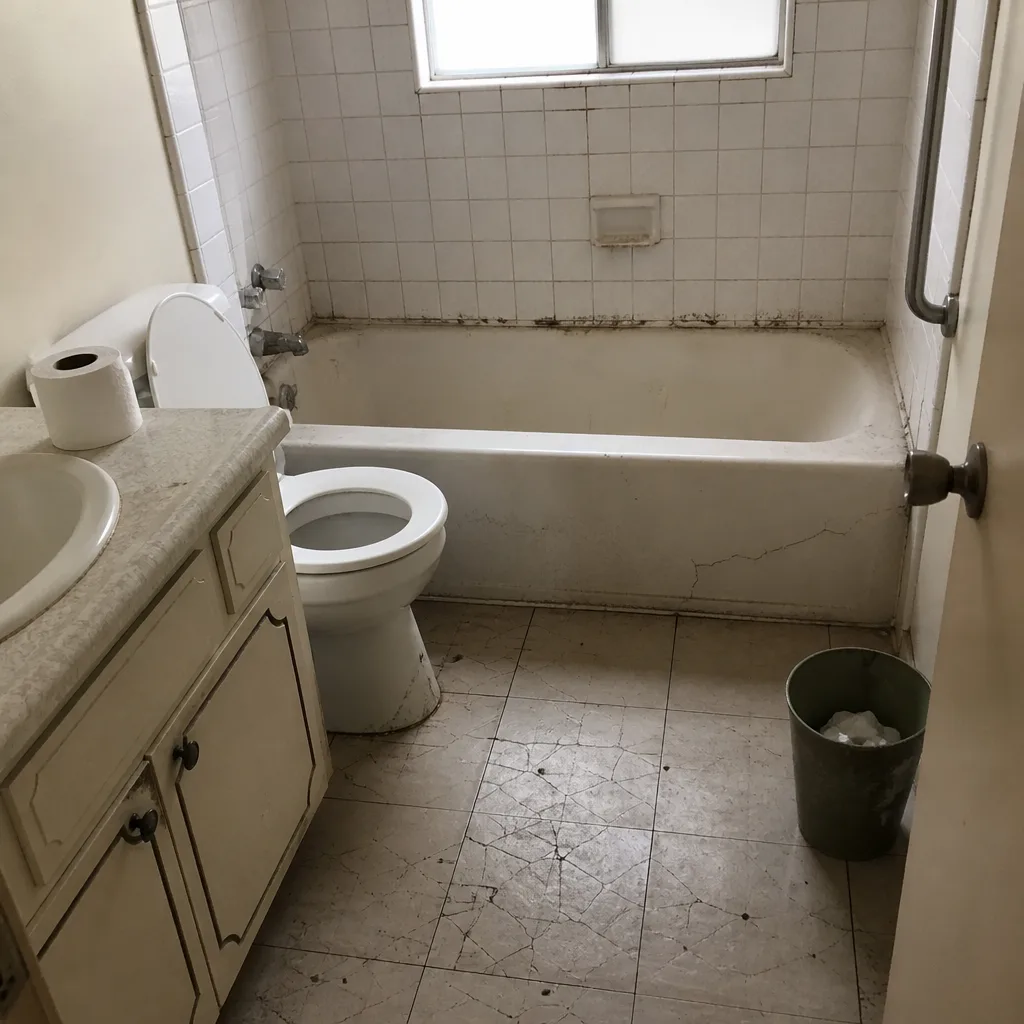 Before
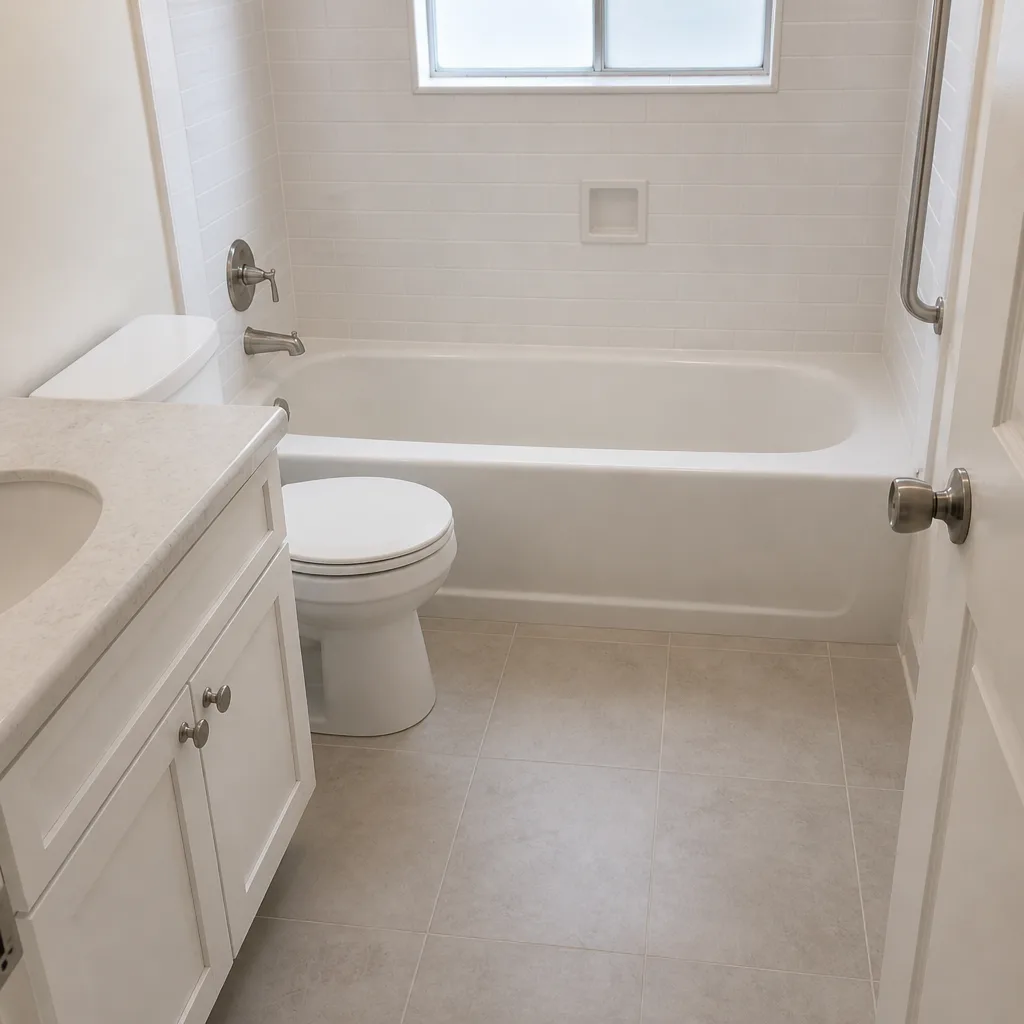 After
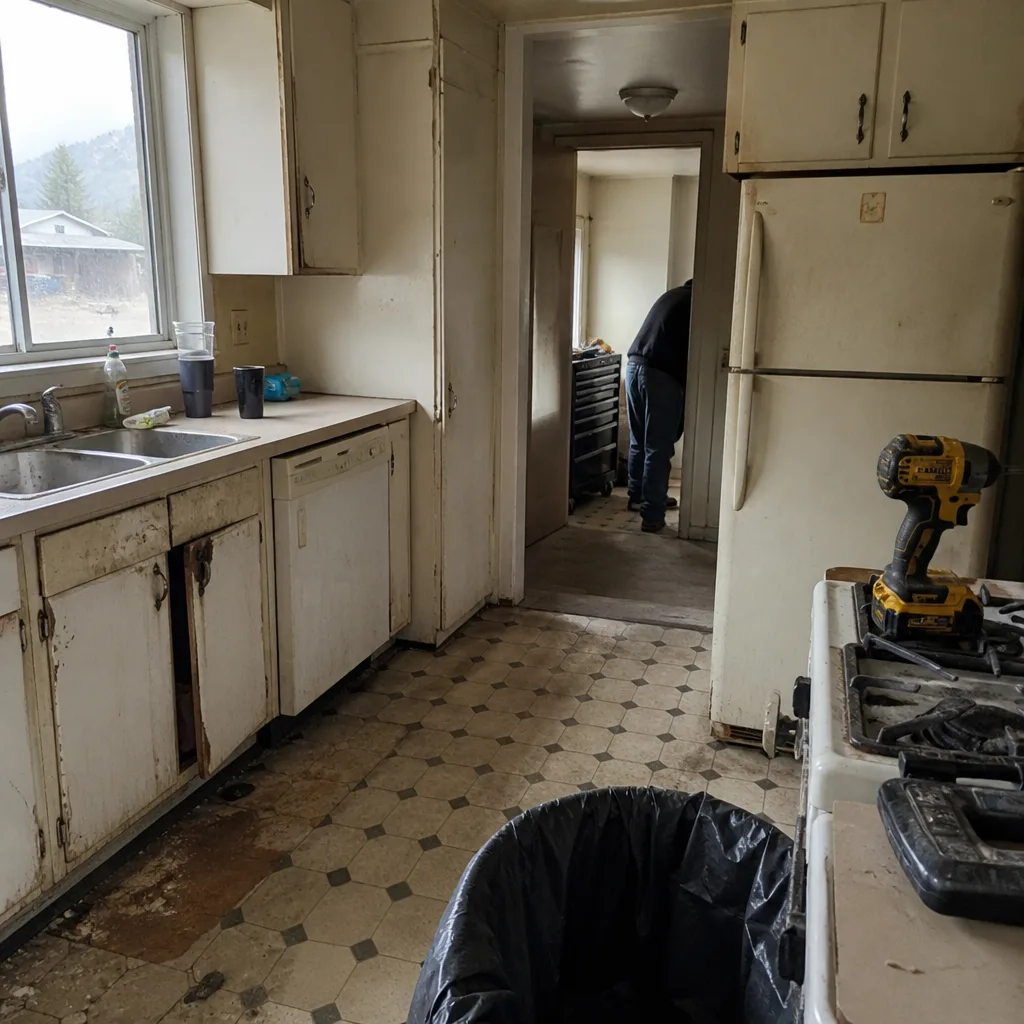 Before
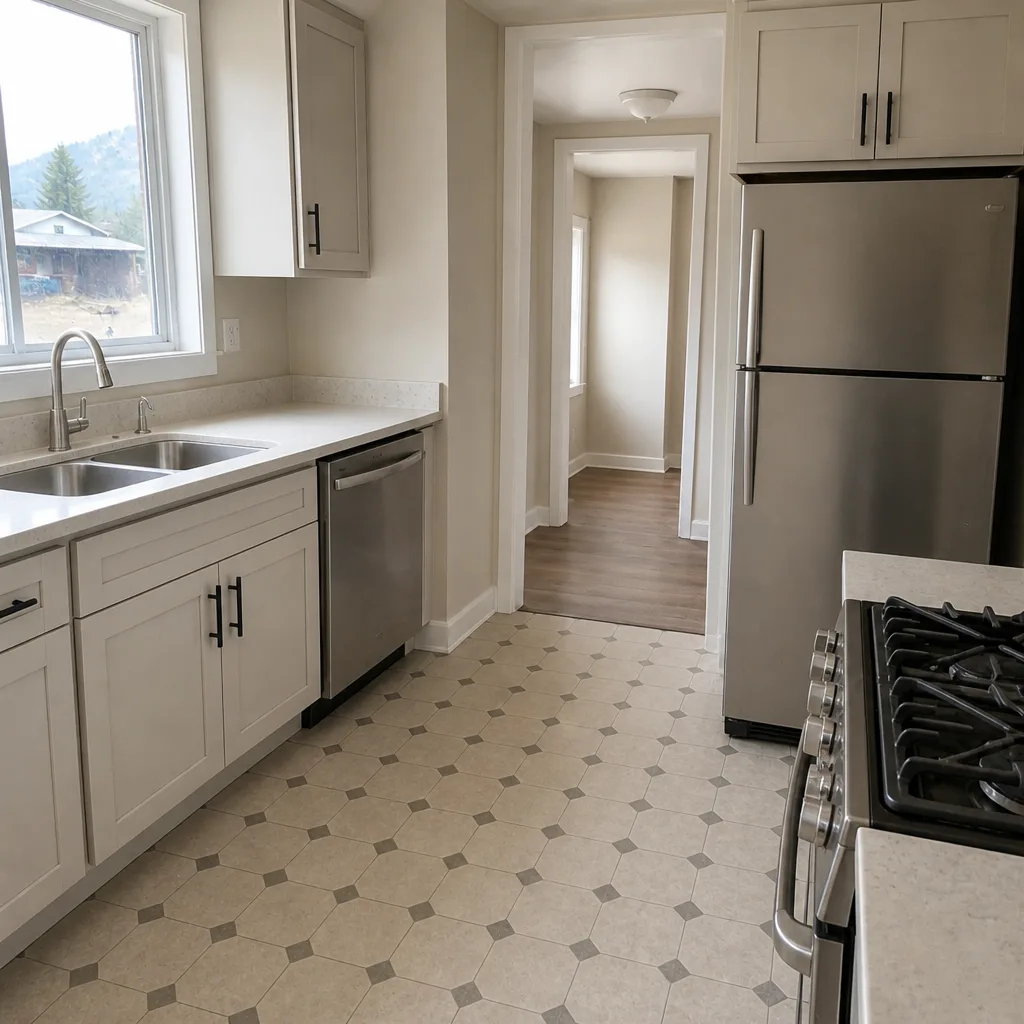 After
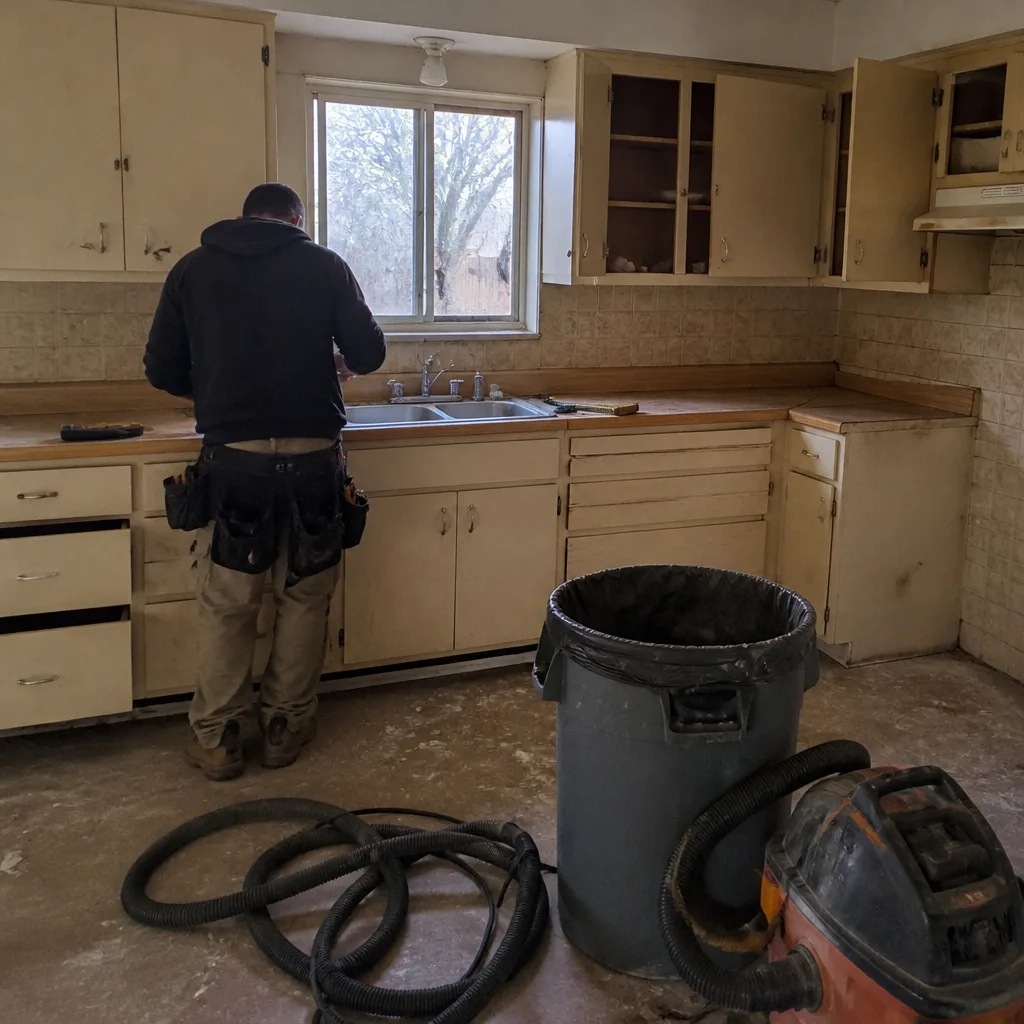 Before
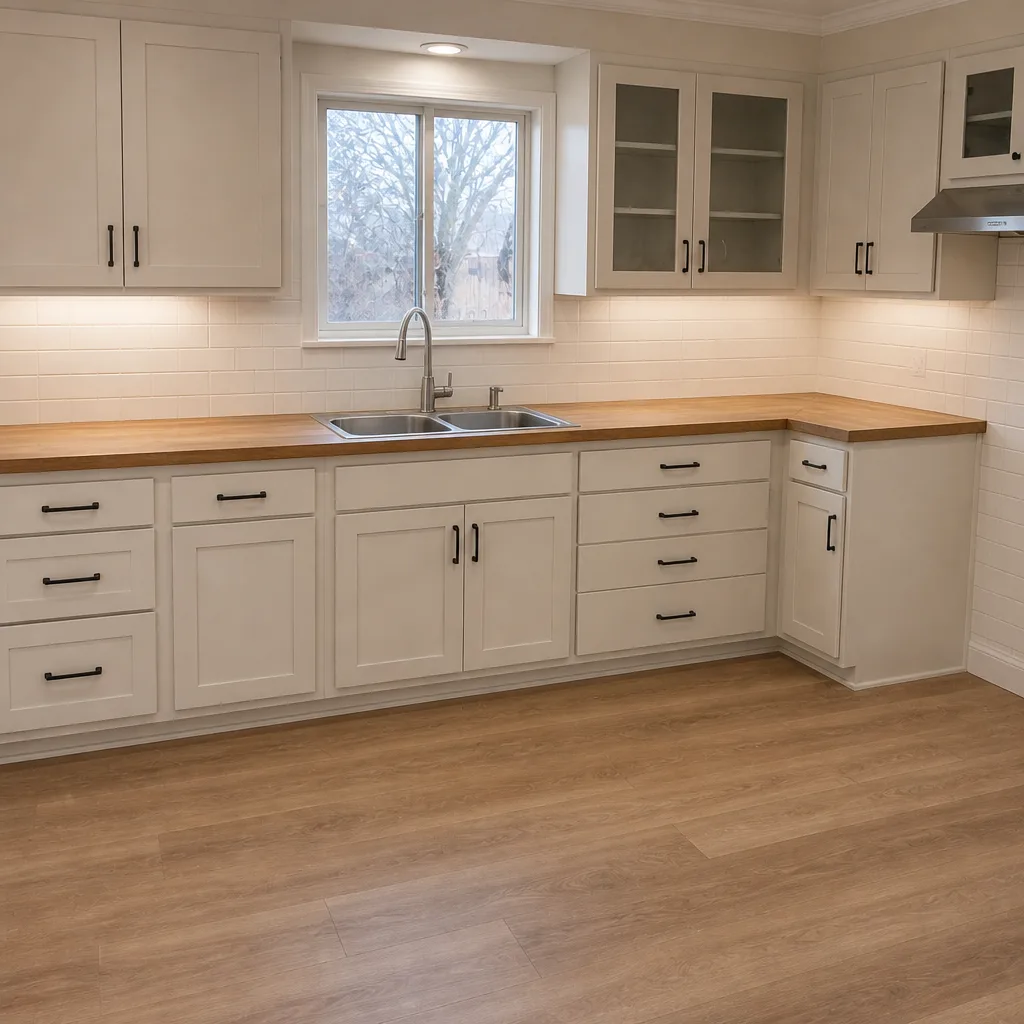 After
Frequently Asked Questions

Yes, for any structural, electrical, gas or plumbing work, and for most additions or reconfigured walls. Cosmetic surfaces and like-for-like fixture swaps usually don’t require one. Confirm the threshold with Clark County before you start, and call (844) 797-6157 if you’d rather have a licensed firm handle the permitting for you. Estimates are free.
Unpermitted, non-compliant work can cause a claim denial if the loss traces back to it. Insurers exclude losses from work that didn’t meet code, and unpermitted work is presumed non-compliant. A permitted, professionally documented project protects your coverage. Call us for a free written estimate on anything that requires a permit.
Low desert humidity and fast thermal cycling make thin-set and grout cure too quickly, weakening the bond and stressing the joints. Standard humid-climate technique makes it worse. Pros here use dry-climate mixes, work in small batches and specify flexible grout and sealant. Call (844) 797-6157 for an exact quote on a tile job done to local spec. Estimates are free.
Yes. HOA approval and county inspection are separate systems, and the board can reject work that passes code if it violates the CC&Rs or lacks required contractor documentation. Get written architectural approval before work begins. If you need contractor paperwork for the board, call us and we’ll walk you through it.
A professional bid includes materials, waste, tools, permits, labor and a written warranty, while DIY bids usually leave out the waste factor, tool rental, permits and your time. Once those are added, the gap is often smaller than the sticker shock suggests. Call (844) 797-6157 for a free line-itemized estimate so you can compare honestly.
With a written price delivered before any work begins, it shouldn’t. Ours is fixed and line-itemized, with no surprise invoices at the end. That’s standard on every project, not an upgrade. Call (844) 797-6157 to schedule your free estimate and get your written price.
The Bottom Line
The DIY-versus-pro decision in Enterprise is less about your skill and more about what surrounds the work: Clark County permits, insurance exposure, HOA documentation and desert-specific material behavior. Paint and fixture swaps are yours to take on. Anything structural, electrical, gas or permit-triggering belongs with a licensed professional, and the warranty, inspection record and resale paper trail are worth more than the savings. When you’re ready to compare a real bid, call (844) 797-6157 for a free estimate. You’ll get a written price before a single tool is unpacked, and our technicians bring up to 22 years of experience to the job.
Written by the team at Mason Remodeling Enterprise.