Last updated November 17, 2026







Free written scope consultation - allowances, timeline, and change-order rules on paper before a single trade is scheduled
Bathroom Remodeling Warning Signs Every Homeowner Should Know
A contractor who never says the words “waterproof membrane” before the first tile goes up has already scheduled your callback, whether you know it or not. That’s the part most homeowners miss: bathroom failures are patient. They hide behind fresh tile and new grout for 18 months, then show up as a soft spot under the floor or a musty smell that won’t leave. In our experience across Enterprise, the warning signs that matter most show up in the questions a contractor asks, the products they name, and the way they treat a wet wall versus a dry one. This guide covers what to ask before demolition, what to watch during installation, and the specific tests that separate work that lasts from work that only looks finished.
Quick Answer
The biggest bathroom remodeling warning signs are vague answers about waterproofing materials, tile set without proper spacing or cure time, caulk used to fill structural gaps, and a warranty that excludes the exact work most likely to fail. If a contractor can’t tell you the backer board, membrane brand, and drain flashing method before demo starts, that’s the sign to pause. In Enterprise, where dry desert air masks slow leaks until they’ve done real damage, these quiet shortcuts are the ones that cost the most.
Styles & brands we work with
- Kitchen remodeling
- Bathroom remodeling
- Home additions & ADU
- Roofing
- Windows & doors
- Driveway & pavers
- Fence
Table of Contents
- The materials questions to ask before demo starts
- On-site warning signs during installation
- Why the final walkthrough is not the time to approve work
- Work that passes inspection but fails within two years
- What a bathroom warranty document should actually cover
- Why bathroom failures look different in Enterprise
- Common mistakes to avoid
- Frequently asked questions
The Materials Questions to Ask Before Demo Starts
A bathroom remodel lives or dies on materials you’ll never see again once the tile is up. That’s why the pre-demo conversation tells you more than any finished photo. A contractor who expects to do this right will name products without hesitation; one who plans to improvise will wave the question away. In our experience, the hesitation is the tell.
Ask these five questions before anyone swings a hammer:
- What backer board are you using, and where? Acceptable answers name a specific cement or gypsum-fiber board for wet areas, not drywall and not “green board” alone. The floor, walls, and shower surround should each get the right product, and the contractor should say which is which.
- What waterproof membrane, and what brand? Names like Schlüter-KERDI, Laticrete Hydro Ban, or a comparable liquid or sheet system mean they can tell you the spec. “We seal it good” is not an answer.
- How are you flashing the shower drain? There’s a specific method: a bonded flange, a pre-slope to the drain, and a membrane turned up the wall several inches. Ask them to describe it. If they can’t, they’ve likely never pulled up old tile to see what a failed drain seal does.
- What thinset and grout system? Modified thinset for most tile, epoxy or sealed cement grout in wet zones. The brand matters less than whether they name one.
- Are you pulling the plumbing and electrical permits? In Enterprise and across Clark County, moving a drain, adding a receptacle, or relocating a shower valve requires inspection. A contractor who wants to skip permits expects you never to sell the house or need an insurance claim.
The answers do two things at once. They prove the contractor understands wet-area work, and they get the plan on the record. When a written price arrives, the scope should match those answers, item by item. That’s the way a bathroom remodeling in Enterprise project should start: scope, price, and materials all written down before tools come out of the van.
On-Site Warning Signs During Installation
Once the work begins, the shortcuts happen on the wall in front of you. You don’t need to be a tradesperson to spot the big ones. A tile setter working quickly but correctly looks methodical; one cutting corners looks like they’re racing. Here’s what to watch for during the install phase in an Enterprise bathroom.
- Tile set with no spacers or leveling clips. Spacers and clips keep grout lines even and prevent lippage, where one tile’s edge sits higher than its neighbor. A crew setting tile by eye on a wall is trusting luck.
- Grout applied before the thinset cures. Thinset needs time to cure before grouting. Grouting the same day is a shortcut that traps moisture under the grout and can cause cracking or a haze you can’t get out. Ask the schedule: grout should come after the adhesive has fully set.
- Caulk used to fill a structural gap. Caulk belongs at the joints where two planes meet, like the wall and the tub, to absorb movement. If you see a contractor using caulk to fill a gap where a stud or backer board should have gone, that’s a structural issue being hidden. Caulk will fail within a year.
- No exhaust fan ducted to the outside. A fan that vents into the attic or just into the ceiling cavity is worse than no fan at all. It pushes moisture into the structure. The duct should run outside with a smooth metal pipe, not a flexible foil one that sags and traps water.
- Unprotected subfloor during the project. A bathroom floor should be covered or protected between phases. A crew that leaves plywood or cement board exposed to spill water creates a wet subfloor you’ll never see.
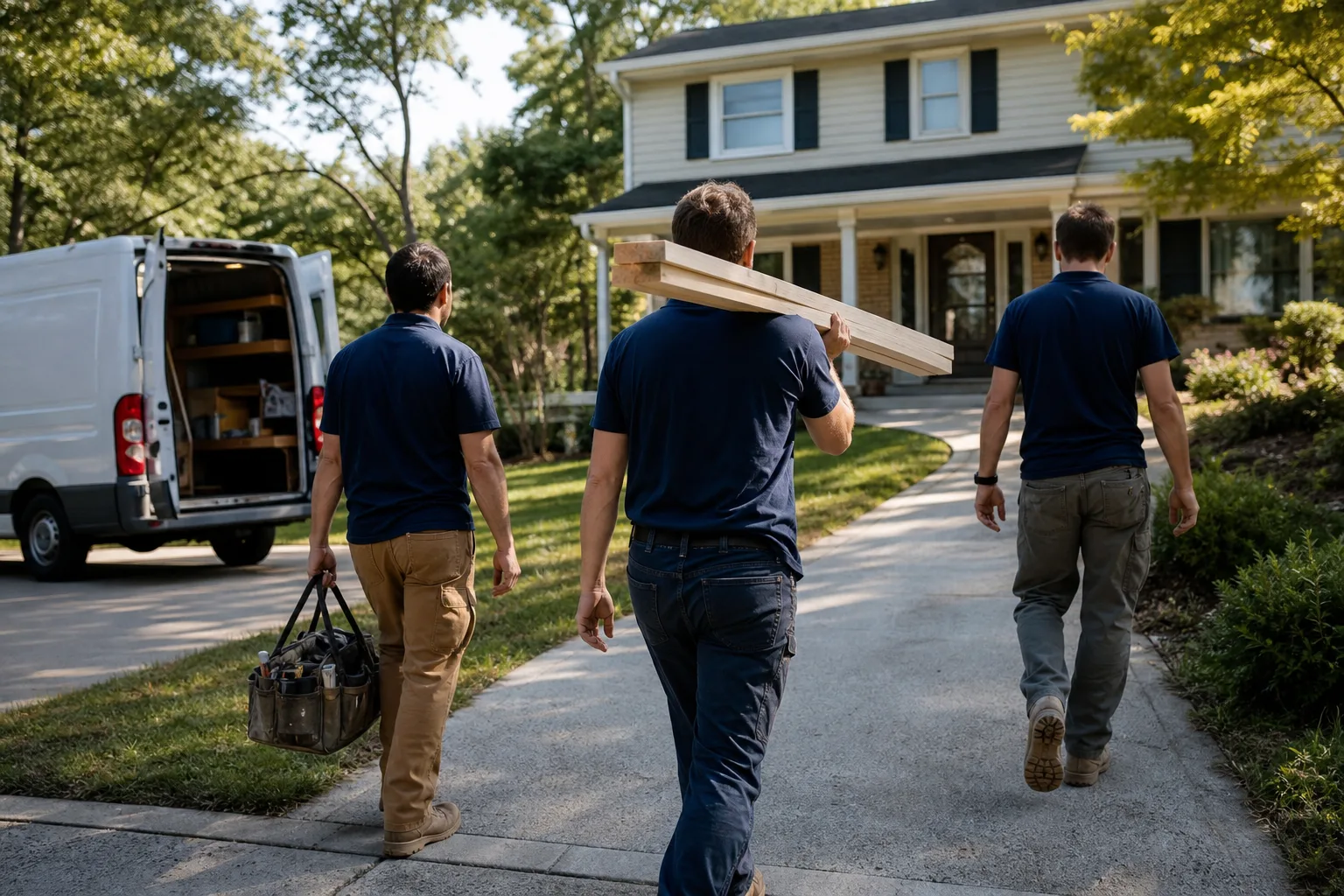
The crew itself is a warning sign too. If nobody introduces themselves, if there’s no uniform or badge, if you don’t know who’s in your house, that’s not just courtesy. That’s a sign the company doesn’t run a real verification process. The Threshold Standard is our answer to that: every technician is background-checked, identity-verified, and introduced by name and photo before the visit.
Why the Final Walkthrough Is Not the Time to Approve Work
The final walkthrough is tempting to sign off on. The bathroom looks great, the towel bar is on, the paint is dry. Resist. This is the last moment you have leverage, and most homeowners spend it saying “looks good” instead of actually testing. In our experience, a five-minute inspection done correctly catches more problems than a year of waiting.
Before the contractor considers the job closed, do these checks yourself:
- Run the shower for ten minutes. Watch the ceiling below if you can access it, and look at the base of the shower from the adjacent room. A slow leak that shows up later usually reveals itself in the first ten minutes of running water.
- Test the exhaust fan airflow. Hold a square of tissue against the grille. It should pull tight and stay. If it flutters or drops, the fan is underpowered or ducted wrong.
- Look at the caulk line along the tub and floor. Fresh caulk should be smooth and continuous. Gaps, jagged lines, or caulk smeared into grout joints mean rushed work.
- Check that the toilet doesn’t rock. A rocking toilet means the flange is wrong or the floor isn’t level. Both cause slow leaks under the floor.
- Open and close the shower door five times. It should swing clean without a rub or sag. Any drag means the hinges are set wrong or the tile wall is out of plumb.
- Ask for the final invoice and the warranty document together. If the warranty isn’t in writing at closeout, it doesn’t exist.
Walkthroughs aren’t the end of the job for us. A written price before the work, and a written guarantee after, are standard on every project. A general contractor in Enterprise who treats both as optional has told you what to expect when something fails.
How to Spot Work That Passes Inspection but Fails Within Two Years
Some of the worst bathroom work in Enterprise passes visual inspection without a single correction. The reasons are usually hidden: a hollow tile, a caulk line that’s too rigid, a fan that handles half the airflow it should. These failures take 18 to 24 months to surface, and by then the contractor is long gone. Three tests catch most of them.
- The hollow tile test. Tap every tile on the wall with the handle of a screwdriver or a coin. A solid, glued tile gives a dull, consistent thunk. A hollow, echoing tap means the tile is not fully bedded in thinset. That’s a tile that will pop or crack once moisture gets behind it. Test the shower walls, the tub surround, and the floor. In our experience, hollow spots appear most in the corners where a setter was hurrying.
- The caulk flexibility check. Press the caulk line at the tub and floor with your thumb. It should give slightly and spring back. If it feels rigid like plastic, it’s a cheap caulk or a heavily filled one that will crack within a year, especially in the dry Enterprise climate where joints move.
- Exhaust fan airflow verification. A bathroom fan should exchange the air in the room about eight times an hour. When in doubt, a moisture test tells the story: after a hot shower, the mirror should clear in a few minutes with the fan on. If the mirror stays fogged for fifteen minutes, the fan, the duct, or the vent is wrong. That missing airflow is what causes mold behind the paint.
None of these tests require a tool. A coin, a thumb, and a shower do the work. Do them before the job closes out, not after.
What a Bathroom Warranty Document Should Cover
A warranty is the contract for what happens when something goes wrong. The document’s real value shows up in the exclusions. A warranty that covers the “visible workmanship” of your bathroom but excludes waterproofing, tile adhesion, subfloor moisture, or plumbing rough-in isn’t a warranty; it’s a promise that the one failure most likely to happen won’t be covered.
A bathroom warranty that means something covers:
- Waterproofing and tile systems. The membrane, backer board, thinset, and grout, including tile adhesion and any hollow-tile issue.
- Plumbing rough-in. The drain, the shower valve, and the supply lines installed during the remodel, for the full term.
- Subfloor and framing work. If the contractor pulled and replaced subfloor, that’s part of the record and should be covered.
- A clear term. “Backed by our guarantee” isn’t a term. “365 days from the completion date” is. Coverage that runs a full year catches the slow leaks the tile installs hide.
- A stated remedy. The warranty should say, plainly, that the contractor returns and corrects the work at no cost to you if it fails within the term.
What exclusions signal a contractor expects a callback? Watch for language that limits coverage to “normal wear and tear,” that excludes movement or settling, that voids the warranty if you don’t maintain grout yourself, or that shortens the term to something like 30 or 90 days on the waterproofing. Any of those is a contractor who already knows what’s coming.
A warranty that actually holds is the reason we attach the 365-Day Done Right Promise to every project, and a free return visit if a repair fails. If a remodeler in Enterprise gives you a warranty that fits on a single line, ask for the version that lists the exclusions. That’s the one you want to read.
Why Bathroom Failures Look Different in Enterprise
Enterprise sits in the Mojave, which means most of the year the air pulls moisture out of everything it touches. A wet wall dries fast on the outside and hides the moisture behind it. The classic bathtub leak that would drip through the ceiling within a week in a humid climate can sit in a wall for months, drying out during the day and feeding the wood at night. That slow, dry-climate cycle is why bathroom failures in Enterprise are less about puddles and more about musty smells, soft drywall corners, and a grout line that starts cracking in month 14.
There’s a second factor, and it’s the one most locals know: the calcium in Southern Nevada water. Hard water leaves scale on tile and grout, and a poorly sealed grout line pulls that scale into its pores. That’s cosmetic until it isn’t, because the mineral buildup holds moisture against the grout, and the grout breaks down. The right answer is epoxy grout or a proper sealer and a fan that runs after every shower. The wrong answer, in a dry climate that lets the surface dry, is trusting the sun to handle it.
If your shower shares a wall with an exterior wall, the sun heats that wall during the day and cools it at night. That thermal swing moves caulk joints. Cheap or over-filled caulk cracks first, and that crack lets a little more water in with each shower. An Enterprise remodeler who doesn’t plan for the temperature swing is building a failure into the bathroom. The materials and cure schedule have to match the climate, not a photo on Instagram.
Common Mistakes to Avoid
- Skipping the membrane conversation. A contractor who tiled without talking about waterproofing didn’t plan for water. Ask the brand and method before demolition, or find one who will tell you. In Enterprise, the dry air makes the eventual leak invisible for months.
- Approving the final walkthrough on looks alone. The bathroom can be pretty and the tile still hollow. Tap every tile, test the fan, check the caulk. Those five minutes save the year that follows.
- Accepting a verbal warranty. “We stand behind our work” isn’t a warranty unless it names the term and the exclusions. Get the document in writing before closeout, no exceptions.
- Letting a permit get skipped. Clark County requires plumbing and electrical permits for bathroom work that moves a drain, adds a circuit, or relocates a valve. Skipping the permit puts the resale and the insurance claim at risk.
- Using caulk to fix grout or a gap in the wall. Caulk absorbs movement at joints, that’s all it does. When it’s used to fill a structural gap, that gap will reopen within a year. Don’t let a crew talk you into it, and don’t let one hide it.
- Running a fan that vents into the attic. A ceiling cavity is not an exhaust. In Enterprise, the trapped moisture in the attic is the source of most bathroom-related damage calls we hear about. Confirm the fan ducts outside.
- Choosing on price alone. The low bid is usually the low price for a reason, and in a bathroom the reason almost always hides behind tile, where the fix costs more than the difference ever saved.
See the difference
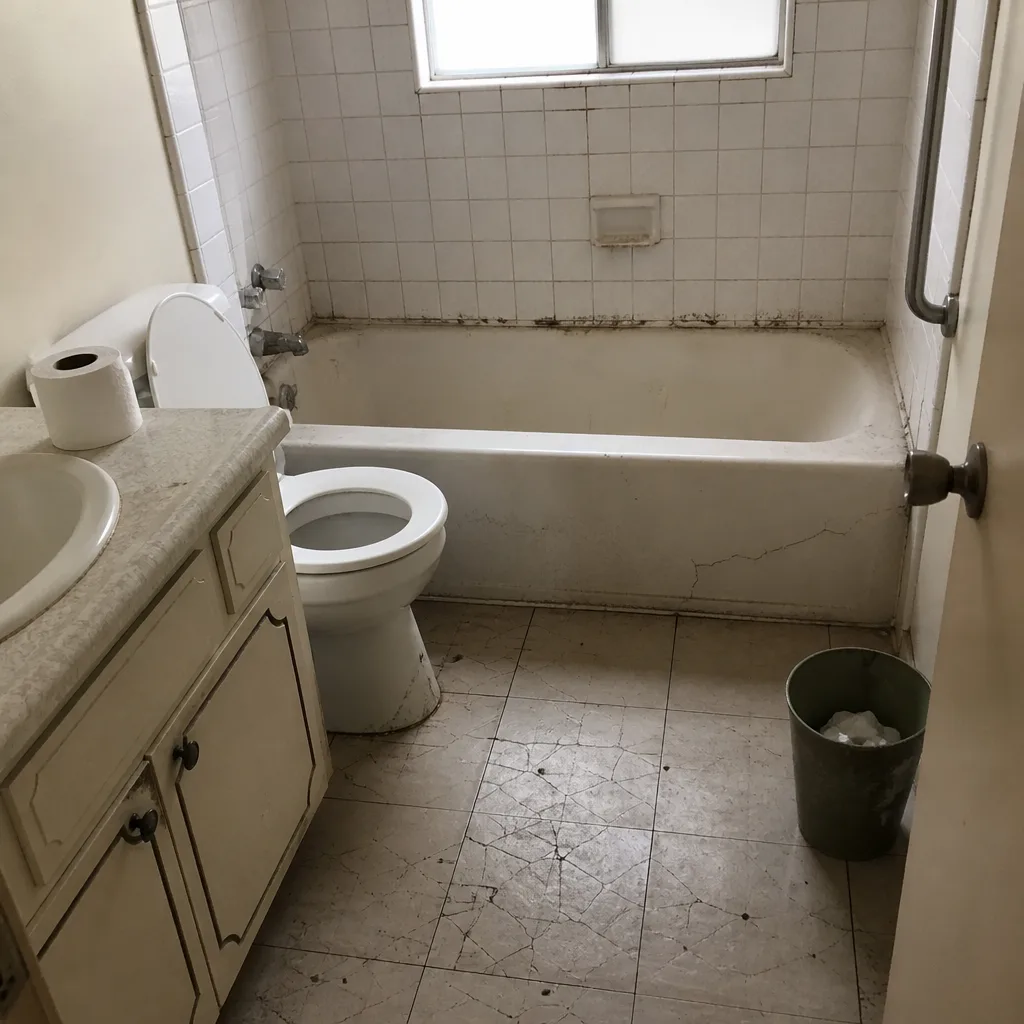 Before
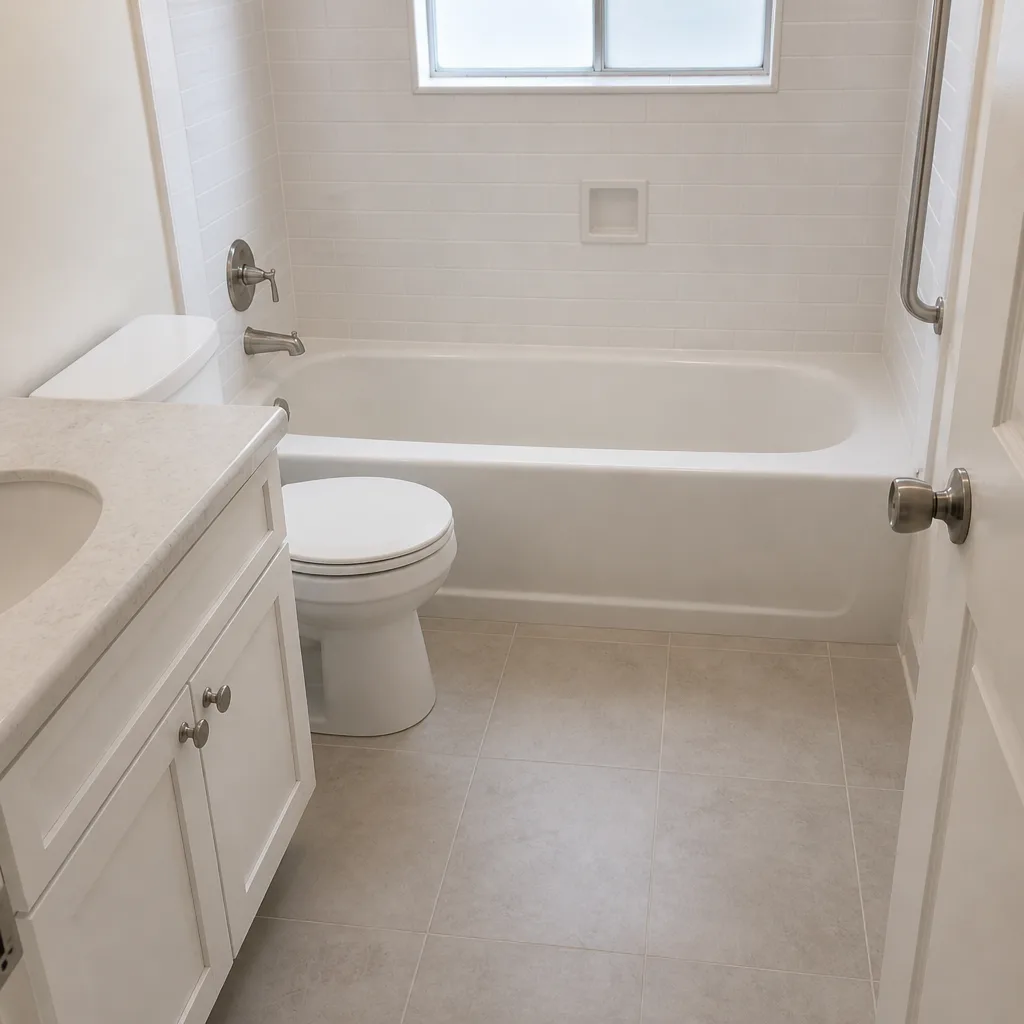 After
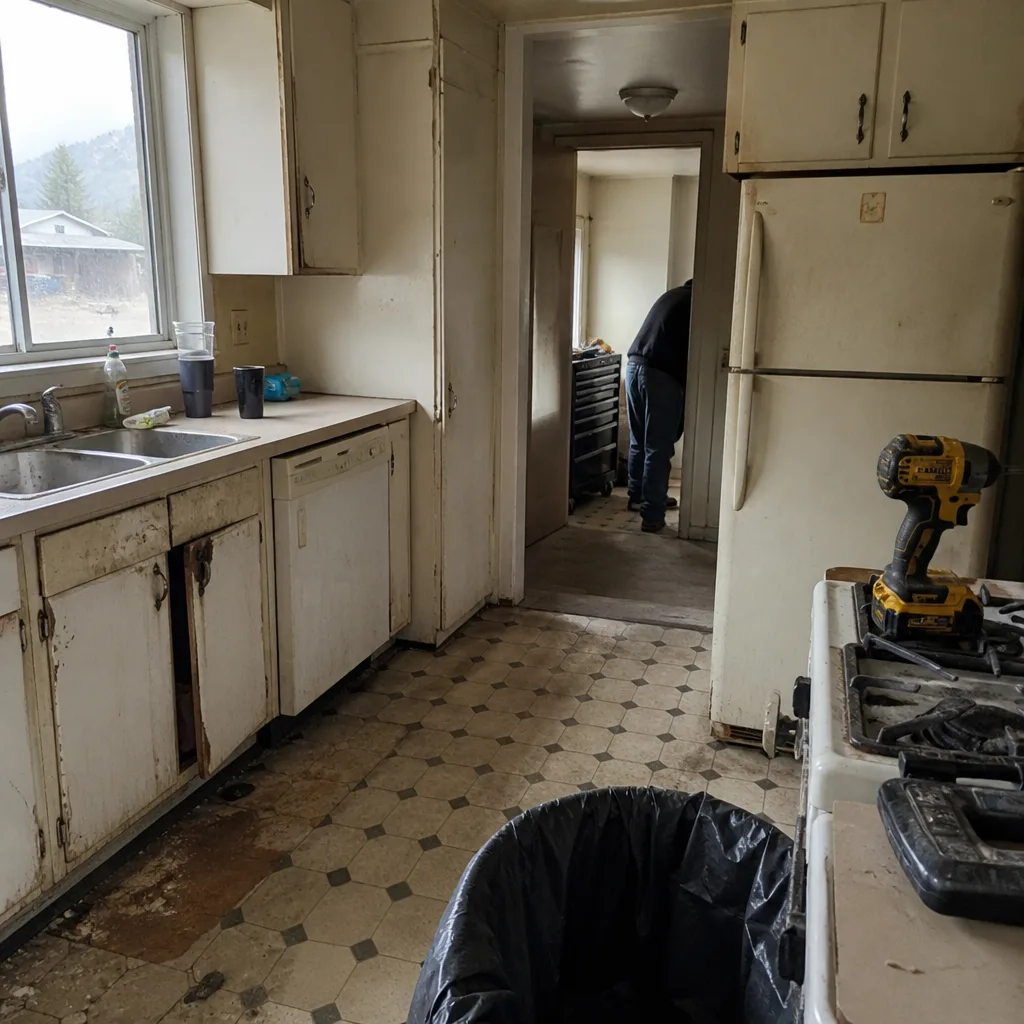 Before
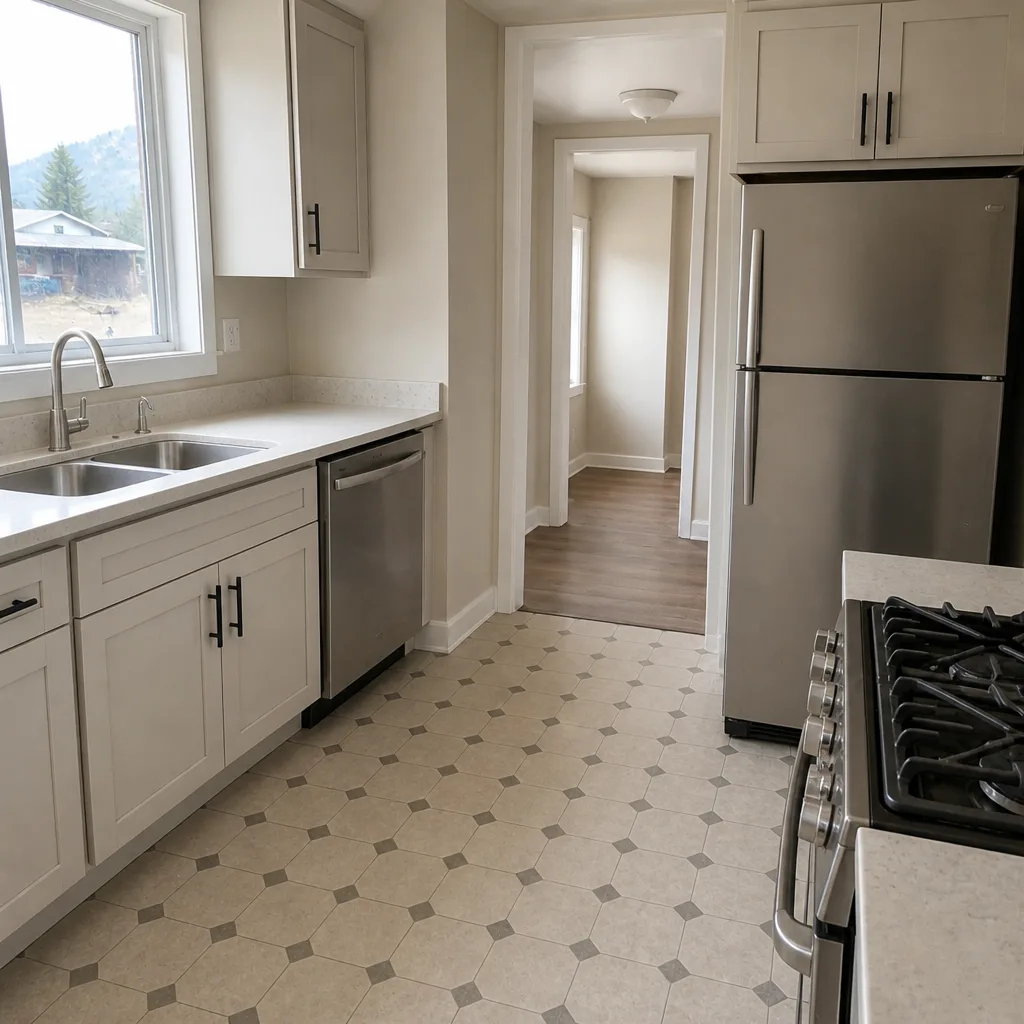 After
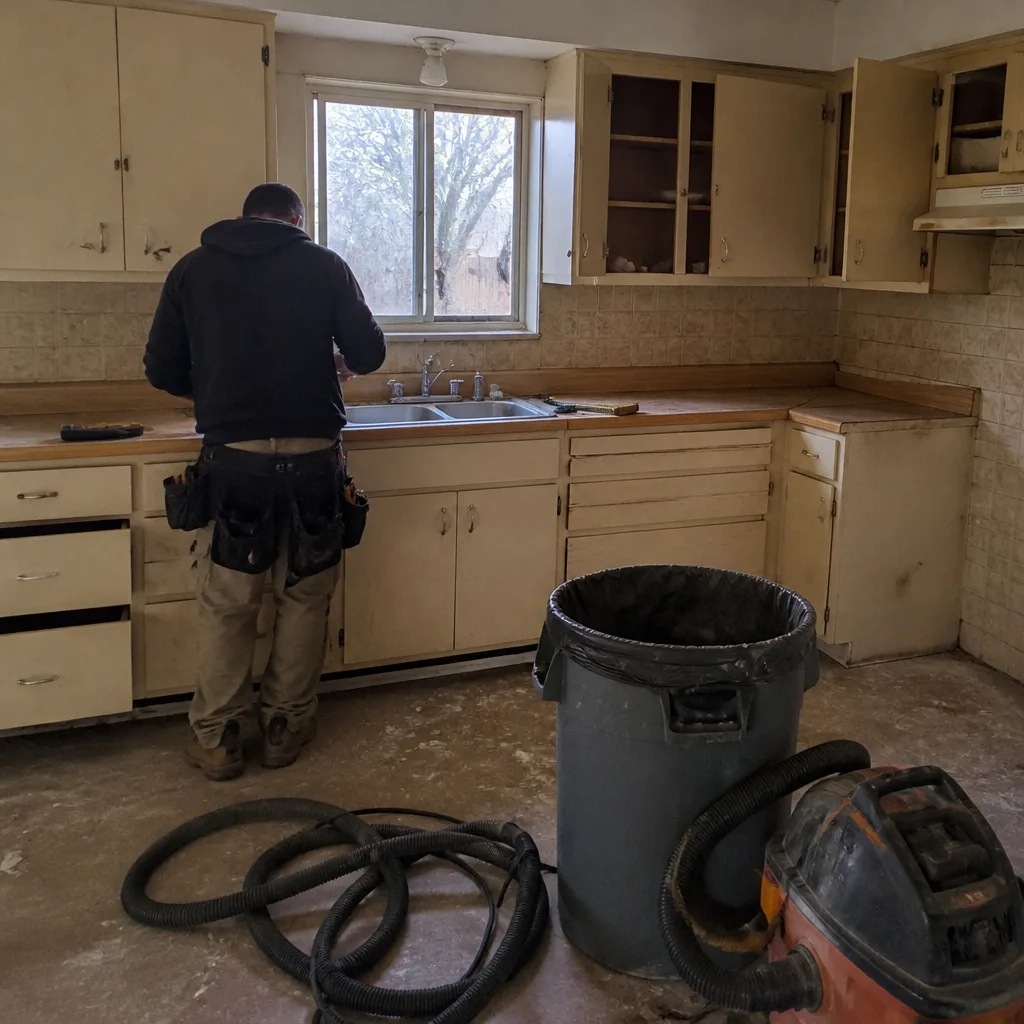 Before
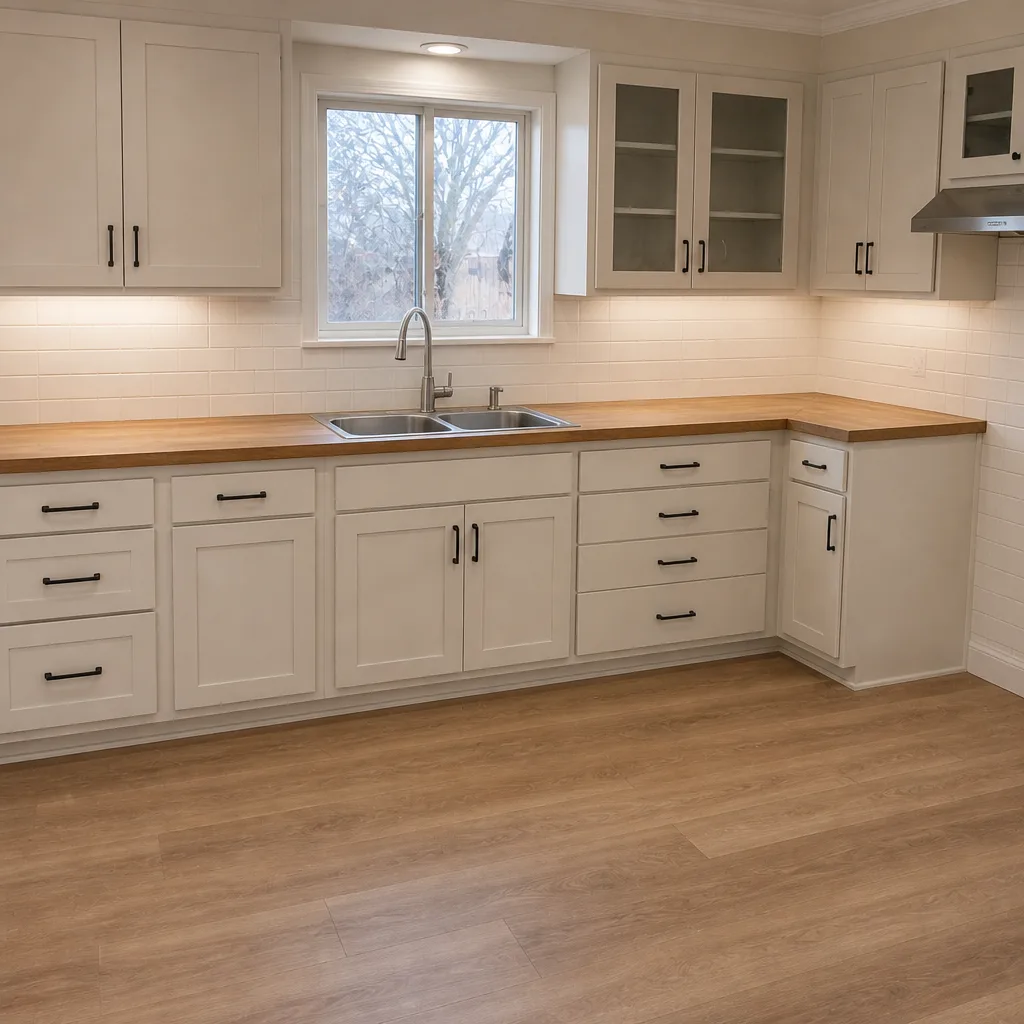 After
When to Call a Professional
If you’re buying a home in Enterprise and the bathroom has a fresh remodel with no permit history, call before you close. If a shower starts showing a soft corner, a musty smell, or a grout line that cracks in a way it didn’t the month before, that’s not a cosmetic issue, and it’s time to have the wall opened. If you’re planning a remodel and a contractor won’t discuss the membrane brand or the backer board spec before demolition, or hands you a warranty that excludes waterproofing, that’s the sign to pause and get a second quote. Mason Remodeling Enterprise offers free estimates in Enterprise, and the written price comes before any work starts. Call (844) 797-6157 to schedule yours.
Frequently Asked Questions
The clearest signs are a contractor who can’t name the waterproof membrane before tiling, tile set without spacers or leveling clips, caulk used to fill structural gaps, an exhaust fan that vents into the attic, and a warranty that excludes waterproofing and tile adhesion. Any one of those is worth a conversation; three of them together means stop. In Enterprise, the dry air hides the slow leaks those shortcuts cause, so the failure shows up months later as a soft spot or a musty smell. Call (844) 797-6157 for a free estimate if you want a second opinion before work proceeds.
Tap every tile with a coin or a screwdriver handle. A solid thunk means the tile is fully bedded in thinset; a hollow echo means it isn’t, and that tile will fail. Check the grout lines for even width and confirmation that the setter used spacers or clips. In our experience, hollow spots cluster in corners and along the wall-floor joint, so test those first. If the wall has more than a couple of hollow tiles, the fix is to reset those, not to ignore them.
A real warranty covers waterproofing and tile adhesion, plumbing rough-in, subfloor and framing work, with a stated term that runs at least a year from completion. It should also name the remedy in plain language: the contractor returns and corrects the failure at no cost to you. Watch for exclusions around movement, settling, or grout maintenance, and for a term that’s shortened to 30 or 90 days on the waterproofing. Those exclusions signal a contractor who expects a callback. Call (844) 797-6157 and we’ll walk you through what our written guarantee covers and what it doesn’t.
Yes. If the project moves a drain, adds a circuit, or relocates the shower valve, we pull the plumbing and electrical permits and pass the inspections in Enterprise and across Clark County. An unpermitted bathroom remodel is a resale risk and an insurance risk, and it’s the first thing an appraiser or a buyer’s inspector flags. Ask any contractor you interview whether permits are included in the written price. If the answer is vague, that’s the warning sign. Call (844) 797-6157 to talk through your project.
Most bathroom remodels run three to six weeks, depending on size, tile complexity, and whether plumbing or the layout moves. The timeline should be written into the project schedule up front, and delays are worth questioning early, not at the end. Curing time for thinset and grout actually sets the pacing in a correct job, so a crew moving faster than the schedule allows is a warning sign, not a bonus. Call (844) 797-6157 for an estimate with a realistic timeline.
It shouldn’t. A written price before the work starts, itemized to include materials and labor, is how a bathroom remodel should be priced, and any change from that price should come from a change you request, in writing. Surprise invoices and verbal estimates that grow at the end are among the most common remodeling complaints. We put the written price on every project, and the terms of what’s included and excluded are spelled out. Call (844) 797-6157 to schedule your free estimate.
The Bottom Line
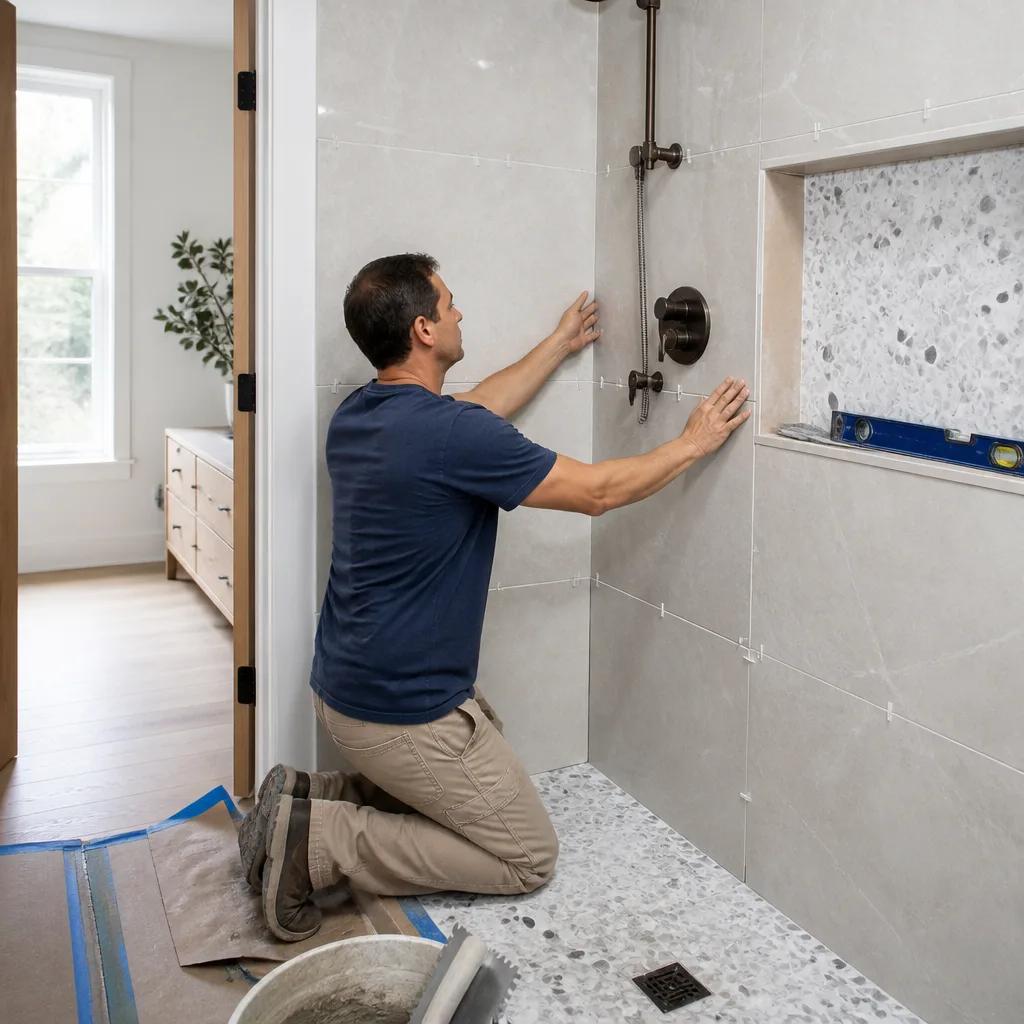
The warning signs worth your attention in a bathroom remodel are almost never the ones you can see from the doorway. They live in the materials a contractor names before demo, the way tile is set and grouted, the airflow from your exhaust fan, and the exclusions in a warranty document. In Enterprise, the dry climate hides those failures for a year or more, which makes the pre-demo questions and the final walkthrough checks worth more than any testimonial. Get the membrane, the backer board, and the drain flashing method in writing. Get the warranty terms in writing. And if a contractor hesitates, that’s your answer.
Written by the team at Mason Remodeling Enterprise.
Ready to talk through your bathroom project? Call Mason Remodeling Enterprise at (844) 797-6157 for a free estimate, a written price before any work starts, and a crew introduced to you by name and photo before they arrive.