
Last updated November 17, 2026








Free written scope consultation - allowances, timeline, and change-order rules on paper before a single trade is scheduled
Home Remodeling Troubleshooting: Common Problems and How to Fix Them
When three things go wrong in the same week of a remodel, it’s rarely bad luck. In our experience across Enterprise, it’s usually a scheduling collapse, and a homeowner can spot it long before it turns into a legal dispute. A single crooked tile is a workmanship problem. A crooked tile, a cabinet that won’t close, and a light switch in the wrong place are a coordination problem, and they need a completely different conversation. This guide teaches you to tell the difference, document it properly, and know exactly what recourse looks like when a contractor stops calling you back.
Quick Answer
Most whole-home remodeling problems are not individual workmanship failures. They’re coordination failures between trades: the electrician who roughed in after the drywall hung, the cabinet installer who arrived before the flooring cured, the HVAC crew whose ductwork collided with a new beam. The fix depends entirely on which of the three you’re dealing with – a workmanship defect, a design conflict, or a coordination failure – because each one requires a different conversation, a different person, and a different remedy.
Styles & brands we work with
- Kitchen remodeling
- Bathroom remodeling
- Home additions & ADU
- Roofing
- Windows & doors
- Driveway & pavers
- Fence
Table of Contents
- The Three Kinds of Remodeling Problems (and Why the Difference Matters)
- The Documentation Method That Gives You Leverage
- The Five Most Common Whole-Home Remodel Failures
- Your Recourse in Nevada When a Contractor Won’t Return
- How to Read a Written Price Document and Find the Gaps
- How the Trades Should Sequence (and How to Spot a Collapse)
- Why Enterprise Homes Present Specific Troubleshooting Challenges
- When to Call a Professional
The Three Kinds of Remodeling Problems (and Why the Difference Matters)
Before you pick up the phone, sort the problem into one of three buckets. Getting this wrong is how homeowners waste weeks arguing with the wrong person.
Workmanship defect. The work itself is wrong. Grout that cracks within a month. A door that rubs the frame. A faucet that drips on day one. One trade is responsible, the fix is local, and the remedy is a return visit under the workmanship guarantee.
Design conflict. Two good intentions that don’t fit. The pendant lights you chose sit exactly where the range hood has to vent. The vanity you love is two inches too deep for the plumbing rough-in. Nobody did anything wrong in isolation; the drawings didn’t reconcile. This is a conversation with whoever drew the plan, and it usually means a change order with a real cost attached.
Coordination failure. The work is fine, the design is fine, but the sequence broke. The tile setter arrived before the plumber finished rough-in, so the valve ended up off-center. Drywall went up before the electrician pulled his wire. When three unrelated things go wrong in one week, this is almost always what you’re looking at, and the remedy is a sit-down with the general contractor, not a call to any single trade.
Knowing which bucket you’re in tells you who to call and what to ask for. A homeowner who calls the tile setter about a coordination failure gets a shrug. A homeowner who calls the general contractor with photos and dates gets a schedule.
The Documentation Method That Gives You Leverage
Disputes are won and lost on records. When a contractor disputes responsibility, the homeowner with a clean paper trail wins the argument in ten minutes; the homeowner relying on memory loses it over three weeks. Build the file from day one, not after something cracks.
- Photograph every stage before it’s covered up. Open walls, rough plumbing, rough electrical, the subfloor before tile. Date-stamp every photo. These are the shots that prove what was behind the drywall.
- Keep a running log. One notebook or one spreadsheet. Every conversation, every promise, every date, and who said it. “March 14, project manager said cabinet delivery moved to the 21st” is worth more than a phone call you can’t produce.
- Cross-reference against the scope. When something looks wrong, find the line in the written price document that covers it and quote it back. “The scope says Schluter strip at the tile-to-floor transition” is a scope conversation, not an opinion.
- Confirm changes in writing. Any verbal change order is a future argument. A one-line text back to the contractor (“confirming we agreed to move the outlet to the left wall”) closes that gap.
- Photograph the finished problem. Wide shot, close-up, and something for scale. Timestamp it. Then send it in writing the same day.
That file does one very practical thing: it moves the conversation from “you said” to “the record shows.” Contractors respond to records.
The Five Most Common Whole-Home Remodel Failures
These come up again and again, and each has a root cause you can trace back to scheduling or scope, not skill.
- Finish work damaged by later trades. The new hardwood gets a ladder dropped on it because the painter came after the floor crew. Root cause: sequence. The protection plan (paper, hardboard, and a “no boots past this point” rule) should be part of the written scope.
- Electrical not roughed before drywall. An outlet ends up in a cabinet back or a switch gets buried behind a new backsplash. Root cause: the electrician wasn’t scheduled before the drywaller. It’s a coordination failure, not an electrical failure.
- HVAC conflicts with structural changes. A new beam or a relocated wall cuts a return path, or a duct ends up inside a closet. Root cause: nobody reconciled the mechanical drawings against the framing plan. This is a design conflict and needs the person who drew the plan.
- Plumbing rough-in off-center. The vanity isn’t centered on the sink, or the shower valve sits off-axis. Root cause: the plumber and tile setter worked off two different measurements, or the rough-in happened before the fixture was chosen.
- Cabinet and countertop mismatch. The countertop template gets cut before the cabinets are shimmed and level, so the seam gaps or the overhang is uneven. Root cause: the cabinet installer and the countertop fabricator weren’t sequenced against a level check.
Notice the pattern. In our experience, the majority of these trace back to the same failure: a trade was allowed to start before the trade it depends on finished and was signed off. That’s the thing to watch for and the thing the sequence section below teaches you to catch early.
Your Recourse in Nevada When a Contractor Won’t Return
This is the part nobody wants to think about, and it’s the part you need to know before you ever sign. Nevada gives homeowners real steps, but you have to take them in order.
Before the license board. Send a written demand describing the defect, the scope line it violates, and a reasonable deadline to return. Include your photo file and your log. Give the contractor a fair window to respond. If the contractor is licensed and reputable, this is usually enough. If your contractor delivered a written guarantee like the 365-Day Done Right Promise, the remedy is spelled out plainly and the return visit should be free – that written guarantee exists precisely so this step doesn’t become a fight.
After the license board complaint. If the written demand goes unanswered, you file with the Nevada State Contractors Board. The board can investigate, and depending on the case, order the contractor to correct the work or face discipline against the license. You’ll need the same records you’ve been keeping: photos, dates, the written price, the guarantee terms. From there, a homeowner may also pursue civil remedies for the cost to correct defective work. In serious cases, an attorney is worth the consultation.
The reason to insist on a written price and a written guarantee before work starts in Enterprise is simple: the day something goes wrong is the wrong day to discover the terms are fuzzy.
How to Read a Written Price Document and Find the Gaps
The written price is the document that prevents most disputes, and it’s the one most homeowners skim. Read it line by line before work starts, looking for these specific gaps.
- Scope language that’s vague. “Tile work” is not a scope. “Tile at bathroom floor and shower walls, Schluter strip at the floor transition, grout sealed” is. Vague language is where change orders grow.
- Missing allowance details. If there’s a tile or fixture allowance, find the dollar number and what happens if you go over. Undefined allowances are the single biggest source of “surprise invoices.”
- No protection plan. Look for how floors, counters, and cabinets will be protected and who pays if they’re damaged.
- No sequence or schedule. A written price should reflect who does what in order, and whether permits are pulled and inspections scheduled.
- No guarantee terms. If the guarantee isn’t written with a start date, a coverage window (365 days from the completion date, not “backed by our guarantee”), what’s covered, and what’s excluded, ask for it in writing before the first tool comes out.
The standard we hold to, and the one to ask any contractor for: a written price delivered before any work starts, every time, never waived. It’s not a favor or an upgrade. It’s the document that makes the rest of this guide unnecessary.
How the Trades Should Sequence (and How to Spot a Collapse)
Most coordination failures are preventable if the homeowner knows the expected order and can spot when it’s been broken.
- Design and permits. Plans drawn, reconciled, and permits pulled before demolition.
- Demolition and structural work. Framing and beams done, inspected, and signed off before anything gets closed in.
- Rough-in. Plumbing, electrical, and HVAC roughed, inspected, and approved before drywall.
- Insulation and drywall. Hang, tape, and finish, then a walkthrough to confirm every outlet and valve is where the plan says.
- Flooring and tile. Subfloor prepped and level, then set, then cured, carefully protected for the rest of the job.
- Cabinets and countertops. Cabinets shimmed and level, then templated, then the countertop cut and set.
- Finish work. Paint, trim, fixtures, and a punch walk before final inspection.
When you see the drywall hung before the electrical rough-in is signed off in Enterprise, or cabinets going in on a floor that hasn’t cured, you’ve found a coordination problem early enough to fix it cheaply. That’s the moment to raise it in writing, not a month later when the seam gaps.
Why Enterprise Homes Present Specific Troubleshooting Challenges
Enterprise sits in a desert climate with big temperature swings between day and night, and that matters for troubleshooting. Wood framing moves with that swing, which is why doors and cabinet seams sometimes show gaps or rubbing months after installation. Tile set over a subfloor that wasn’t acclimated can tent or crack as the seasons shift. We regularly see spring and fall shifts exposing work that looked fine at inspection.
Combine that with the pace of construction in Enterprise, where new builds and remodels often run on tight schedules, and coordination failures become more likely, not less. Sequence discipline is what keeps that from becoming your problem. When you’re choosing a contractor for a whole-home remodel in Enterprise, look for one that shows you who’s coming, in writing, and puts the price in writing before tools come out.
For a broader view of how a whole-home project should be structured, see our General Contractor in Enterprise page. If your project is focused on one room, our Kitchen Remodeling in Enterprise and Bathroom Remodeling in Enterprise pages walk through the sequencing specific to those spaces. And you can always start at the Mason Remodeling Enterprise home page to see how we run a project from first estimate to written guarantee.
Common Mistakes to Avoid
- Accepting a verbal estimate. A verbal number that grows on the final bill is the most common Enterprise dispute we see. Insist on a written price before any work starts.
- Not photographing the rough-in stage. Once the drywall goes up, you can’t prove what’s behind it. Shoot it, timestamp it, keep it.
- Letting the contractor pick the sequence unilaterally. Ask to see the schedule and the trade order. If it’s missing, ask for it in writing.
- Signing a change order you don’t understand. Every change order should state what changed, the new price, and the new date. Read it before you sign.
- Confusing a design conflict with a workmanship defect. Arguing with the trade about a plan problem wastes weeks. Take it to the general contractor or designer.
- Skipping the guarantee review. Ask exactly what’s covered, what’s excluded, and for how long, in writing, before the first tool comes out.
- Waiting too long to raise a problem. A crooked grout line caught in week one is a five-minute fix; caught in month six, it’s a redo. Document and report the same day.
See the difference
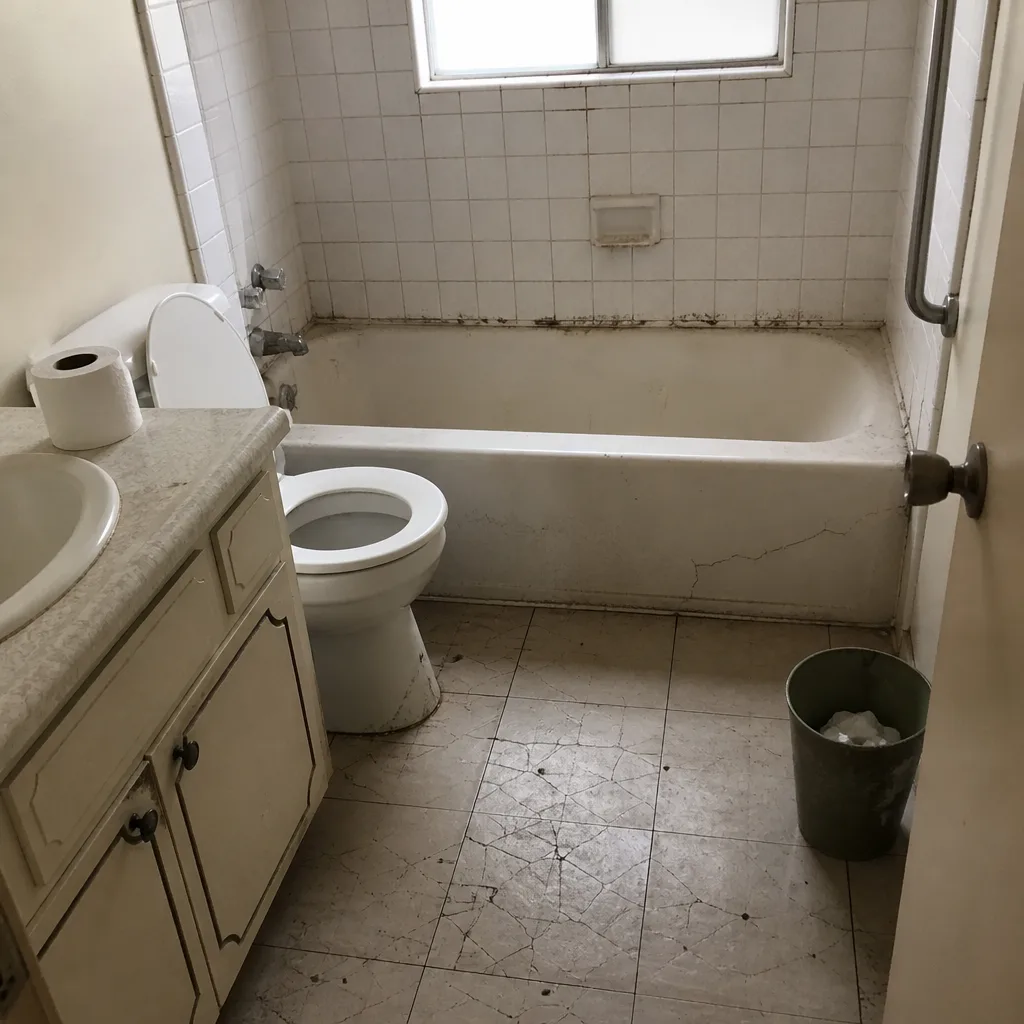 Before
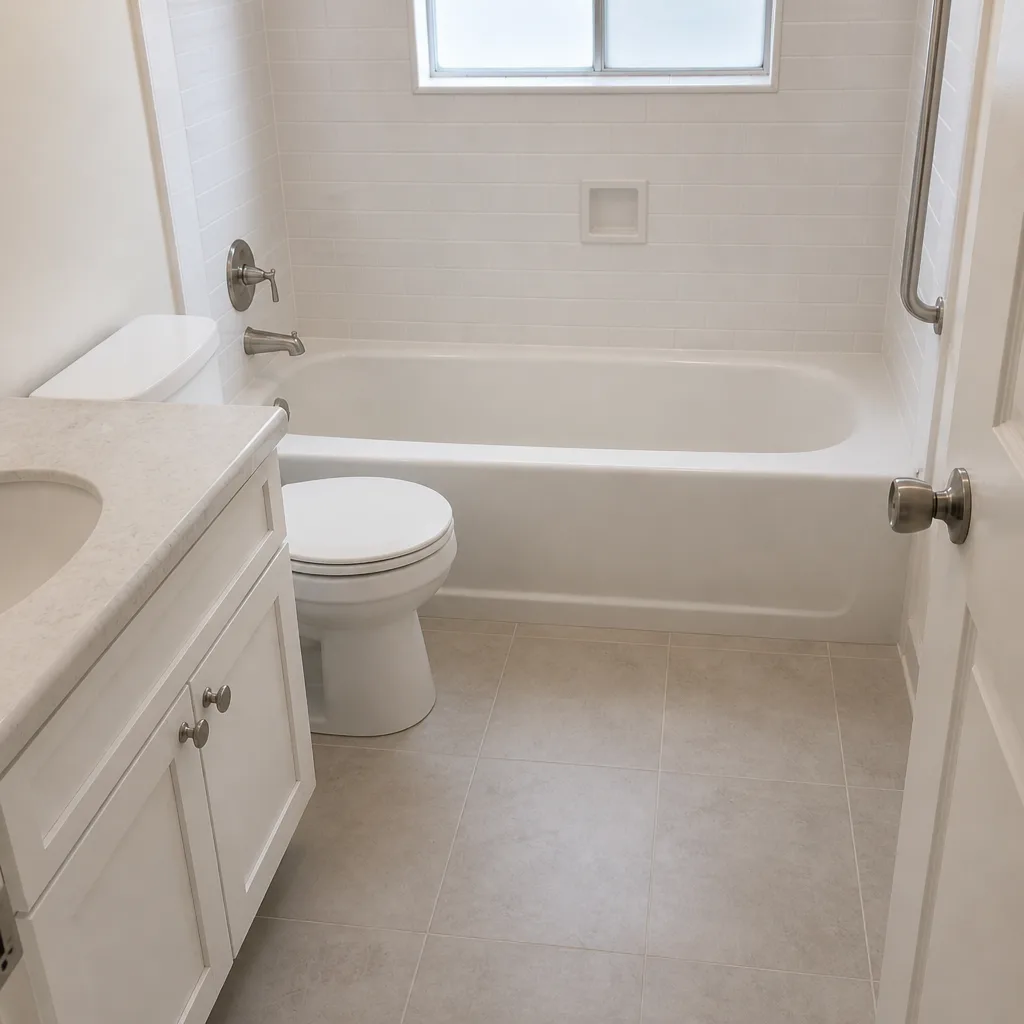 After
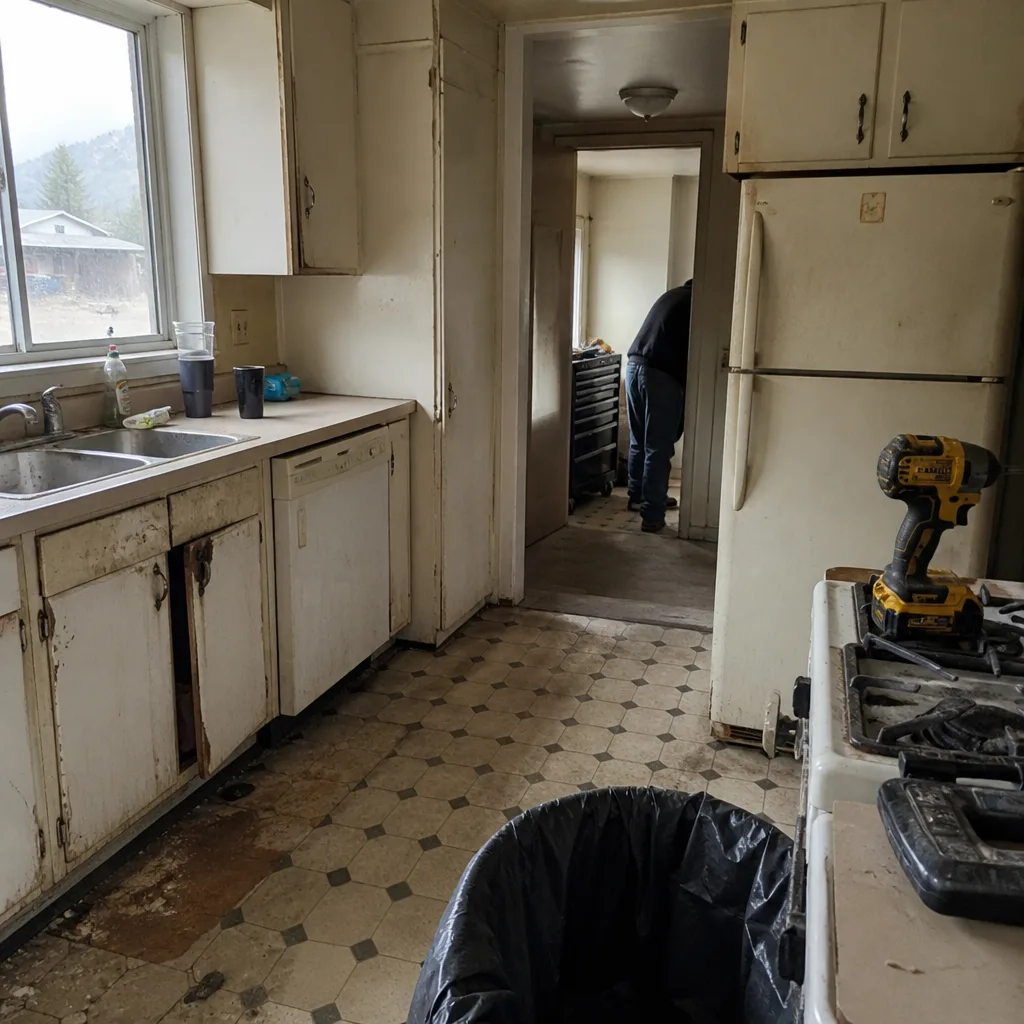 Before
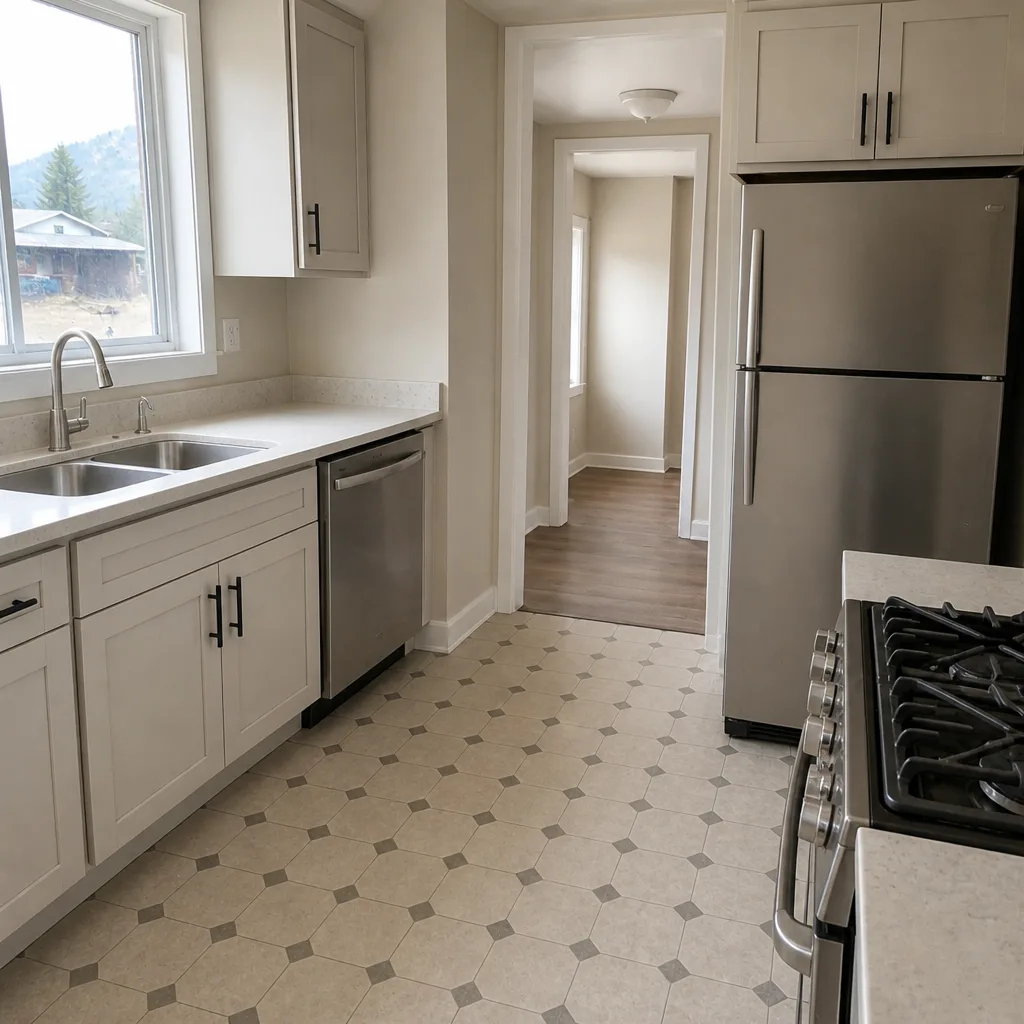 After
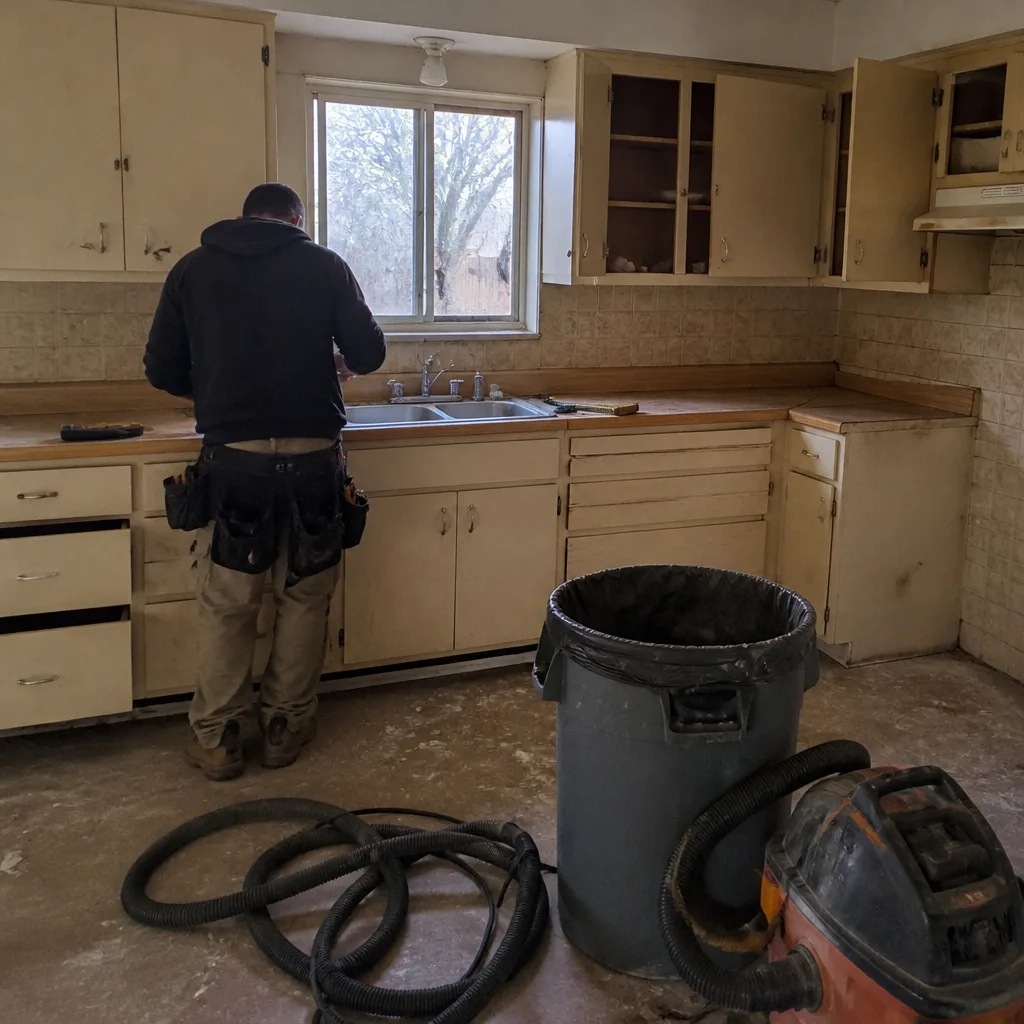 Before
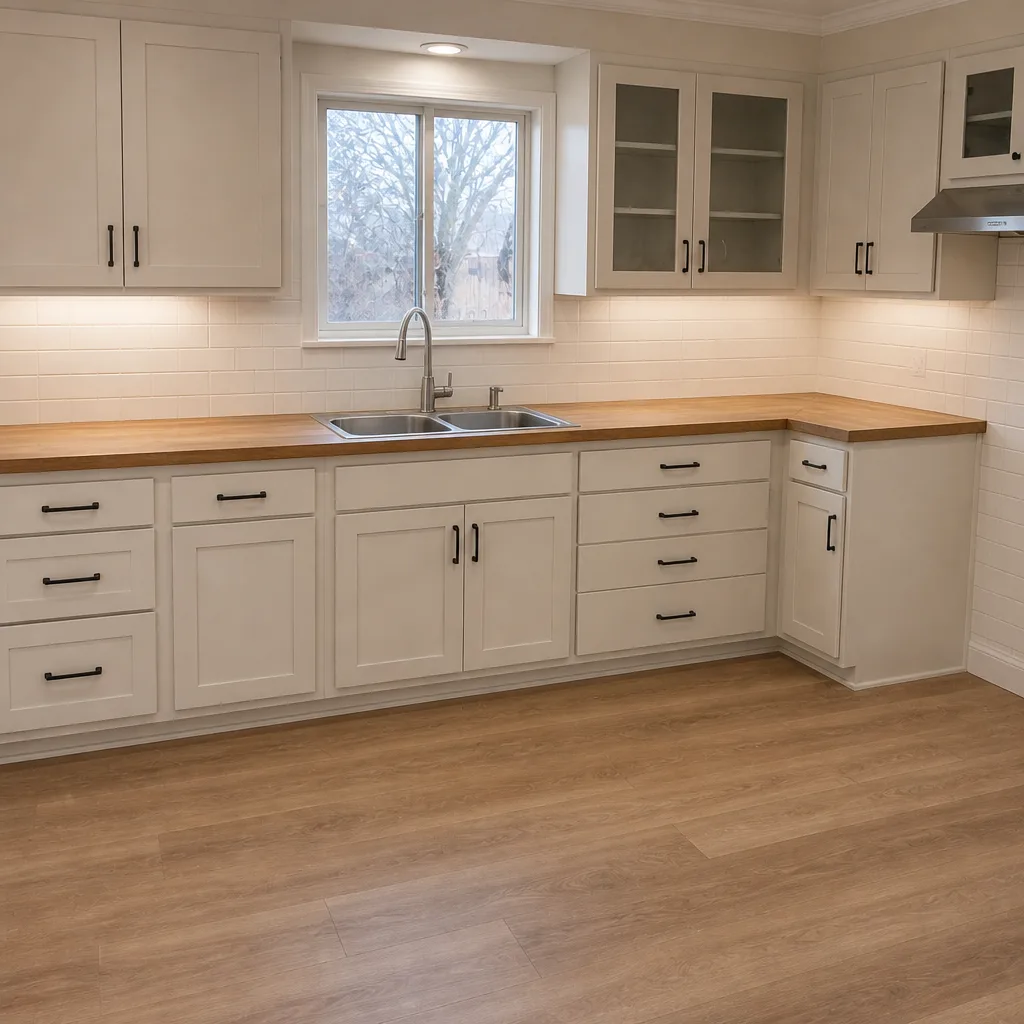 After
When to Call a Professional
Call a professional when structural elements are involved, when electrical or plumbing rough-in needs to be opened up again, when a coordination failure has already caused damage, or when a contractor won’t return to fix work under a guarantee. These aren’t the moments for a weekend patch, especially in an Enterprise home where HVAC and structural changes can collide. Electrical and gas work carries real safety risk, and a trained, licensed professional should handle anything behind the wall. Mason Remodeling Enterprise offers free estimates in Enterprise – call (844) 797-6157. We’ll give you a written price before any work starts and tell you plainly what’s covered by our written guarantee.
Frequently Asked Questions

Look at whether the problem is isolated. If one trade’s work is wrong on its own, it’s a workmanship defect. If several unrelated things went wrong in the same week and each looked fine in isolation, it’s a coordination failure, and the fix is a conversation with the general contractor and a revised schedule. Call (844) 797-6157 for a free estimate if you need an independent read.
Send a written demand describing the defect and the scope it violates, with your photo file and dates, and a reasonable deadline. If that goes unanswered, file a complaint with the Nevada State Contractors Board. You’ll need the written price and the guarantee terms, so keep them on file. For an exact read on your situation, call us for a free estimate.
It depends heavily on how late you catch it. A misaligned outlet caught before drywall is a minor patch; the same issue found after the backsplash is set can run into the thousands once tile, drywall, and finish are redone. That’s why catching it early matters. Call (844) 797-6157 for a free written estimate in Enterprise.
With a written price and clear scope, no. The most common cause of surprise invoices is vague scope and undefined allowances, both of which should be pinned down before work starts. Ask for a written line-item price and read it before you sign. For a written price on your project, call us for a free estimate.
It should state what’s covered, what’s excluded, and for how long – 365 days from the completion date, not just “backed by our guarantee.” Mason Remodeling Enterprise provides a written guarantee on every project through the 365-Day Done Right Promise, including a free return visit at no charge if a repair or installation fails. Call us for the details on your project.
We serve Enterprise and the surrounding communities, and every project follows The Threshold Standard: background-checked, identity-verified technicians introduced to you by name and photo before the visit, a uniformed arrival with a photo ID badge at the door, and a written price before any work starts. Call (844) 797-6157 for a free estimate.
The Bottom Line
The troubleshooting skill that matters most isn’t knowing how to patch drywall. It’s knowing which kind of problem you’re looking at. Workmanship defects, design conflicts, and coordination failures each need a different person and a different remedy, and the homeowner who sorts them correctly saves weeks of arguing with the wrong trade. Build your documentation file from day one, read the written price and guarantee before tools come out, and raise problems the same day you spot them. A written price, a written guarantee, and a documented sequence prevent most of what this guide describes. If you’re planning a project in Enterprise, get the conversation started with a free estimate.
Call Mason Remodeling Enterprise at (844) 797-6157 for a free estimate. We’ll walk your project, give you a written price before any work starts, and introduce the technician assigned to your job by name and photo before they knock. As part of the Threshold Group family, we’ve provided general contracting, bathroom remodeling, and whole-home remodeling since 2004, and our technicians bring up to 22 years of experience to every job. A live person answers the phone around the clock, every day of the year.
Written by the team at Mason Remodeling Enterprise.